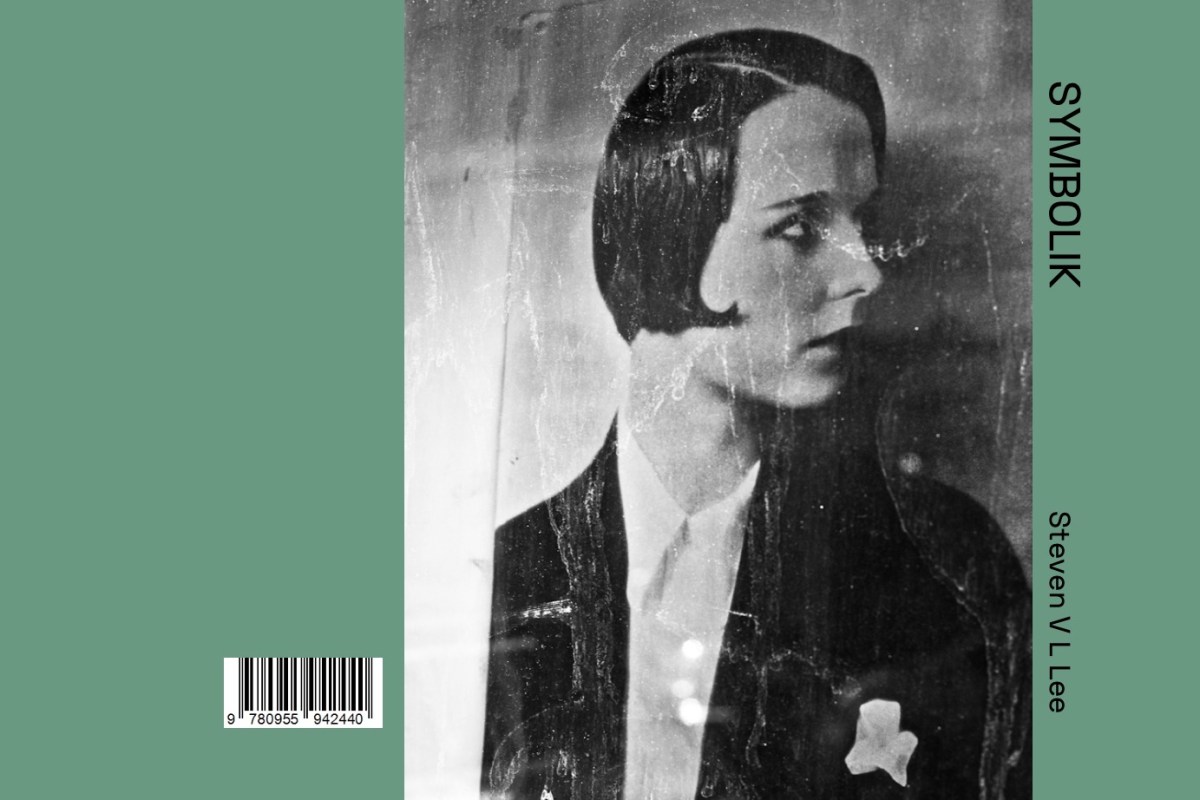
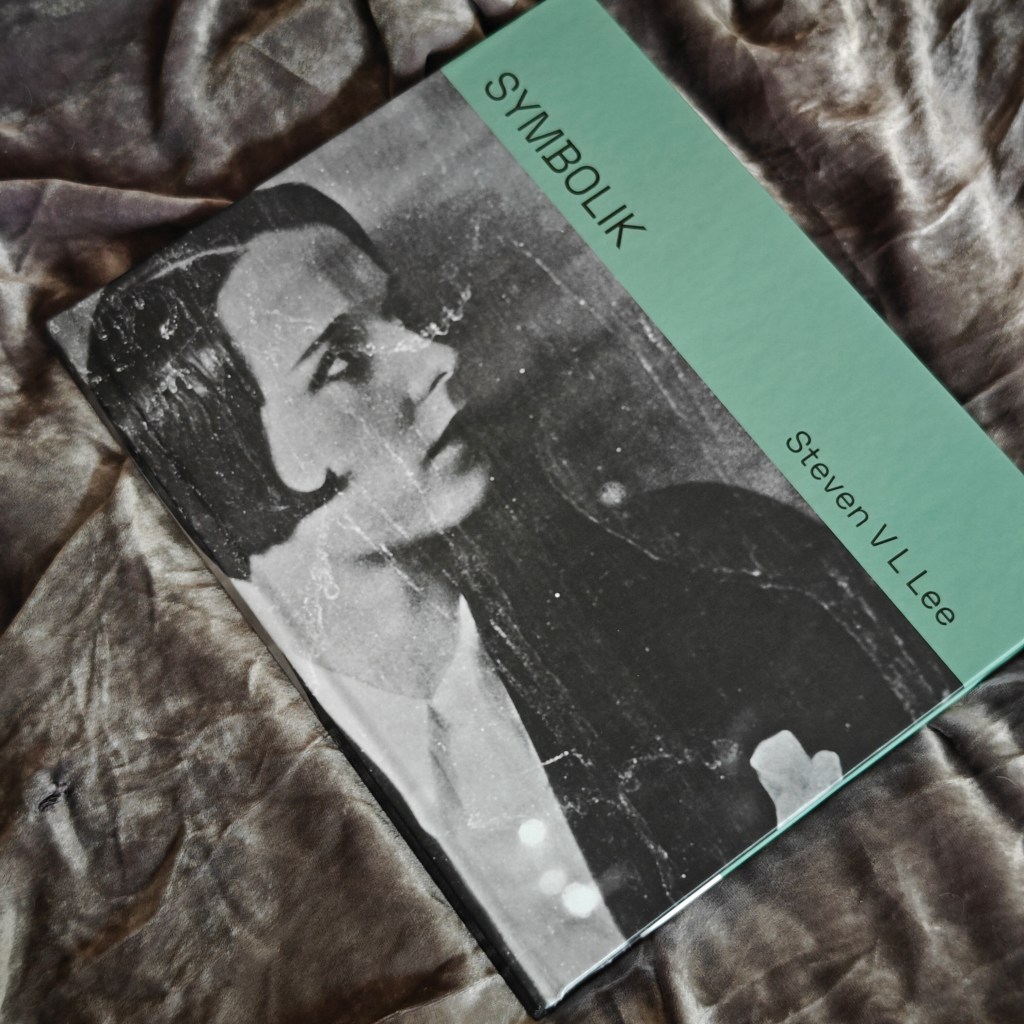
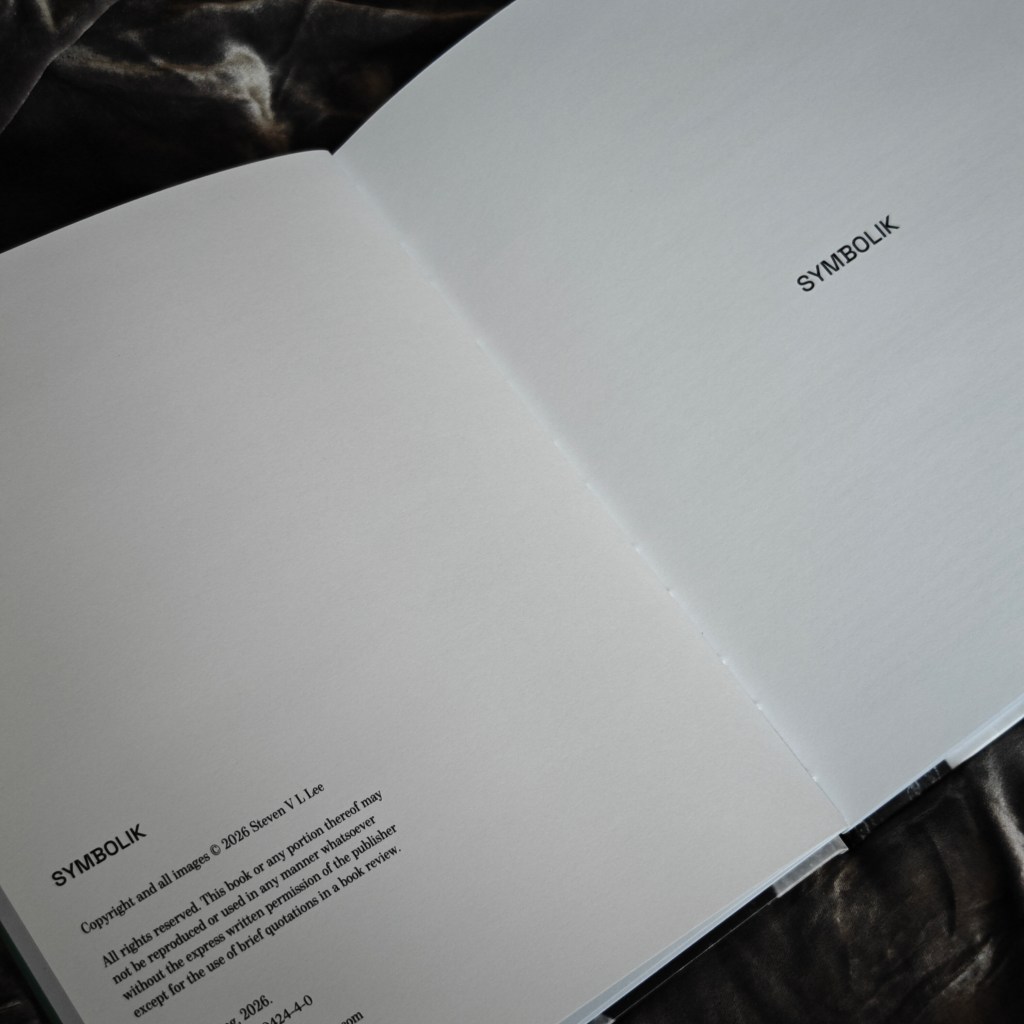
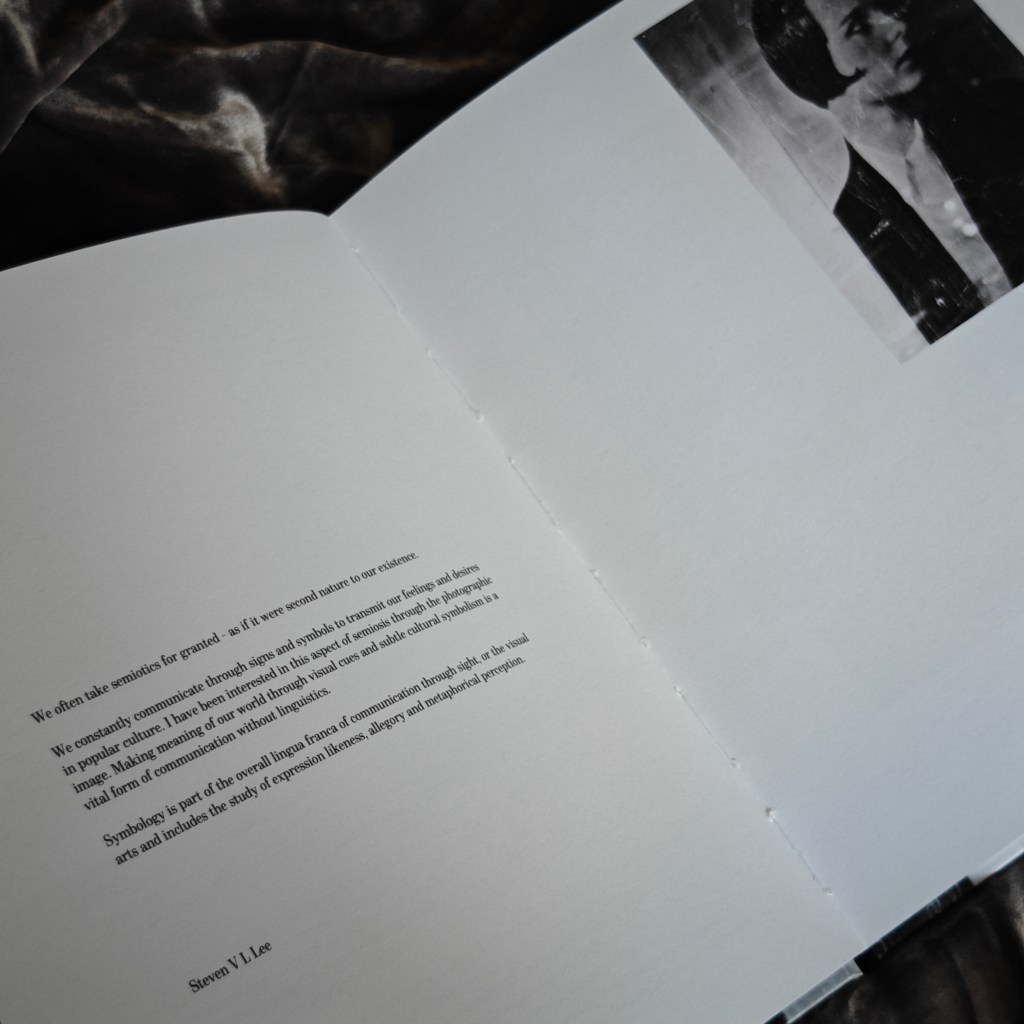
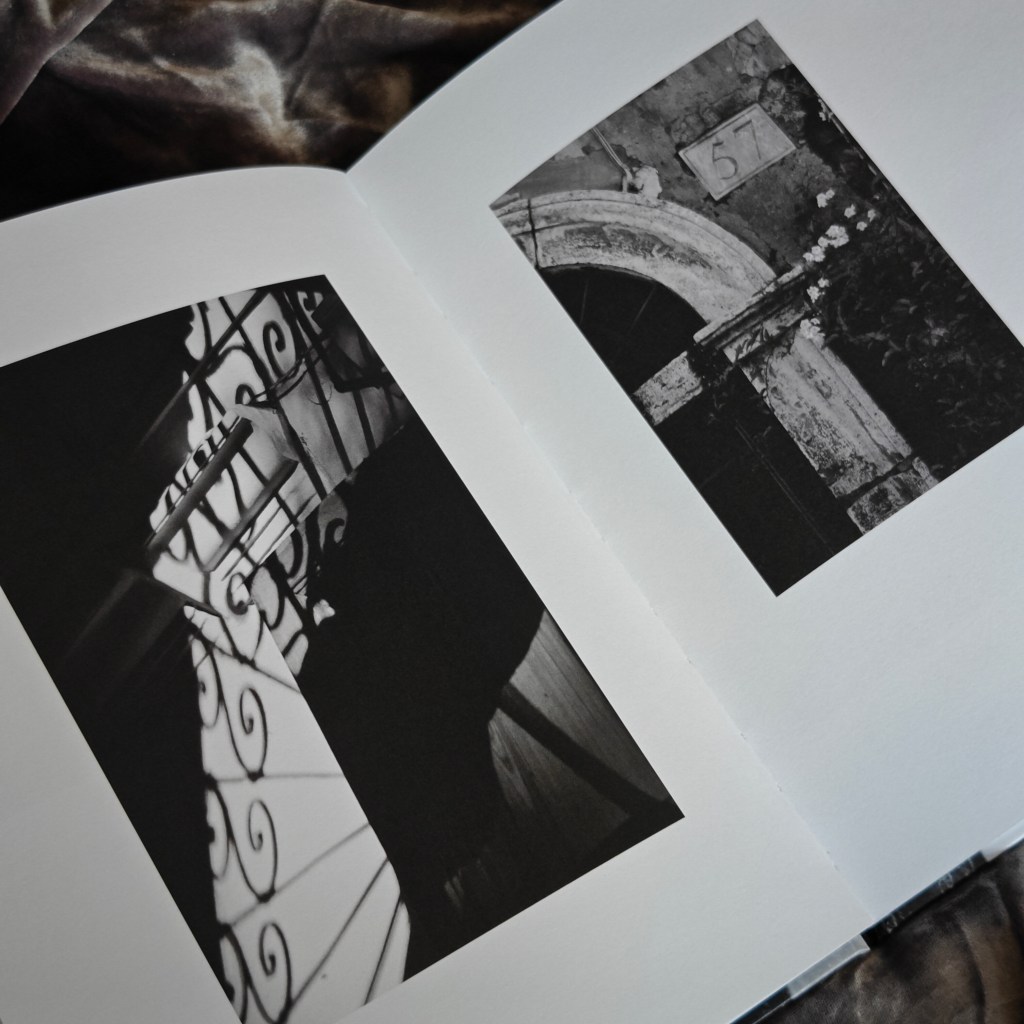
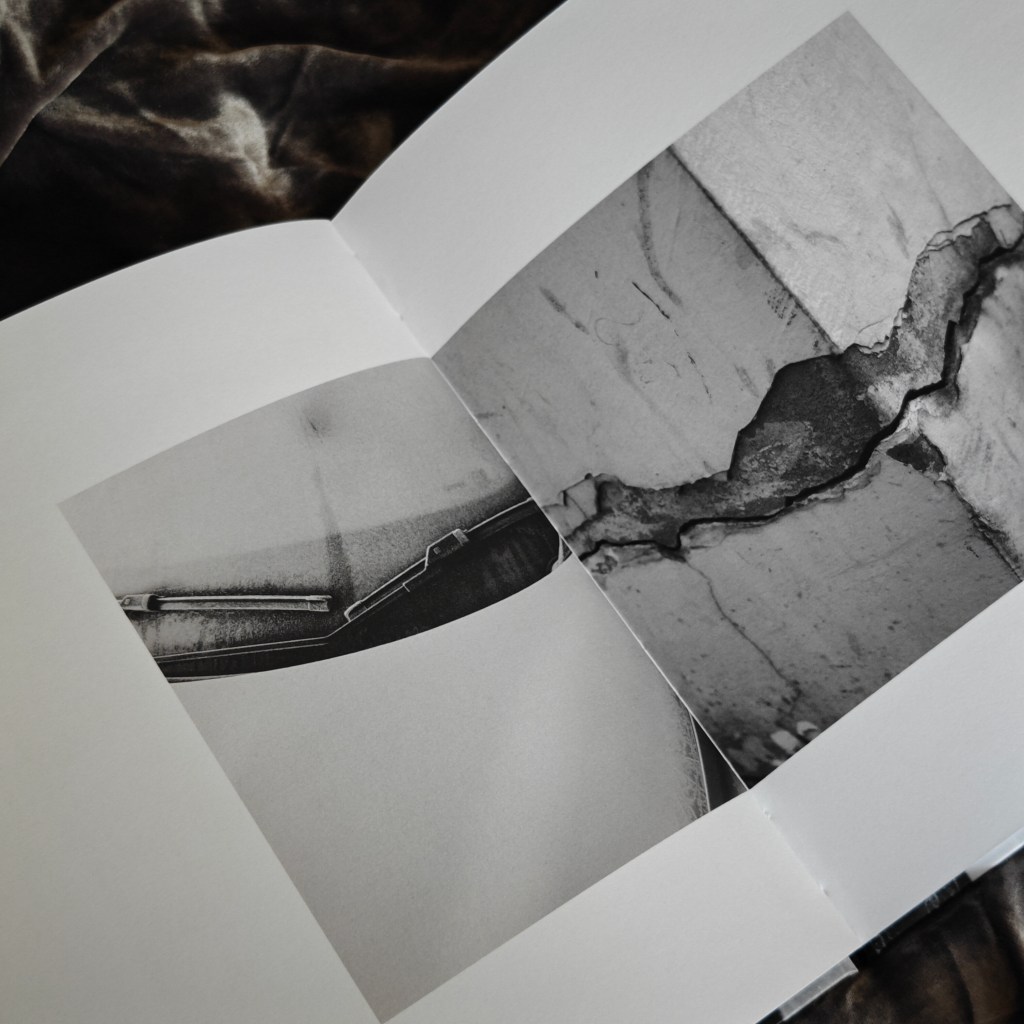
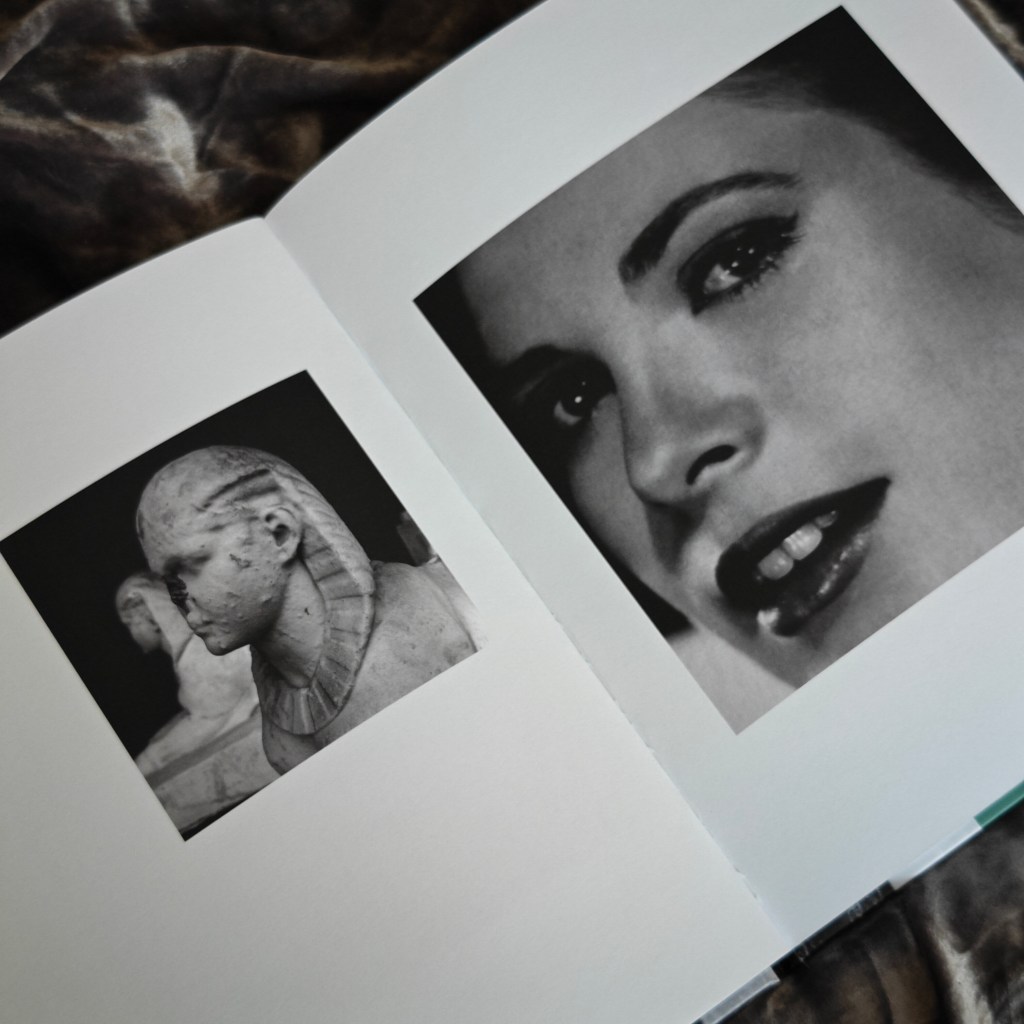
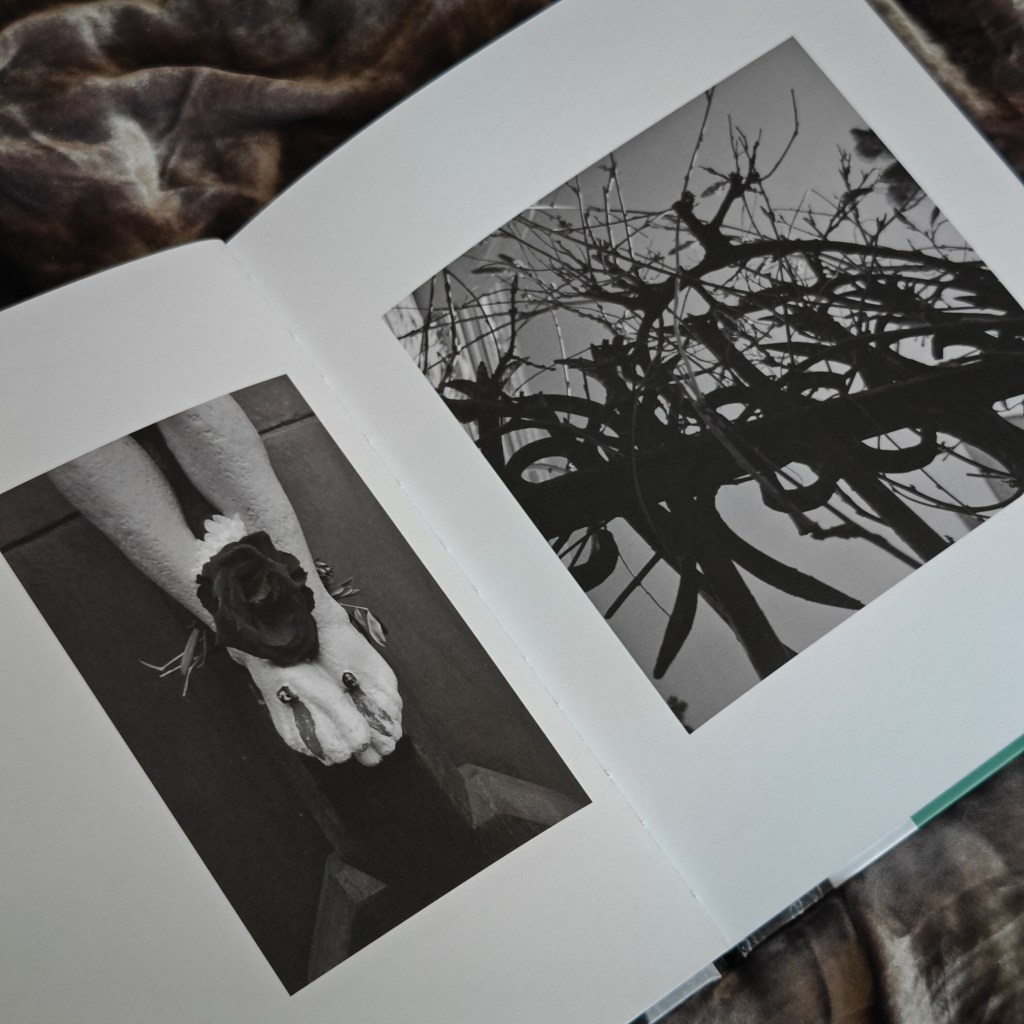
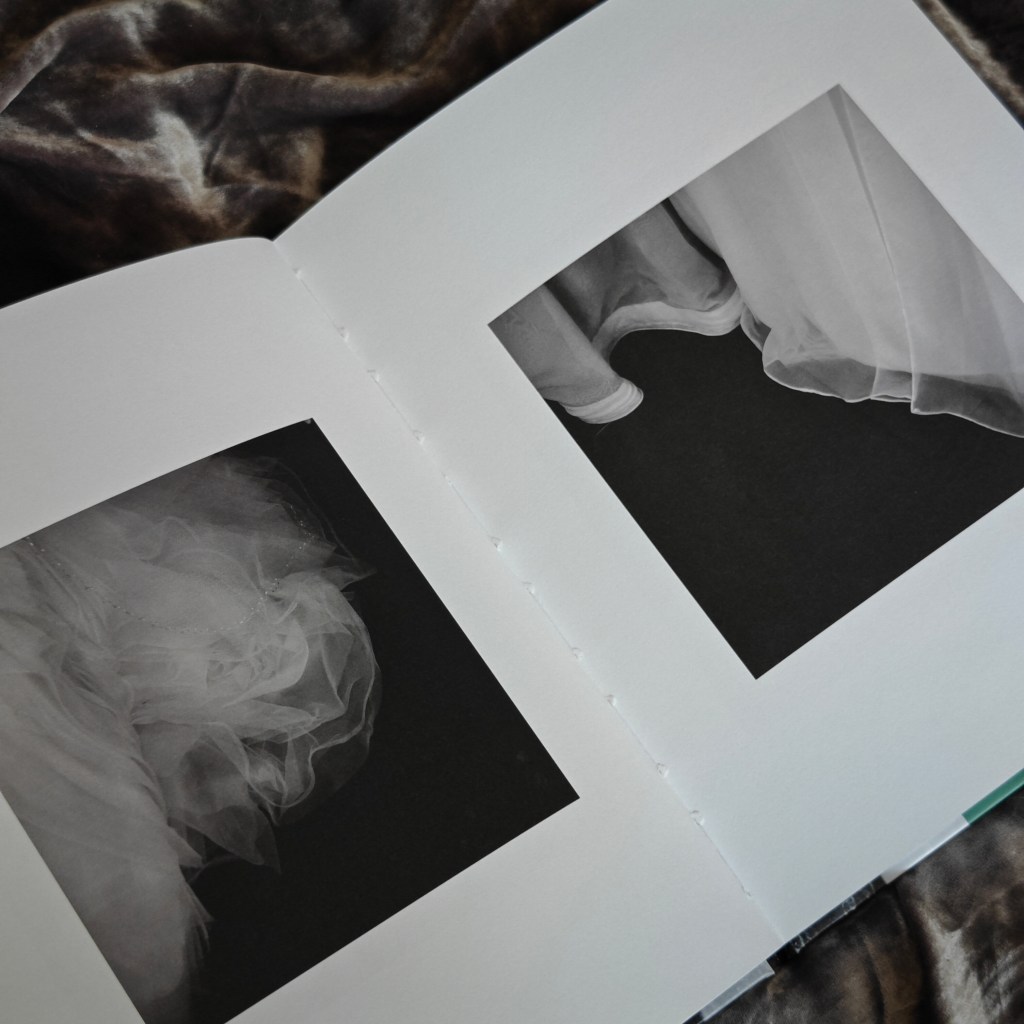
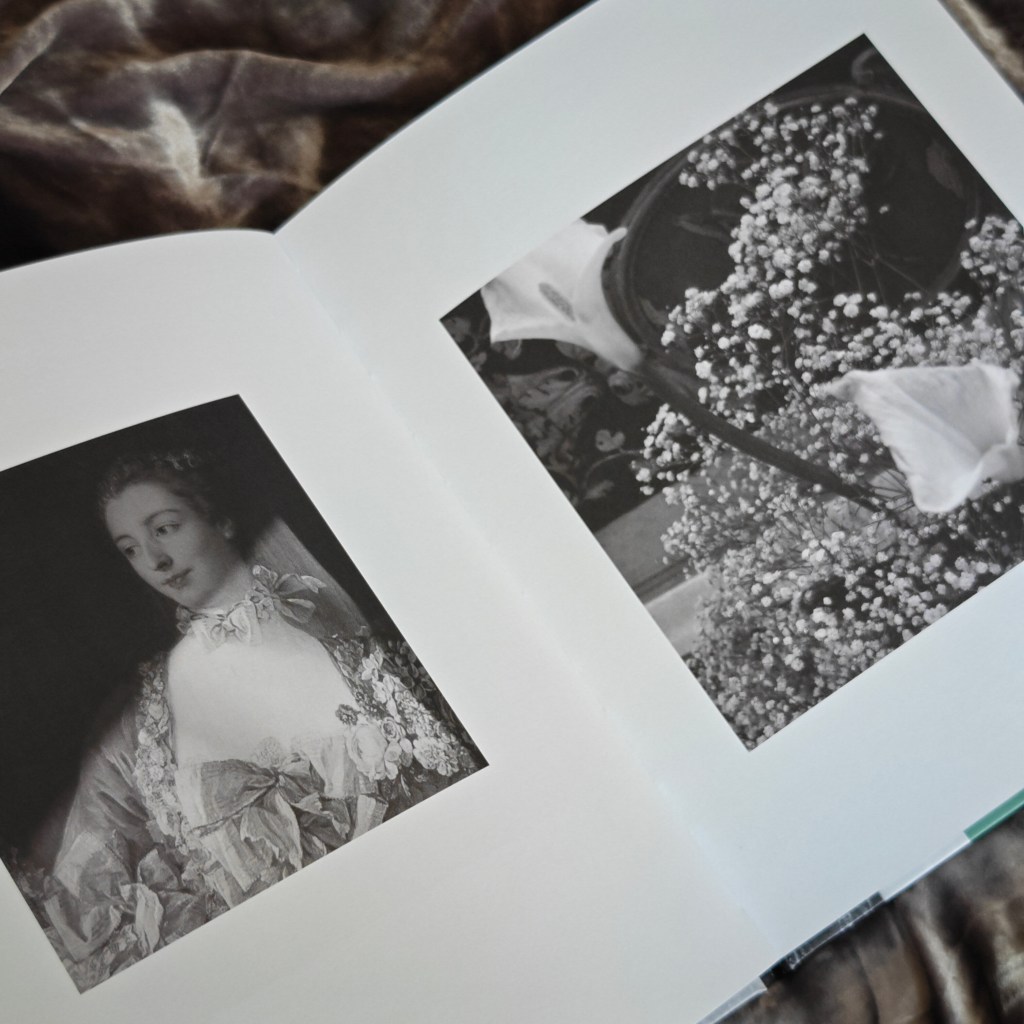
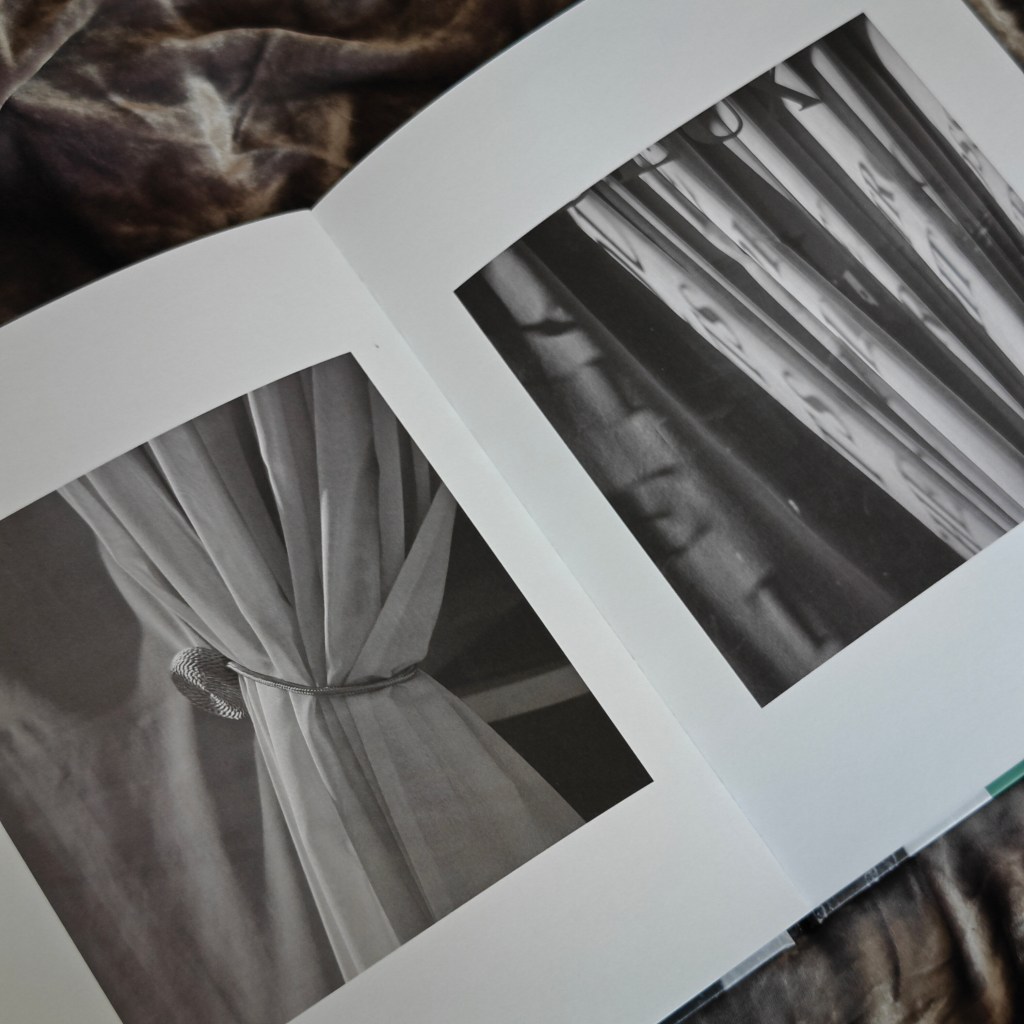
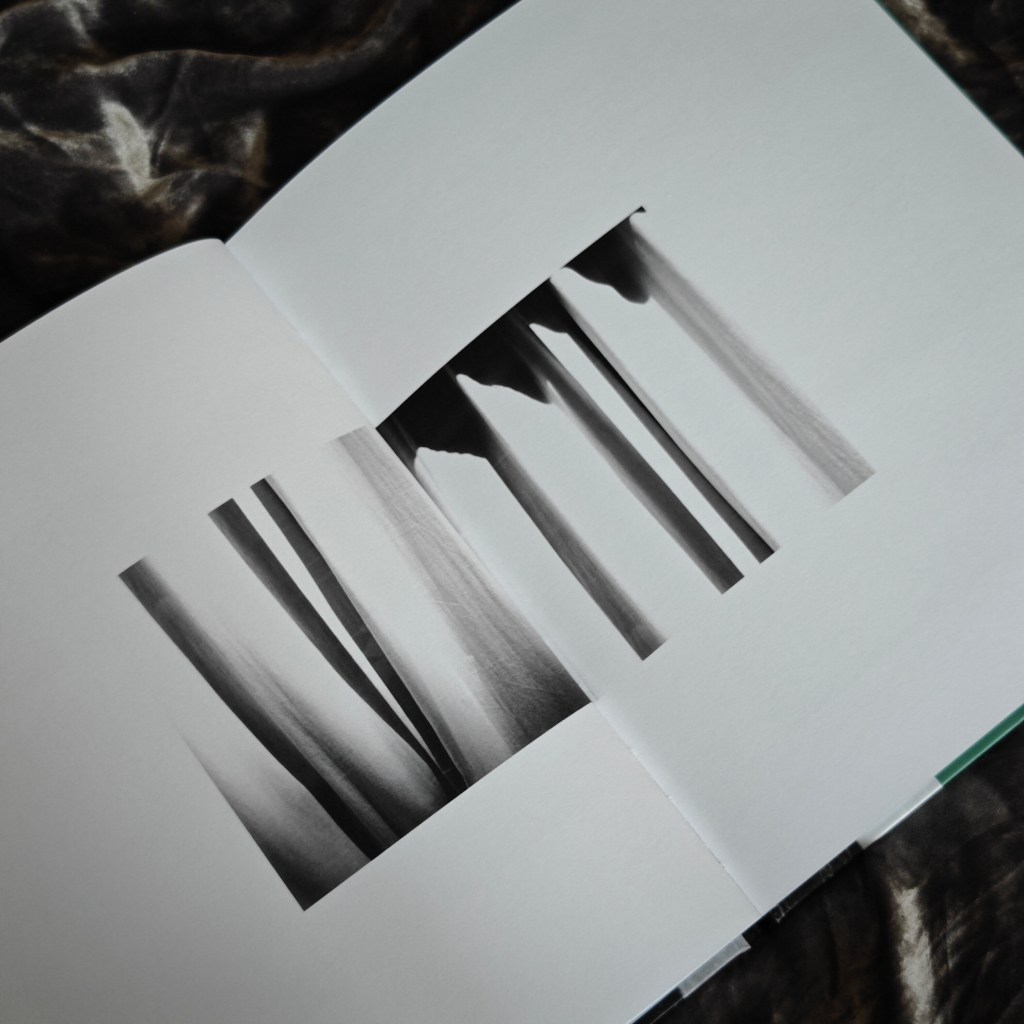
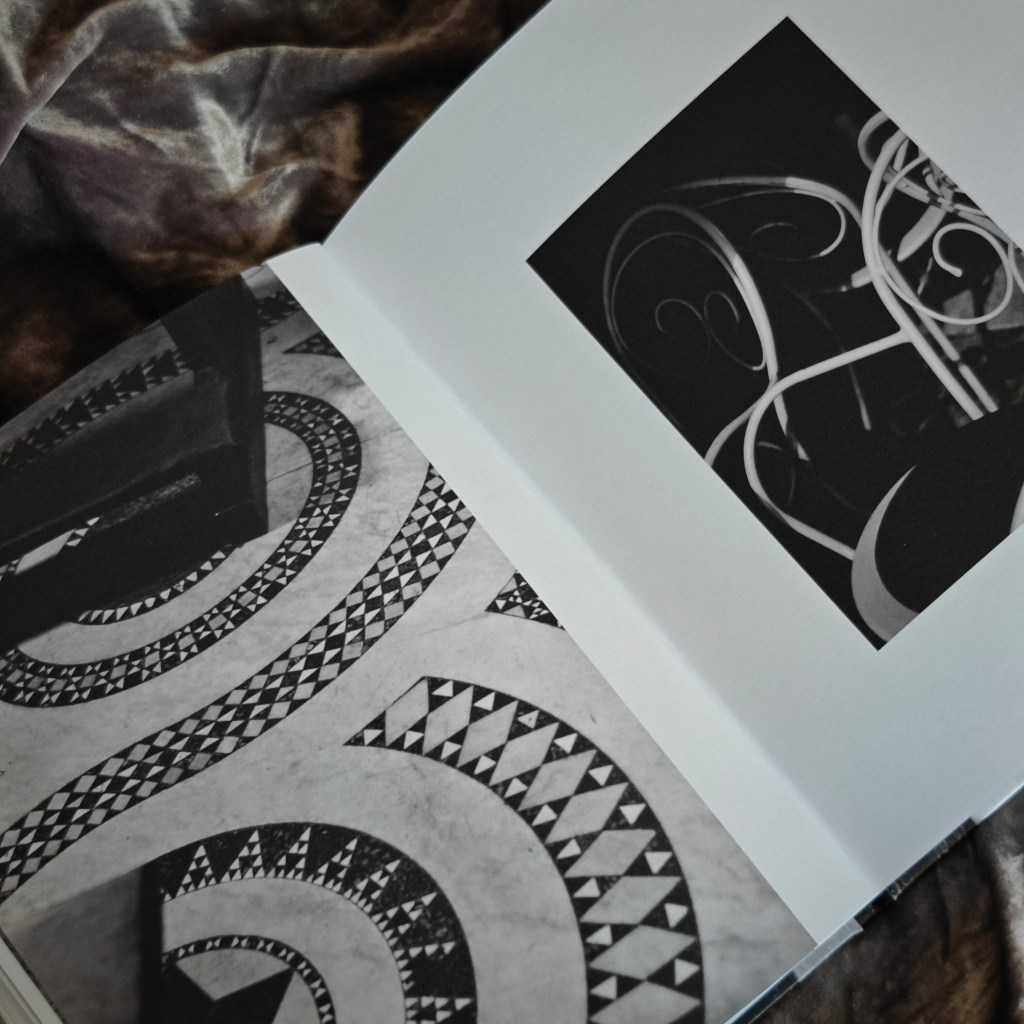
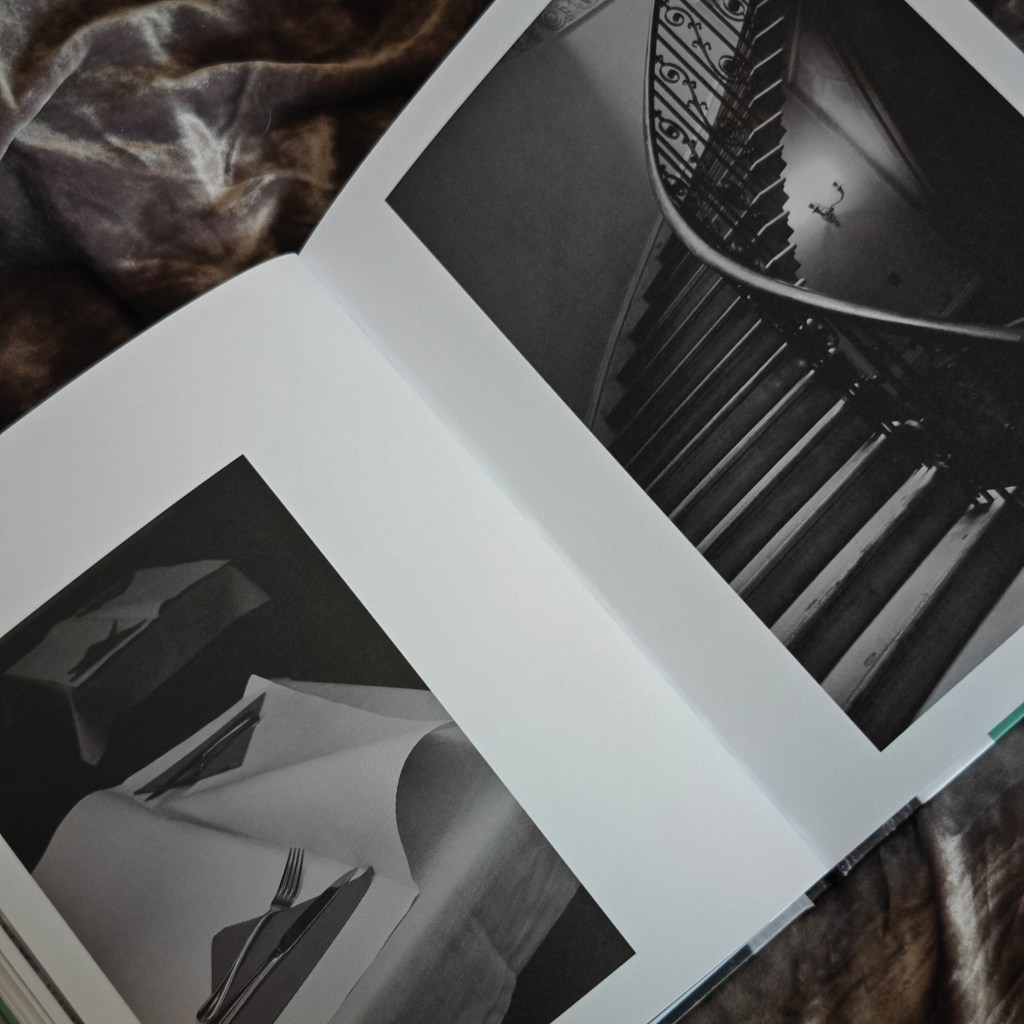
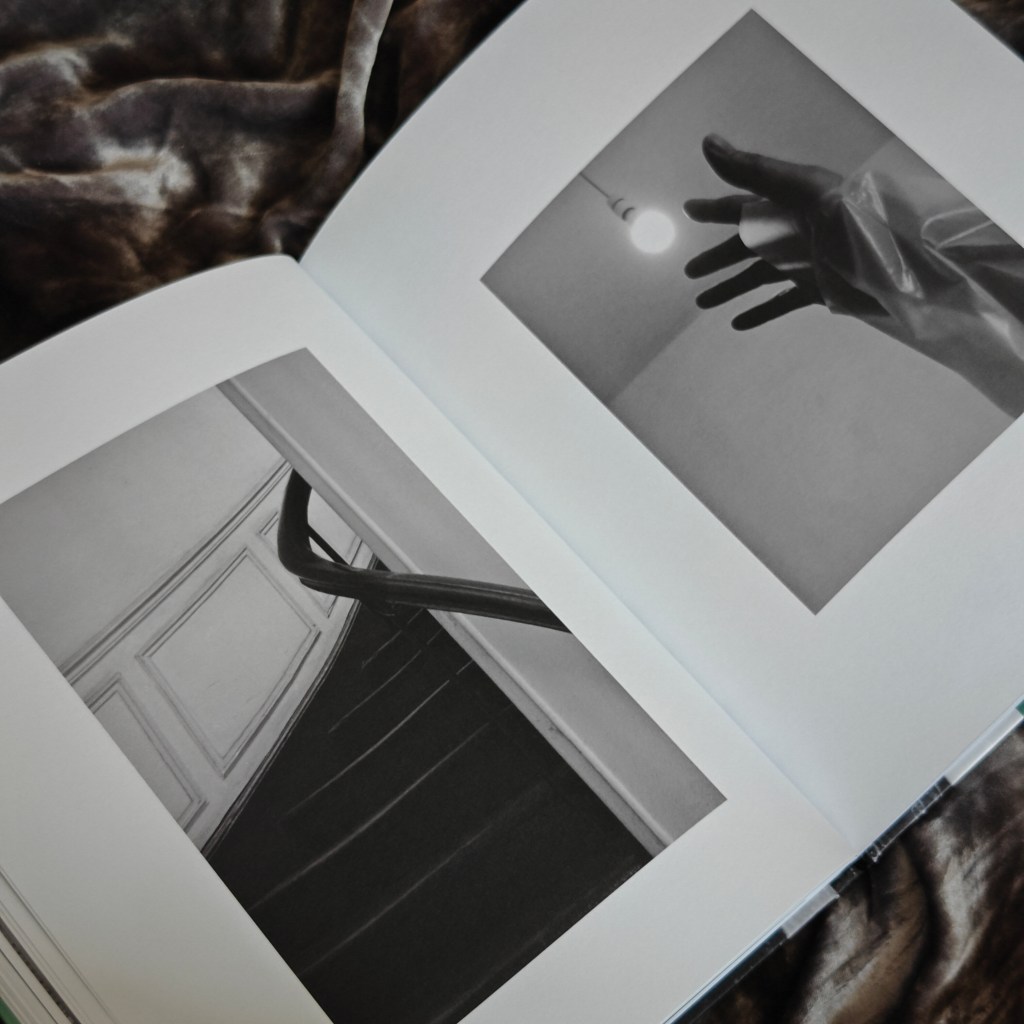
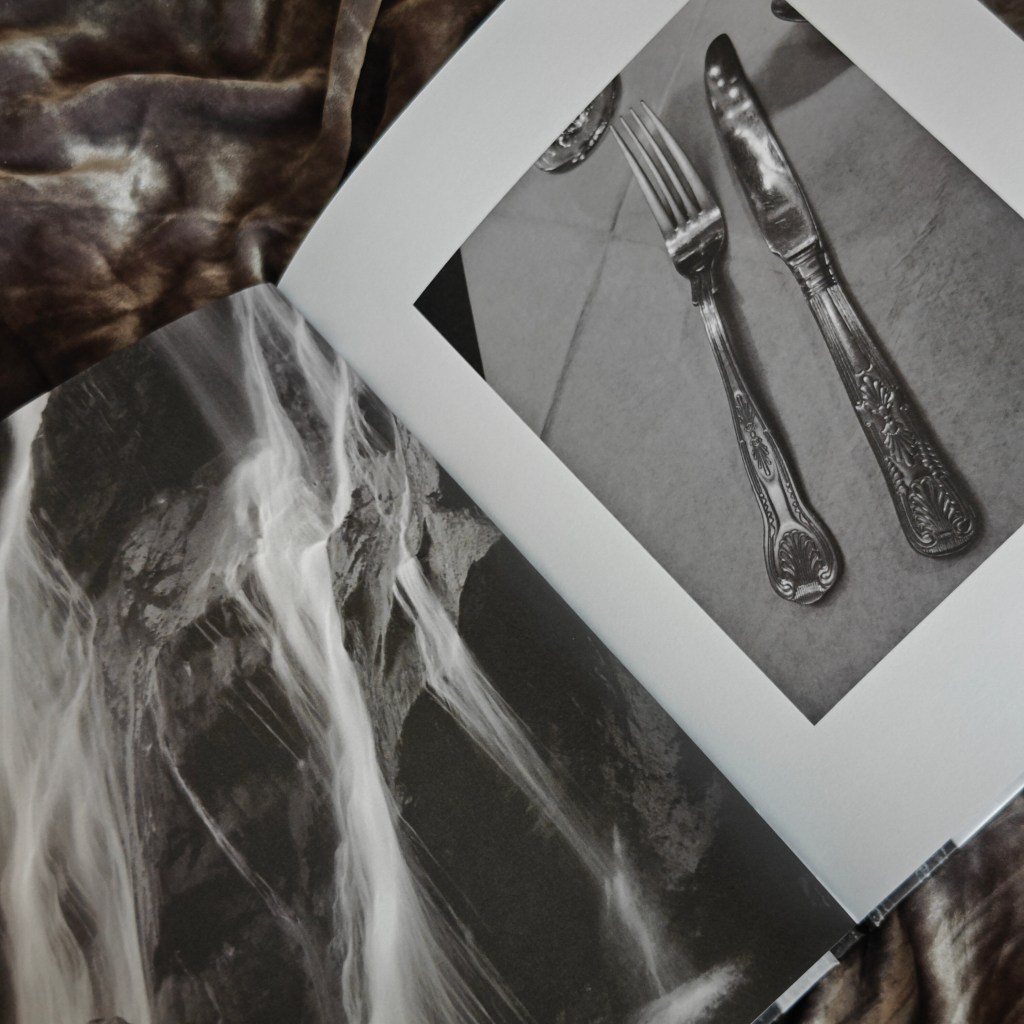
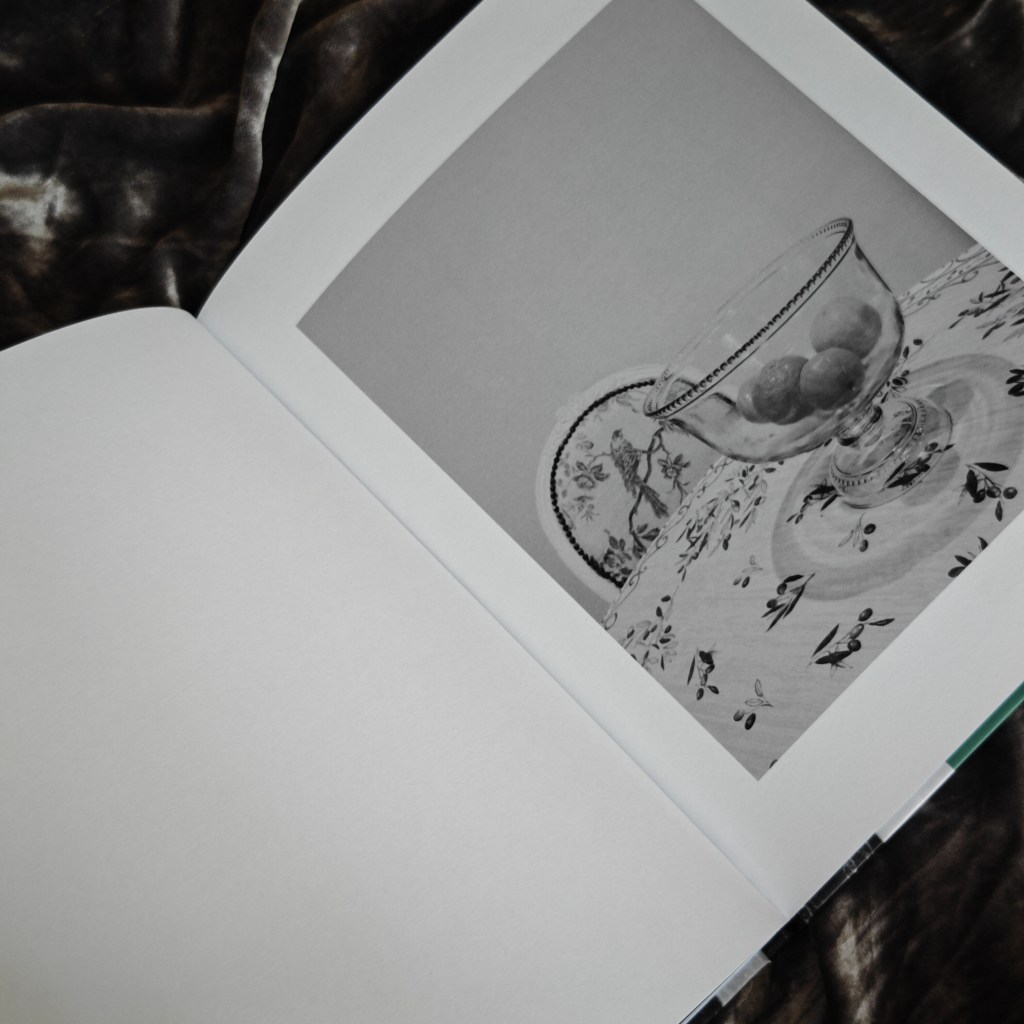
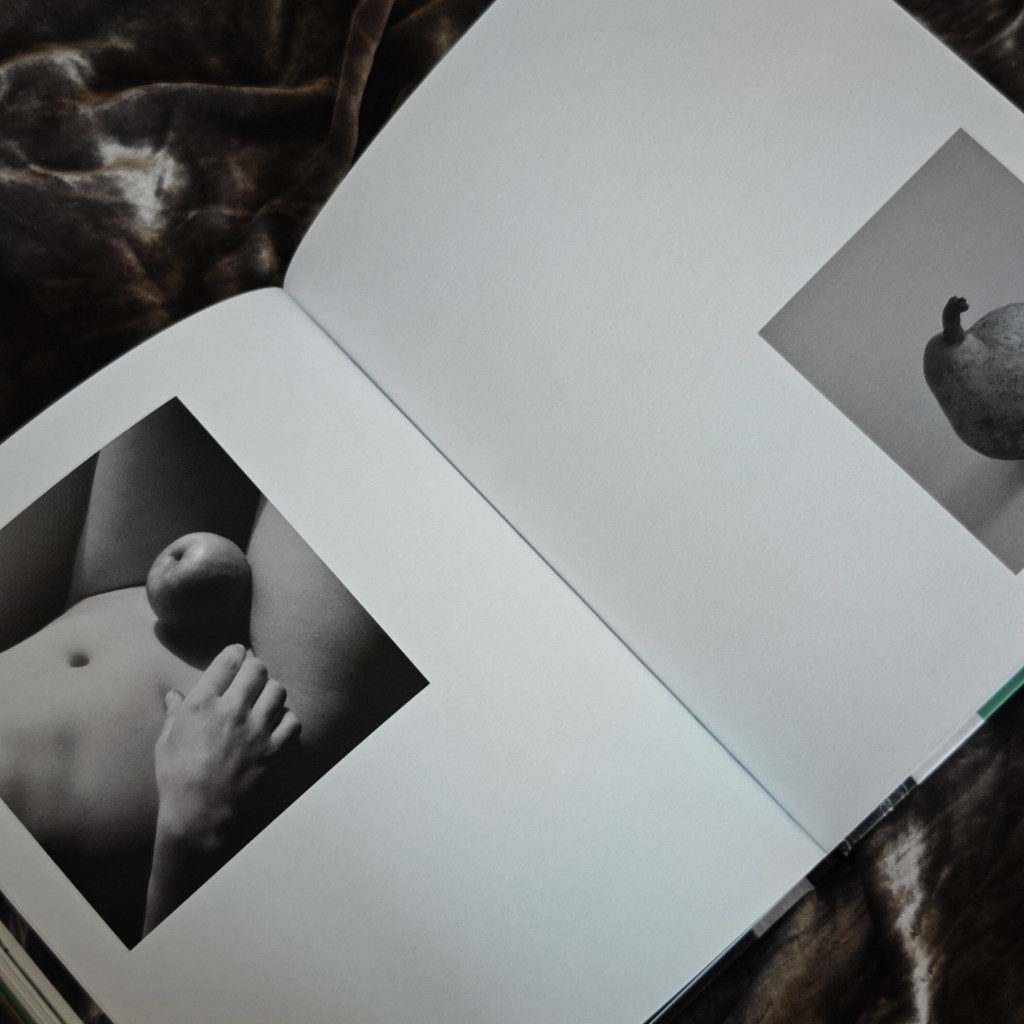
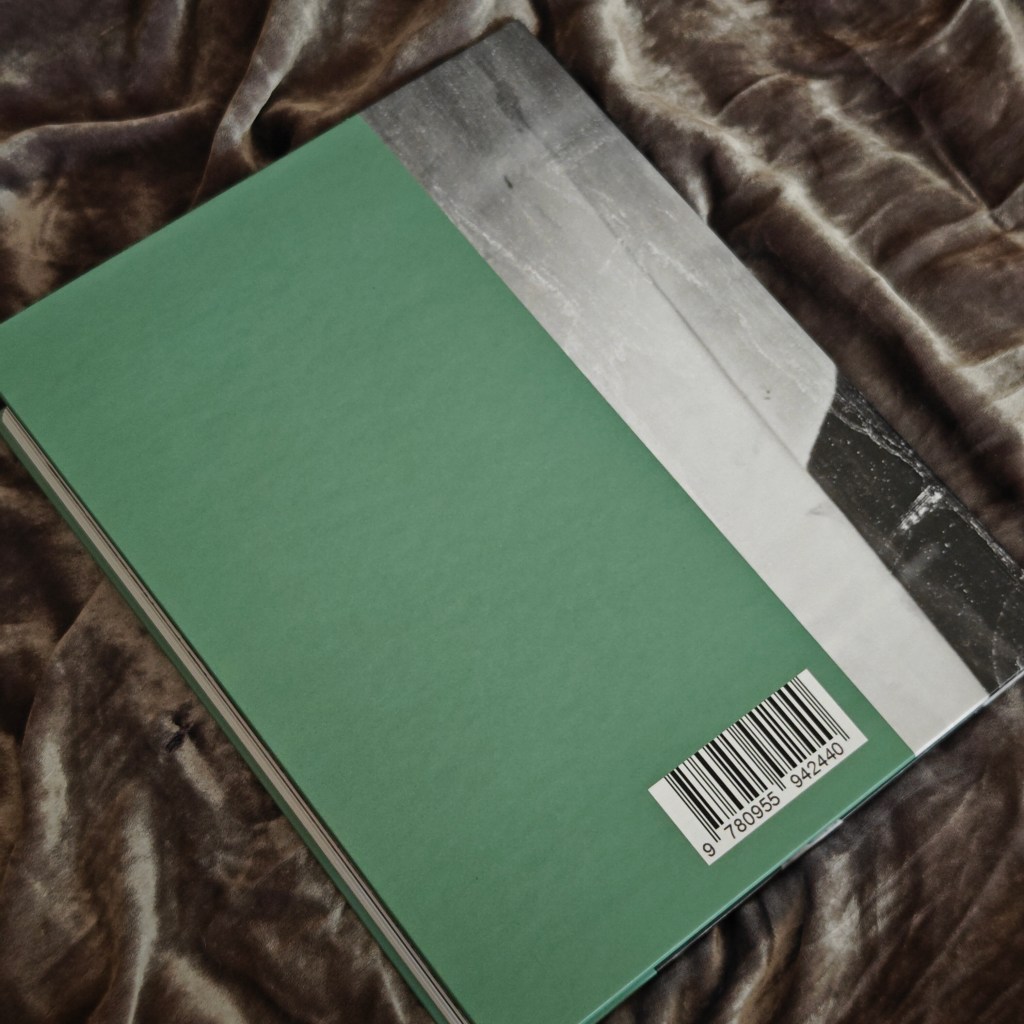
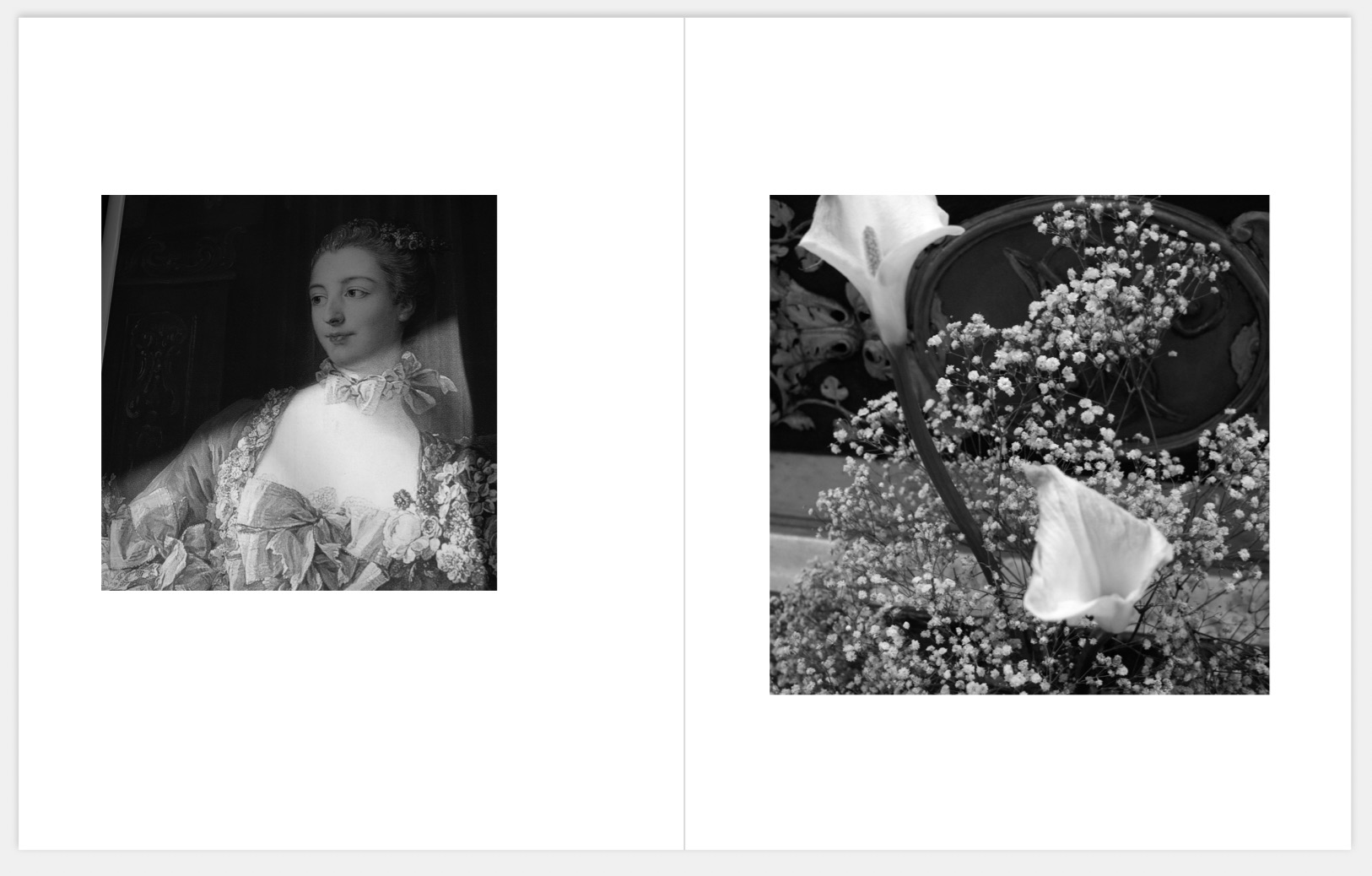
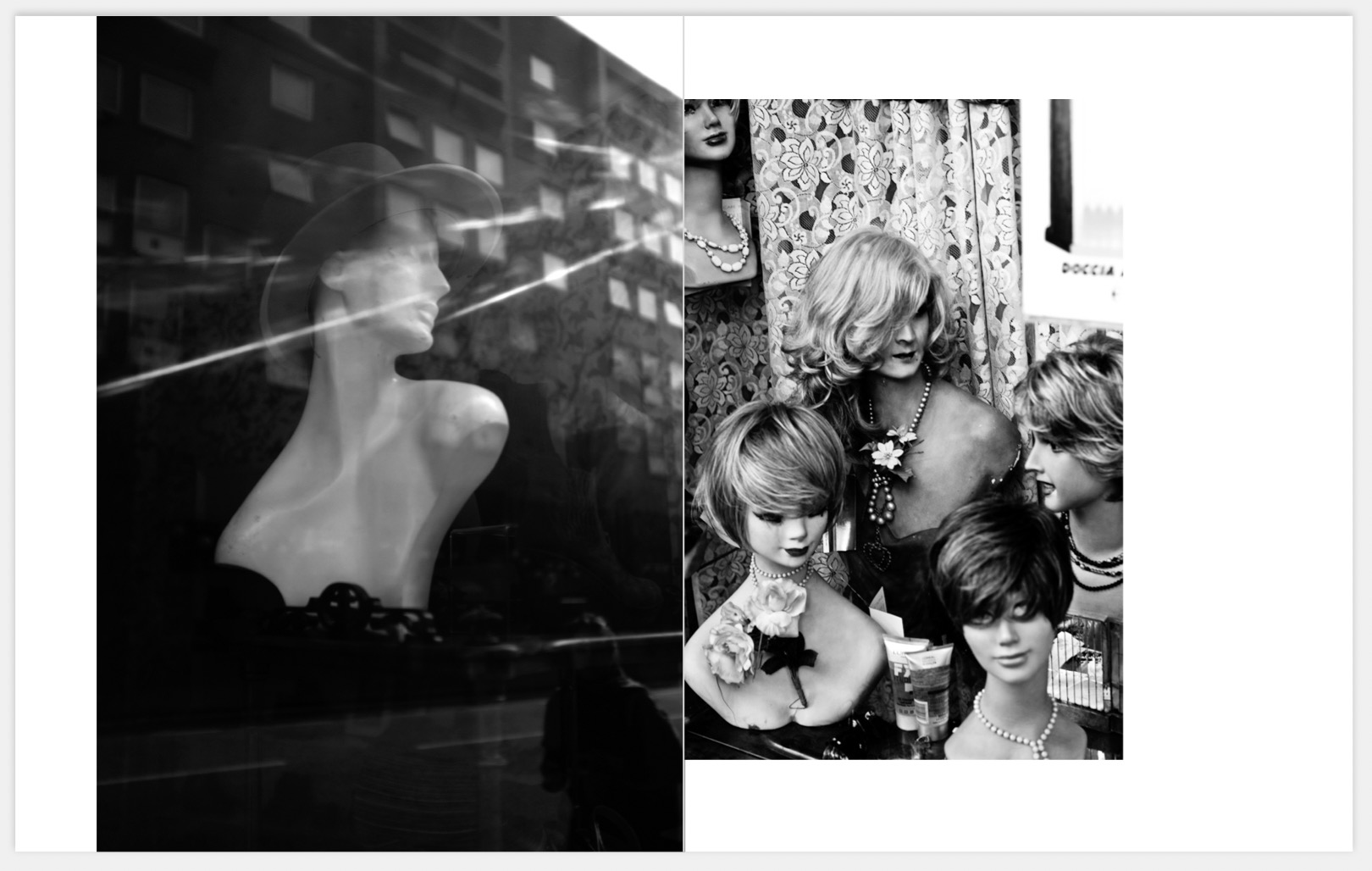
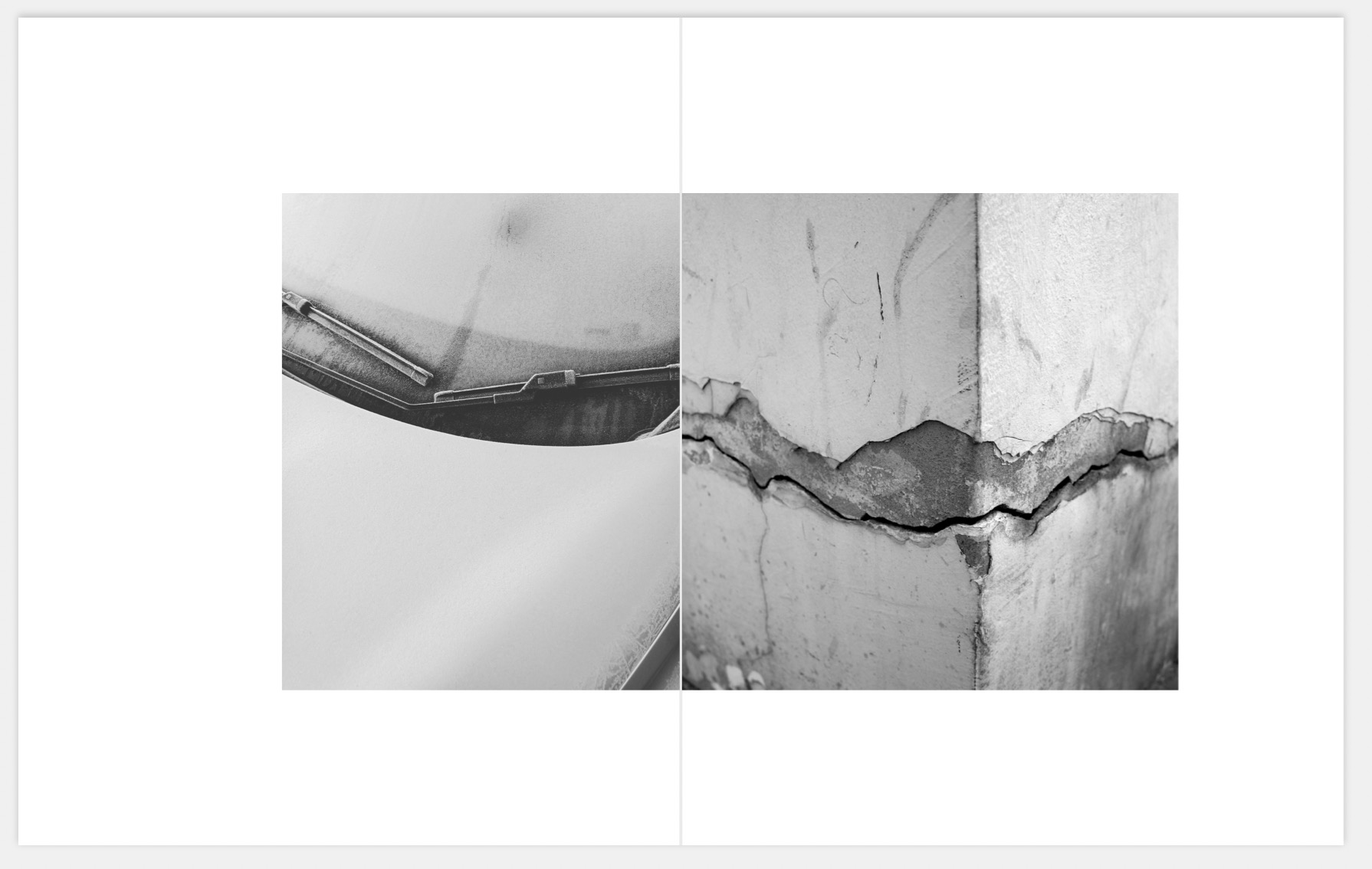
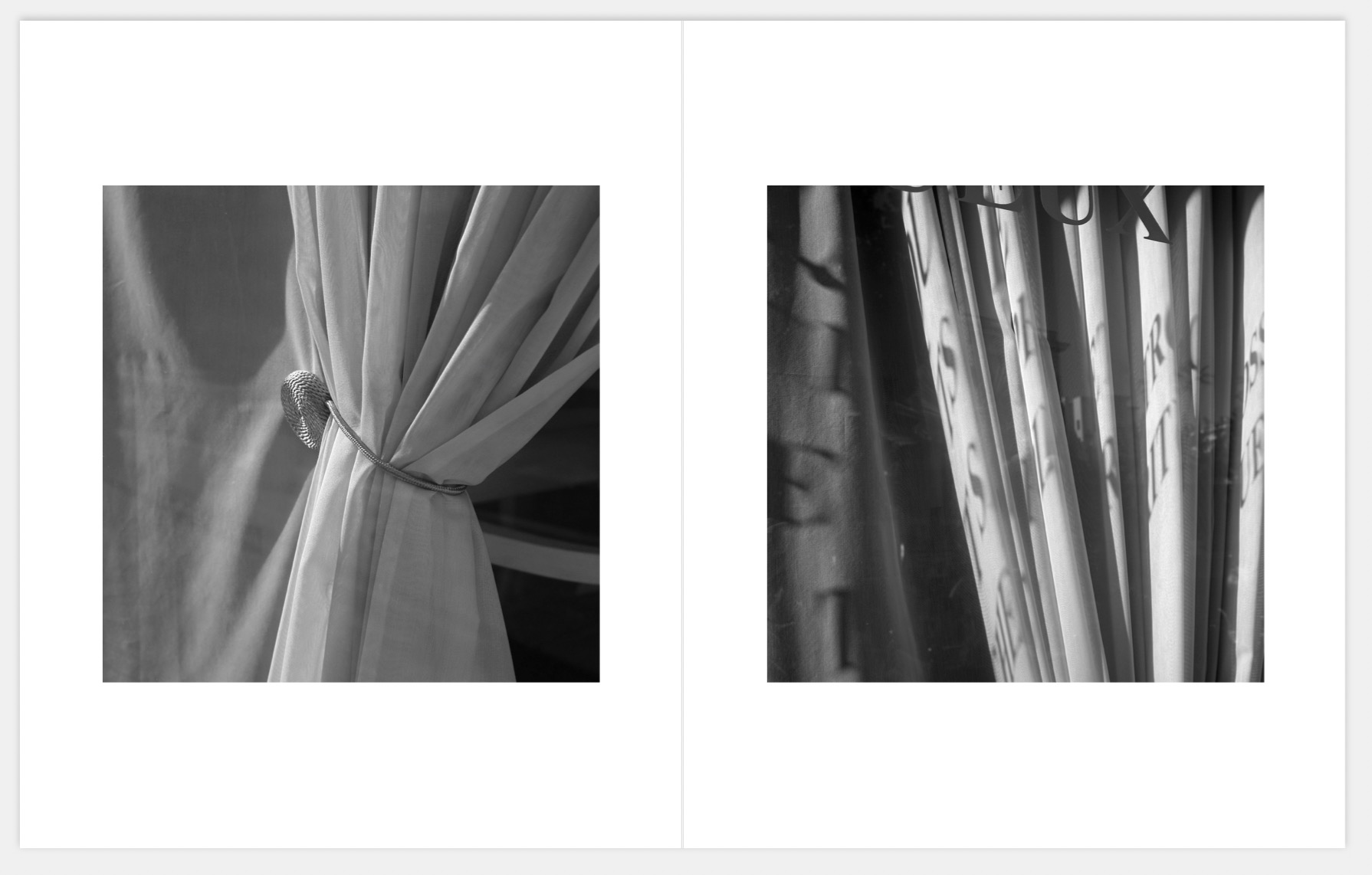
After 6 months working on this book project, putting together the images representing the concept I’d imagined in my head for many years before, the books have finally been delivered to me this morning. I’m over the moon to be able to hold a copy in my hands and turn those pages matt artpaper. Nothing feels that good than a freshly printed photobook, and one of your very own. This is a very personal project which has taken over 10 years in the making. The first print run is limited to 100 copies only and individually numbered.
Pre-orders are taken at Zontiga. Order your copy today and receive a 8×10 inch print from the book. Price : RM150.00
International orders : please contact me for postage and shipping costs.
Copies are available for purchase at Zontiga KL, GMBB, 2 Jalan Robertson, 50150 Kuala Lumpur, Malaysia from mid May. Each copy is numbered and signed, and the first 30 orders also receive a 8×10 inch print of my favourite images from the book.
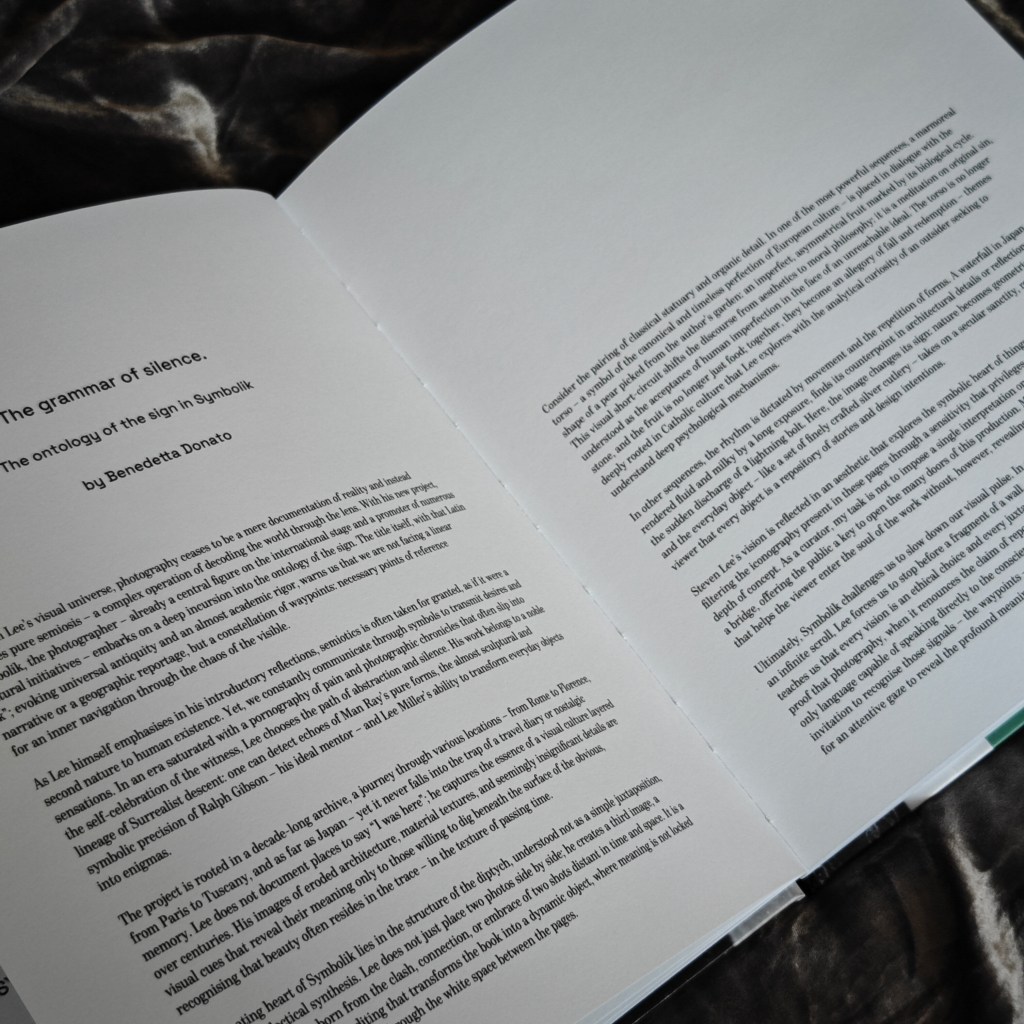
Thank you once again toBenedetta Donato who totally understood the my project deeply and for your illuminating introduction. Grazie mille!
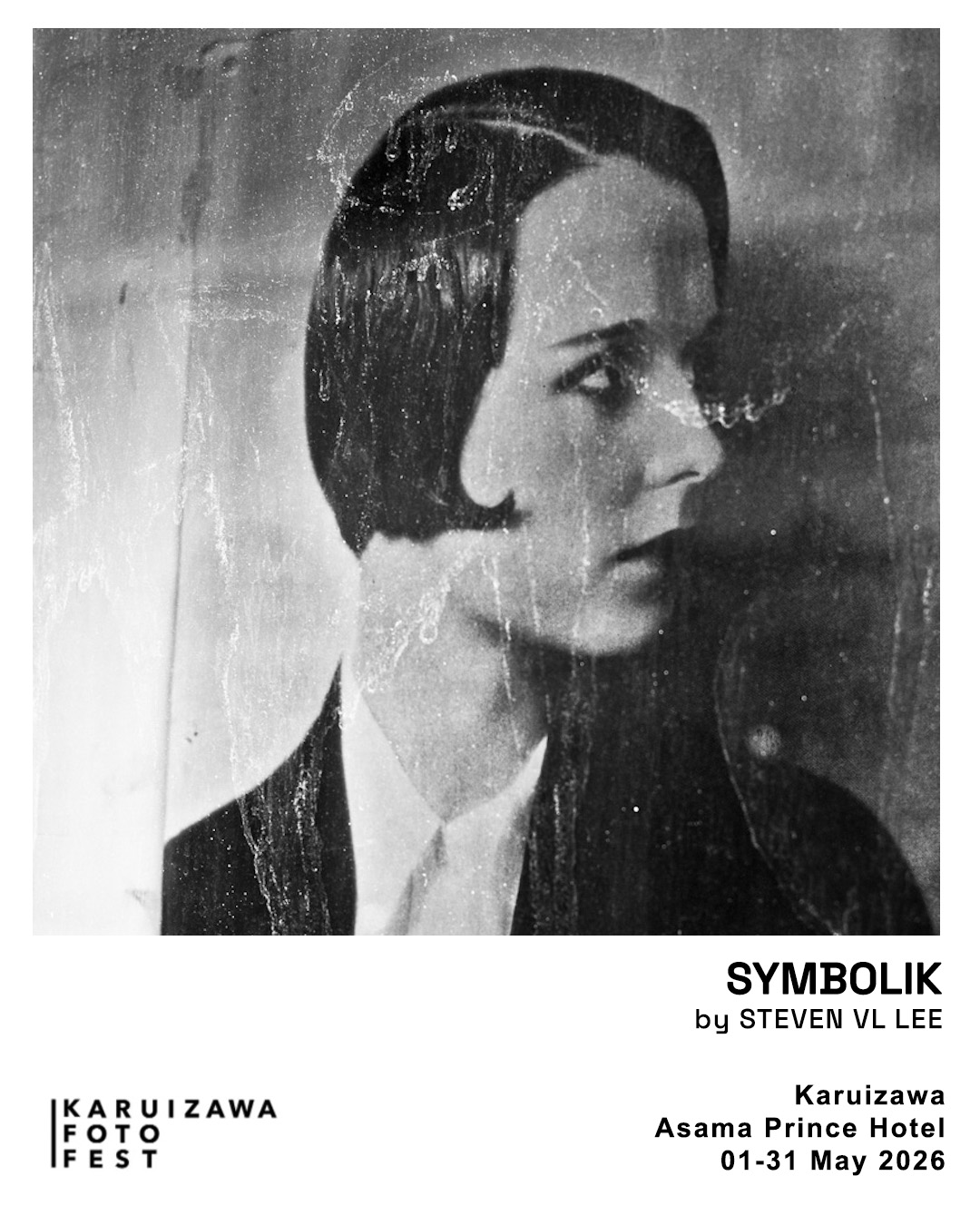
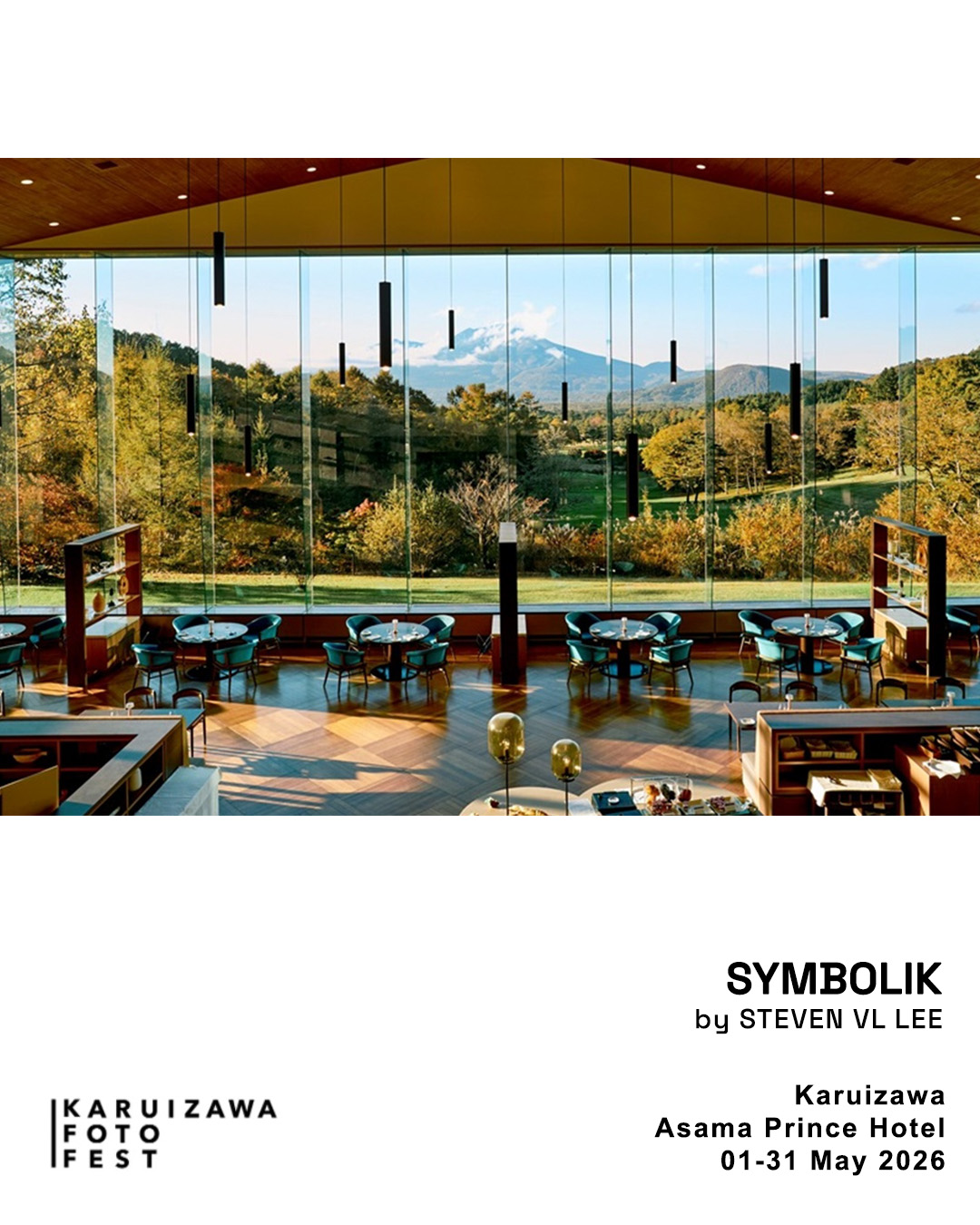
Curated images by festival co-director Naoko Ohta from the project will be exhibited in a solo exhibition at the 2026 Karuizawa Foto Festival in Nagano, Japan from 1 – 31 May.
NID:SIZE:699 kB
What is Symbolik about?
We often take semiotics for granted – as if it were second nature to our existence.
We constantly communicate through signs and symbols to transmit our feelings and desires in popular culture. I have been interested in this aspect of semiosis through the photographic image. Making meaning of our world through visual cues and subtle cultural symbolism is a vital form of communication without linguistics.
Symbology is part of the overall lingua franca of communication through sight, or the visual arts and includes the study of expression likeness, allegory and metaphorical perception.
Signs and Symbols, Motifs and Meanings
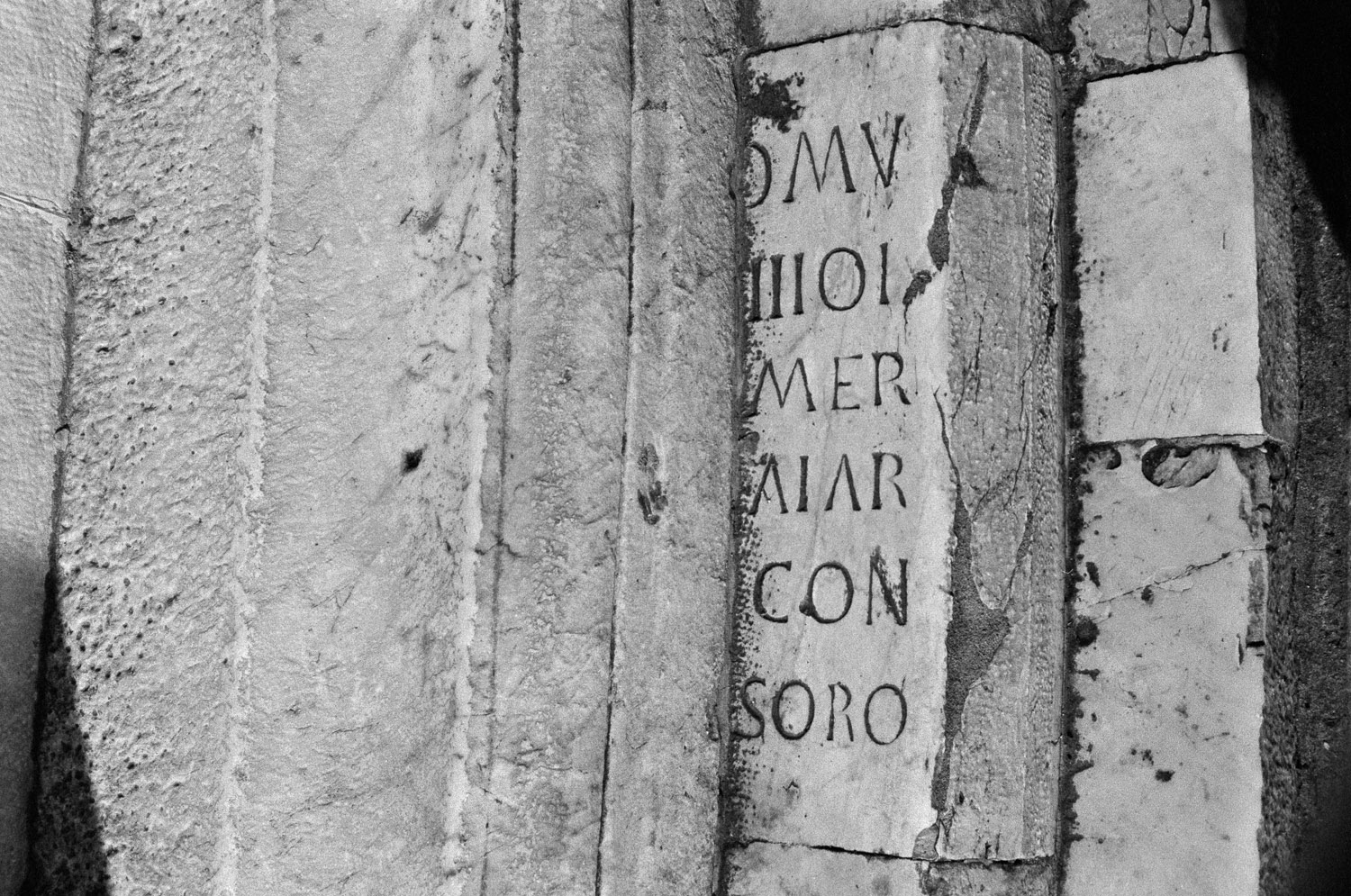
I first developed the concept of Symbolik having walked the ancients streets in Rome 2008. In an alley close to the Pantheon, I came across chiselled into a stone wall were symbols and words in Latin. Possibly made hundreds of years before by an ancient graffiti artist. The idea remained in my head as I pondered who and why, and what were the meaning of the words. To Romans who live there today, these etches are a common encounter in a city steeped in history known as a living museum, the Eternal City. To a casual visitor like myself, it was tremendously significant and even poignant that symbols spanning centuries could still be read and interpreted to give meaning and direction, perhaps dulled by the passage of time, but still significant, and as a philosophical question which is deeply personal.
Over the years, I realised that every person is drawn and react to symbols differently even if their meanings are clearly unambiguous. I pondered why this is so. Could it be that their meanings and understandings lack precision or could it actually be the interpretation of them that is flawed. I concluded that cultural upbringing and self-determination might explain this, communal reactions and societal conformations are other possibilities.
Every viewer will react differently and in varying degrees to my images. They do not provide answers or explanations, nor invoke or provoke responses. However I hope and expect some viewers may react emotively, perhaps once the motifs are embedded into their mind’s eye, perhaps at a later stage, if not immediately, and a realisation is made. Perhaps a repressed thought, a lost feeling, a suppressed memory may rise to the fore. The actual meanings don’t really matter in Symbolik. Unlike reading a book from chapter to chapter to discover a narrative, my images do not ‘unfold’ or reveal one, unless you are attuned to see the world as I do – a haphazardly organised chaotic mess – visually stimulating, if you want it to be. A solipsistic existence. Enjoy!
Here’s an excerpt from the Introduction text by Benedetta Donato :
“In Steven Lee’s visual universe, photography ceases to be a mere documentation of reality and instead becomes pure semiosis – a complex operation of decoding the world through the lens. With his new project, Symbolik, the photographer – already a central figure on the international stage and a promoter of numerous cultural initiatives – embarks on a deep incursion into the ontology of the sign. The title itself, with that Latin “k”; evoking universal antiquity and an almost academic rigor, warns us that we are not facing a linear narrative or a geographic reportage, but a constellation of waypoints: necessary points of reference for an inner navigation through the chaos of the visible.”
“As Lee himself emphasises in his introductory reflections, semiotics is often taken for granted, as if it were a second nature to human existence. Yet, we constantly communicate through symbols to transmit desires and sensations. In an era saturated with a pornography of pain and photographic chronicles that often slip into the self-celebration of the witness, Lee chooses the path of abstraction and silence. His work belongs to a noble lineage of Surrealist descent: one can detect echoes of Man Ray’s pure forms, the almost sculptural and symbolic precision of Ralph Gibson – his ideal mentor – and Lee Miller’s ability to transform everyday objects into enigmas.”
“The project is rooted in a decade-long archive, a journey through various locations – from Rome to Florence, from Paris to Tuscany, and as far as Japan – yet it never falls into the trap of a travel diary or nostalgic memory. Lee does not document places to say “I was here”; he captures the essence of a visual culture layered over centuries. His images of eroded architecture, material textures, and seemingly insignificant details are visual cues that reveal their meaning only to those willing to dig beneath the surface of the obvious, recognising that beauty often resides in the trace – in the texture of passing time.”
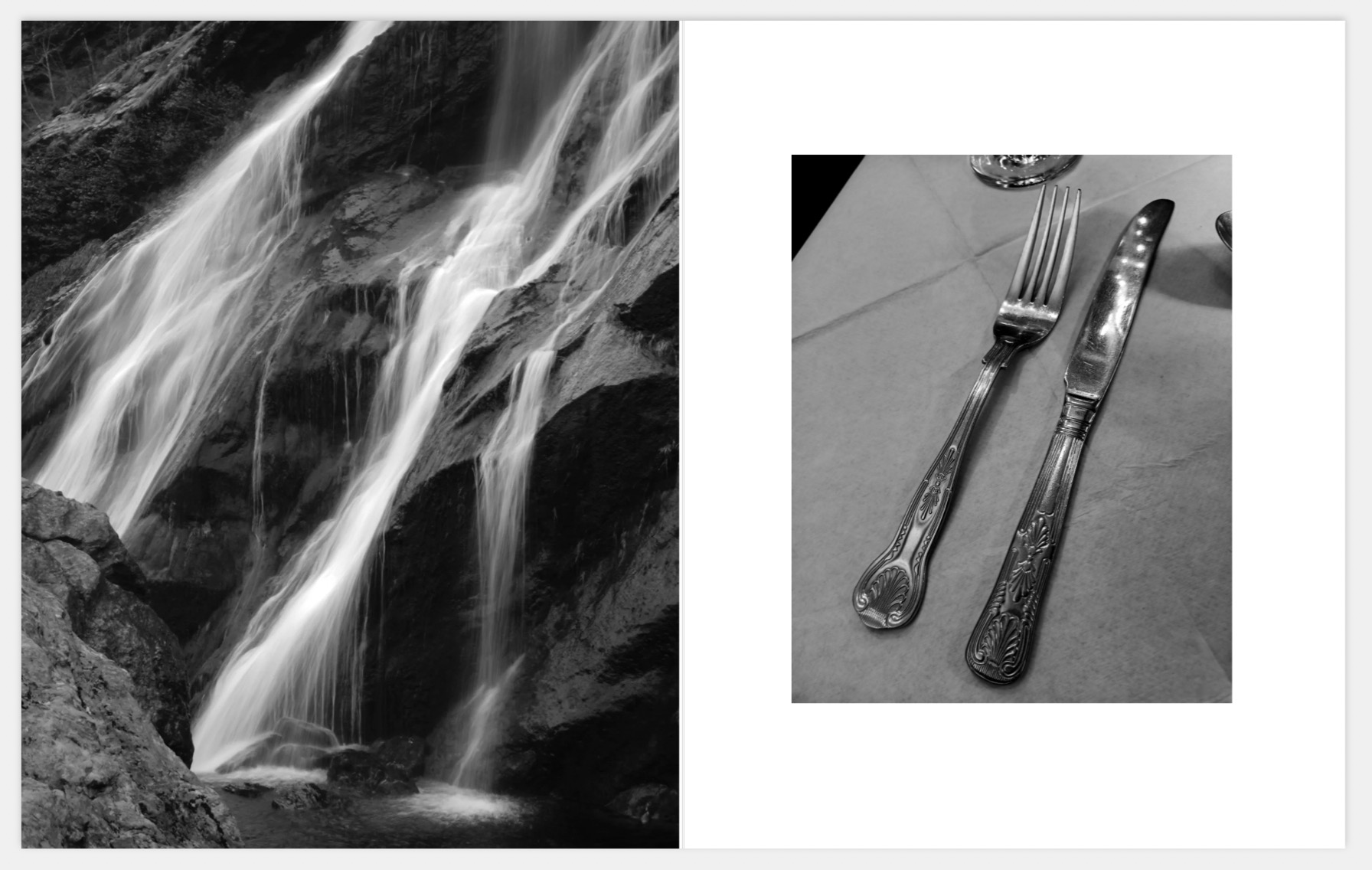
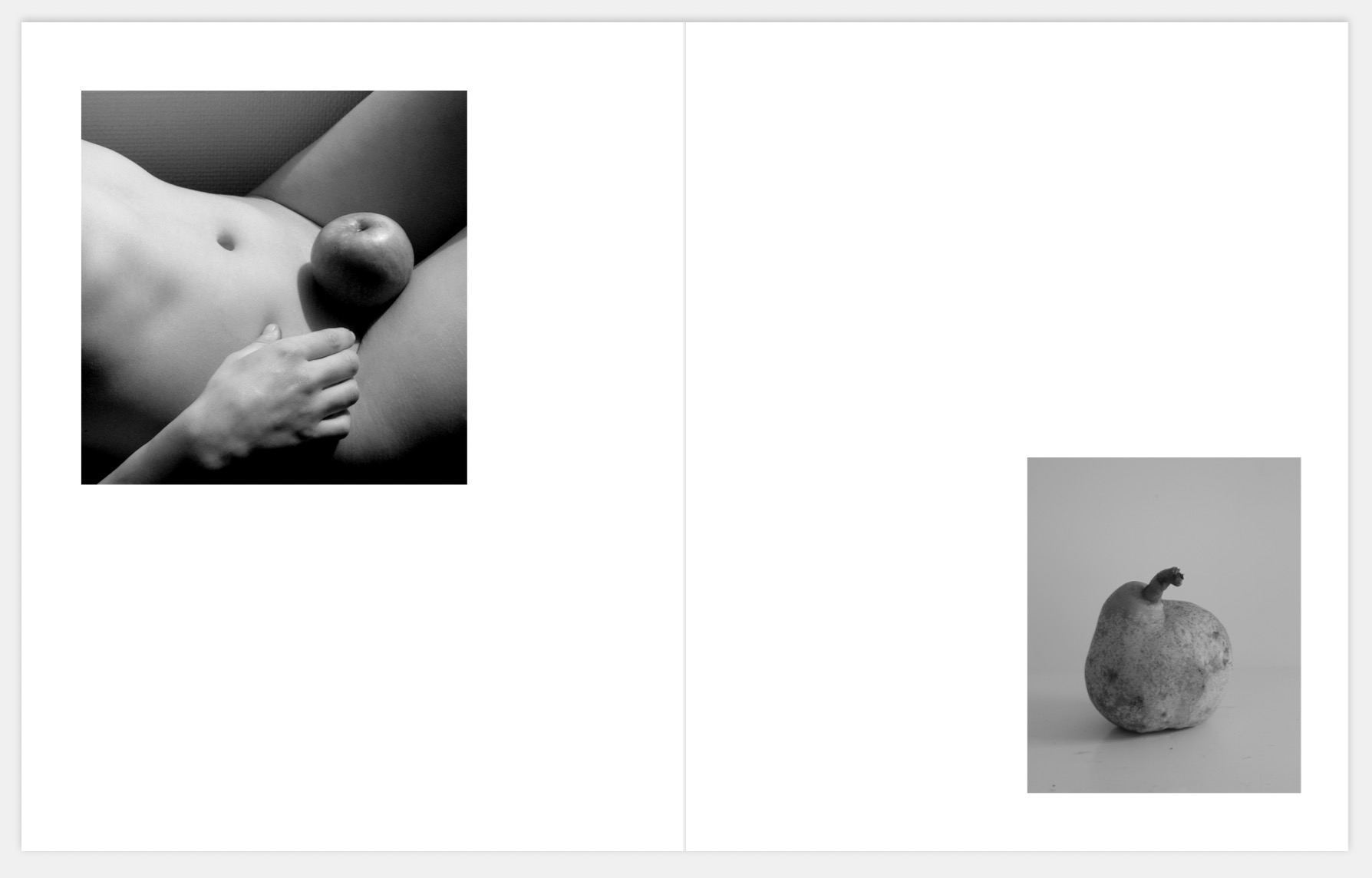
“The beating heart of Symbolik lies in the structure of the diptych, understood not as a simple juxtaposition, but as a dialectical synthesis. Lee does not just place two photos side by side; he creates a third image, a synthetic identity born from the clash, connection, or embrace of two shots distant in time and space. It is a practice of conceptual editing that transforms the book into a dynamic object, where meaning is not locked within the frame but flows through the white space between the pages.”
“Ultimately, Symbolik challenges us to slow down our visual pulse. In a world that consumes images at the speed of an infinite scroll, Lee forces us to stop before a fragment of a wall, a reflection on glass, or a body of stone. He teaches us that every vision is an ethical choice and every juxtaposition is an act of semantic creation. This book is proof that photography, when it renounces the claim of reportage to embrace the path of the symbol, becomes the only language capable of speaking directly to the conscience, transcending every geographical barrier. It is an invitation to recognise those signals – the waypoints – that, while remaining before our eyes every day, wait only for an attentive gaze to reveal the profound meaning of our shared human journey.”
My takeaway from the World Press Photo 2025 awards.
When the interpreter was holding back, choked by tears and paused her Arabic to English translation, finding it difficult to speak, I sensed this tender moment was pivotal for me in the whole World Press Photo Awards ceremony.
After all Mahmoud Ajjour, 9 lost both his arms in the Gaza war, and his portrait by photojournalist Samar Abu Elouf, from Gaza is now Picture of the Year. The interpreter continued after a coy exchange of glances with each other.
With Samar Abu Elouf.
Samar was recounting stories gained from her time spent with his family. Immediately after the attack, Mahmoud who was badly injured told his mother and sister to run for safety. He thought he was going to die.
Later a question from the fellow journalist Kiana Hayeri asked Samar if Mahmoud had seen his winning portrait which has now won a major award.
Samar said that Mahmoud acknowledged the award and was hopeful that it being seen across the world, would help bring Gaza back into focus, and also it could help his fund raising for prosthetic limbs.
She instantly received a huge applause from the audience, which was probably directed at Mahmoud.
His lifetime suffering is a burden for us all to bear. Hope through suffering. This is a most honourable gesture. His outlook is clear.
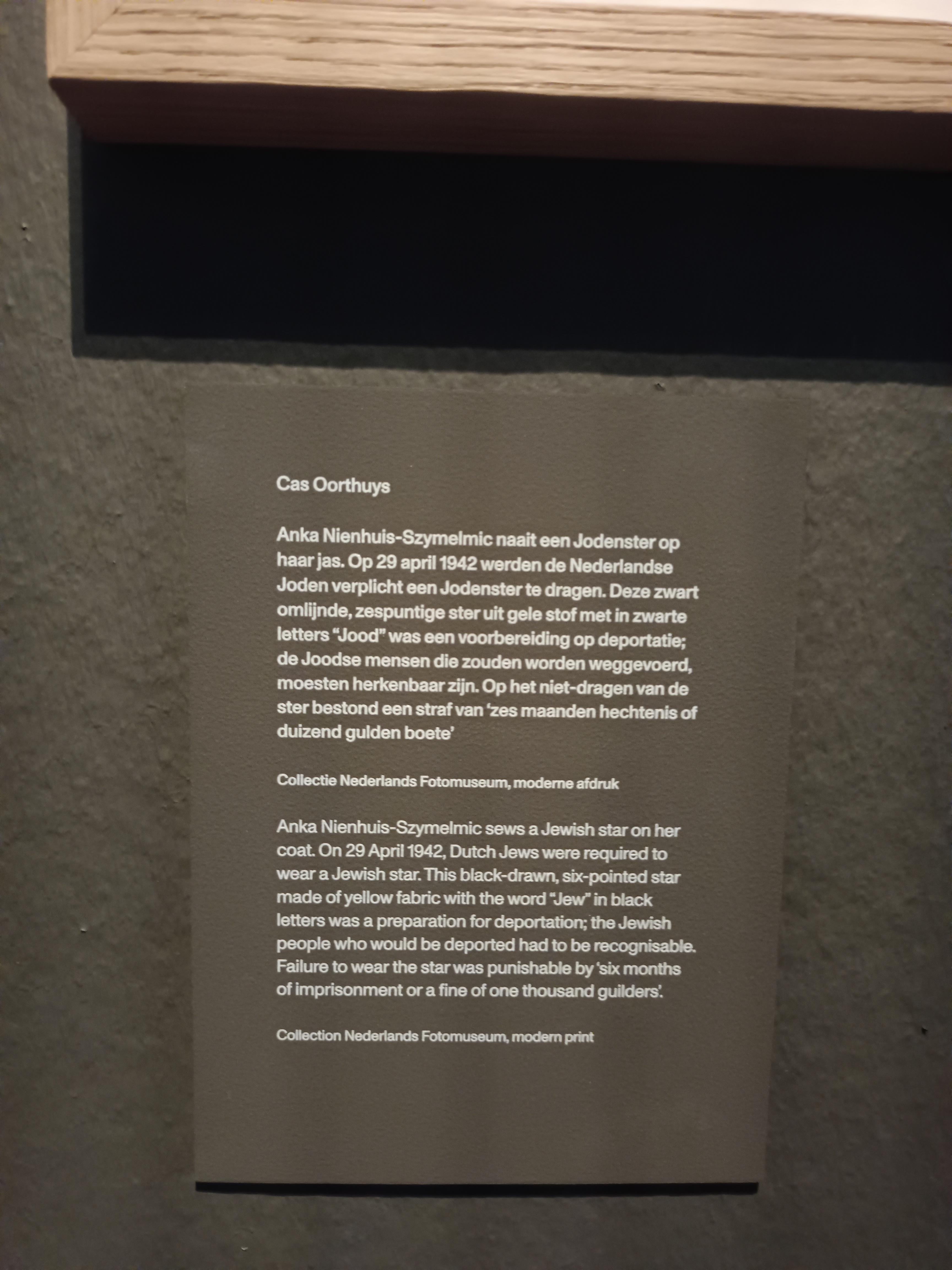
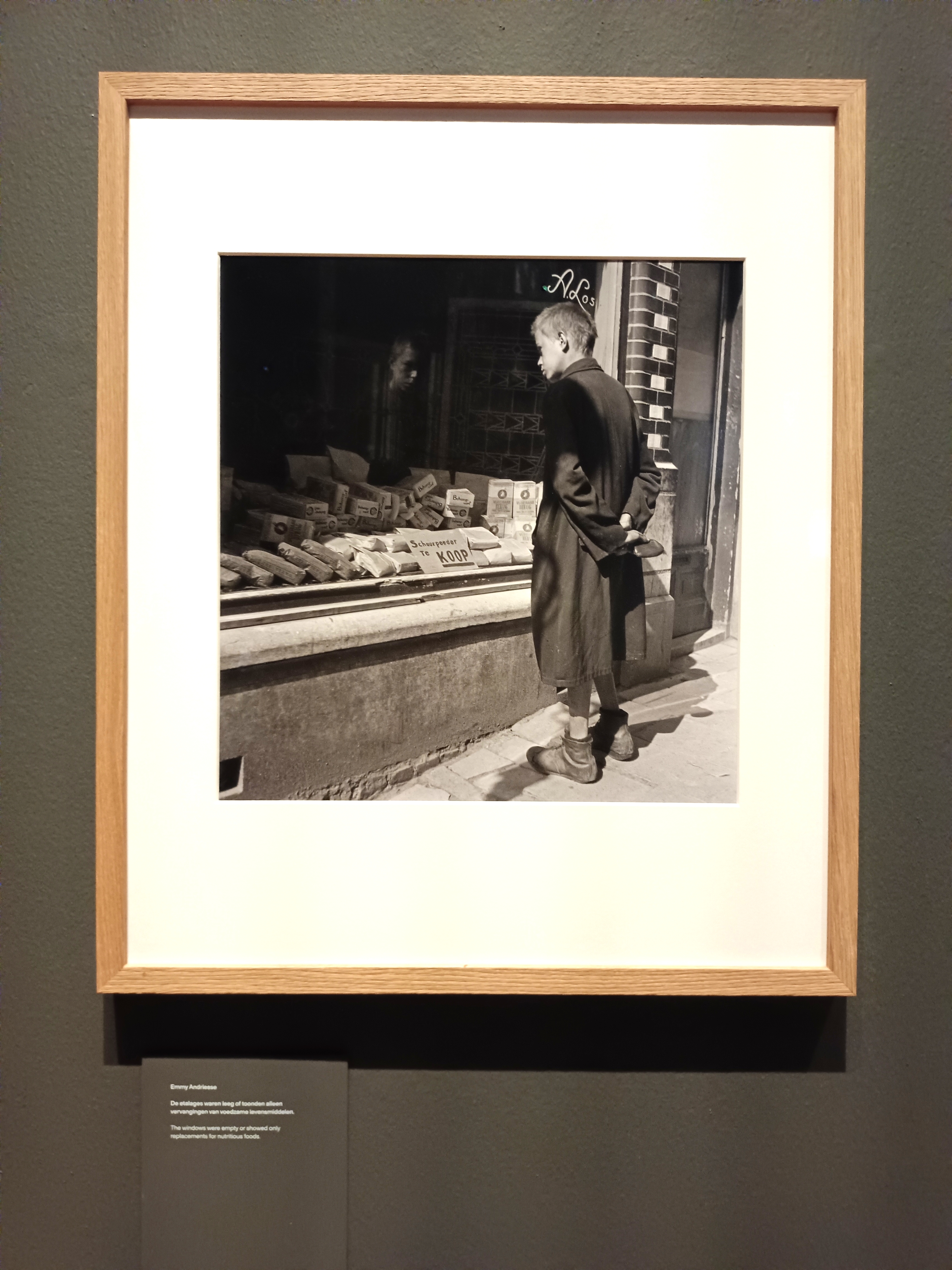
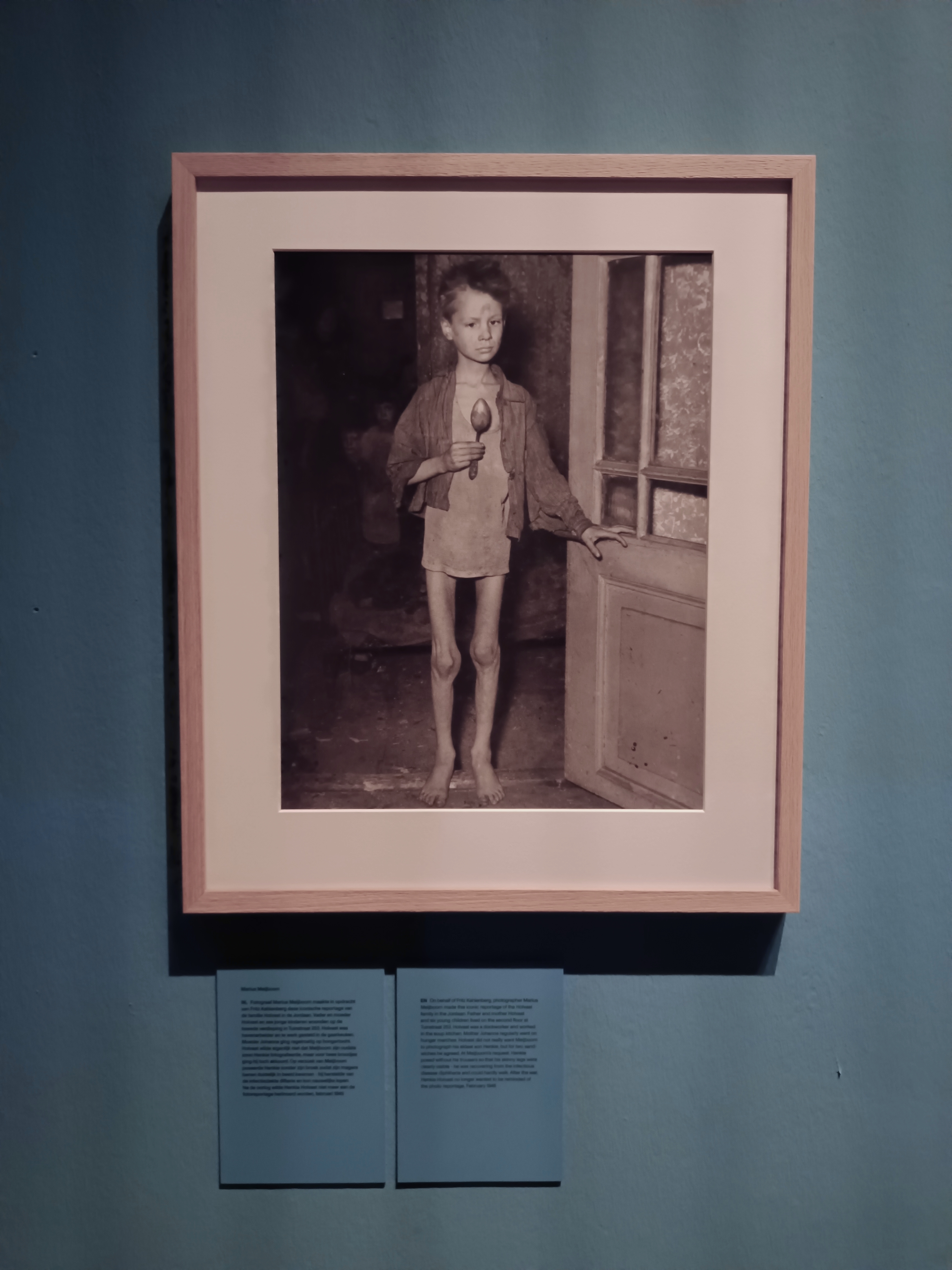
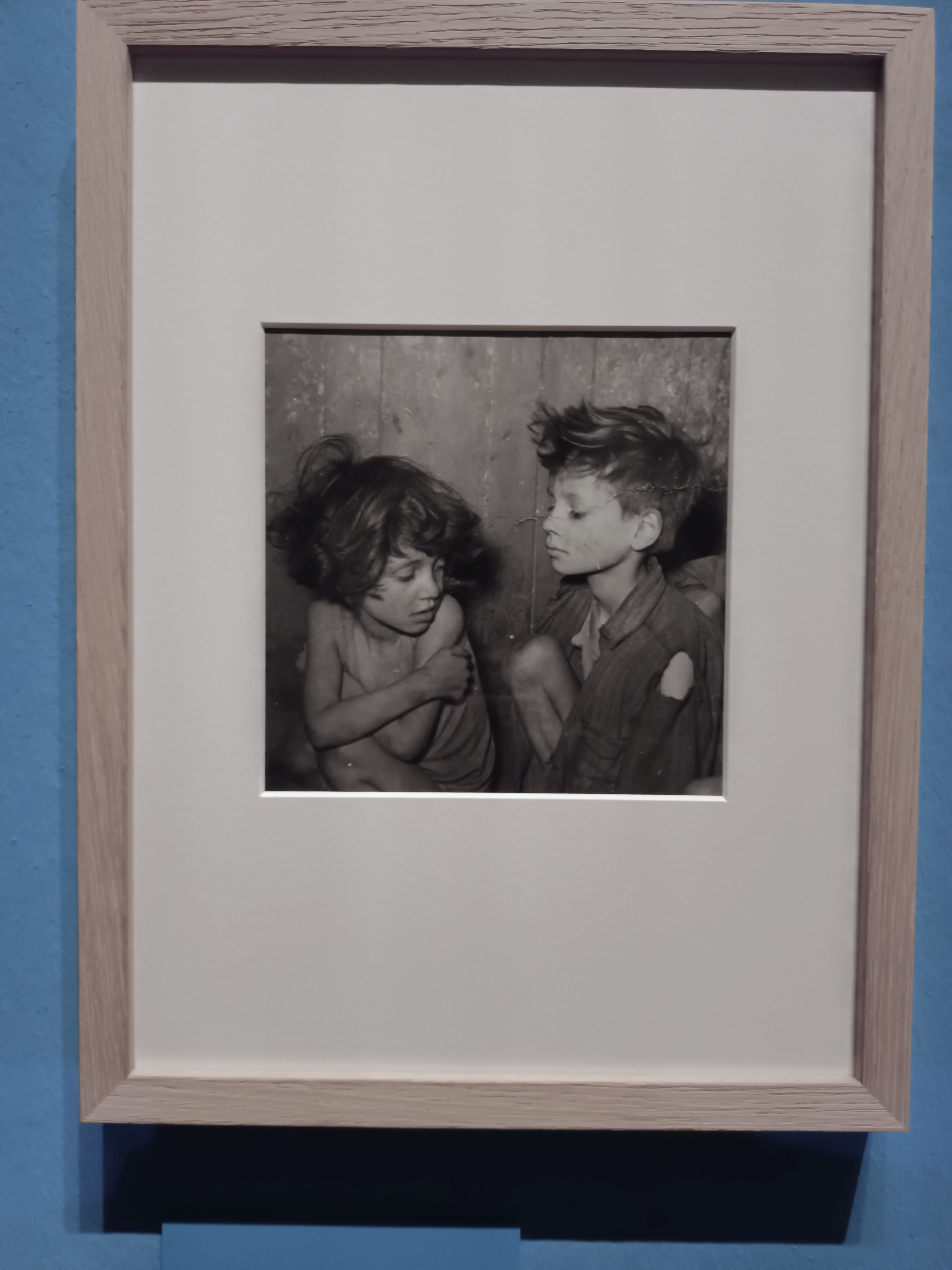
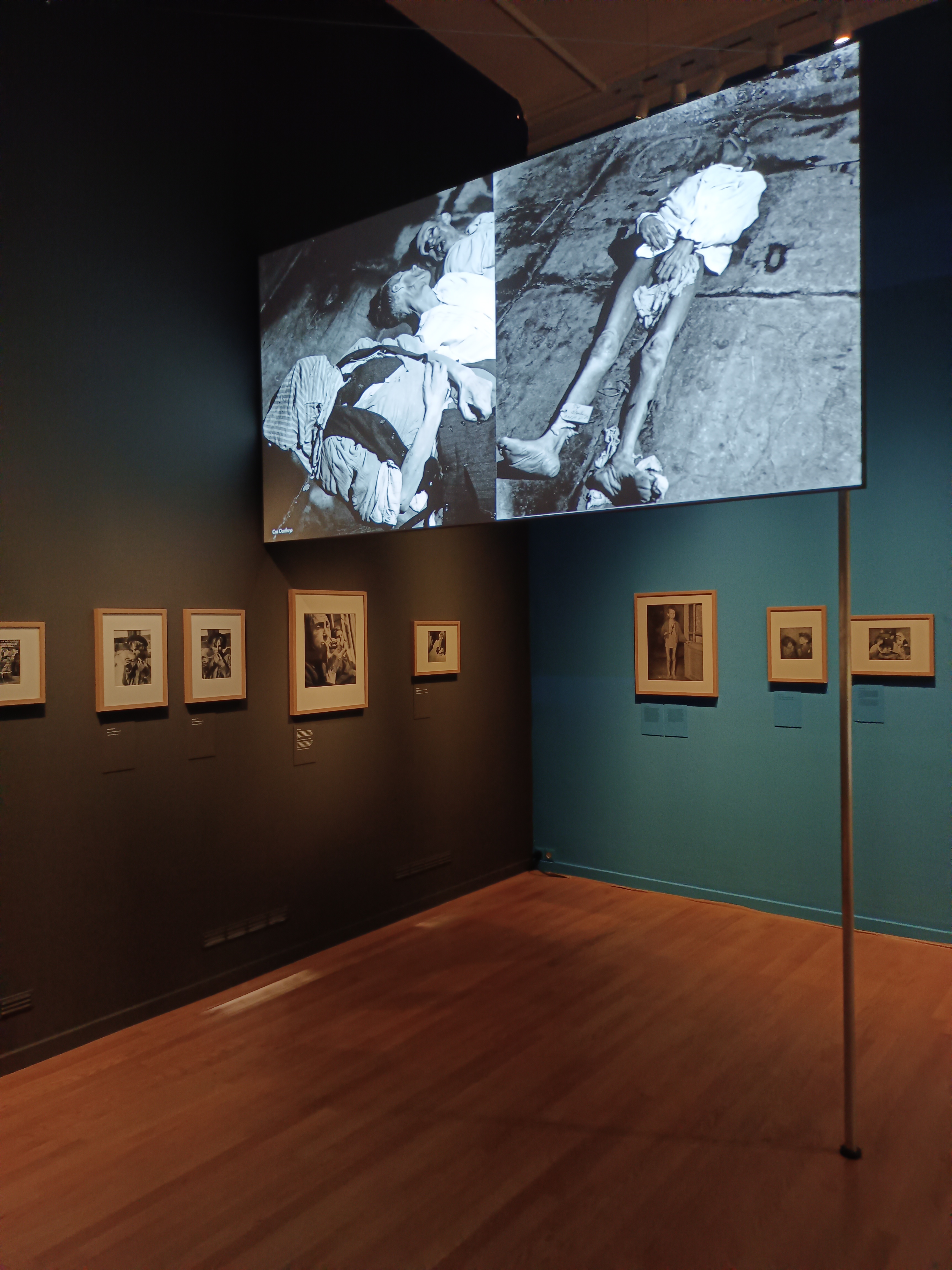
Earlier in the day, I visited the FOAM photography museum. The historical haunting images taken by a cohort of ‘stealth’ photographers towards the end of WW2 in Amsterdam, who risked their lives if caught, moved me immensely.
The Underground Camera exhibition is a powerful testimony that war and violence always affects the innocent. Families are torn apart, women and children starve or die of hunger, men are imprisoned or killed.
The picture of a hand sewing a Jewish Star emblem onto a coat to identify one’s Jewish ethnicity, as commanded by the occupying Nazis was a symbol of persecution and ultimately a death warrant to so many Jews in Europe.
These harrowing images from WW2 serve as a reminder of the inhumanity of mankind and I’m glad to be able to see them 80 years on, as archival photographs. I acknowledge the brave men and women who felt it was their duty to take these images as a record and memory of a grim time in Europe.
The Underground Camera
Is history repeating itself? Do we ever learn from history? A little boy today can only provide hope that it doesn’t.
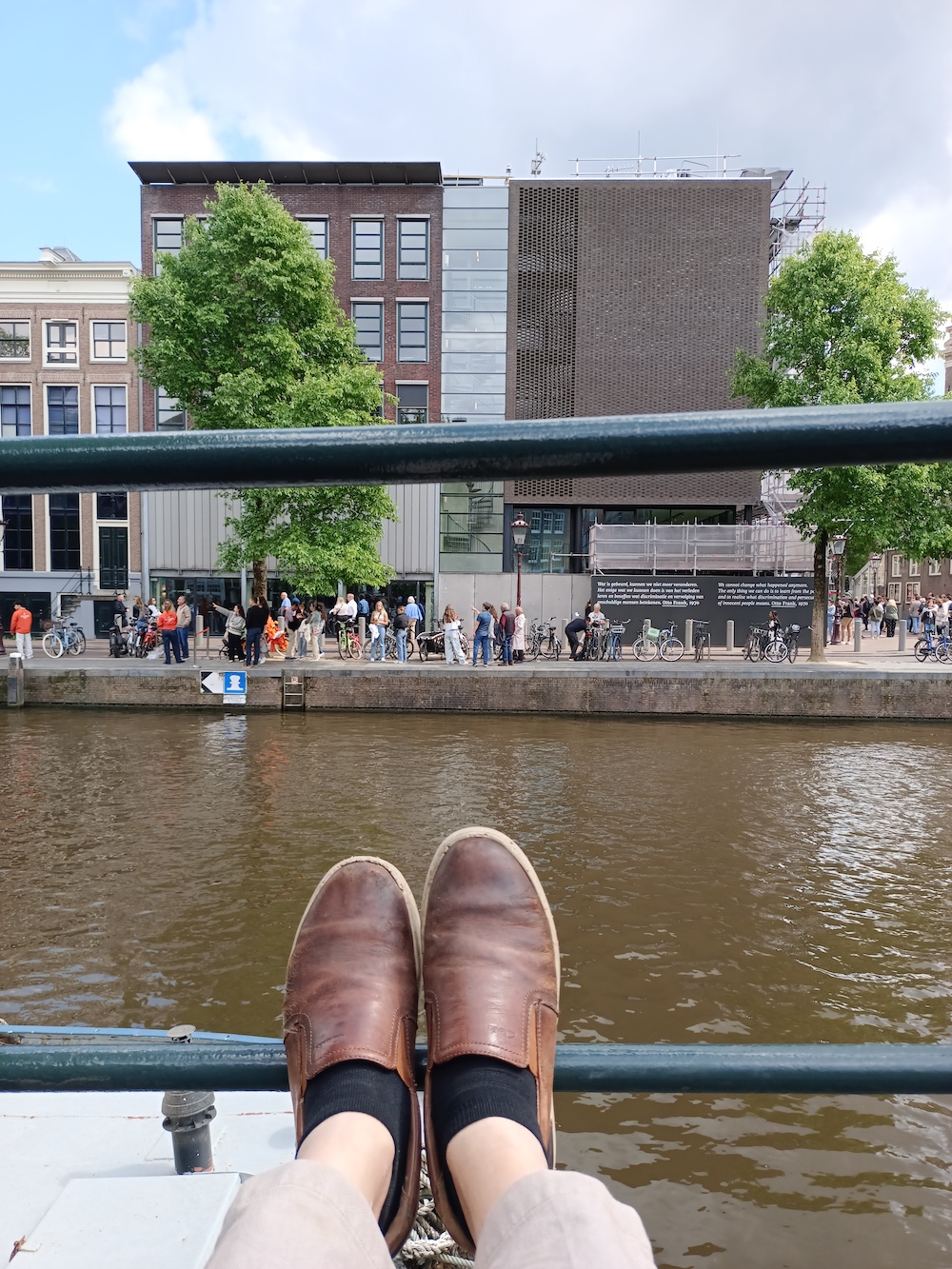
As I complete this post, I’m sitting across the canal of Anne Frank’s house, now a steel and glass structure to shepherd the thousands of visitors through the prewar home, once a secret safe space for this extraordinary story.
I cannot help but imagine the strength and courage of these young children like Mahmoud and Anne Frank, and countless innocent war victims, also Kim Phuc the ‘napalm girl’ in which she appeared as a terrified child horribly burnt, running away naked with her family from a US bombing raid. This famous image is now the subject of an authorship dispute.
Who are the aggrieved and who are the aggressors? Peace is fragile.
PLEASE HELP NOW. In 2010, I ran an appeal for donations for the Pakistan floods in return for free prints and managed to raise a few hundred dollars for dec.org.uk, thanks to your generosity. In 2022, KLPA donated 100% of its entry fees of $5,000 to the plight of Ukrainian refugees feeling war. Today, we cannot sit idly by at the growing humanitarian crisis in Gaza.
I have made available a selection of prints from my archive and from colleagues and friends who share a similar urgency and concern as photographers at the deteriorating situation in the Middle East.
Three simple steps
1.Donate : Simply donate (any amount) to any legitimate registered charity that has pledged or is on the ground to supply medical, shelter, water and food to the needy, eg. dec.org.uk, Oxfam, MAP, ICRC, MSF, Mercy Malaysia and others.
2. Confirm with receipt by sending a pdf or screengrab with your postal info on this form or to info@explorenation.net , with your name and address and choice of image.
3. Receive a free print : Your choice of a 10″x 8″ print will be posted to you as soon as possible.
AMIRUL JOHARI Malaysia | Amirul is a hobbyist street photographer who captures the facets of street life around Kuala Lumpur and the wide spectrum of cultures in Malaysia. @mirulstreet
AISHA NAZAR Malaysia | Aisha Nazar is a documentary photographer whose work focuses on stories of community and self-identity with a personal interest in narratives on the diaspora. @aishanazar
STEVEN LEE Malaysia | Steven is the blog owner and is the founder-director of KLPA, co-founder of Exposure+ Photo festival. He is a regular portfolio reviewer and serves as a jury in several international photography events. @stevenvllee
BALQIS TAJALLI Malaysia | Balqis Tajalli, the founder of Studio Sunprint, specializes in a cameraless photographic process called cyanotype, where she focuses on creating nature-inspired works. @studiosunprint
NADIRAH ZAKARIYA Malaysia | Kuala Lumpur-born and NYC-trained photographer, Nadirah Zakariya received her BFA in Photography and Digital Imaging from the Fashion Institute of Technology in New York City and is currently based in Kuala Lumpur, Malaysia. Nadirah is an internationally published and exhibited independent photographer. @nadirahzakariya
The theme of sisterhood is a recurring theme in Nadirah’s works, from Daughters Ago (2010) to GIRLHOOD (2016). The works explore a connection that cannot be described, but one that is understood. The wonders of the relationship between sisters and the strong bond that they share together. Images of daydreams, hopes, fears, secrets and the layers of emotions shared between sisters are depicted, honouring the magical ties shared between one another. For Sepat Sisters, this theme is depicted through floral arrangements as an homage to the relationships forged during the Art Girl Rising artist residency – an all-women artist residency in which these photographs were created in 2020.
ANTONIO FACCILONGO Italy | Antonio Faccilongo is an Italian documentary photographer, filmmaker and photography professor. He is a Fujifilm X-Photographer ambassador and is represented by Getty Reportage. He focuses his attention on Asia and the Middle East, principally in Israel and Palestine, covering social, political and cultural issues. @antonio_faccilongo
PRESTINE DAVE KHAW Malaysia | Prestine Davekhaw dedicates her years to documenting cultures that are disappearing in the face of technological advancement and rapid cultural shifts. Founder of @disappearingjobs
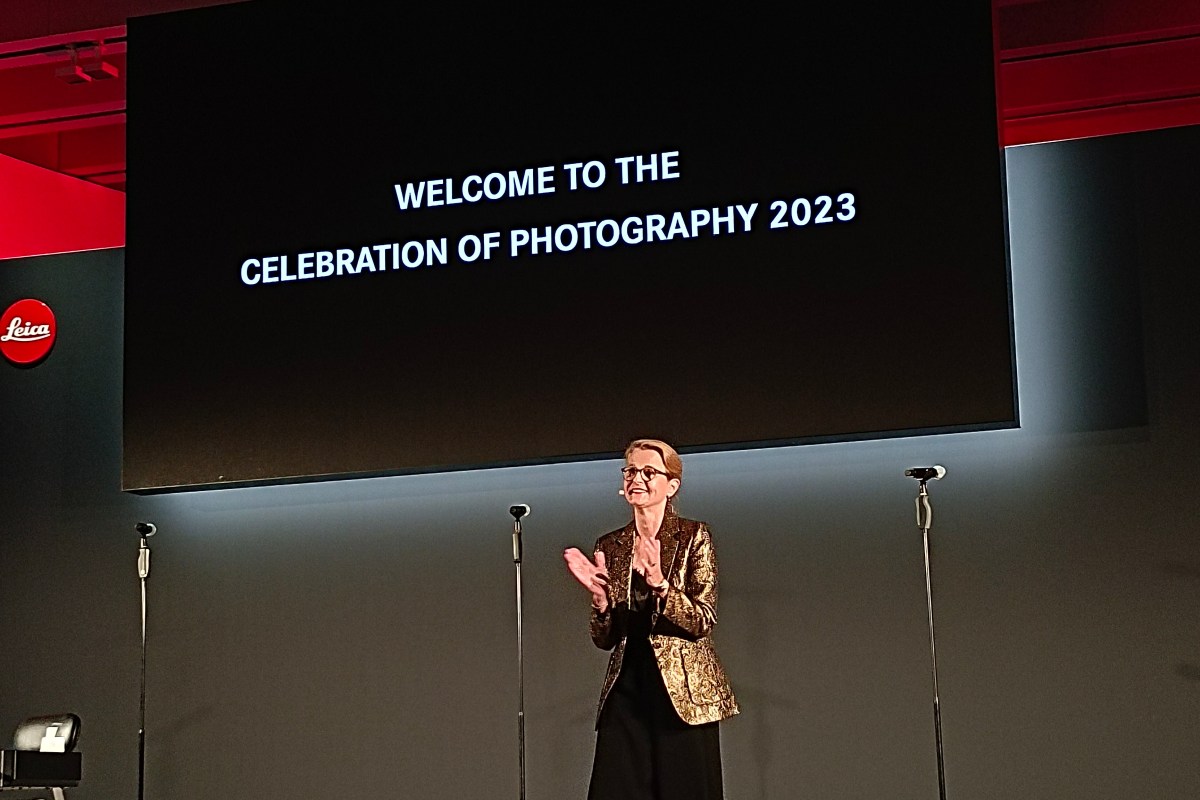
Certainly of the highlights for me this year, apart from celebrating the 15th anniversary of KLPA and being in Kuala Lumpur to organise Exposure+ Photo 2023 was to be invited to the Celebration of Photography 2023 by Leica in October. This was my second trip to Leitz Park to witness the announcement of the LOBA winners.
The Leica Oskar Barnack Award is one of the photography industry’s most prominent awards dedicated to documentary photography and I am honoured to be a nominator for the past few years. This year’s winning projects had a distinct artistic aesthetic over the previous winners in my opinion and perhaps it is a broadening of the photographic vision to be more inclusive to a wider audience. Nevertheless, the winners works had serious underlying narratives that challenges the typical journalistic approach of documentary photography and again, it comes back to the core of contemporary practice which is portrait photography and the importance of the human story.
At a time where the consumption of social media images takes mere seconds, we can be grateful to the jury for allowing us to delve closer into these projects and come away with a deeper understanding of the photographers intentions.
A sense of place
Tourist police at the Cox’s Bazar Beach.
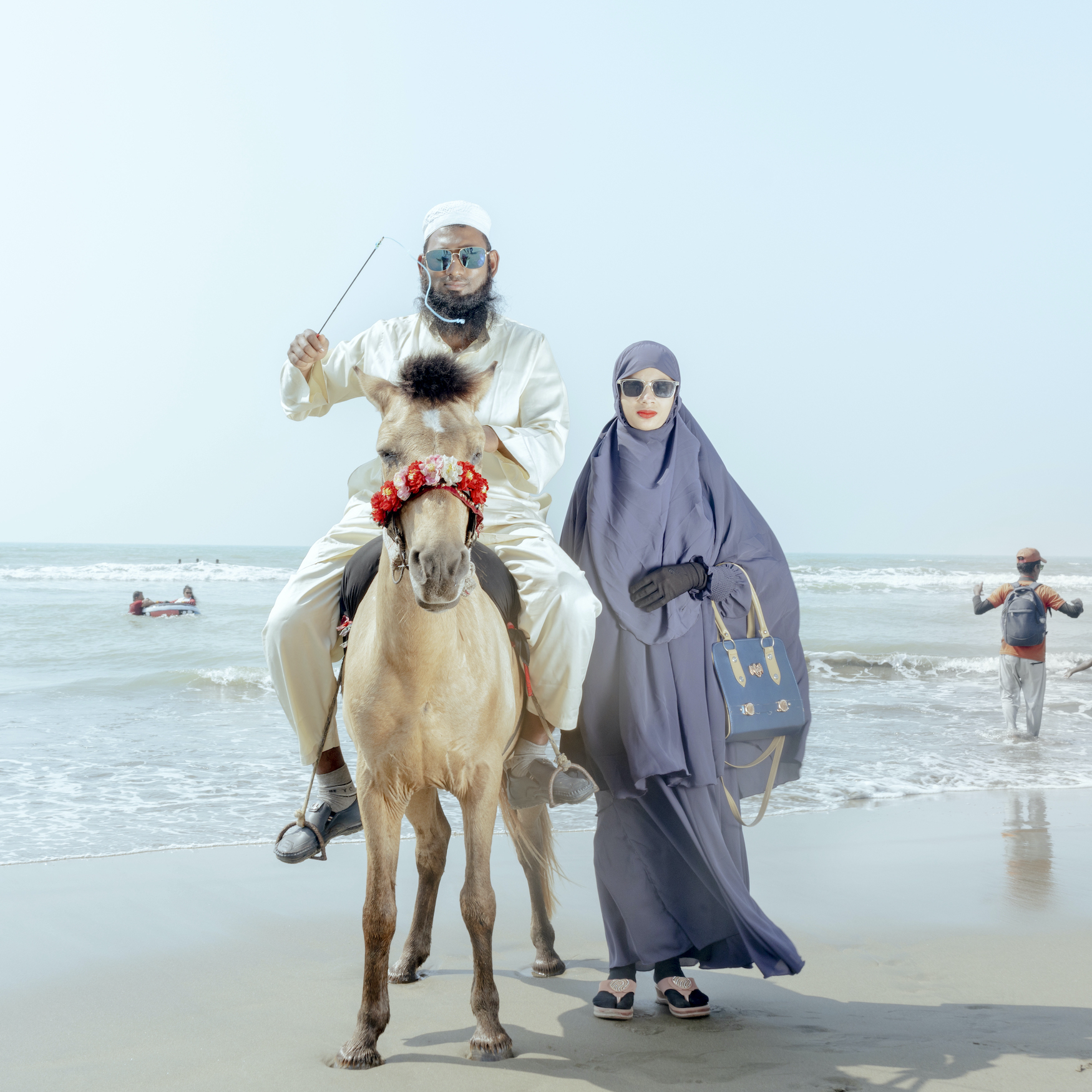
Ismail Ferdous, the winner of LOBA 2023 with his series titled ‘Sea Beach’ is a portrayal of beach goers at the famous Cox Bazar coastline in Bangladesh. Photographed whimsically at midday and with artificial light over winter months in the past 4 years the portraits are layered with humour, elements of consumerism, friendships, family moments and a touch on climate change. As a photojournalist, Ismail is well aware of the infamy of Cox Bazar as one of the world’s largest refugee camps which lie a few kilometers away. This subtle reference to both extremes – the enjoyment of a place vs. the internment of a persecuted people – the Rohingyas; the former celebrated as colourful portraits, the latter unseen in the series, is a disconnect to the unsuspecting viewer but a powerful reminder of how photography can be selective in the depiction of reality.
A couple poses for a picture at the Cox’s Bazar Beach.Cows at the Cox’s Bazar beach.
Estranged generation
Ziyi Le wins the Newcomer with his series New Comer. Self-doubt and emptiness compelled Ziyi to begin a project to connect with and document Chinese youths that shared his emotional state, his kindred spirits. Reaching out to anonymous individuals via social media, he quickly found his subjects in the form of over 40 estranged youths from which he formed friendships to gain trust to photograph their intimate moments.
A popular fashion blogger. Hangzhou, China 2021.
“How can you capture feelings in pictures? What does a face say about a person’s emotional state? And, are there really feelings that unite and move a whole generation?” Ziyi’s intimate portraits have a sense of self and calmness about them. These youths although seemingly feeling lost and engulfed with emptiness shows perseverance and hidden determination. Ultimately, it is a reflection of Ziyi’s quest to understanding his personal emotive state through the discovery of others in similar circumstances. It is often said that a portrait is a reflection of the sitter as well as the photographer.
A Chinese-Italian studying in China. Hangzhou, China 2021.A young couple. Hangzhou, China 2021.
More than the pursuit of the perfect image, it is an obsession to see more, understand more, and encounter more.
Photography is a journey to discover what exists, and can exist, if we see with our hearts and feel with our minds. Writers write and artists paint, starting with a blank canvas. With photography, the difference is subtle. We start with a canvas that is already full of life and colour. It is as real as it gets. Photography, by its very definition, cannot exist without light as there will be nothing to photograph.
I’ve immersed my entire adult life in this magic light trick, and now I take a step back. Long flights and drives allow me to think. Having just completed co-organising a third photo festival, even if it’s a minor one in comparison to others I’ve been to, I cherish the high moments and dread the lows. But there is no middle ground. It comes as a package deal.
The connections I’ve made in the name of photography over the past years have been fulfilling and rewarding. It has brought me to far flung places and closer ones to, meeting incredibly talented artists and wonderful people who are open minded and dedicated to the practice.
I’ve reviewed countless portfolios and continue to do so, and nominated artists to international awards. The takeaway I’ve learnt from all this is, there are stories to be told. Every photographer wants to tell a story. Even if it’s just one incredible image, without a story the image just hangs on the wall soulless.
The audiences to these are picky and may not be all too appreciative, however. It is very easy to overlook and brush less striking work aside and go for the visually popular images. After all, today’s society prefers repetitive and spoon-fed visuals that are easy to understand, aesthetically pleasing and requires no thinking. We like ‘hi-fi’ photography, where bass and treble are set to the maximum, loosing the subtleties and nuances in between.
I started KLPA because I am interested in the face and how every portrait is a reflection not only of the sitter, but the photographer as well. We just celebrated the 15th back-to-back edition of the KLPA and therein lies a dilemma. Is interest waning? At times I feel a responsibility towards the photo communities, to its followers, and to the past winners, to retain KLPA’s vision and standards, year in and year out. This is not easy to maintain. I have good years and lesser ones. Ebbs and flows. 2023 was a good year. The finalists received record worldwide views. But there is a constant fear that KLPA is not being sufficiently visible, especially locally. Perhaps it’s just my expectations on what I would have liked it to become.
Similarly as festival organisers, do we alienate certain interest groups to the benefit of others? Or do we keep to our mission and yet be inclusive. Like an ocean liner, once the course is charted, we set sail, avoiding the icebergs along the way. And the people we cater to are the paying passengers. Or do we pick up new passengers along the way and explore new destinations?
I photograph less nowadays. Perhaps I have no stories to tell, yet I have unfinished projects that need to be completed and these are being put off year after year. There are always stories to tell.
Solo photography exhibitions are rare in Malaysia, but there is one happening right now on the outskirts of Kuala Lumpur at Temu House, a private event space. Nadirah Zakariya is a friend, colleague and fellow artist and I’m gutted for not being able to attend her first major solo. Feeling Feelings Makes Me, Me is a collection of recent and new works by this artist extraordinaire, who literally pours her heart out and gives 110% in everything she does, which I can personally vouch for.
Not really a review but an overview from a distance, the exhibition stars all her lockdown-inspired floral studies which are stunning and already well known internationally, as featured in the 2022 Flora Photographica publication by Thames & Hudson and in European Photography 107/108 Magazine 2020.
There are over 40 works distinctly split into three narratives, the first being floral arrangements and close-up studies in various forms, and the second series is self-expressive hand portraits bedecked with colourful sequins and jewels that are an exploration of her coming to terms with vitiligo. It is the third series, Andartu, (consisting of I to IV henna and jawi-decorated hand-palm portraits ornamentally framed with floral decor and beads from wedding shops I found to be most intriguing and revealing in Nadirah’s thought processes putting up this solo, I feel. Again, it’s the ‘feeling’ that viewers will see, but her innermost thoughts are outwardly expressed in these pieces.
“Art is a process, honour the process, the journey matters too” holds true in her work.
Do pay the exhibition a visit as it’s expertly displayed and no doubt visitors will be surprised by the entire sensorial production. Don’t miss it!
Visited the Wicklow Mountains, Ireland, just south of Dublin last weekend, the landscape is not unlike that in Scotland or the Moors in Yorkshire. Heather survives the harshest elements Mother Nature can throw at them.
Like waiting for the proverbial London red buses, sometimes they come in twos at once, and here is my second Featured Artists post in a week! Whilst still fresh from my visit to the Leica Oskar Barnack Award in Wetzlar last week, I thought I’d write about Valentin Goppel’s (b.2000) winning series “Between The Years”. Valentin was awarded the LOBA2022 Newcomer Award of a Leica Q2 and 10,000 Euros and I’m so glad to have met with him and listen to his answers at the press conference.
“Between The Years” is a photo project that started out of the Covid-19 pandemic in 2020 when many nations and cities, including Germany declared lock-downs on its population. Valentin photographed the daily lives of his friends and explores how the pandemic affected them, and himself, and how their future had been effectively put on hold, the affects of uncertainty from normal activities to one of boredom and routine.
“If I can’t do justice to an objective truth, then maybe a subjective truth. So, in the end, I tried to capture by own perceptions of recent years, with all the means that I have in front of the camera.”
SL : I read that you used a Pentax 645D camera for your series. How much did the format of the camera influence the way you photographed?
VG : The Pentax is a very slow and bulky camera, it affected my approach by its sheer impossibility to do proper snapshots. So it slowed me down, making me be even more concentrated on finding the right way to break down the scene.
SL : How much harder (or easier) was it to photograph your friends and family, as opposed to strangers in the way you did, as an observer and a participant.
VG : Knowing that I can only picture my own reality, taking pictures of my friends was a lot easier than photographing strangers. It was especially helpful- because picturing my friends showed me I was not alone with the hardships of the pandemic. The only difficult thing about photographing the known surroundings is to still see them as special.
Over the last 2 years, I have seen many photo projects on the effects of the pandemic – the isolation images, vacant urban scapes, lonely figures shot through windows. or experimental self-portraits. “Between The Years” is a young photographer’s attempt to ‘square his circle’ and come to terms with the rising pessimism for the future especially in the youth of today. By being a participatory concerned observer in his series his images become subjective and at times, some of his pictures were staged or reenacted. I find this approach interesting – many photographers often stage still life or fashion portraits – but this series poses an important question about what is essentially and artistic environmental portrait project as opposed to photo documentary work. Valentine acknowledges that :
“I have doubts about the possibility of photography being objective. Knowing that my perception is very subjective, and that claiming to photograph a work that universally captures the experiences of an entire generation is something I can’t possibly live up to, I eventually distanced myself from this claim. The project quickly became more subjective; in the meantime, it has primarily become a way to process my own feelings from these recent years. Luckily, many people also recognise themselves in it.”
Valentin’s series has a closeness to it, the portraits are intimate and also casual but well composed and lighted, and the LOBA jury loved it. I concur.















 explorenation.net ~ photography posts, workshops, writings and thoughts by Steven V-L Lee
You must be logged in to post a comment.