Full circle – Gathered Leaves & Influence and Intimacy

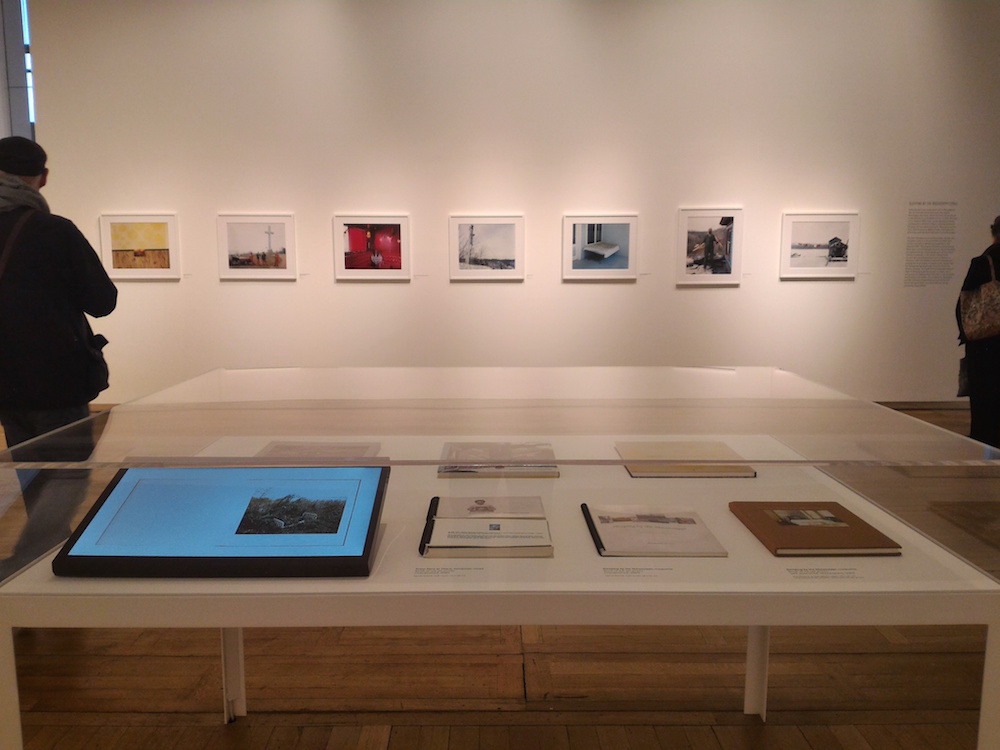
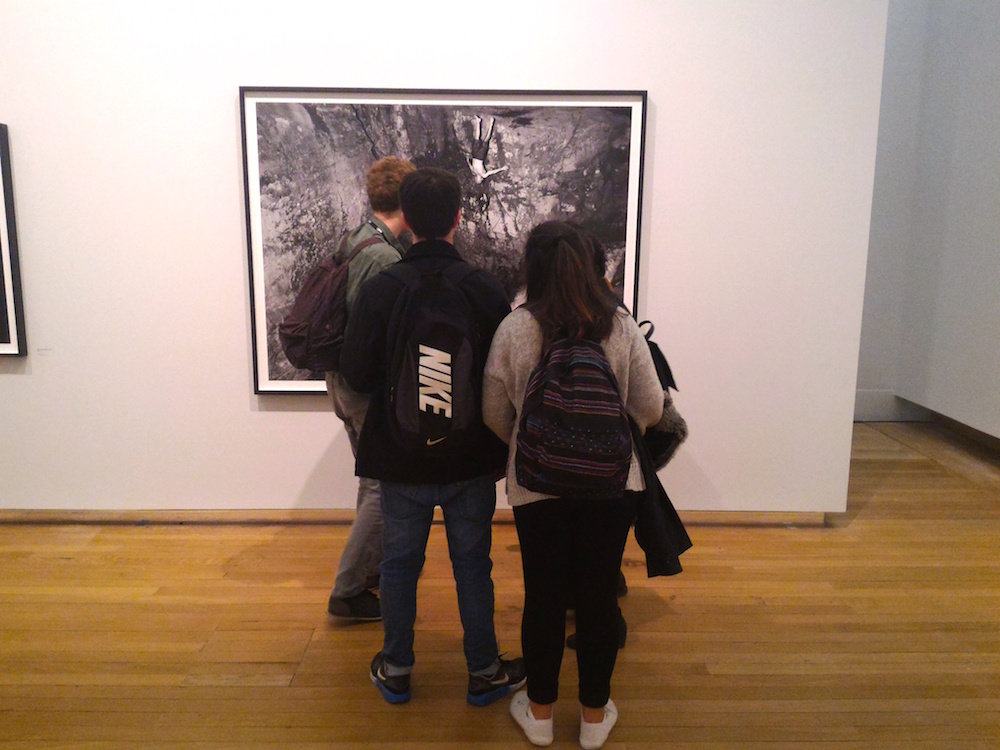
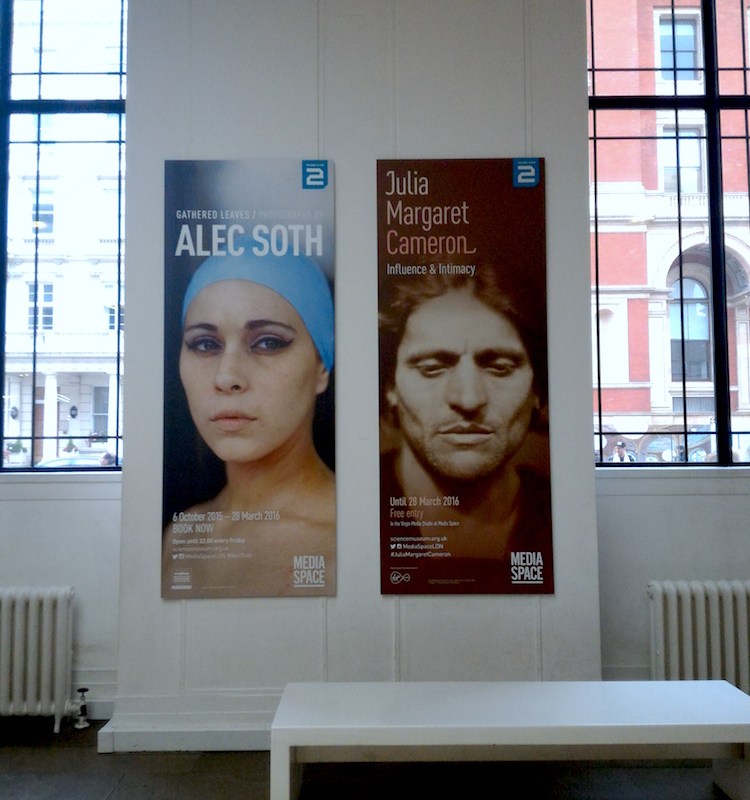
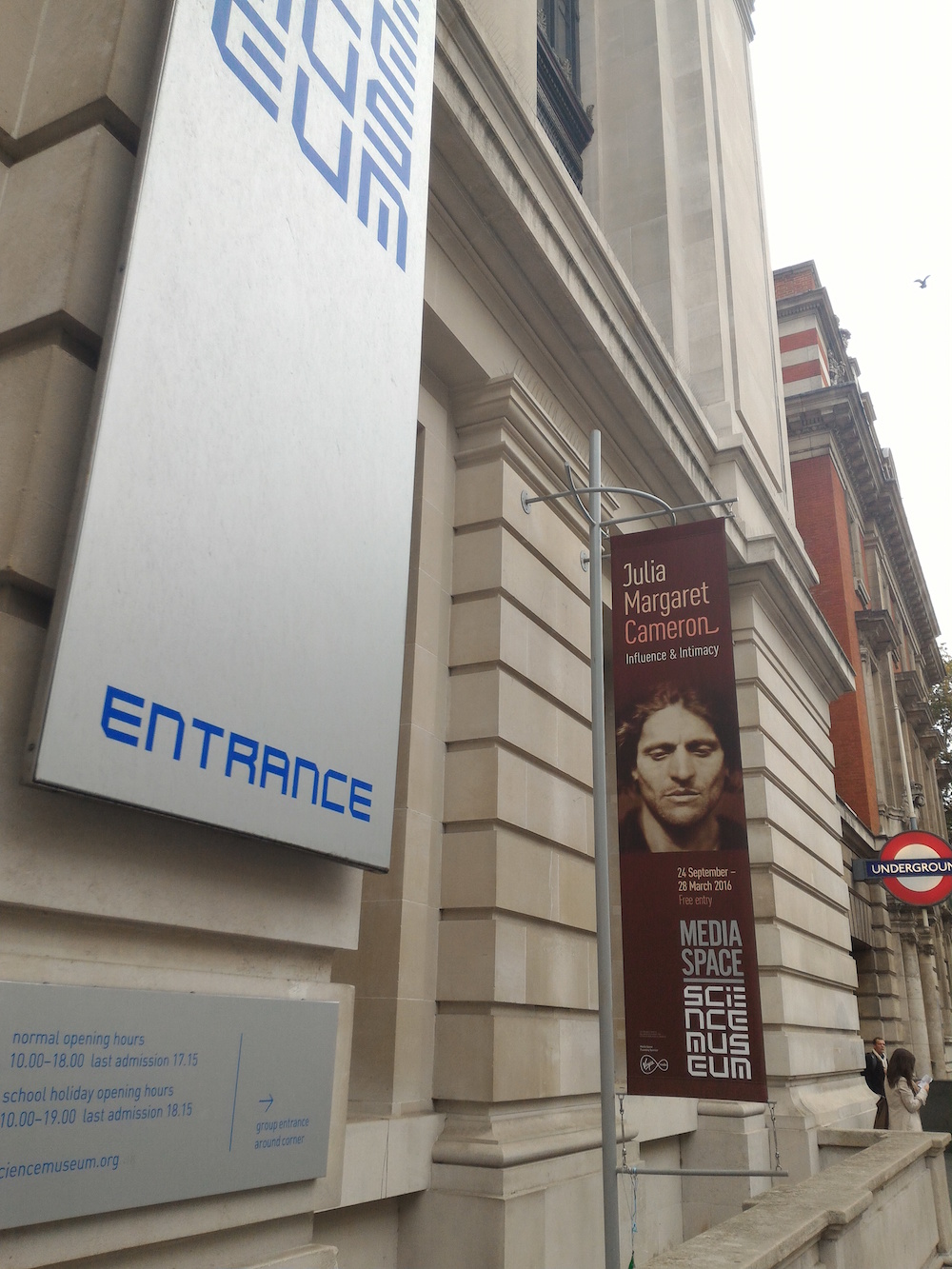
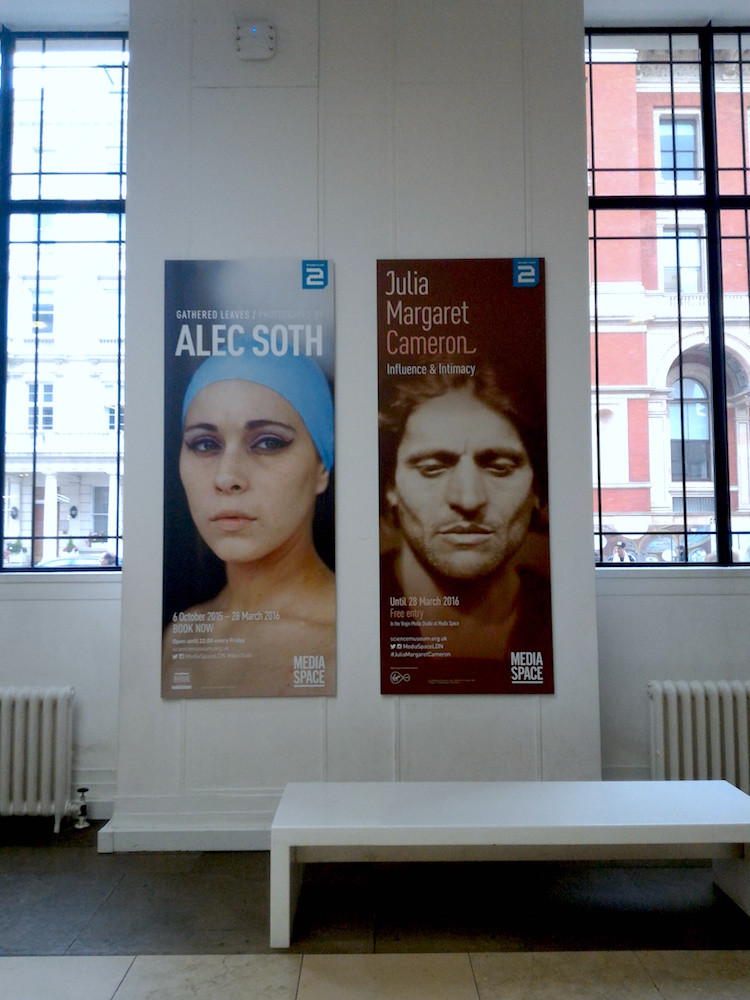
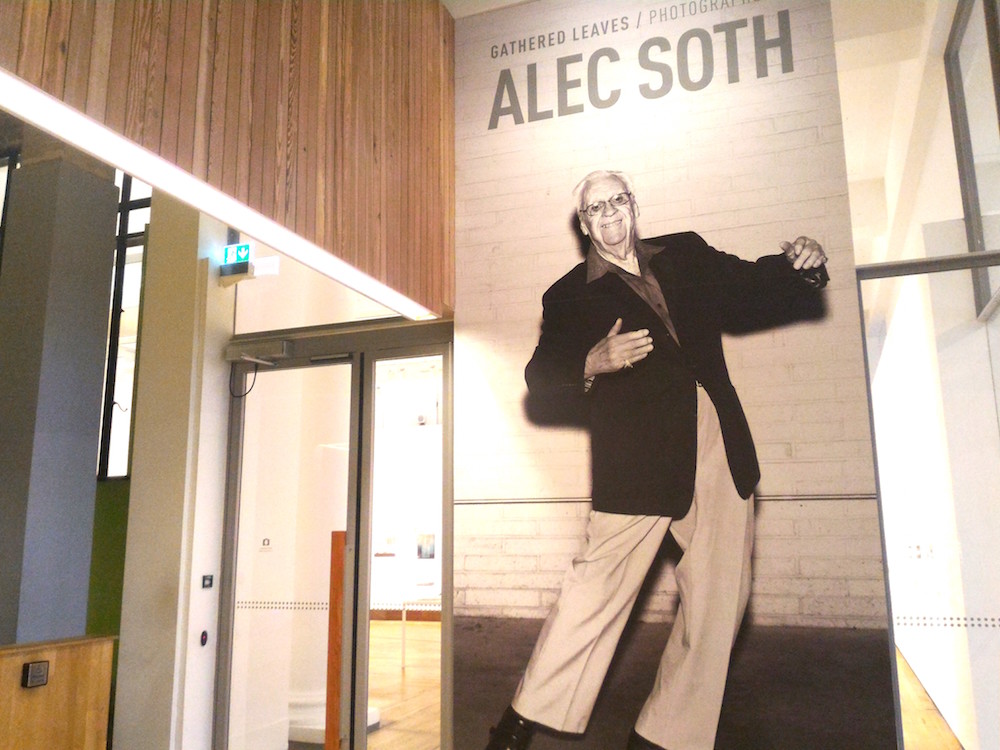
One can hardly miss the hundreds of posters around London of the blue swim-capped headshot of ‘Misty’ promoting Alec Soth’s Gathered Leaves exhibition at the SCIENCE MUSEUM in South Kensington.  I spent Monday afternoon at this rather unorthodox museum (as far as photography goes) to visit Gathered Leaves and also, adjacent to it on the same floor, Julia Margaret Cameron’s Influence and Intimacy, a tribute to this quintessential English woman photographer, marking the 200th year of her birth.
Jpeg

Two major exhibitions, side by side, with some 150 years of photography practice in between. I could say that these twin shows actually form a full circle in photography, from the invention of the medium, the processes and imaging styles of the early pioneers, to a very creative, storytelling contemporary approach using a modern camera. Both artists essentially documenting what they have seen, who they have met and where they have been through the printed image.

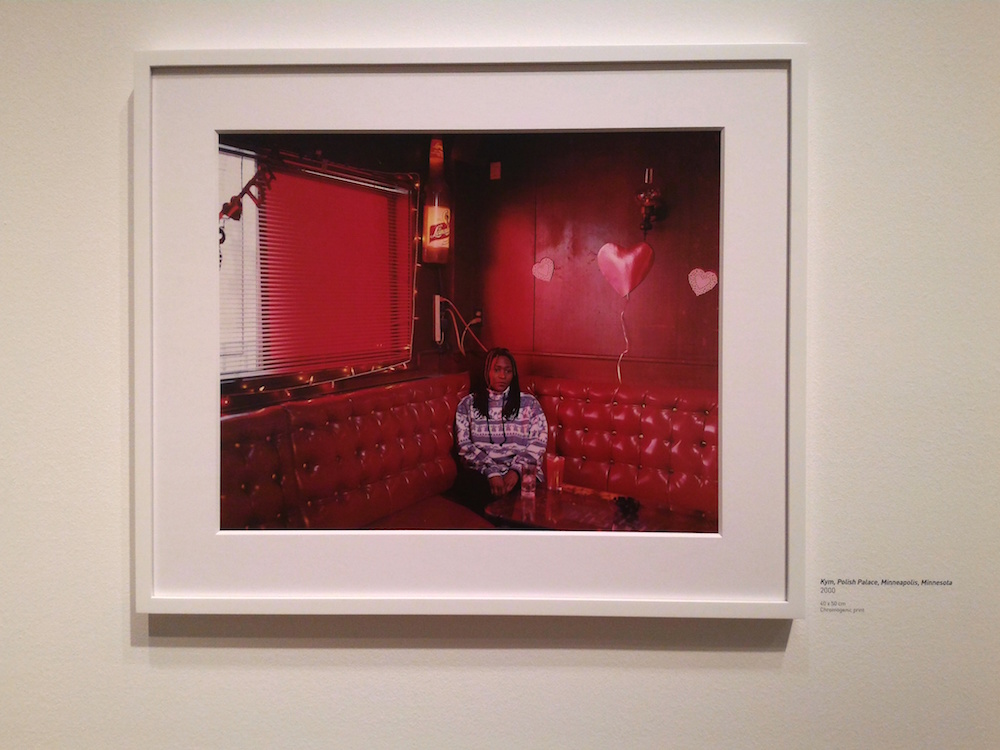
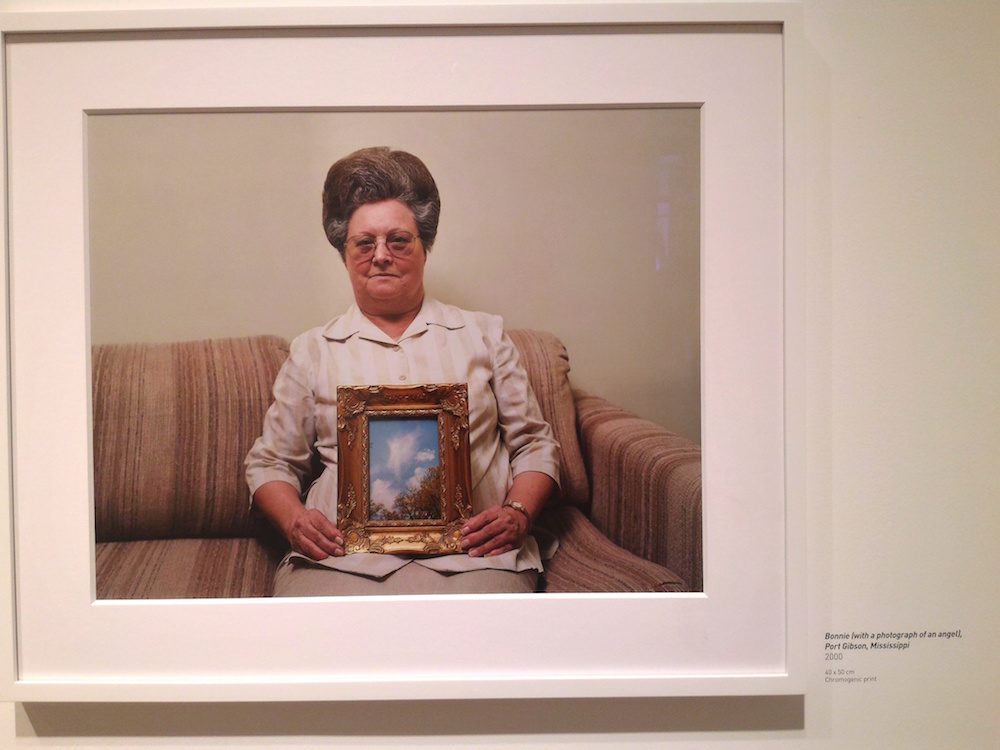
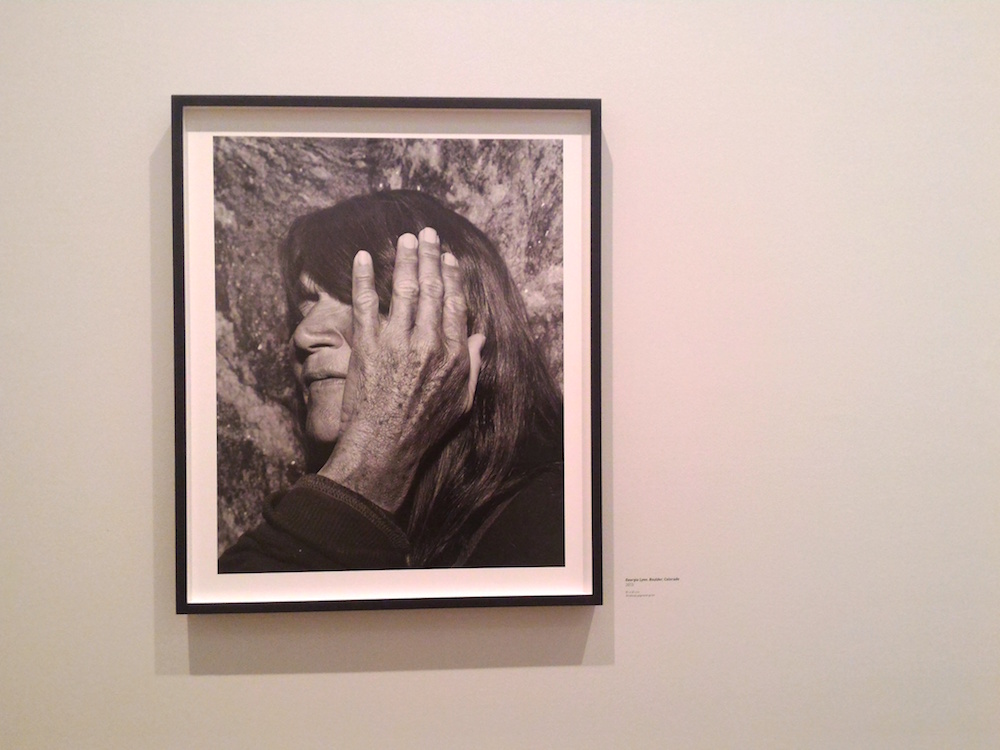
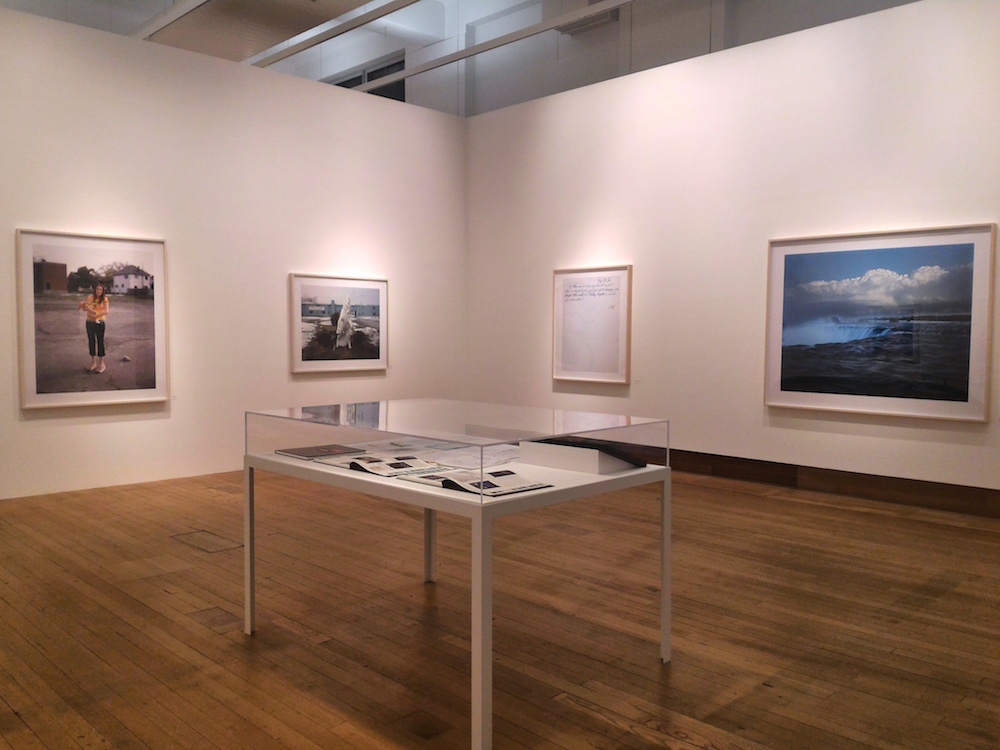
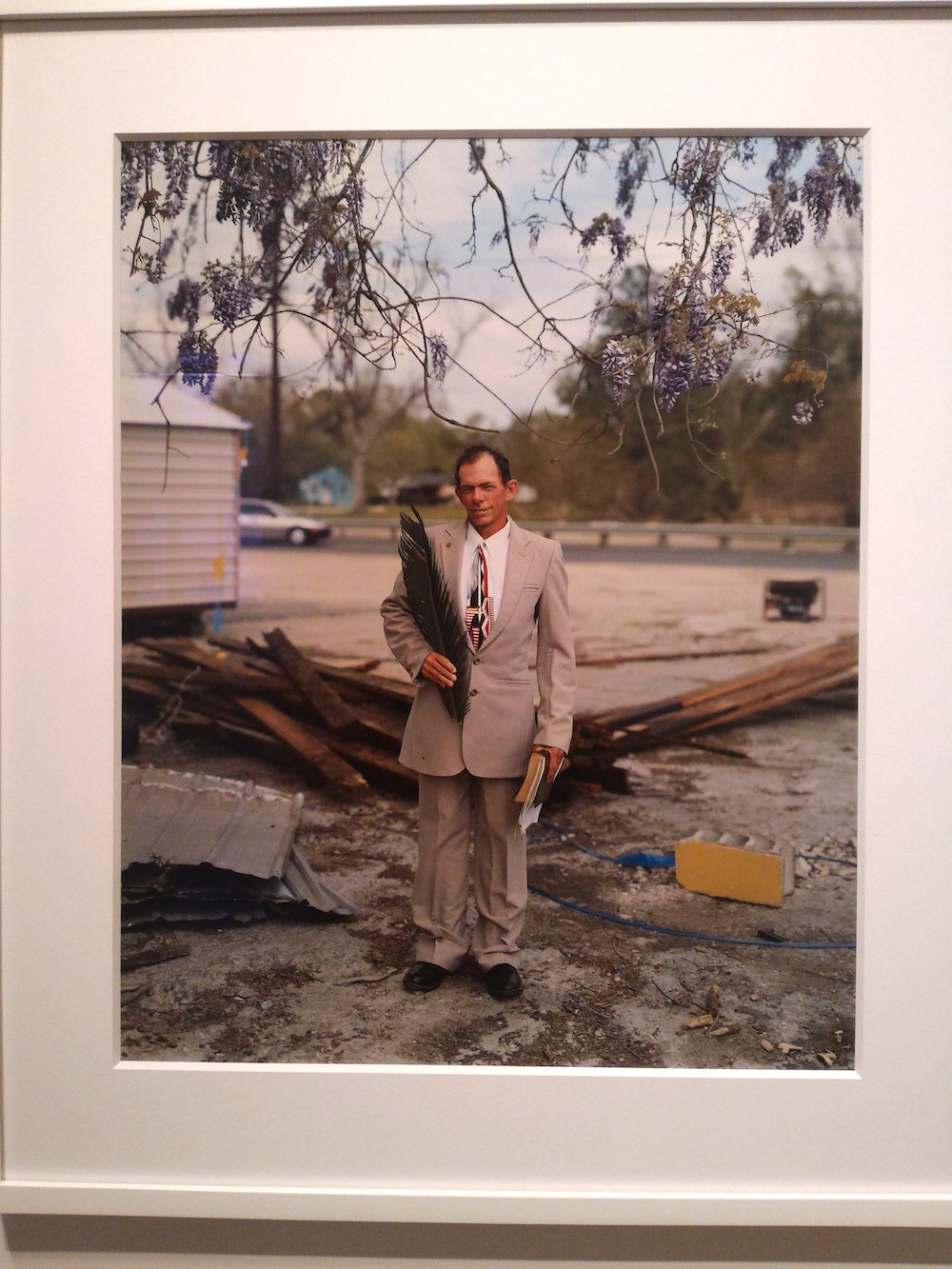
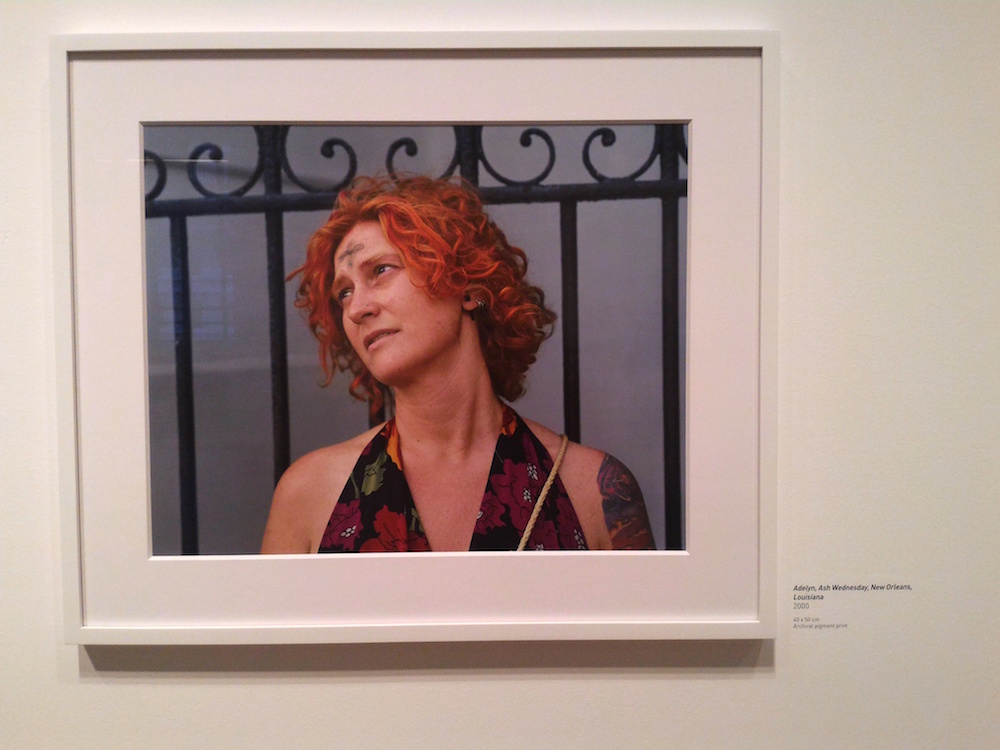
Gathered Leaves is Alec Soth’s first UK exhibition and comprises 4 titles or bodies of work, brought together to create this excellent show –  Sleeping by the Mississippi (2004), Niagara (2006), Broken Manual (2010) and the most recent, Songbook (2014). The exhibition is separated into four distinct galleries, with the Broken Manual photographs having a separate grey backdrop. His images are mainly portraits and still-life studies of the far and out towns he visited in America, some printed very large and are absolutely stunning to see up close. As a documentary photographer, Alec Soth mainly uses allegory to give meaning to his images. In Mississippi and Niagara for example.
Jpeg

Jpeg

I particularly like his solitary portrait studies in Mississippi and Niagara, less so in Broken Manual, which I thought was slightly over staged and contrived, with his subjects, hermits and their lifestyles, their surroundings slightly disjointed. Perhaps the book would make more sense as there are more images to look at.
Jpeg

Jpeg

Jpeg

Jpeg

Jpeg

Jpeg

Jpeg

Jpeg

Jpeg

Jpeg

There are hints of Robert Frank and Stephen Shore in some of these images and as a consummate traveller searching for stories, some apparently made up (Songbook) he has produced these rural Americana imagery with great depth and tenderness.

His sitters are often photographed holding something, doing something and often if they do not appear, then a trace or clue of the them is depicted. The subjects aren’t ordinary people in the true sense of the word but people who in his eyes are worthy to be photographed because of what they do or represent within the sub text of his allegory. They fit in to his stories. They all appear troubled to some extent and I feel that is his narrative.

Given enough time, if I were to have sat down for a long period and absorbed these striking photographs, I could be transported into them, and can only wish that I was with the artist when he took them and jointly observed life then.

About 150 years earlier, Julia Margaret Cameron was making albumen photographs (a laborious process then) with a large cupboard of a camera in sleepy Freshwater on the Isle of Wight.

She was given a camera when she was in her 40s by her daughter and immediately fell in love with the concept of making portraits of noble acquaintances, famous neighbours and personages of the period. She made portraits in a most novel way for her era, often of women, children and men friends dressed fantasy costumes, Arthurian legends and fairytales.

At a time when only men photographers were taken seriously in the trade, she bucked the trend with her influential and modernistic poses.

Julia Margaret Cameron travelled to Ceylon and distant lands making portraits, in particular of the ‘natives’ when most other make photographers chose to take landscapes mainly.

She also printed the images all by herself, with all the challenges of a messy and volatile processes of the colloidon print.

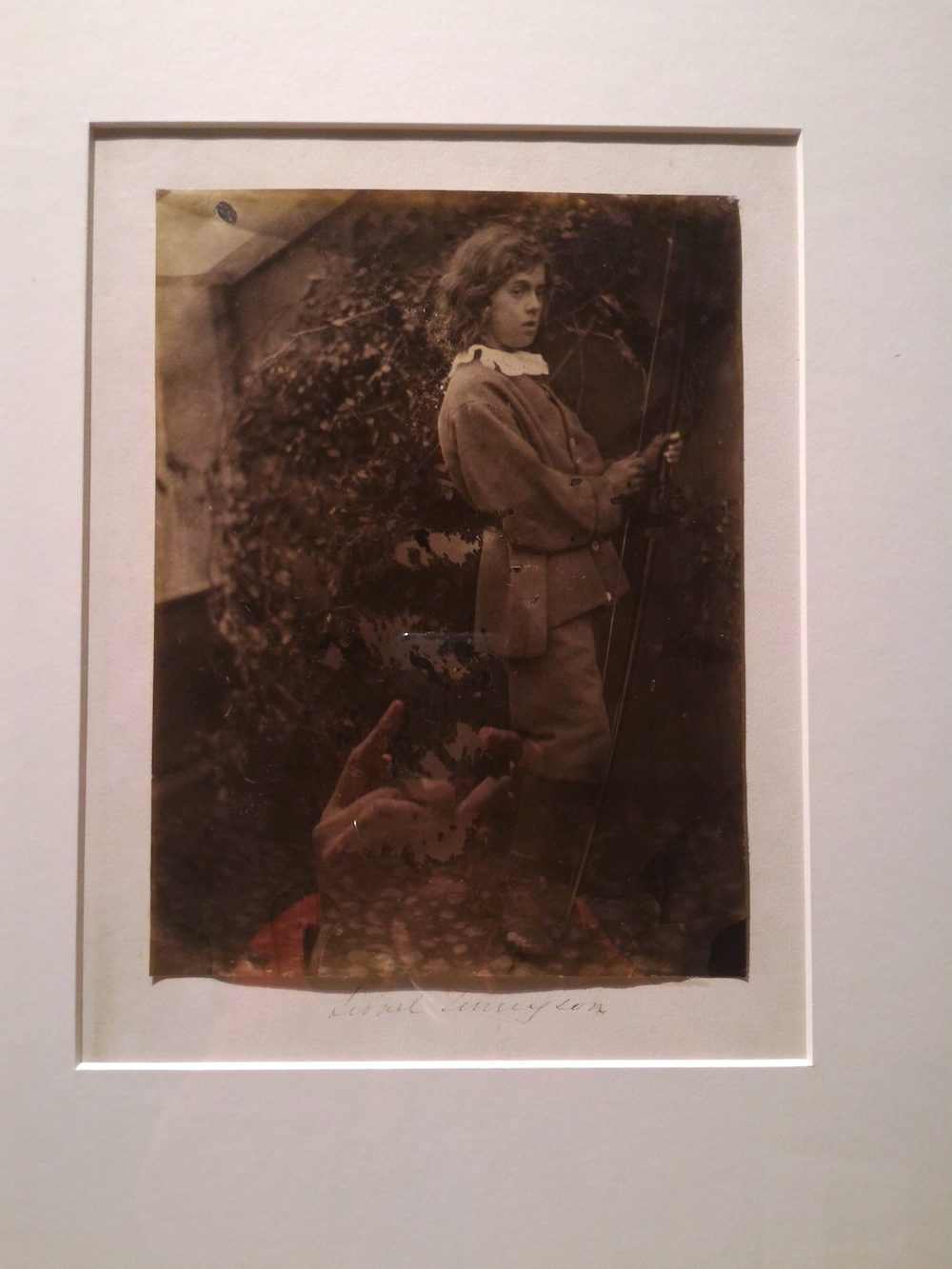
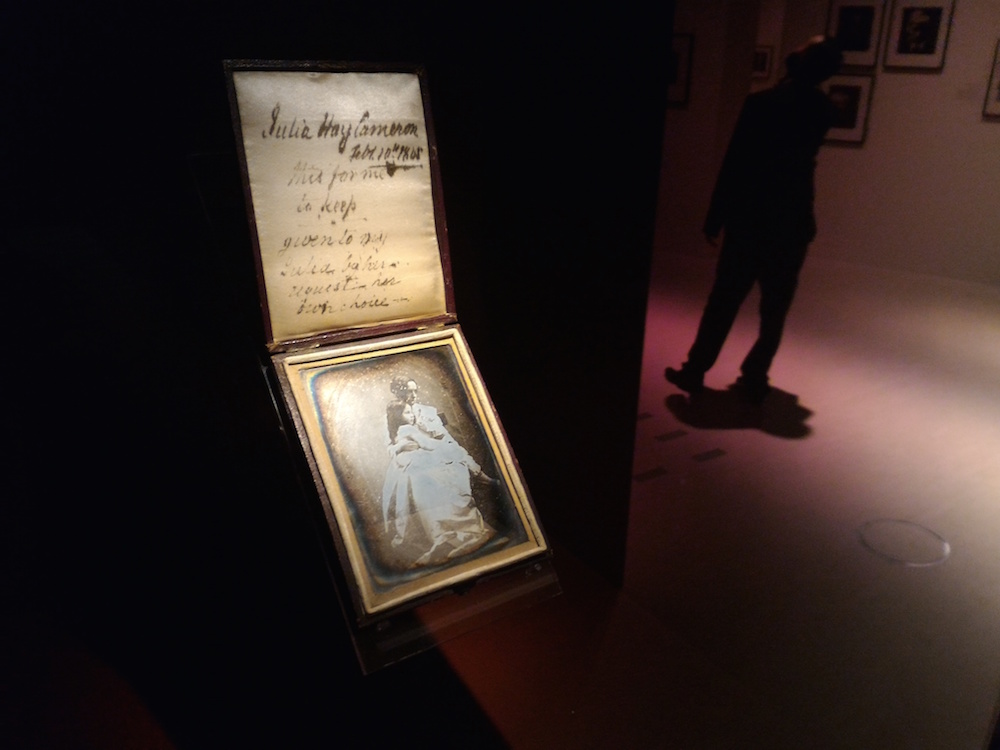
Influence and Intimacy is a truly remarkable exhibition of mainly portrait poses, of friends and family, staged with a degree of stiffness included (mainly because the exposures were several minutes then). The small A4 sized sepia coloured prints contrasts with Soth’s modern, bold, colour photographs in size as well as definition, or the lack of in the former.

Jpeg

Jpeg

Jpeg

However, to compare these small albumen prints to modern photography would be foolish. What I find remarkable about this exhibition is that these intimate portraits were made some century and a half ago and are still preserved and cherished today. As true documents of a bygone era, the faces, features, poses, stares, scowls, frowns, etc of each portrait brings these characters alive, as if they had been taken only yesterday, but instead were photographed at the dawn of photography. Lord Tennyson, Darwin, even portraits of herself remain vividly real.

Both exhibitions run until 28 March 2016.
http://www.sciencemuseum.org.uk

Exhibition : Sanubari by NIRMALA KARUPPIAH

Sanubari2

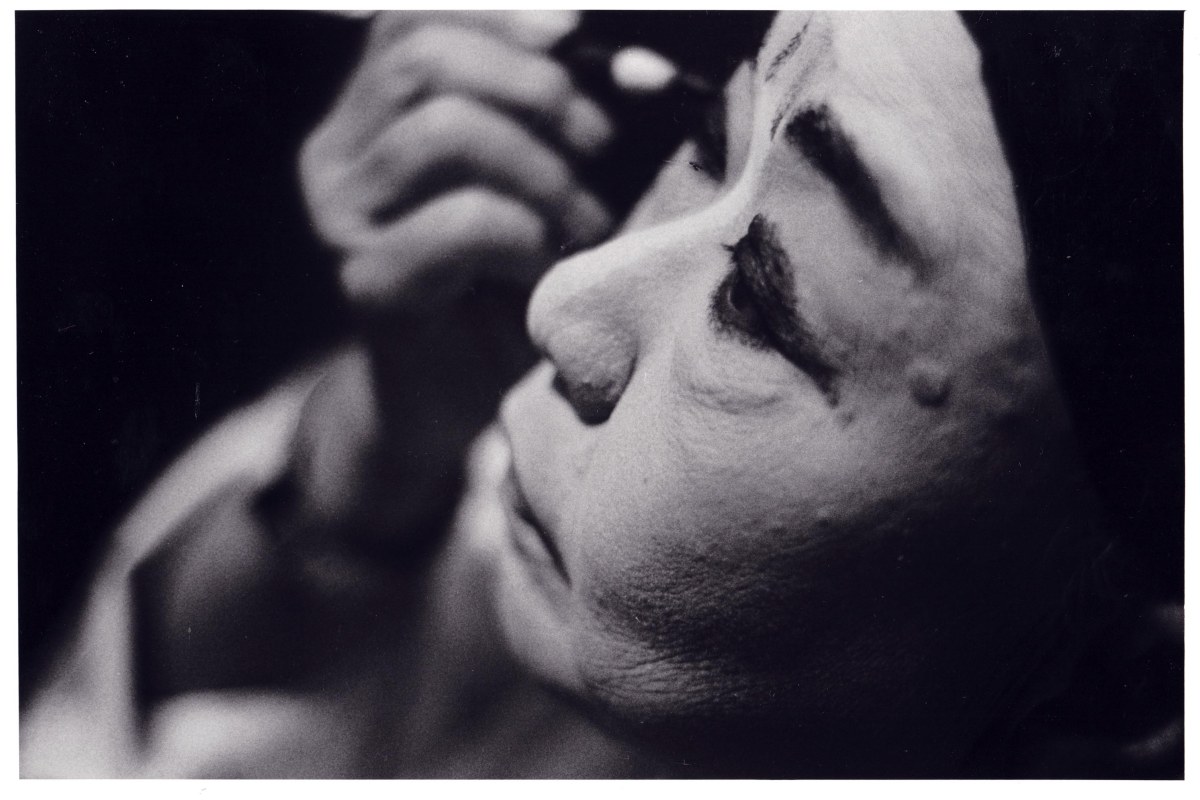
Nirmala Karuppiah is a Malaysian fine art and documentary photographer and a friend whom I have known since late 90s. As one of the established fine art photographers in contemporary Malaysian photography she has spent the last two decades documenting various dance genres, mainly in the classical Indian discipline Odissi, Cantonese Opera, Northern Malay dance-drama Mak Yong and the healing rituals of Main Puteri from Kelantan, a northern state in the peninsula.
Print

SANUBARI is her first solo exhibition in the United Kingdom. The Malay word Sanubari has various translations, but one, which aptly describes it in the context of this exhibition is the ‘inner-self’, of deepest feelings reaching fever-pitch and a ‘heartfire’ which laces each work seen in the show.

Nirmala’s intrinsic talent, merged with a deep love and respect for these artforms are evident in each of her work; and Sanubari is aimed at presenting to the masses, both a historic and personal views of these dance genres, seen through her camera lenses in a myriad of perspectives.

Working predominantly in black and white, Sanubari is the artist’s intense pursuit of conserving, documenting and disseminating these artforms which, although has been written about in many journals and publications, still need to be actively trailed.

Exhibition :

M P Birla Millennium Art Gallery

THE BHAWAN

Home of Indian Arts, 4A Castletown Road, West Kensington, London W14 9HE

11 June – 1 July, 2015

Tel: +44 207 381 3086/4608

Email: curator@bhavan.net

Web: http://www.bhavan.netPerfection1

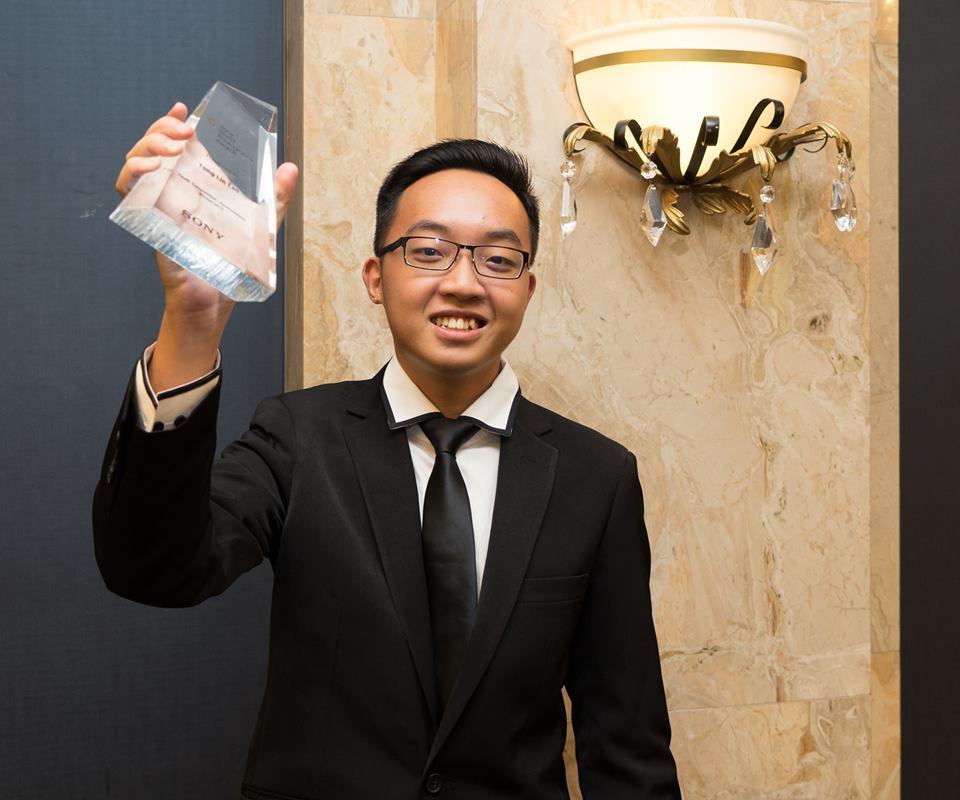
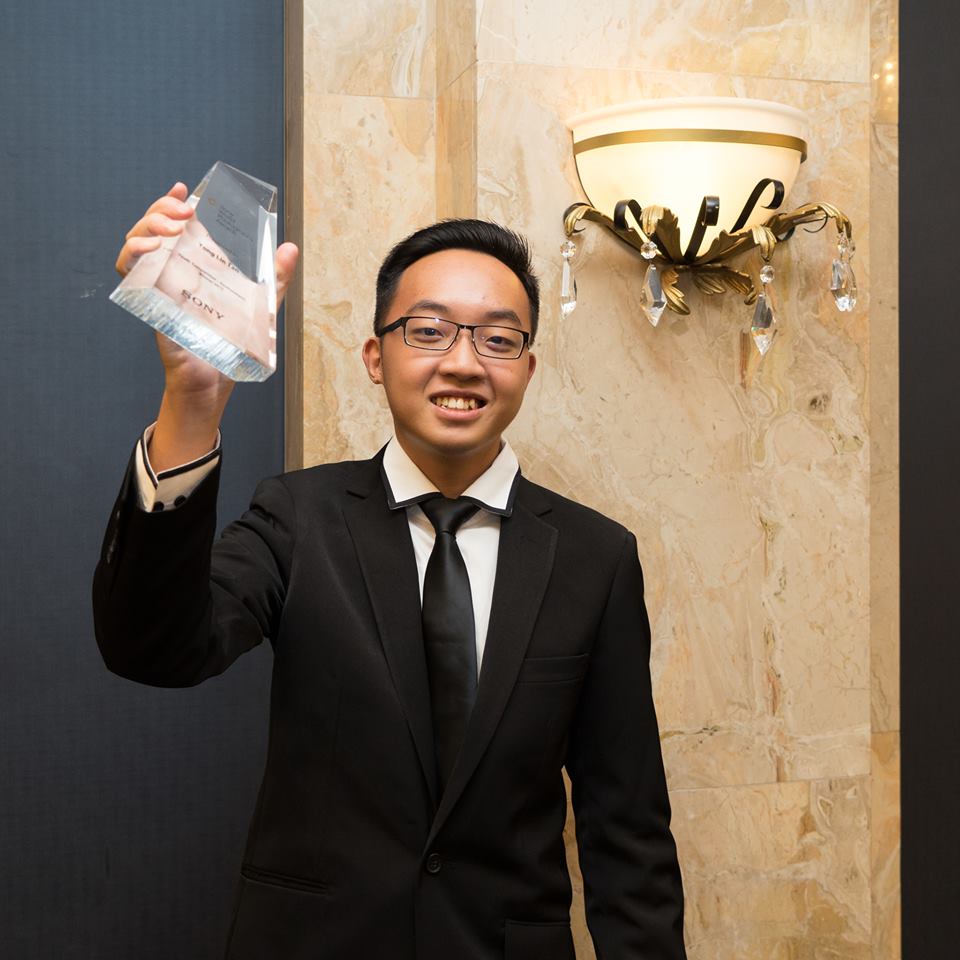
Q & A with Yong Lin Tan – Sony WPO Youth Photographer of the Year 2015

ylt

Photo by Andrew Suryono, from Facebook

I caught up with Yong Lin Tan by email and put the following questions to him, when he had arrived back in Malaysia, after a whirlwind trip to London for a weekend at the Sony World Photography Awards to receive his prize.

Q. At what age did you take up photography?

YLT. I paint since I was a young boy and I was thinking of trying photography as a different medium to create and express. I took up photography as a hobby at the age of 17 when my mother actually agreed to buy me my first SLR camera by signing the 3 years instalment plan for it, as we could not really afford it at that time.

Q. What were you photographing when you first started?

YLT. Basically, scenery of paddy fields in Alor Setar, because my grandparents house is there and every school holiday and Chinese New Year my mom would bring us to visit and have a short or long stay there, for sure.

Q. Do you have any mentor, established photographers whose works you follow?

YLT. I am a self learner, and I follow quite a wide range of works from different types of photography, whether established or just pure hobbyists.

Q. Who do you admire in your field of photography?

YLT. My photography subject’s lecturer when I was in my foundation study in Creative Multimedia – Che Ahmad Azhar, basically his dedication towards his street photography works – “Walk of Life” and the body of work itself, has inspired me.

Q. What is next for you, now that you have won your first major award?

YLT. I will keep shooting in Alor Setar and maybe some other parts of Malaysia, explored or unexplored. I wish to initiate more projects, photo essays and focus on the environmental issues in Malaysia, but it will consume a longer time and I need to do more in-depth research during my free time.

Q. Are you working on any long term projects?

YLT. Yes, documenting and capturing the environment and the unseen life in my mother’s hometown & grandparents home – Alor Setar.

Q. Would this award make you take a more serious attitude to your photography?

YLT. I am serious towards photography since the day I received my first camera. It is still unknown that whether one day photography will turn into my main career or profession but for now I will just ride the wind and do what I love.

Q. Do you believe photography can make the world a better place?

YLT. Definitely, not only photography I believe but any other medium in art such as painting or film which can be used to deliver a particular message and I wish I could prove it one day.

Q. How did you break the news of your award to your parents?

YLT. Haha ..  I called and inform my mother first and she eventually passed the news on to my father, then my grandparents. They are not really that surprised at first because they thought it is just a small competition but when they realise it was the WPO and they will be flying me to London they are actually quite shocked and surprised, and worried as well, because I personally have not been to any airport and have never traveled so far before !

~ Steven Lee

Rokko Mountain High – Have your portfolio reviewed in Japan, 2015

_R00063210363765_313169978867312_8278715009498622512_n

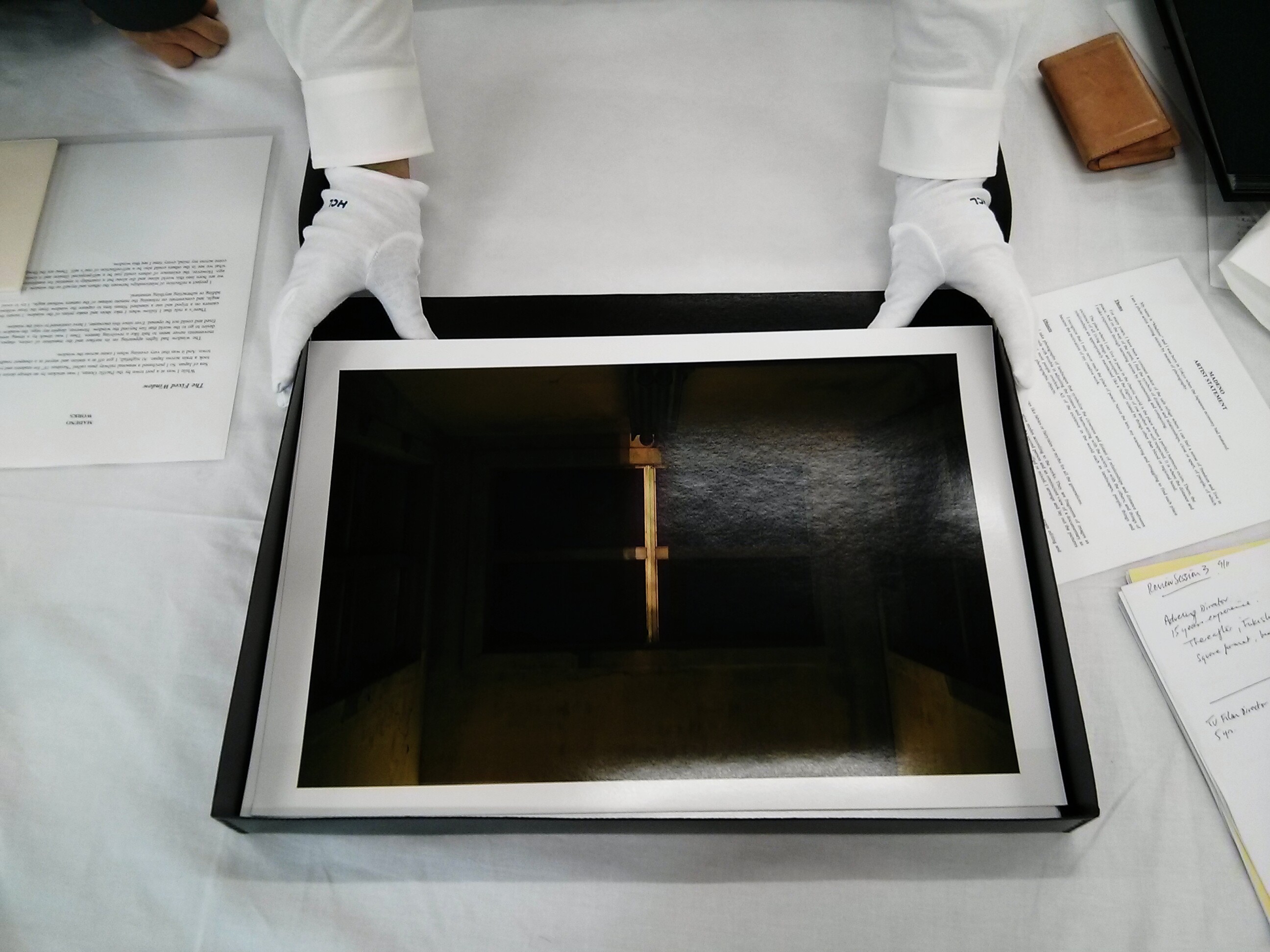
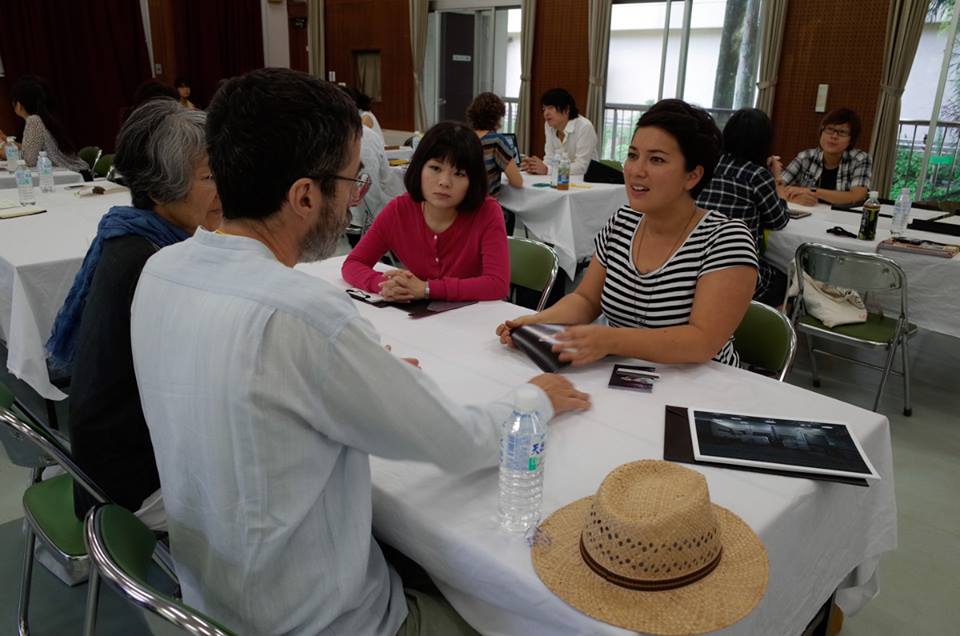
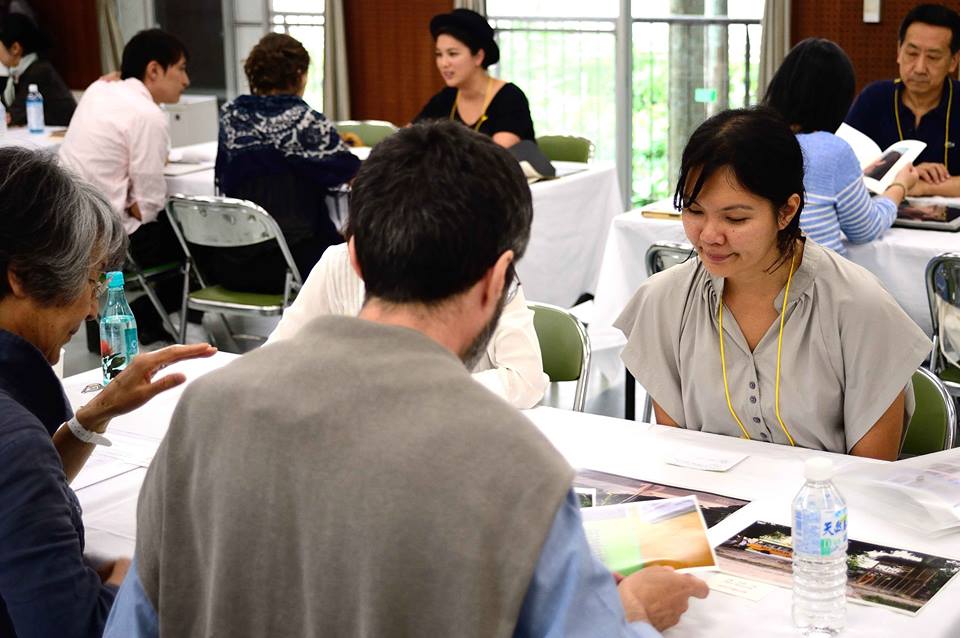
The 2015 Mt.ROKKO INTERNATIONAL PHOTO FESTIVAL is now accepting participants for it’s Portfolio Review session from 28 – 29 August 2015. The festival runs from 21 to 30 August in Mt.Rokko, Kobe, Japan. In it’s 3rd consecutive year, the festival have explored the themes of Communication and Education in contemporary photography practice. I was fortunate to be involved as a Reviewer and it has broadened my perspectives and views about Japanese photography as well as connecting with many talented photographers from abroad and from Japan too.

10628135_10153133897394829_4390328806632427910_n IMG_20140829_0939281604563_10153133931764829_8044825748958316386_n

IMG_20131110_122738

I would recommend any photographer hoping to expand their knowledge and obtain valuable feedback from an international array of Reviewers, to apply for this event, not least, the new friendships, sharing and connections you will make.

Apply here 

See below for past articles :

Festival Update 1 2013

Festival Update 2 2013

Festival Review 1 2014

Festival Review 2 2014

Festival Review Highlights 2014

Festival Feedback Lim Paik Yin 

Festival Feedback Nadia J Mahfix

Festival Feedback Syfrey Moniz

Festival Feedback Ailsa Bowyer

Sarah Choo Jing at A.I.

L9998033

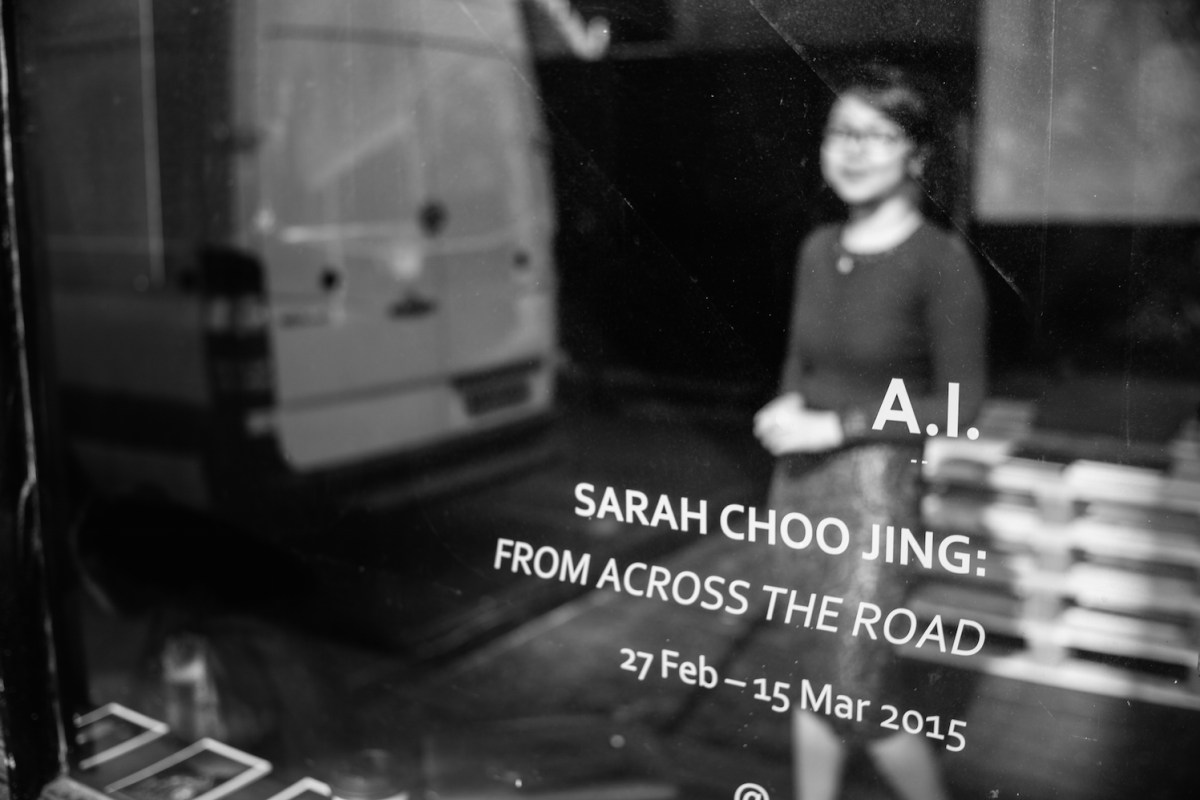
I happened to discover this small and trendy pop-up gallery hosted by A.I. Studio‘s director Anne-Marie Tong who is currently showing Singaporean artist Sarah Choo Jing‘s From Across the Road on Redchurch Street in London’s uber trendy Shoreditch.  I was on a 1-day walk’n’ shoot London Street Photography for City Academy, and just finish the intros with my participants at Rich Mix’s studios.

Sarah’s dark and panoramic prints caught my attention from the window. In this exhibition, the artist is exploring themes based on the act of looking, surveillance and voyeurism. She delves in a mixture of photography with over-painting, video and installations and the show is on, till 15 March. More info here.

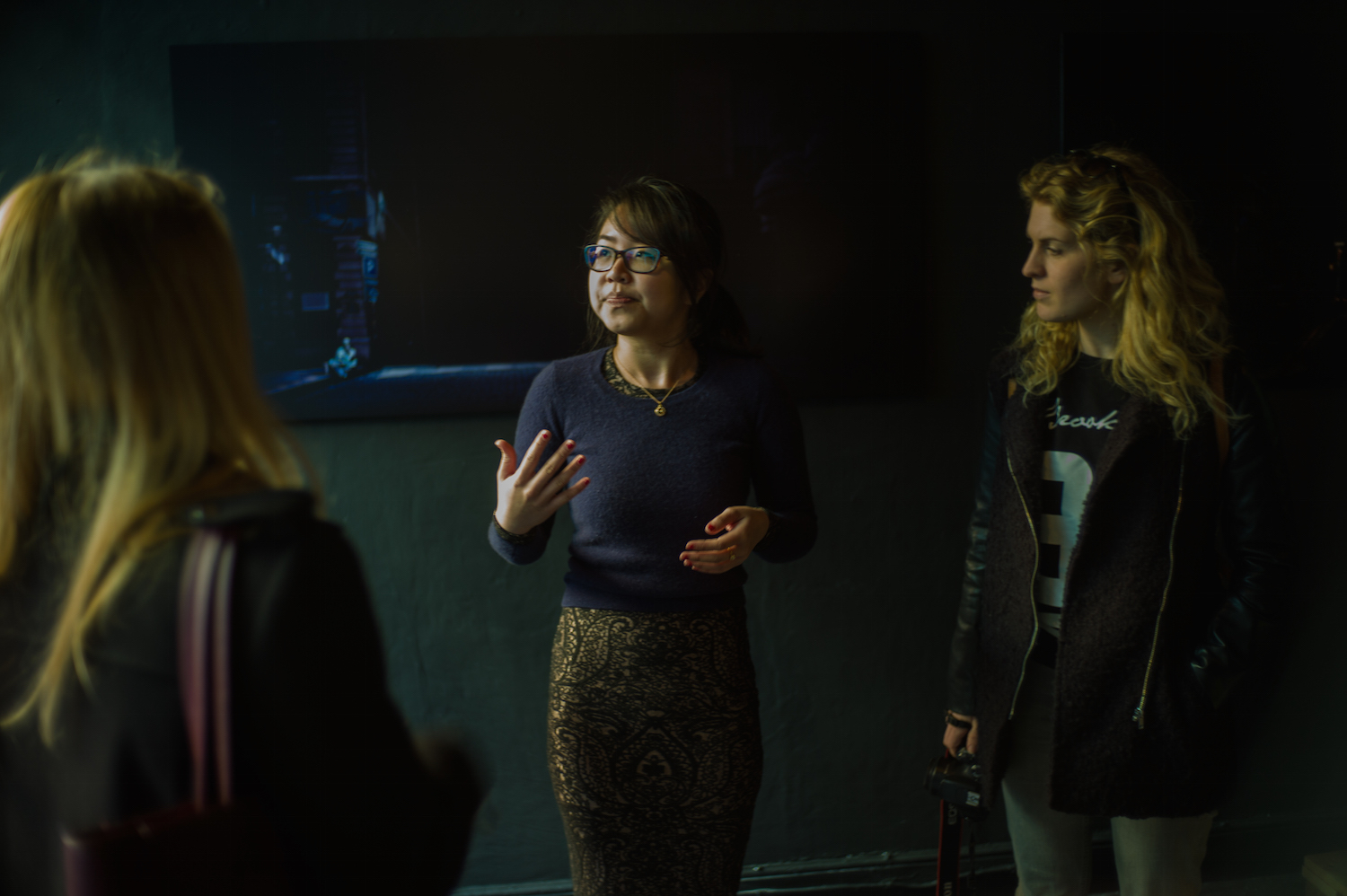
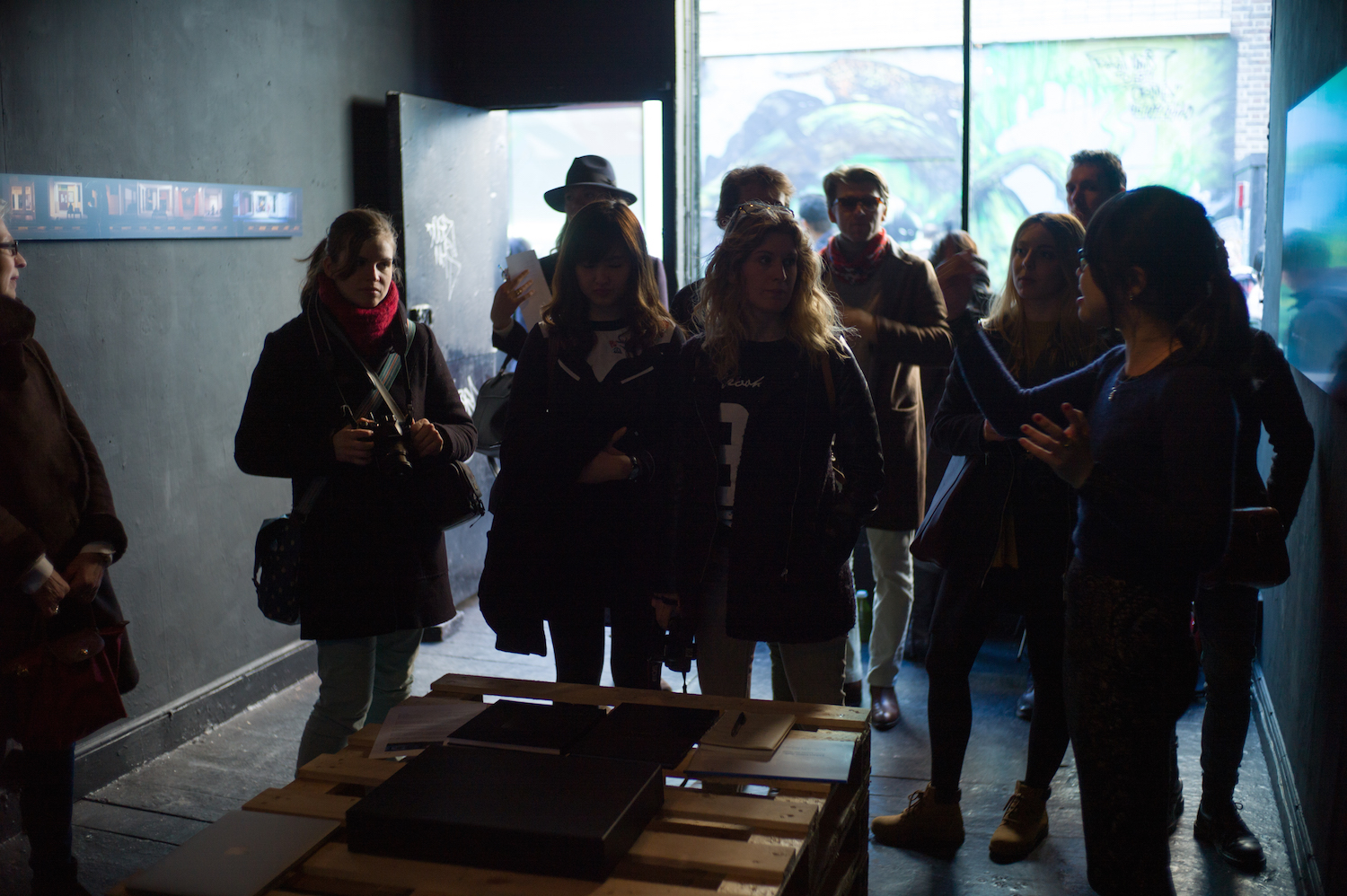
After lunch, the street photography class visited the exhibition and Sarah provided a brief introduction to the visitors about her works.

L9998084L9998080 L9998088 L9998092 L9998027

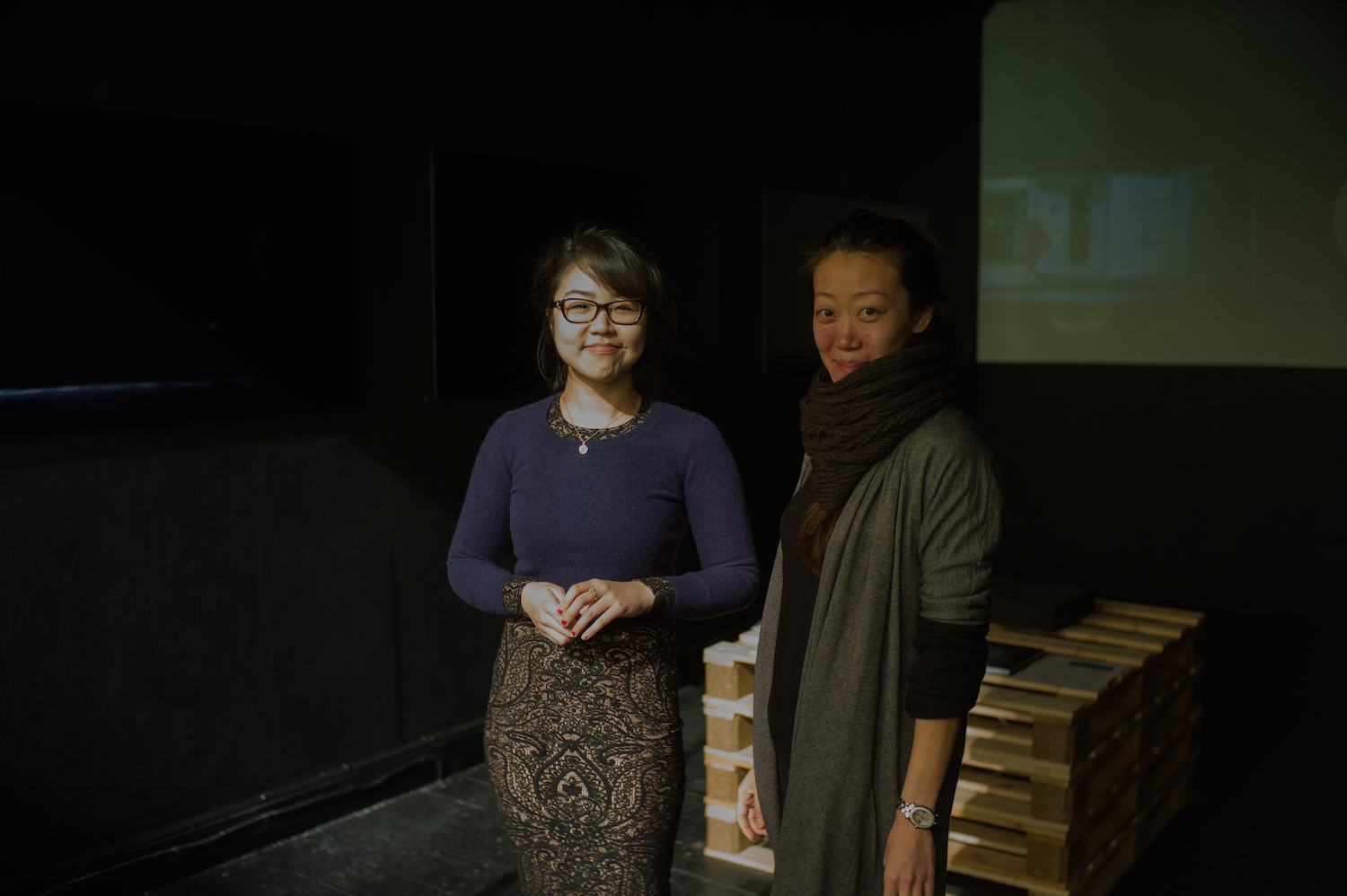
Sarah Choo Jing and Anne-Marie Tong of A.I

A.I., 30a Redchurch Street, London E2 7DP

11am – 6pm (Mon – Sun)

Nearest tune : Shoreditch High Street, Liverpool Street, Bethnal Green

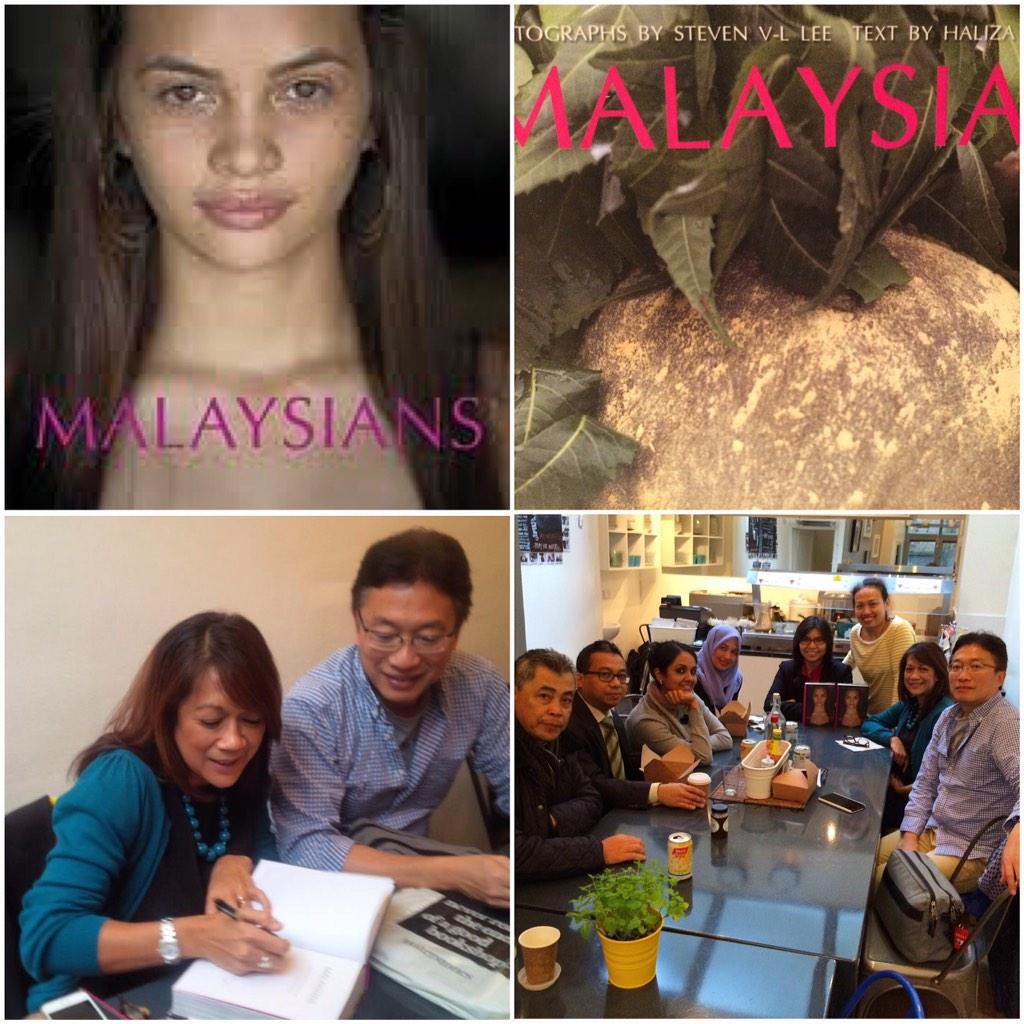
We signed our last MALAYSIANS book!

B3ebV6VIMAEPnbo

Today, at Dapur, London overlunch, Haliza and myself signed the last copy of Malaysians a photobook which we jointly published in 2006 with a print run of 2,000 copies. We collaborated on this simple but informative book about Malaysia, Malaysians and our varied ethnic make up with simple head shot portraits.

Below is what I wrote in 2006 :

“MALAYSIANS Photographs by Steven Lee and text by Haliza Hashim-Doyle

A new coffee table book celebrating the unique and diverse ethnicity of Malaysia today : Hardback 148mm x 210mm 512 Pages

“Few things amaze visitors to Malaysia, besides its incredible economic development, than the diversity of its people. Even then, if one only visits one city or two, or a beach or mountain resort, the full spectrum of the multiethnic salad we call Malaysia cannot be fully appreciated. It is only when we see photographs of all of them, side by side as in this book that we know what Malaysian diversity truly means.” Foreword by Marina Mahathir.

The idea of producing another pictorial book on Malaysia came about in 2005 when I noticed that there was not a single publication in the bookstores in Malaysia and in the UK, that depicted the people of the country. There were several existing publications showing the sights of the country, its many amazing places of interests and our national monuments, but none showed the diversity of Malaysians, its fascinating mix of races, its cultural heritage and its rich traditions.

newcover 019 021 008

From this point of departure, I began researching into this project and gathered my resources together and now, am glad to say, the project is underway. As a portrait photographer I am always on the look out for an interesting face. It is after all, a face that one sees first, as a visitor to a new country or place, it is also the first impression of a nation.

The book does not aim to document each and every race and creed. That would be quite impossible. However, it does represent a true cross-section of the nation as I see it during our travels across the length and breadth of the country. This glimpse of a ‘Malaysian’ identity, a vision of a Bangsa Malaysia, will be evident through the faces I portray and the stories and quotes that follow, will hopefully encompass all.

A country like Malaysia thus begins this series, because it is my Malaysia, my country and my people. SL”

Mt.Rokko Portfolio Review Feedback – Syefry Moniz

10624931_10153133896764829_1044921737845162389_n

How it started

I’ve got an invitation from Steven Lee of KLPA at the end of April 2014, to participate at the Mt. Rokko International Photo Festival Portfolio Review in Kobe, Japan. My feeling at that time was mixed. I was speechless, excited and looking forward to being reviewed. I started to do some research about the event from Steven’s blog explorenation.net and so on. This is the first time that my works will be reviewed by International / established photographers, artists, photo editors and curators from around the world. I’m very honoured for the invitation that I received. From that I started to prepare my works accordingly and put lots of effort on them.

Preparing the Project

Since I’m in the Exposure+ Photo Mentoring Program run by KLPA, I already have one project (Distance) which needed to be finished during the 3 month programme. I also brought another personal project (Bakul Boy). I’ve started the Bakul Boy project since early 2014. It was stressful but yet energetic and excited for me to do both works at the same time and preparing the final outcomes. With a lots of help, encouragement and support from my mentor (The Exposure+ Programme), friends and my most understanding family, finally I’ve was ready.

The Journey

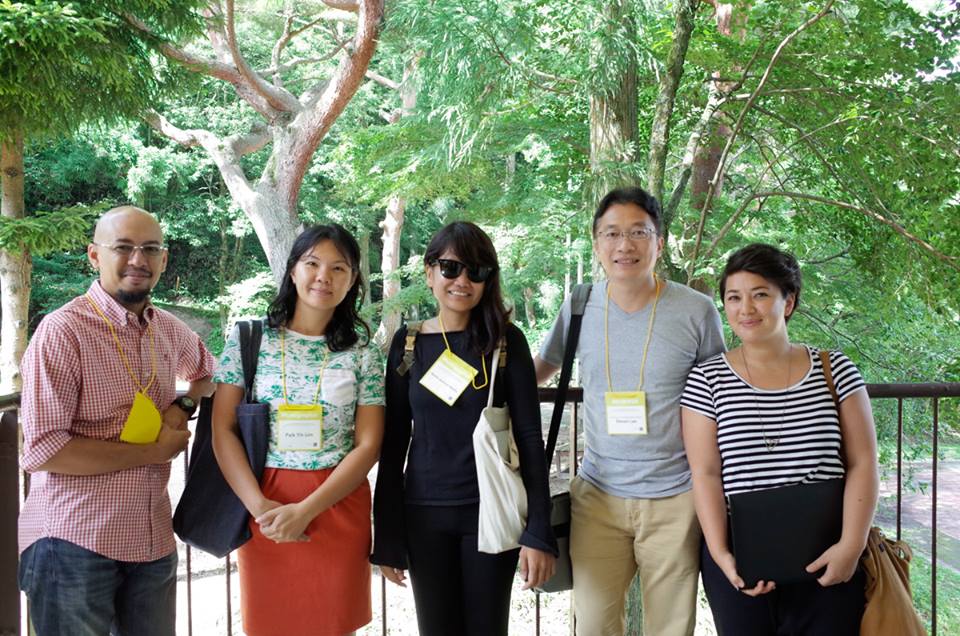
I have prepared everything accordingly such as all the prints, postcards, name cards, hand outs including dummy photobooks for my both projects. Unfortunately a few days before departing for Japan, I got into an accident and injured my knee. With limited time, I have to settle everything despite being in pain. But for me, the excitement to present my works in Japan, the pain never bothered me. On 29th August 2014, with a little help from my ‘tongkat’, together with Steven, Ailsa, Paik Yin and Nadia, we finally arrived at the Tanto Tempo Gallery, Kobe. The venue for the Mt. Rokko International Portfolio Review was held at the YMCA, Mt. Rokko, Kobe, Japan.

The ‘R’ Day

The portfolio reviews for this event was held over 2 days on the 29th and 30th August. I was reviewed by 7 reviewers. The reviewers were Yosuke Fujiki, Naoko Ohta, Natalie Matutschovsky, Tsuyoshi Ito, Yumi Gato, Takeki Sugiyama and one bonus reviewer; Fabrice Wagner. I’ve brought two of my working projects, Distance and Bakul Boy.

Distance is a project that I’ve done with the Exposure+3 Programme. The documentary set is presented as diptychs in one print. This project is about two children’s moments in their daily lives. I tried my best to be close as possible as I could, to capture at the same moments in the day, in order to convey their differences. I want to visually highlight how much education is important to a child. The idea of this project is to pose a question rather an answer.

My second documentary project is called Bakul Boy. Bakul Boy is about a little boy named Salmankan from Semporna, Sabah in Malaysia. This little boy followed his family to come to Kota Kinabalu, Sabah to search a better life. He worked two jobs daily, the first selling plastic bags (bakul) and the other pushing wooden trolleys between the fish sellers and customers at the wet Filipino Wet Market, in Kota Kinabalu. He has to worked to achieve an education, just to help his family survive.

For these two projects, I managed to complete the photobook dummies.

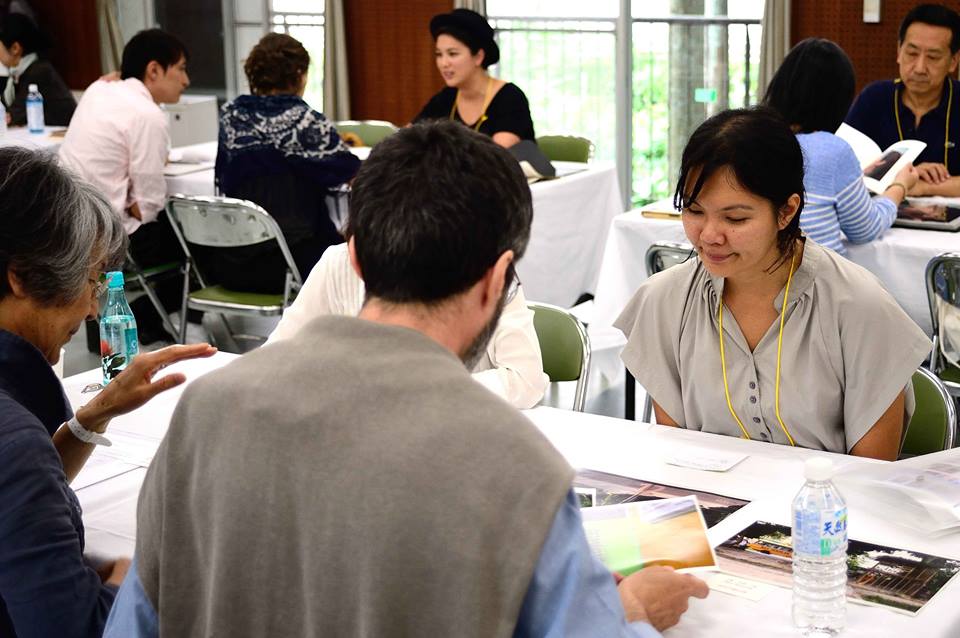
At the portfolio review, we only have 20 minutes to introduce ourselves, giving an introduction on our projects and network. As for me, the first 20 minute session seems like a short time. I was a bit nervous and have not prepared much, and things messed up a little, but then I’ve made it through anyway.

So for the next session, I planned everything accordingly. Firstly, I gave out my name card, giving a short introduction about myself and then explain and presented both projects. I’ve showed the reviewers my large prints and the photobook dummies. I think we need to plan it well because we only have 20 minutes to present and at the same time we mustr receive feedback as much as possible. If we don’t plan or do it well, then we might feel that 20 minutes is not enough. Time is Precious.

10609720_10153133932104829_1791140657238568197_n

Summary from the Reviewers

DISTANCE – A lot of questions were asked about this photo series. The questions needed to be answered by me. An example of a question being asked was if I could spend more time on the subjects. For every diptych, some of the reviewers asked if may be possible to add a quote from the children themselves. As this series is in colour, the calibration for all the images must be corrected especially the skin tones of the subjects. The sequencing can be change a bit and the images reduced, – “Less is More”. One of the reviewers have also said that my photobook dummies are done in a creative and interactive way.

BAKUL BOY – Most of the reviewers gave compliments and many good comments. They liked it as a photobook rather large prints. This is because the large prints are limited to 20 images only for each project. The prints can’t really show the whole story. I was advised to continue this project, making a series or volumes. Conducting proper interviews with the subjects, if possible, making a video recording too. In the future, I must also have the subject’s personal quotes. Spending more times with them, or make it a long-term project. I also need to be more careful on editing and curating the photos. As for the photobook dummies, most of the reviewers gave a comment that the cover designs are great, but some of the images are repeated and need to be removed if possible. A few of the important images needed to be enlarged up to create more impact.

The Conclusions

The Bakul Boy project is the more popular series from the two. Each project is a different story and genre. Even if they are both documentary projects the approaches are different. For each project, intimacy is the key of the success and that intimacy requires time. The skin tone calibration need to be done correctly for the colour series. From my personal observations, my colleagues from Japan are well prepared with their prints and textured paper (paper that we do not have in our country) and some photographers were equipped with white gloves to handle their prints. This is a good example of we need for the next portfolio review.

Even with different languages we are all connected by photography and the arts. Our works speaks for themselves.

As this is my first time being reviewed Internationally, it was a good experience and a learning process for me.

I would like to express my gratitude to Takeki Sugiyama for the invitation to Mt. Rokko International Portfolio Review. Also a big thanks to Steven, Erna and the Exposure+3 mentors for this opportunity. Thanks to all my friends and families for their endless support.

P.S : for those who are into spicy food,…please bring your own hot sauce – ‘sambal ikan bilis’

~ Syefry Moniz, 18 September, Kuala Lumpur

Mt.Rokko Portfolio Review Feedback – Ailsa Bowyer

IMG_20140828_120423

There are so many things to be said about the experience of attending the Mt Rokko Portfolio Review festival so I’m going to attempt a ramble the most significant aspects for me.

From the very beginning, we (the Malaysian *cough*slash*Australian*cough* posse), were treated like the most royal of guests. We may have let the whole team down because our un-showered bodies resembled nothing of royalty, but of course there was no mention of this. Even if people were surprised to find that there were in fact no dead animals in our bags or on our bodies, we (and our bags) were just welcomed with open arms and smiles. This was the first of consistent experiences of the Mt Rokko team’s astounding politeness and hospitality.

996148_10153133931379829_6093432663307595935_n

We really were very blessed to have been able to attend this festival. I think pre-conceived assumption was that we, as international guests, had a lot that we would bring to the table. But, for me personally, I feel that I had a lot less to bring, and instead had a great deal that I took away. (And no, I’m not talking about the literal taking of amazing food or drinks. Although, as one exception to the culinary amazingness, if you buy the bottled green tea from the local convenience store, you may as well save yourself 70c, and the walk, and instead toss back the contents of the nearest ashtray).

The biggest realisation that constantly hit me was that there is just so much care and intention and pride invested in Japanese photography (or Japanese ANYTHING, for that matter), and that I have so much to learn in this regard. The ironic thing that I realised about my own art throughout this festival is that, I really don’t often treat any of it “like a work of art.” My prints and presentation really did resemble an eight year old’s artwork folder compared to the standard upheld by the Japanese attending photographers.

The Japanese folios were of gallery quality, and no expense was spared in the treatment or presentation of their photography. My favourite question from a reviewer, Didier Brousse, was “Is this how you usually print your works?” To which I answered a confident, “No, no, nooo…” (and in my head “… … … Um, yes? Shit! HIDE!)” What I was left reflecting on throughout this repeated exposure to japanese works was that, in the western screen-based world, we become so consumed with screen-based viewings, so often don’t connect a great deal with print – whether that be loose prints or book making – as a result. And in screen-worlds, we invest so much time, creativity, energy and planning in the execution of our photography, yet spend very little energy reflecting that in the final outcome of the work. And, to me, that really feels like the print version nestled proudly in your hands. (Don’t even get me started on the LIFE-CHANGING AMAZINGNESS OF MAKING A PHOTO BOOK, in particular. Experience this to know this, I can’t recommend that enough. Even in the initial dummy stages, for me, it is currently the most profound and moving experience. PERIOD).

openviewing.akimichi

Pic by Akimichi Chimura

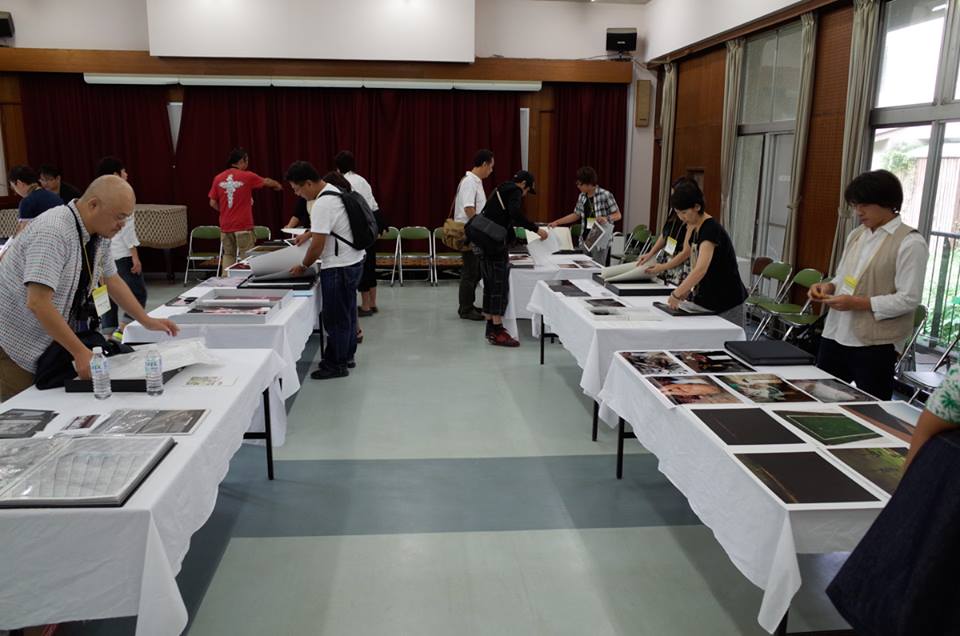
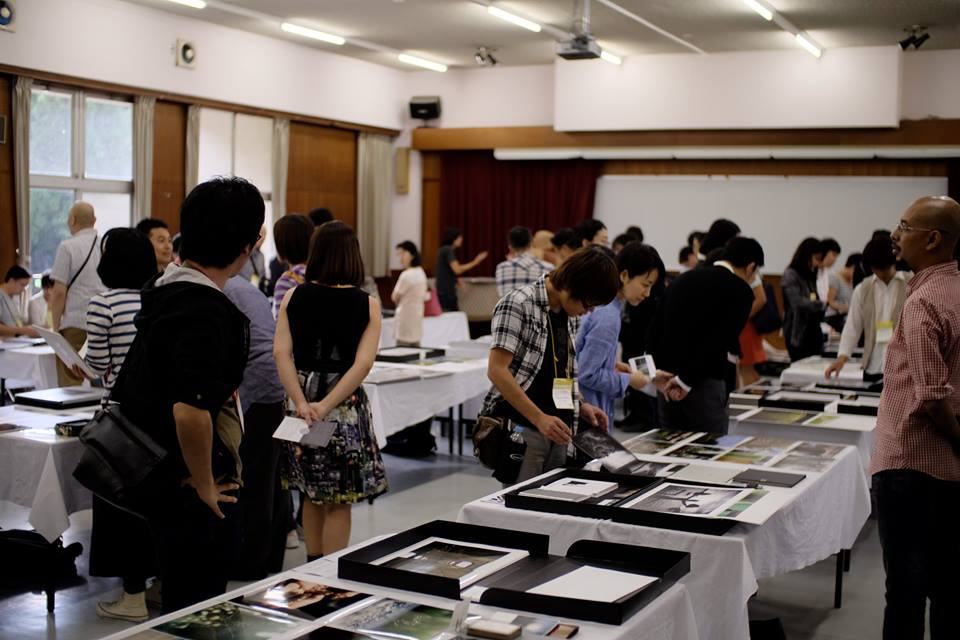
So for this reason, the open-portfolio afternoon where we all laid out our works and then walked around to peruse others, was the most significant event of the festival to drum home this message to me. At one stage I even panicked that my little yet heavy fingers may crease the tissue paper laying between one photographer’s prints. This is how I want to feel about my own photos, that I have sweated over and agonised over and poured so much of myself into. This is how we all, as photographers, should honour and value our own work.

The other giant benefit of the open portfolio session was being able to get somewhat of a mini snapshot of contemporary Japanese photography, in one hit. Walking around the room, I saw just how central family and history (including repeated references to traumatic historical events) was to most of these works. And how delicate each and every one of these works were. They all had such great contemplation and quietness and depth about them. And such beauty as a result. Further, as english is the second language of all the photographers, little words were used to communicate the intention/concepts behind the works; but little words were needed, which just made me realise the strength of the execution of ideas/concepts in their photography.

ailsa.akimichi

Pic by Akimichi Chimura

Actually, I say they were all delicate, but I lie. They weren’t. There were some that were equally amazing for a different reason: because they were so, freaking, in-your-face confronting. Or entertaining. And to be honest, these works are the ones that I personally remember significantly, not for their asthetic appeal, but because the content of those works shook me the most.

Although it’s a given, it needs to be said – the actual portfolio reviews themselves were incredibly beneficial. I was reviewed by Naoko Ohta, Didier Brousse, Takeki Suigyama, Yoichi Nagata, Tuyoshi Ito, and Paula Kupfer. Every reviewer was very competent and knowledgable, and all had very different things to offer, including constructive criticism, positive feedback, suggestions for where-to-from-here, suggestions for presentation format, suggestions for sequencing or editing (note: bring LOOSE prints to reviews!

No fixed-photo folders!), and most importantly, questions that I hadn’t thought of or answered for myself yet. And although they all had very different and sometimes opposing things to say which did in parts leave me confused and overwhelmed, this to me was not indicative of any error of the reviewers, but rather indicative of just how far I’ve personally got to go in terms of being 100% sure of why I’m doing what I’m doing, and exactly how I want to do that, so I can then pick and choose exactly what feedback fits with my direction and where/who exactly I want to direct my photos to.

I’m talking too much. Let me cram in some parting words. The photographers and photography was incredibly giving and amazing. (AH-MAAA-ZING). Japanese people are ALL FREAKING BEAUTIFUL (mass generalisation, but I’m running with it), and may be deceptively quiet but seriously know how to drink an Aussie under the table. The festival had a real quaintness and naivete to it that makes it feel very precious. Takeki Suigyama (coordinator master #1) was a STAR at spreading love and energy throughout the place and dictating the vibe of the festival (including, but not limited to, frequent episodes of dance-shout-clap-chanting). Mariko Yamada (coordinator master #2) was often spotted running around behind the scenes instead of in the spotlight, but was the equal driving force behind the festival. (And with the sweetest smile in all of Japan).

The facilities were wonderful. (*Ahem* … first public bath experience. BOO-YAH)! The location is to die for. If I spent months on the YMCA grounds alone, I would be a very happy lady. And last but definitely not least, my favourite memory: the “sheet workshop” run by Daiki Usui. Literally, how to place one sheet on your bed, lie on that sheet, and then place a second sheet above you. “Like a sheet sandwich.”

Like I said, care and pride in EVERYTHING.

~ Ailsa, Perth 18 September, 2014

Mt.Rokko Portfolio Review Feedback – Nadia Jasmine Mahfix

facebook_1410245493864

Photo © Naohiko Tokuhira

When Steven invited me to participate in the portfolio reviews at the Mt. Rokko International Photo Festival in Japan, I was beyond ecstatic. The idea of travelling to a different country and also getting my works reviewed by renowned individuals from the photographic field is a rare occurrence and something that I would not want to miss. And so that is how I found myself on a plane to the Land of the Rising Sun.

The flight from Kuala Lumpur to Kansai International Airport took approximately 6 hours. From the airport you would have to take a bus to Kobe, which is about 75 minutes away from the airport. The fare for the bus was 1,900 yen. One thing in Japan the transportation fares would cost you a bomb so it is best to be prepared. Our first destination in Kobe was to the Gallery Tanto Tempo to meet with its director, Mariko Yamada and its editor, Satsuki Kajikawa. The meeting was brief, as the actual ‘meet and greet’ session would only be held later in the evening. As we arrived during midday, we had ample time to explore the city and I took that chance to absorb as much of Kobe as I could. Everything was strange and fascinating and I felt like a character from Sofia Coppola’s movie ‘Lost In Translation’.

Hours later we finally got to meet the person responsible for the festival; Takeki Sugiyama along with the other invited guests. After a brief introduction and chitchatting, we were treated to a welcoming dinner with the rest of the people involved in the festival. Everyone was nice and excited just to be there but some of us were a little bit nervous to get our works reviewed. For me, it was a mixture of both. To be honest, I did not know what to expect nor did I have any expectations. However, I was keen to show my works and hear the opinions of others.

Mt. Rokko is approximately 30-45 minutes drive up from Kobe (depending on the traffic condition). You can either take a cab or a bus to go there but also be reminded that transportation in Japan is not cheap.

Nevertheless we arrived at the YMCA safe and sound. The portfolio reviews were held at the YMCA while the talks and slideshow were conducted at a nearby location. All of the photographers involved are accommodated at the YMCA, where breakfast and lunch were also served.

nadia.tm

On the first day, they had a presentation for the ‘Two Mountains Photo Project’ where all of the photographers involved had to talk and share their works and experiences on the project. As I am also one of the 6 photographers involved in the project, I had to give an introduction on my work and shed some information on Mt. Kinabalu too. For someone who doesn’t like to present in front of the public, it was a nerve-wrecking experience. But I was thankful to be given the opportunity to do so anyhow. It was indeed a learning experience.

Finally it was time to get our portfolio reviewed. My first reviewer was Michael Itkoff from Daylight Magazine (US) and the rest were (in following order) –

Yumi Goto from the Reminders Photography Stronghold.
Yoichi Nagata from Fraction Magazine Tokyo.
Paula Kupfer from Aperture Foundation.
Taj Forer from Daylight Magazine.
Fabrice Wagner from Le Calliou Bleu

I brought two of my works to be reviewed; one from the Between Two Mysteries series and the other one was my self-published photobook, ‘Is This The [n]?’. It was refreshing to hear the thoughts and opinions of others on my works. They gave positive feedback on my works plus a few suggestions on how to improve further. In summary, what I can deduce from the reviewing session was: –

I need to better explain my works to people.
I need to get out from my comfort zone more and perhaps try to find different subjects to work on (other than my usual subject matter).

Other than that, it was also interesting to be asked (a few times), if I shoot in digital or analog. I usually like to leave it up to the viewers’ imagination because personally, I don’t think it matters. In addition the review sessions, they were also exhibitions and talks in conjunction with the photo festival. One of the guest speakers was Sohrab Hura, who is an amazing photographer whose works I look up to.

The review sessions ended after two days and we were brought to the beautiful Mt. Rokko Country Home for an outdoor slideshow presentation a farewell supper at a nearby restaurant.

To sum it up, the portfolio review was an enriching and refreshing experience for me. I believe that it is necessary for any artists or photographers to go for reviews as this would help us to build and develop our skills, It also could shed more light and a better understanding for our own works. And for that, I owe my thanks and gratitude for the opportunity to do so at the Mt. Rokko International Photo Festival.

~ Nadia Mahfix, Kuala Lumpur 09 September, 2014

Mt.Rokko Portfolio Review Feedback – Lim Paik Yin

paikyinreviewed

Photo by Naohiko Tokuhira

A plethora of thoughts on one’s work could cause a mild concussion. Left unresolved, gives way to a splitting headache. Here is a little guide to ease the pangs of insecurities and host of questions before a portfolio review.

What is a portfolio review ?

One of the reasons of showing your work in prints is to give an overview of your entire project to the reviewers. At best you could get a different perspective of your work. Having the flexibility of loose prints on hand allows the reviewers to edit the work. Think about it this way, a portfolio review can be a space to further push the photography series to another level or it could be a mini interview for your work to get published or shown in a public arena.

Printing the digital images

The first time I held the prints from my Fujifilm 5100 in 2011, excitement weld up despite having seen the images on screen numerous times. There was no thought about paper texture nor colour calibration. Looking back it was a process that I had to go through. So the lessons that I learnt, it always pay to have the monitor calibrated to my regular printer.  After all the time spent editing on screen, it’d be a shame to have prints that is subpar.

Reviewers

Look into the crystal ball and imagine where your work is going to be shown. Once there is a clear idea of where your work would be shown, find out about the reviewers and think if your work would be beneficial from their perspective. A reviewer who comes from a gallery or art magazine views your work differently from a reviewer from a journalistic or documentary background. With multiple lens viewing your work, there is bound to be divergent viewpoints.

Being Reviewed

I’ve always found it easier to communicate through writing or photographs instead of talking about it. Somehow I get tense and stiff especially when there are a barrage of questions or suggestions. I learnt the hard way that it is important to be able to speak about the project as not all reviewers would read the written statement and sometimes what can seem to be a grilling session with reviewers is a process to delve deeper into the subject of the project. So to start with, I introduce myself, pass calling cards and give a short summary of the project that I am showing. In general about 2 or 3 lines. Nerves got to me on my first review and thankfully I wrote short notes with main points on each project. The notes was a good reminder on the points I wanted to highlight during the review especially since 20 minutes is all the time we have.

The 6 reviewers in alphabetical order are Didier Brousse, Yosuke Fujiki, Natalie Matutschovsky, Taj Forer, Takeki Sugiyama and Yumi Goto.

Works reviewed

I brought 2 working series with me to be reviewed, both still work in progress. The first set of photos were from work done at the Exposure+ Mentorship programme in early 2013. The documentary set is called Pockets of Verdure which explored the interactions of the residents of Klang Valley through their gardens in public spaces. Composition of the work was distinctly flat.

The second set of photographs is a set of self portraits exploring what it is to be a woman in relation to my own body and experience living in Malaysia.

Summary of review sessions

Pockets of Verdure – Composition can be worked on. Some reviewers appreciate the flat perspective and some do not. The idea of the work is interesting but visually it can be improved upon.

Self Portrait – Colours are nice but too few images to have a clear idea of what the project is about.  Lots of questions were asked ranging from the size the pictures to feelings about the projects. Since it is from the viewpoint of my ideas of what being a woman is about from the perspective of being a Malaysian, the work can be viewed differently in a different cultures. There were some suggestions on content and I found it helpful to move forward with the project.

Language – As the reviewers are from all over the world, English is not always the reviewer’s first language. There were instances where language was a barrier and some communication was lost in translation. Keep in mind to keep it simple in future.

~ Lim Paik Yin, Malaysia, 09 September 2014