Despair to Hope

My takeaway from the World Press Photo 2025 awards.

When the interpreter was holding back, choked by tears and paused her Arabic to English translation, finding it difficult to speak, I sensed this tender moment was pivotal for me in the whole World Press Photo Awards ceremony.

After all Mahmoud Ajjour, 9 lost both his arms in the Gaza war, and his portrait by photojournalist Samar Abu Elouf, from Gaza is now Picture of the Year. The interpreter continued after a coy exchange of glances with each other.

With Samar Abu Elouf.

Samar was recounting stories gained from her time spent with his family. Immediately after the attack, Mahmoud who was badly injured told his mother and sister to run for safety. He thought he was going to die.

Later a question from the fellow journalist Kiana Hayeri asked Samar if Mahmoud had seen his winning portrait which has now won a major award.

Samar said that Mahmoud acknowledged the award and was hopeful that it being seen across the world, would help bring Gaza back into focus, and also it could help his fund raising for prosthetic limbs.

She instantly received a huge applause from the audience, which was probably directed at Mahmoud.

His lifetime suffering is a burden for us all to bear. Hope through suffering. This is a most honourable gesture. His outlook is clear.

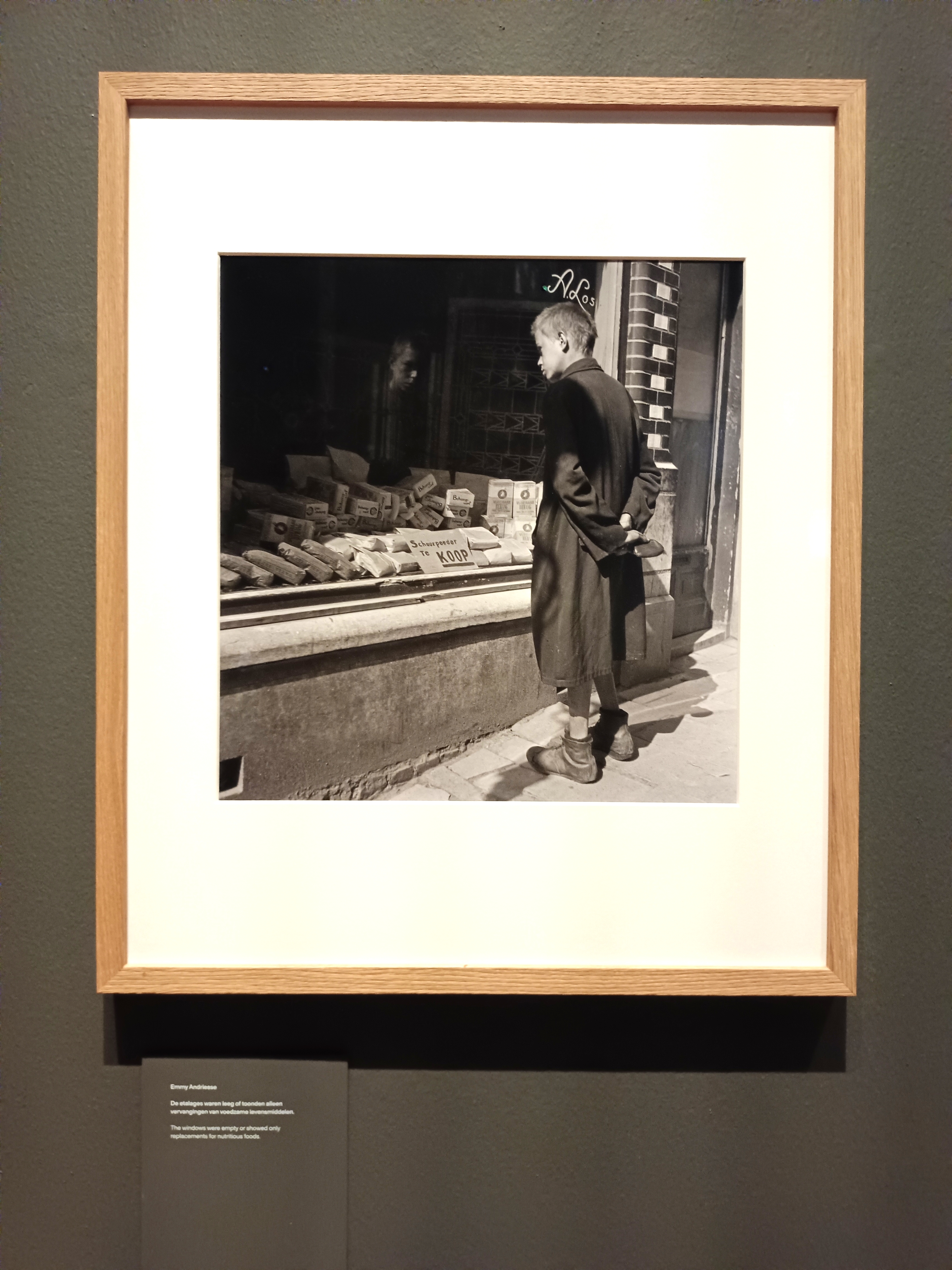
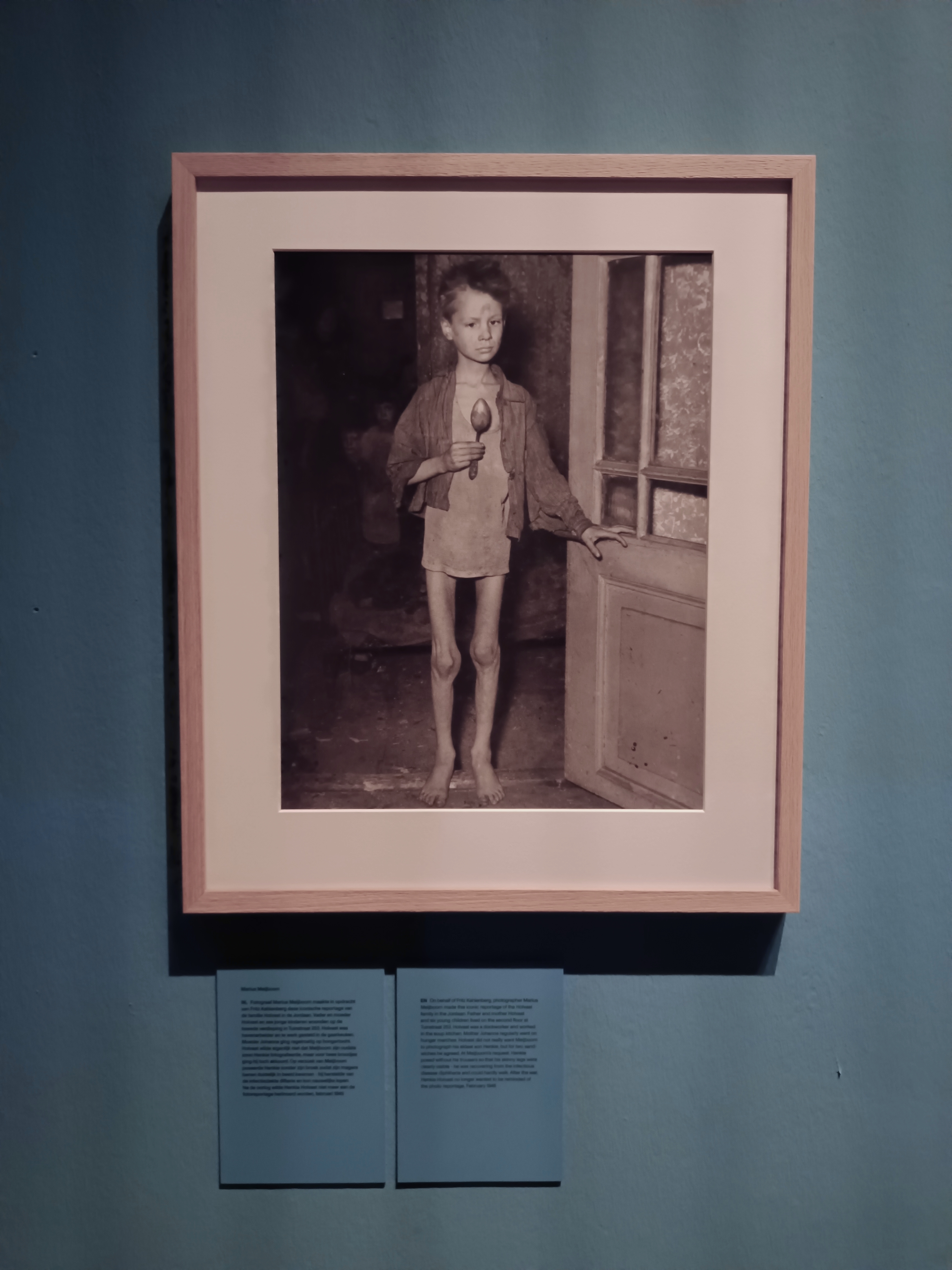
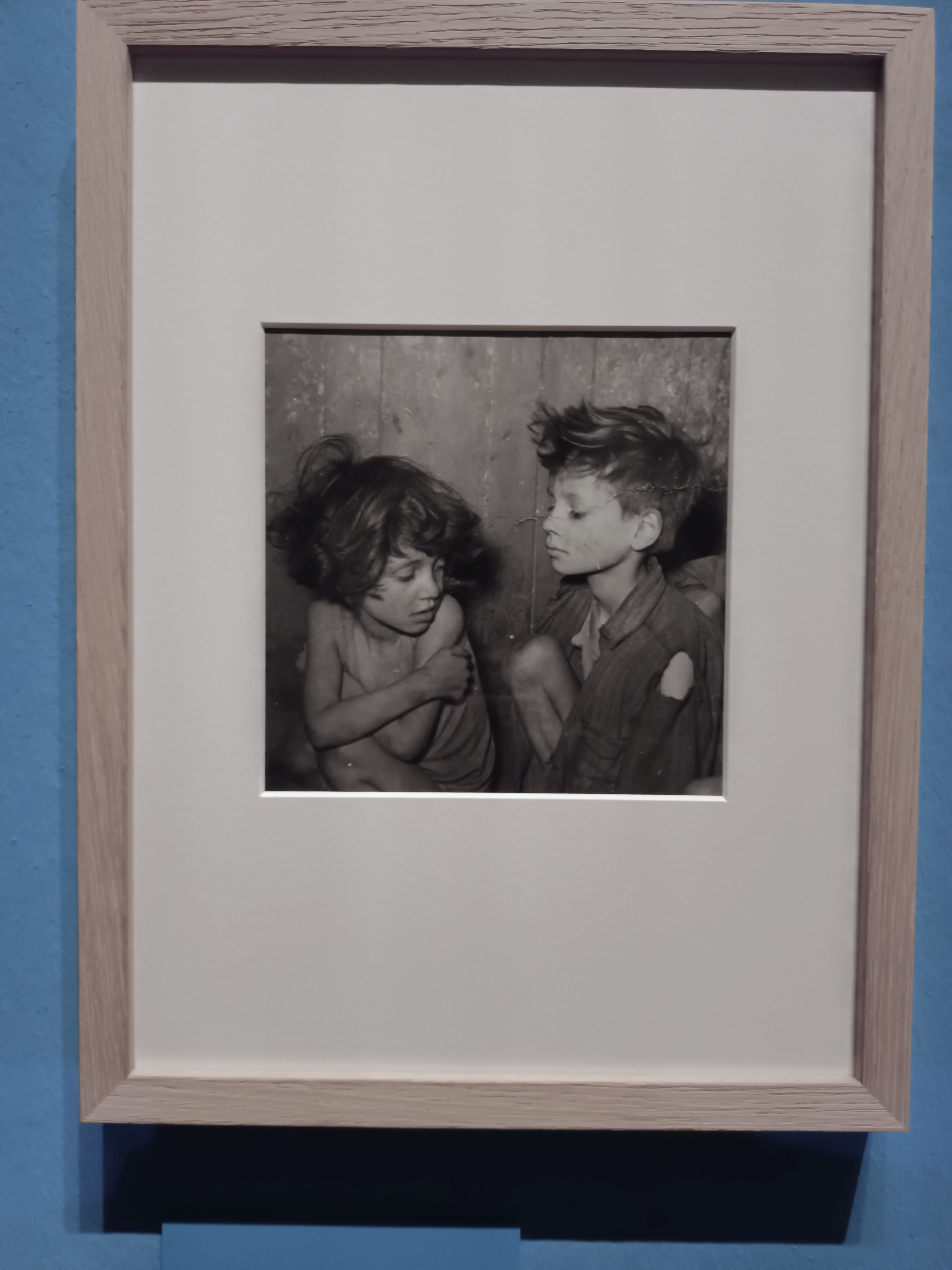
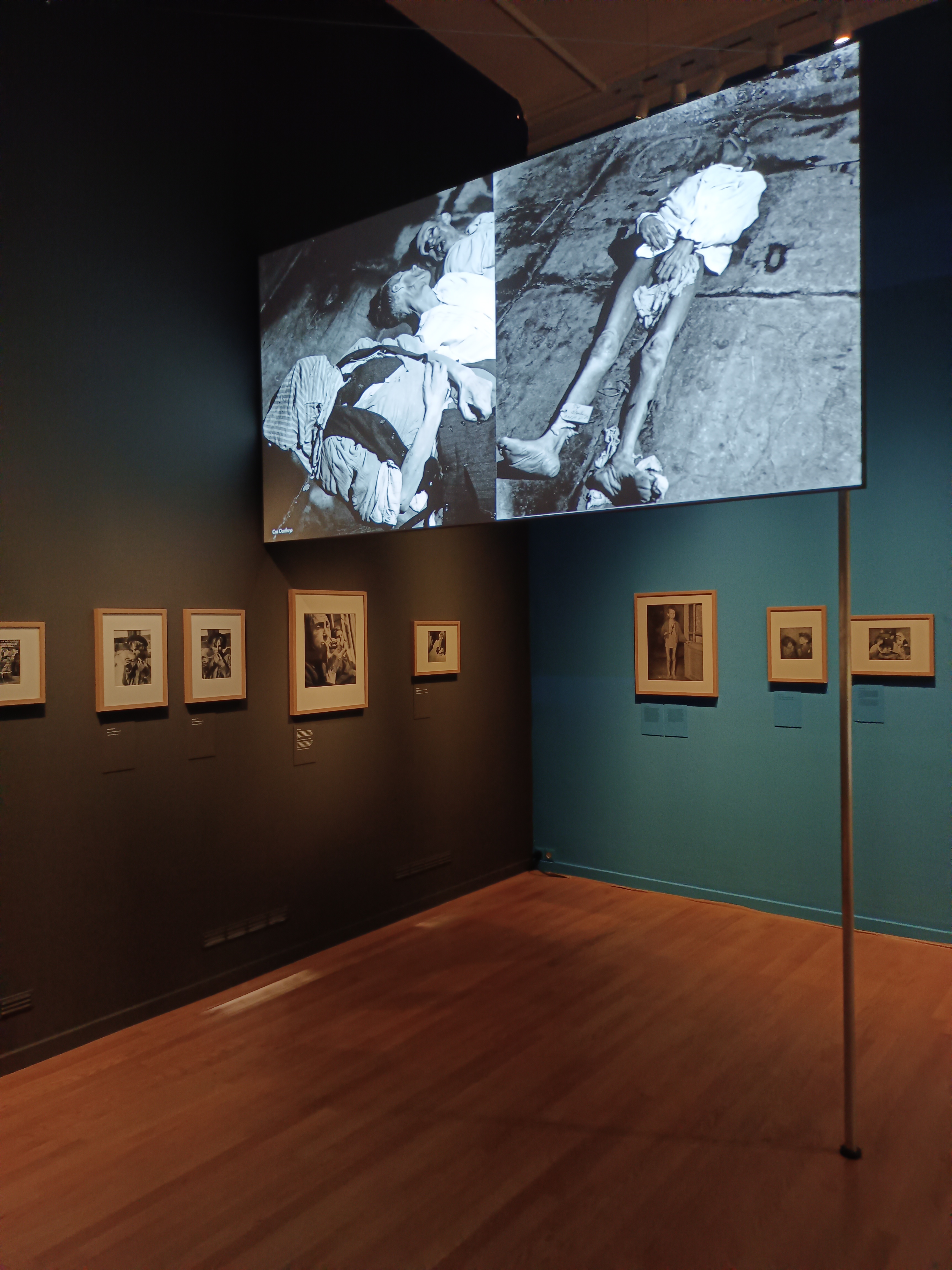
Earlier in the day, I visited the FOAM photography museum. The historical haunting images taken by a cohort of ‘stealth’ photographers towards the end of WW2 in Amsterdam, who risked their lives if caught, moved me immensely.

The Underground Camera exhibition is a powerful testimony that war and violence always affects the innocent. Families are torn apart, women and children starve or die of hunger, men are imprisoned or killed.

The picture of a hand sewing a Jewish Star emblem onto a coat to identify one’s Jewish ethnicity, as commanded by the occupying Nazis was a symbol of persecution and ultimately a death warrant to so many Jews in Europe.

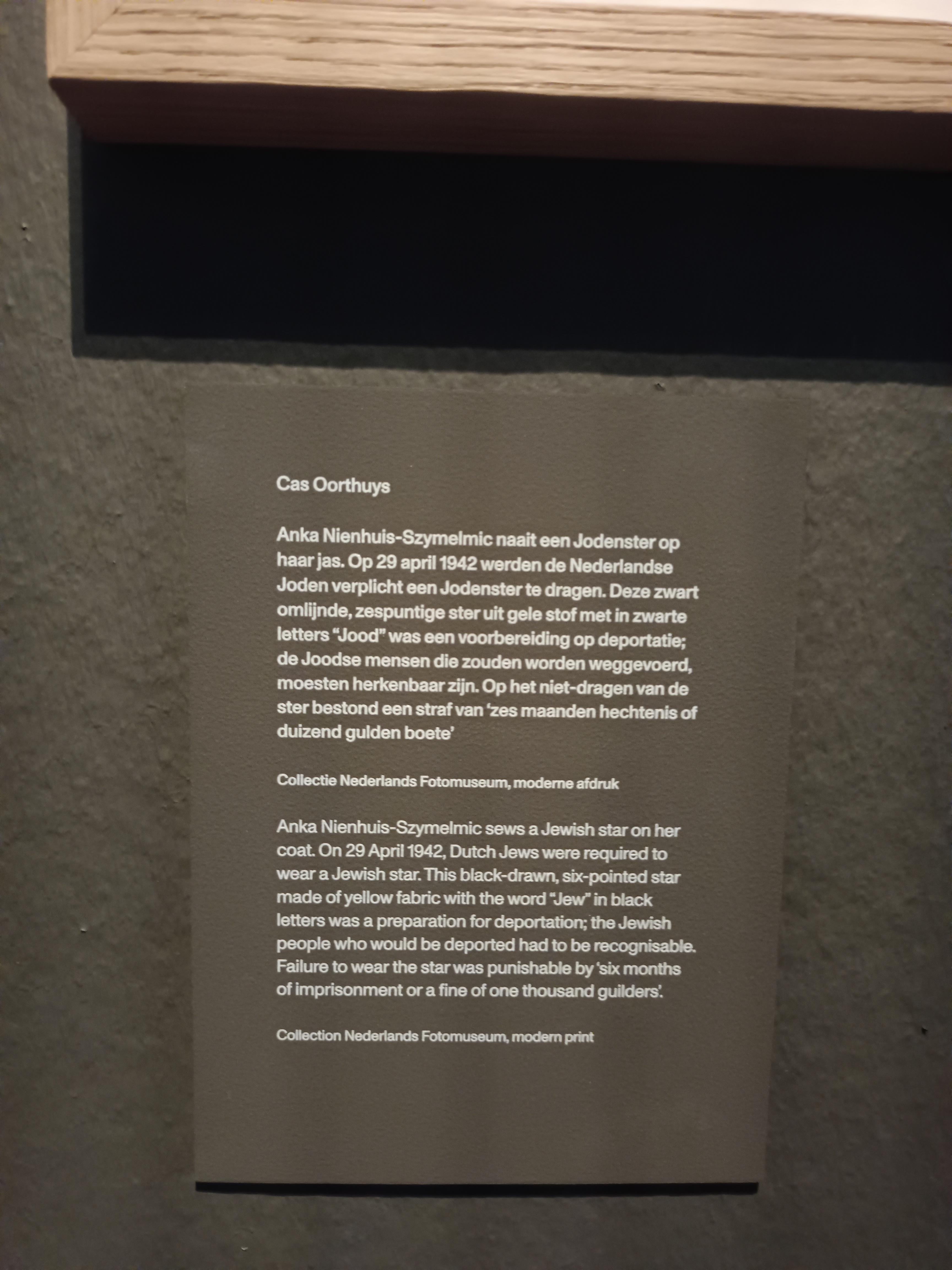
These harrowing images from WW2 serve as a reminder of the inhumanity of mankind and I’m glad to be able to see them 80 years on, as archival photographs. I acknowledge the brave men and women who felt it was their duty to take these images as a record and memory of a grim time in Europe.

The Underground Camera

Is history repeating itself? Do we ever learn from history? A little boy today can only provide hope that it doesn’t.

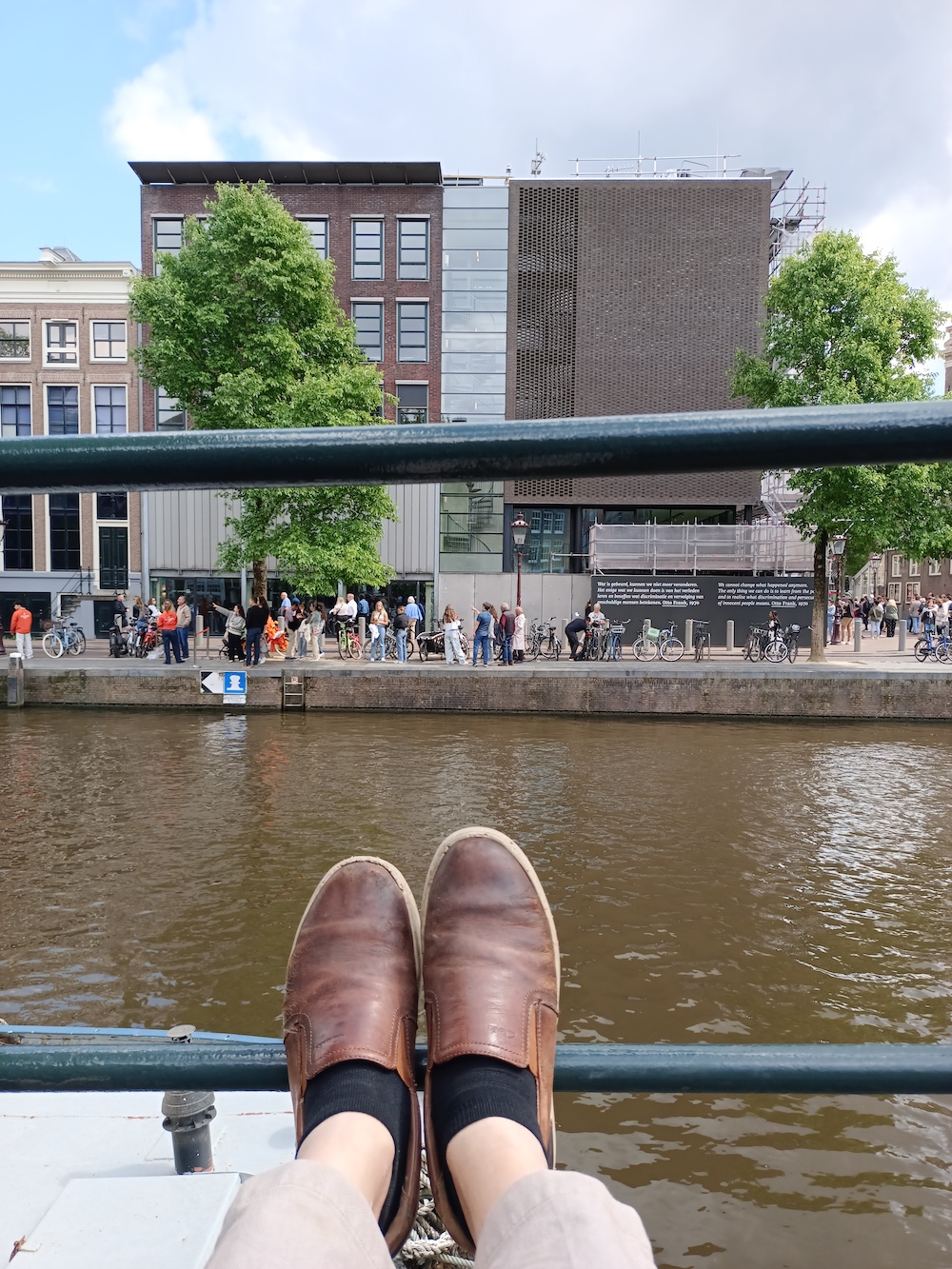
As I complete this post, I’m sitting across the canal of Anne Frank’s house, now a steel and glass structure to shepherd the thousands of visitors through the prewar home, once a secret safe space for this extraordinary story.
I cannot help but imagine the strength and courage of these young children like Mahmoud and Anne Frank, and countless innocent war victims, also Kim Phuc the ‘napalm girl’ in which she appeared as a terrified child horribly burnt, running away naked with her family from a US bombing raid. This famous image is now the subject of an authorship dispute.

Who are the aggrieved and who are the aggressors? Peace is fragile.

Photography, to me.

Is a drug.

More than the pursuit of the perfect image, it is an obsession to see more, understand more, and encounter more.

Photography is a journey to discover what exists, and can exist, if we see with our hearts and feel with our minds. Writers write and artists paint, starting with a blank canvas. With photography, the difference is subtle. We start with a canvas that is already full of life and colour. It is as real as it gets. Photography, by its very definition, cannot exist without light as there will be nothing to photograph.
I’ve immersed my entire adult life in this magic light trick, and now I take a step back. Long flights and drives allow me to think. Having just completed co-organising a third photo festival, even if it’s a minor one in comparison to others I’ve been to, I cherish the high moments and dread the lows. But there is no middle ground. It comes as a package deal.

The connections I’ve made in the name of photography over the past years have been fulfilling and rewarding. It has brought me to far flung places and closer ones to, meeting incredibly talented artists and wonderful people who are open minded and dedicated to the practice.
I’ve reviewed countless portfolios and continue to do so, and nominated artists to international awards. The takeaway I’ve learnt from all this is, there are stories to be told. Every photographer wants to tell a story. Even if it’s just one incredible image, without a story the image just hangs on the wall soulless.

The audiences to these are picky and may not be all too appreciative, however. It is very easy to overlook and brush less striking work aside and go for the visually popular images. After all, today’s society prefers repetitive and spoon-fed visuals that are easy to understand, aesthetically pleasing and requires no thinking. We like ‘hi-fi’ photography, where bass and treble are set to the maximum, loosing the subtleties and nuances in between.

I started KLPA because I am interested in the face and how every portrait is a reflection not only of the sitter, but the photographer as well. We just celebrated the 15th back-to-back edition of the KLPA and therein lies a dilemma. Is interest waning? At times I feel a responsibility towards the photo communities, to its followers, and to the past winners, to retain KLPA’s vision and standards, year in and year out. This is not easy to maintain. I have good years and lesser ones. Ebbs and flows. 2023 was a good year. The finalists received record worldwide views. But there is a constant fear that KLPA is not being sufficiently visible, especially locally. Perhaps it’s just my expectations on what I would have liked it to become.

Similarly as festival organisers, do we alienate certain interest groups to the benefit of others? Or do we keep to our mission and yet be inclusive. Like an ocean liner, once the course is charted, we set sail, avoiding the icebergs along the way. And the people we cater to are the paying passengers. Or do we pick up new passengers along the way and explore new destinations?

I photograph less nowadays. Perhaps I have no stories to tell, yet I have unfinished projects that need to be completed and these are being put off year after year. There are always stories to tell.

Pic: Man with brolley, Kobe, 2017 © Steven Lee

Back in time : Kuala Lumpur

It’s Sunday and where I live it’s now Tier 2 of the latest Covid-designated level of restrictions. Tier 1 being Medium risk, 2 meaning High and Tier 3 is the absolutely no mingling stay home, pub-closing variety. Anyway the scientists (who listen to scientists anymore, I wonder) say all these tiers are confusing and pointless, since the virus cannot read and they fly around in the boundary-less air with the wind, and they will come and infect you whether you are drinking in the pub, exercising in the gym or do sweaty yoga unless you are in Westminster and your name is Dominic or so they say.

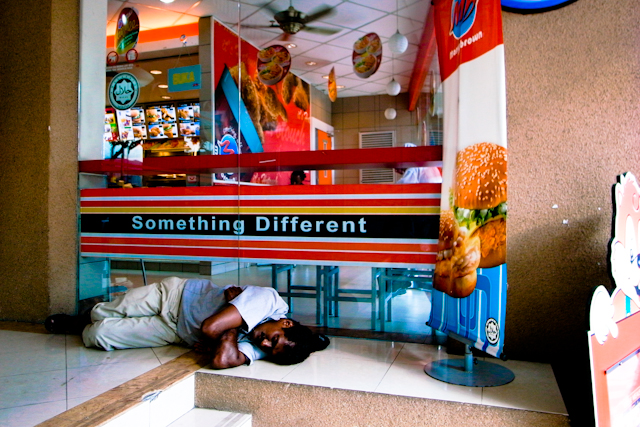
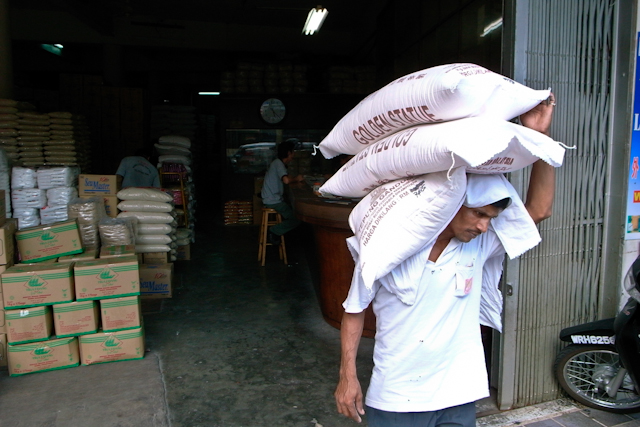
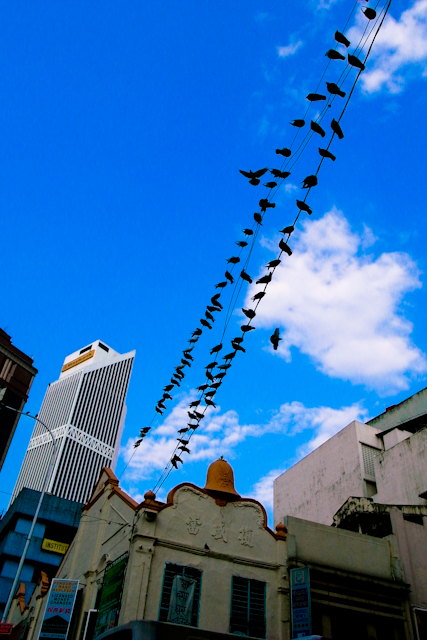
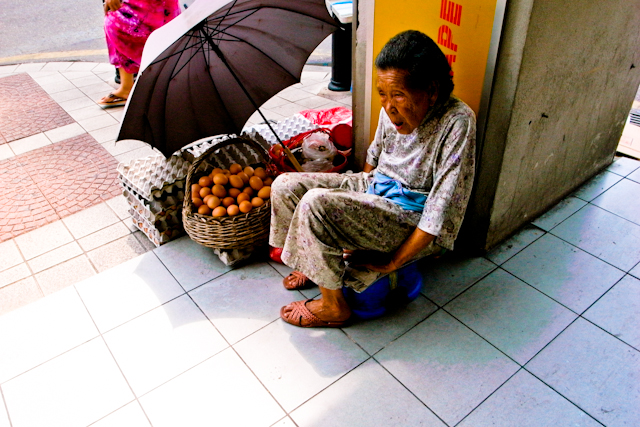
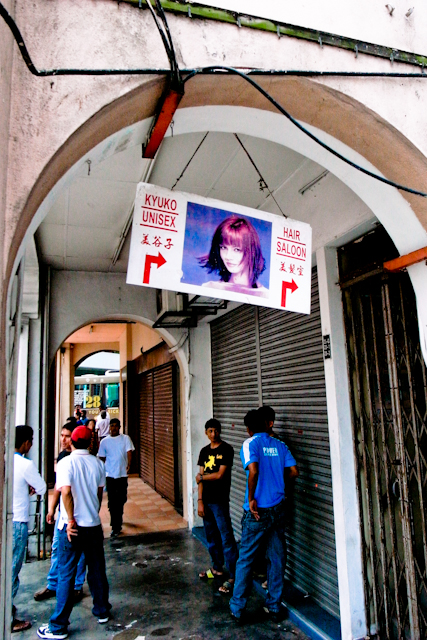
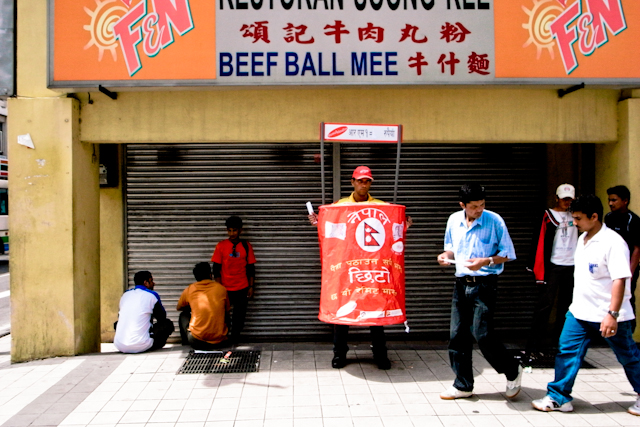
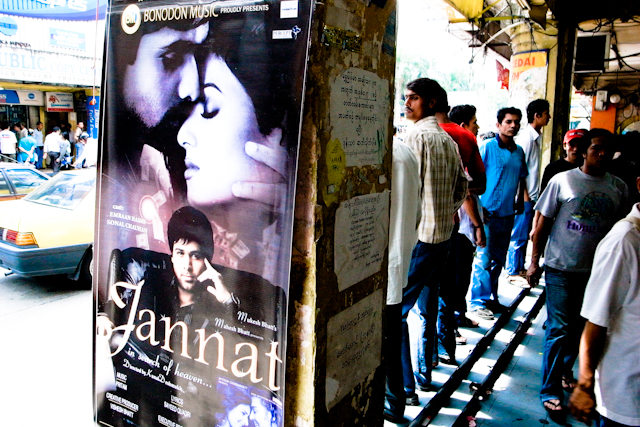
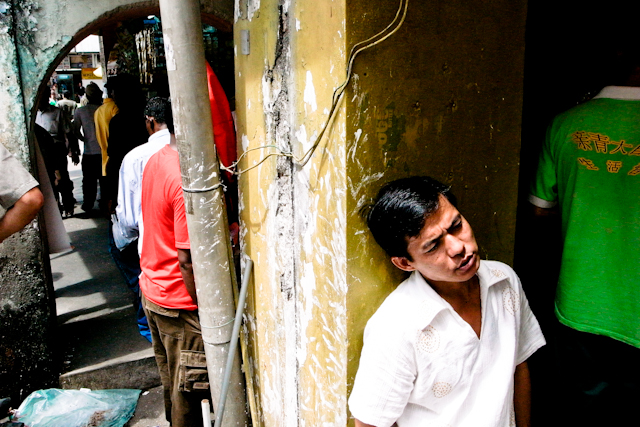
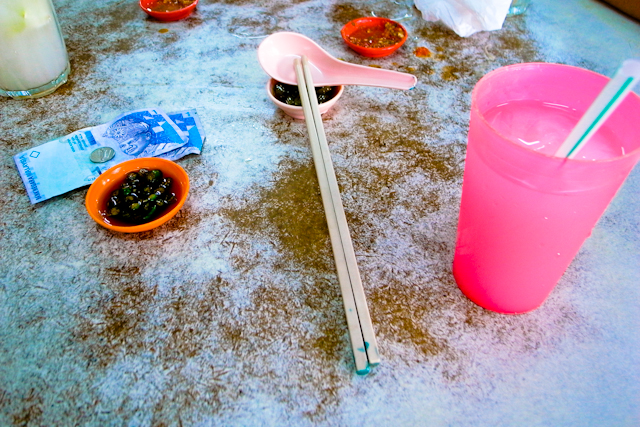
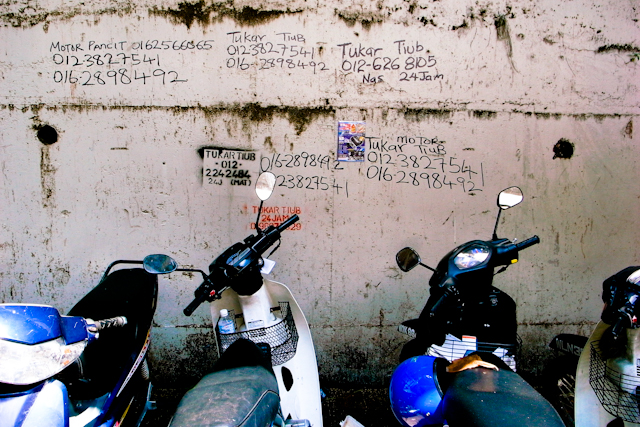
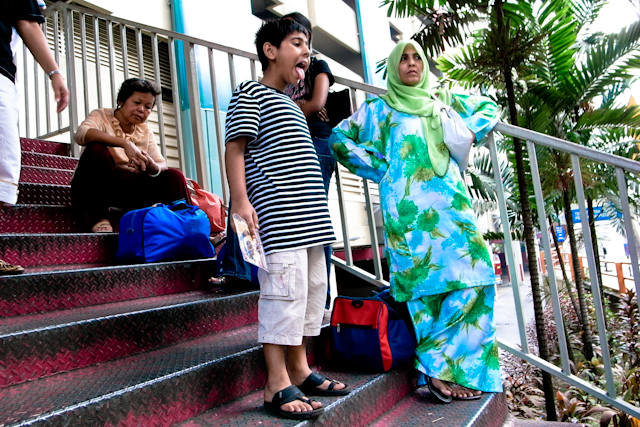
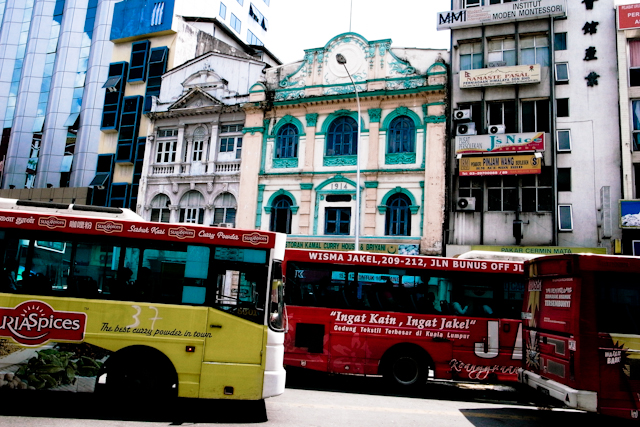
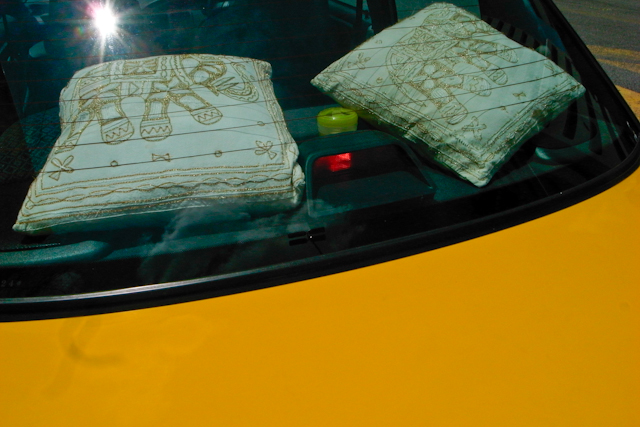
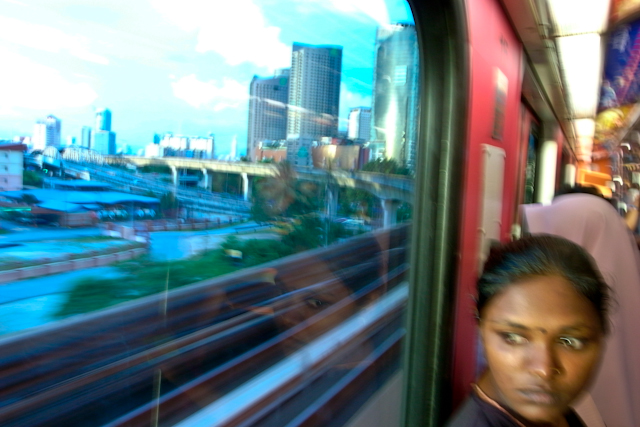
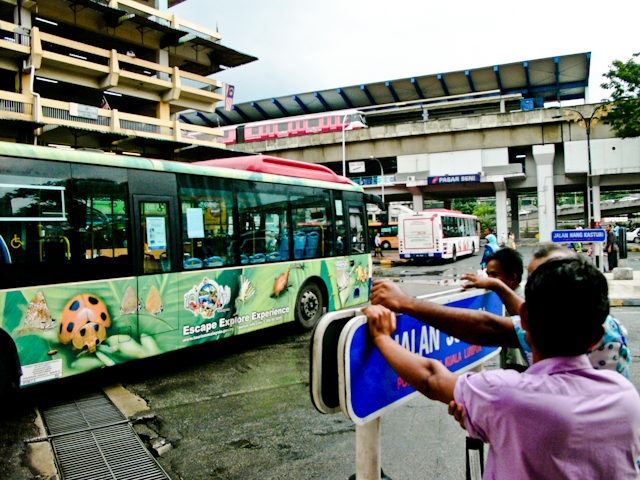
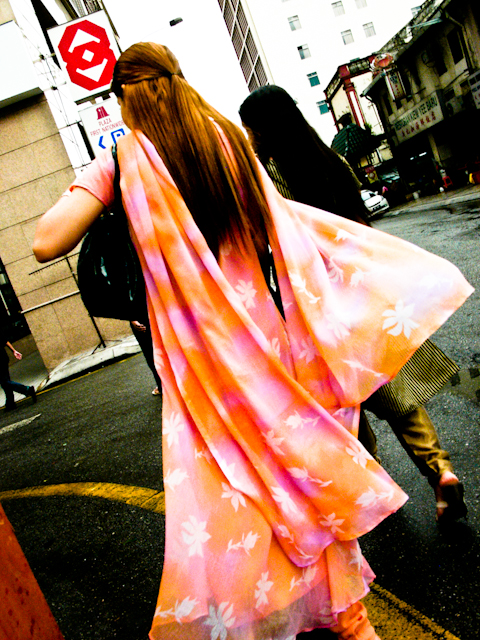
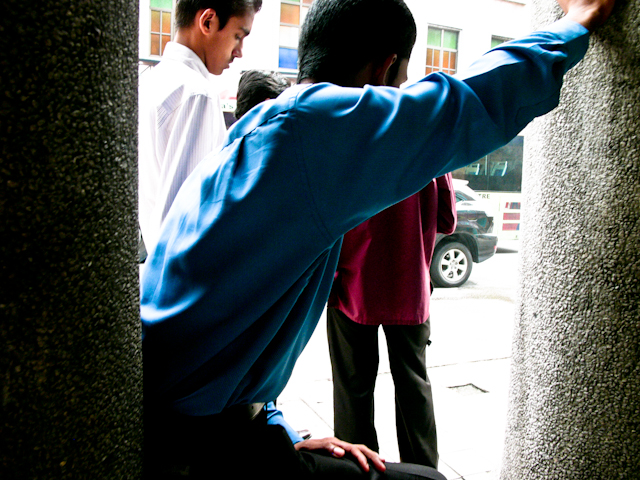
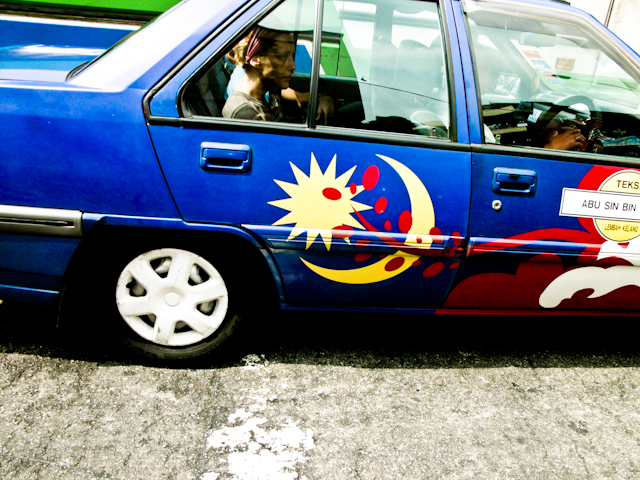
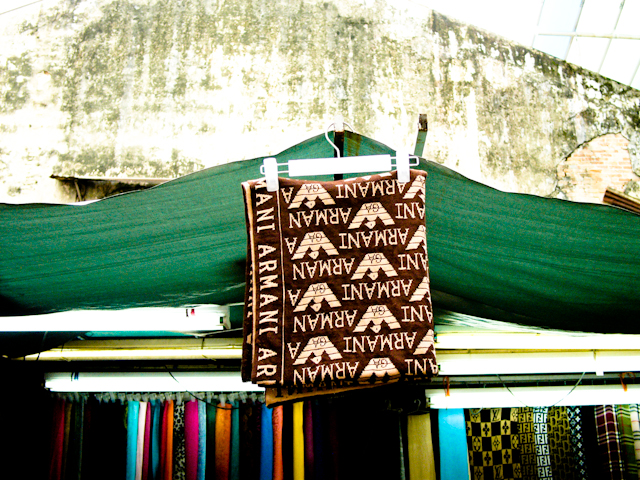
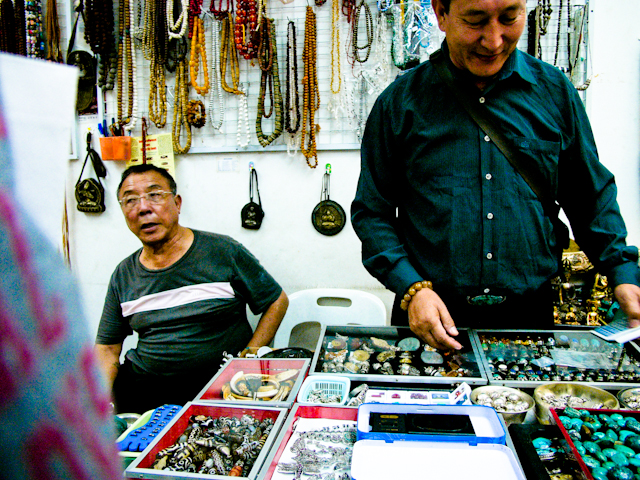
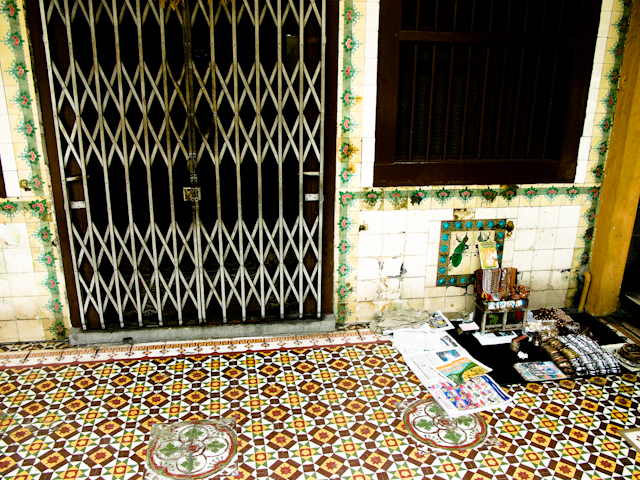
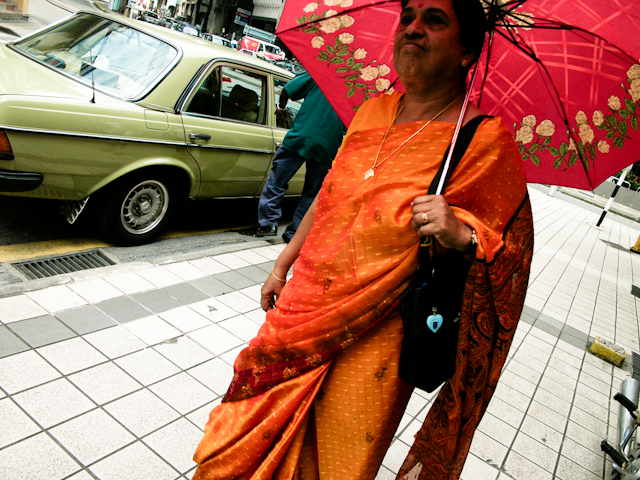
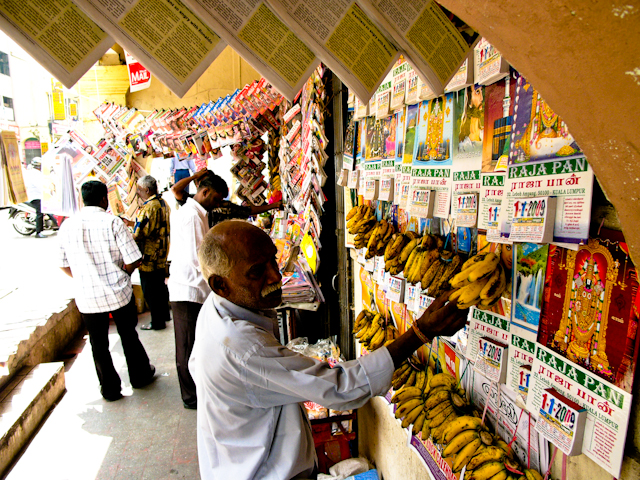
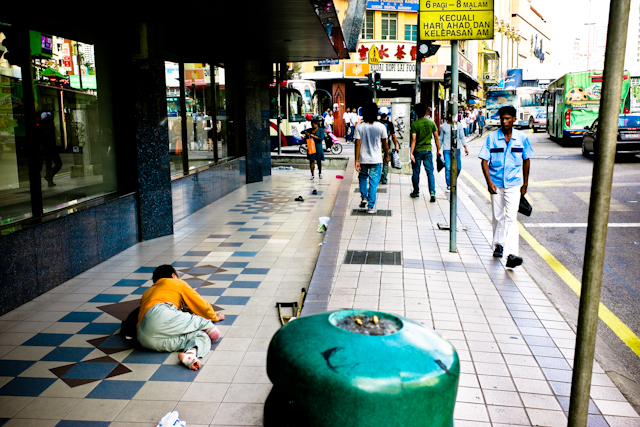
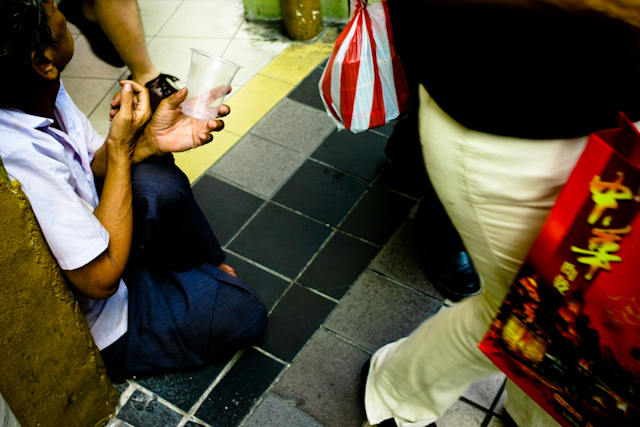
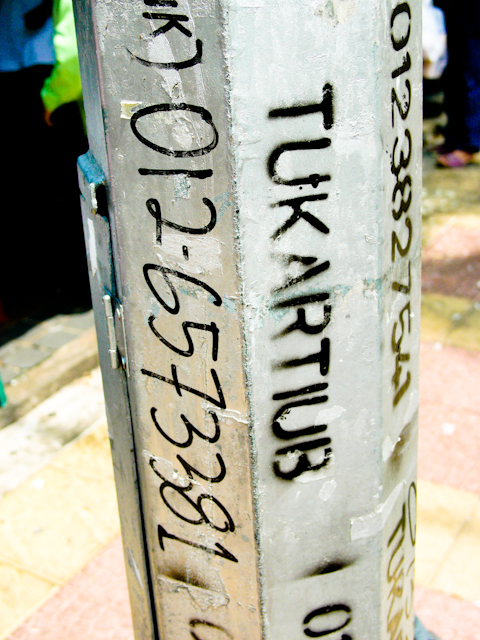
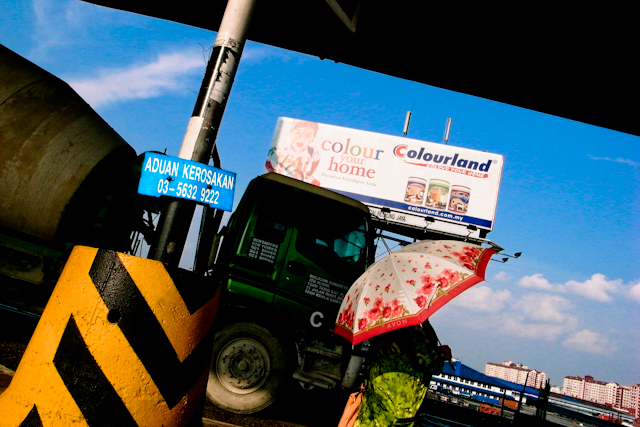
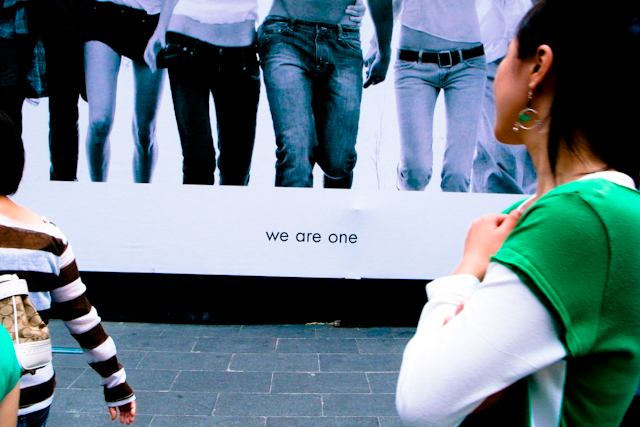
But I digress. Here are some pictures of KL central, from way back, yes in 2008, when I was hoping to be a successful ‘street’ photographer (don’t we all) since almost every photowalk that has ever been organised that I recall always starts in Petaling Street and teaches street photography.

Has it changed? I wonder where these people are today, their faces frozen in time. Do you recognise them, it would surely be interesting to know. Apologies for the garish oversaturated colours, but like sepia and spot colouring, it was in trend back then. I’m more into muted tones now.

Elizabeth’s garden /1

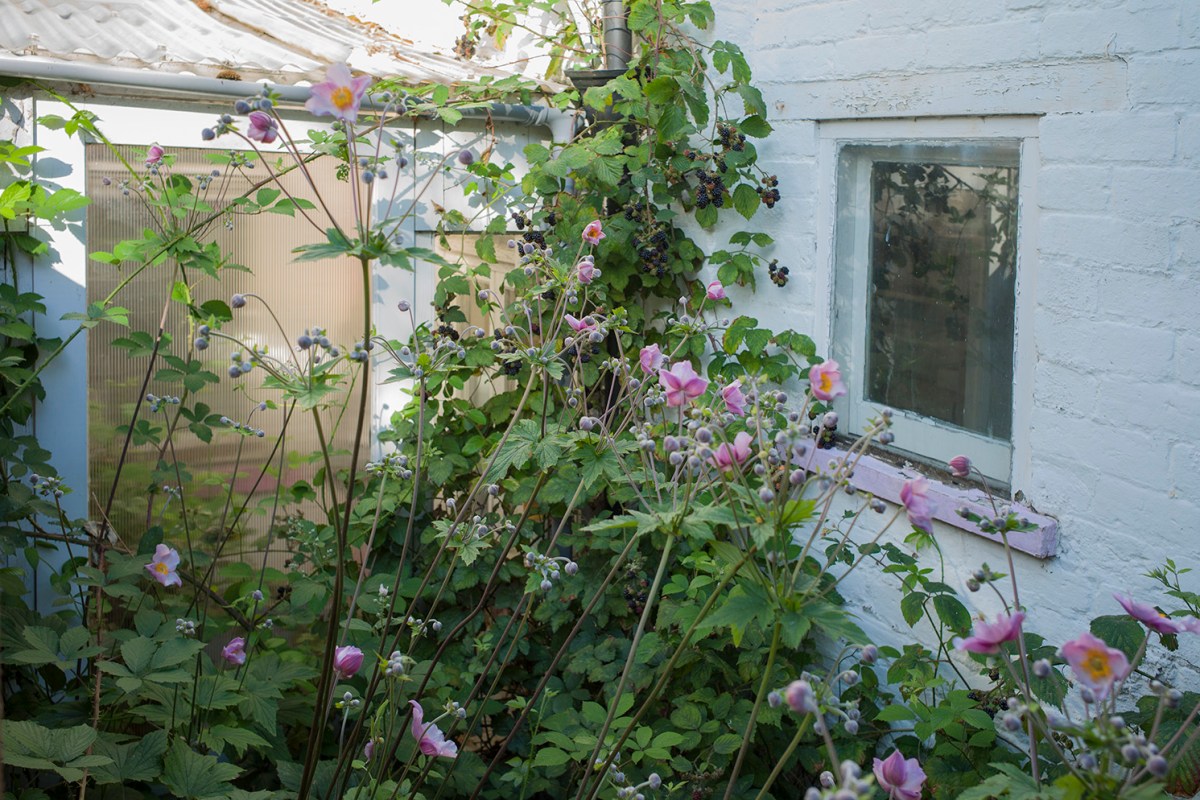
My neighbour Elizabeth is an elderly spinster who has been very ill ever since I moved in next door to her last year. She is bedridden and does not go out, and she gets visits from carers several times a day to feed and care for her. Since February this year, she deteriorated and I understand she is now staying in a local care home.

Her garden is completely overgrown but there grows some beautiful wild weed, roses, blackberries and shady trees.

Winter into Spring

Discovering that all the local trees have sprouted their leaves and blooming with flowers since we entered the lockdown in early March, I took a walk along the towpaths of the River Wey about 15 minutes away.

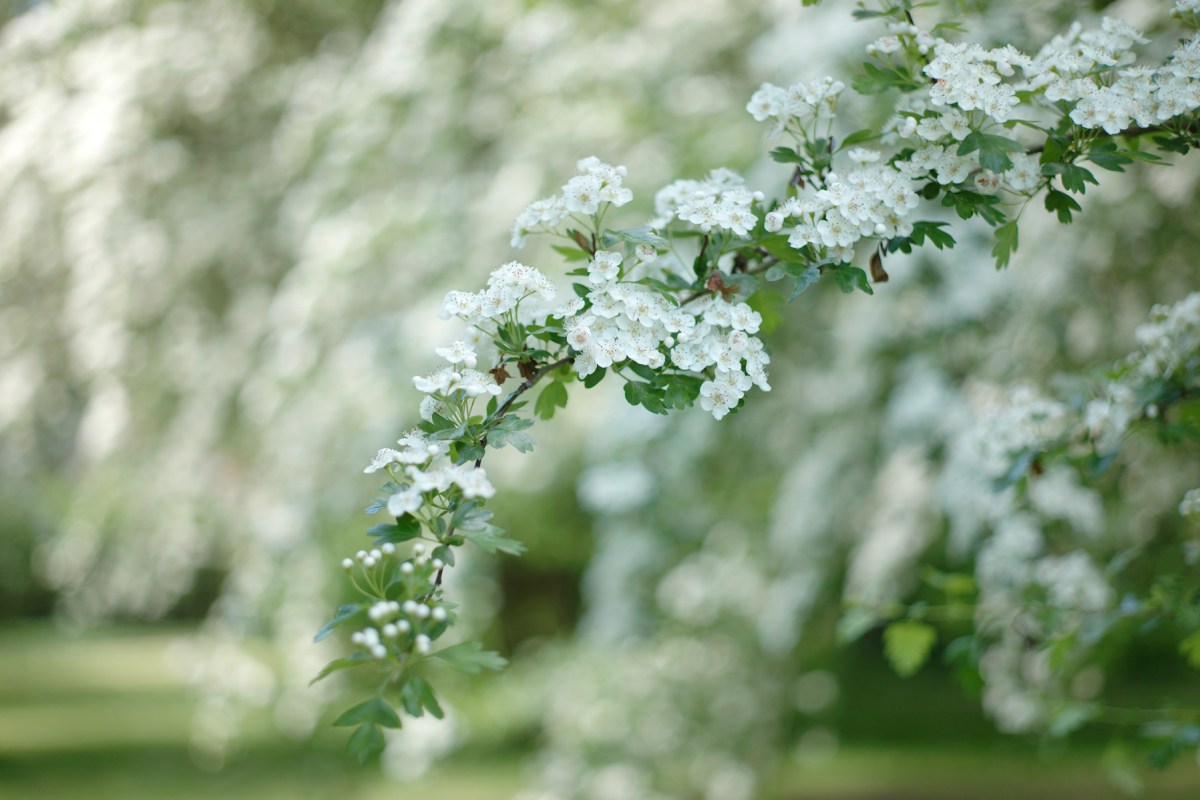
On a small private island, there is a public park with many mature trees, some are in full bloom, like this one, a hawthorn. Simply magical, shady and fragrant.

Istanbul : East Meets West


© Steven Lee, 1998

New dates 30 Sept~ 3 Oct 6-10 October 2010 : 4 Days £450 Booking now

Itinerary : TBA

I visited Istanbul in 1998, traveling across Turkey, from Gallipoli, down south to Izmir, Ephesus, Kusadasi and Pammukale. The Bosphorus harbour is a hive of activity, not unlike Hong Kong, with ferryboats to-ing and fro-ing from East to West Istanbul, people fishing, fishing boats, petty traders, newspaper sellers and freshly grilled sardines by the waterfront. Standing majestically in the backdrop on hill is the unmistakable Haghia Sophia dome with its minarets reaching out into the heavens.


© Steven Lee, 1998

We hope to return to Istanbul with a small group to do it justice again, photographing the narrow streets in Sultanahmet, the palaces and history buildings, and of course the amusing residents of this great City.


We are also Booking now!

Rajasthan, Land of Kings

Rajasthan, Land of Kings , India : 10 – 21 November 2010 : 12 Days £1850** Booking now!