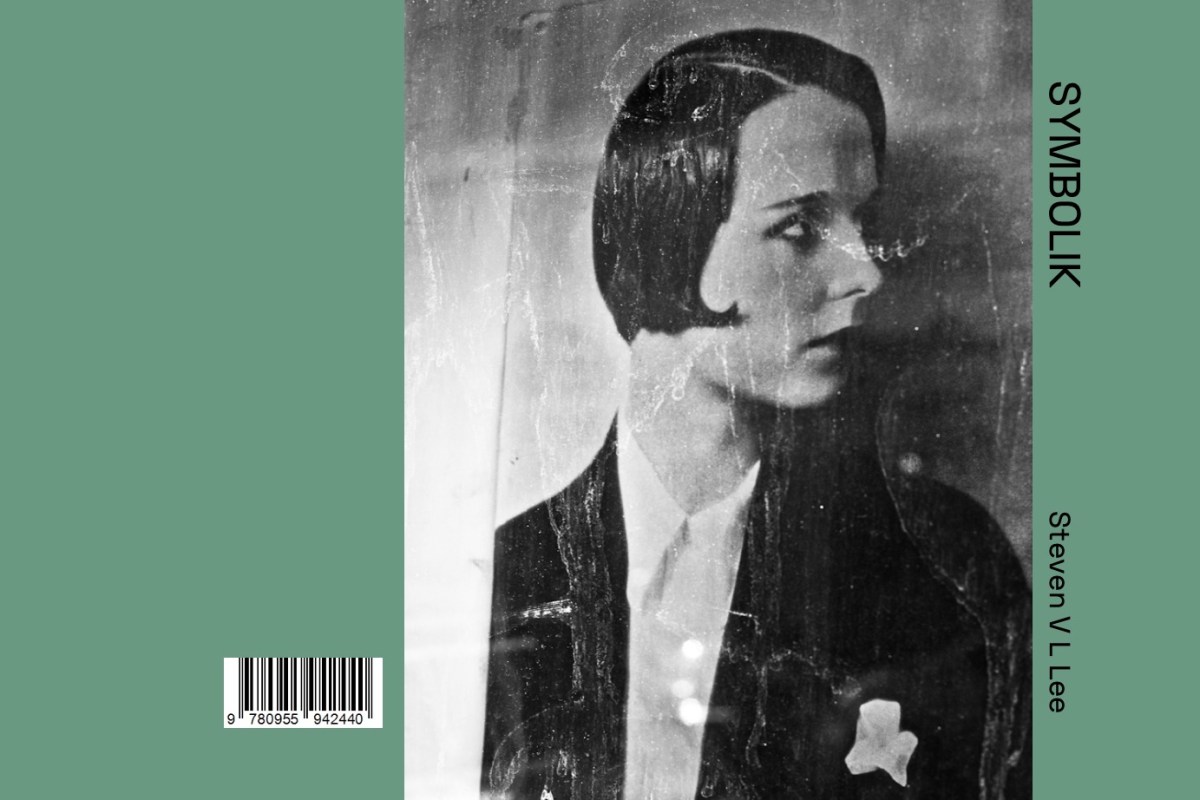
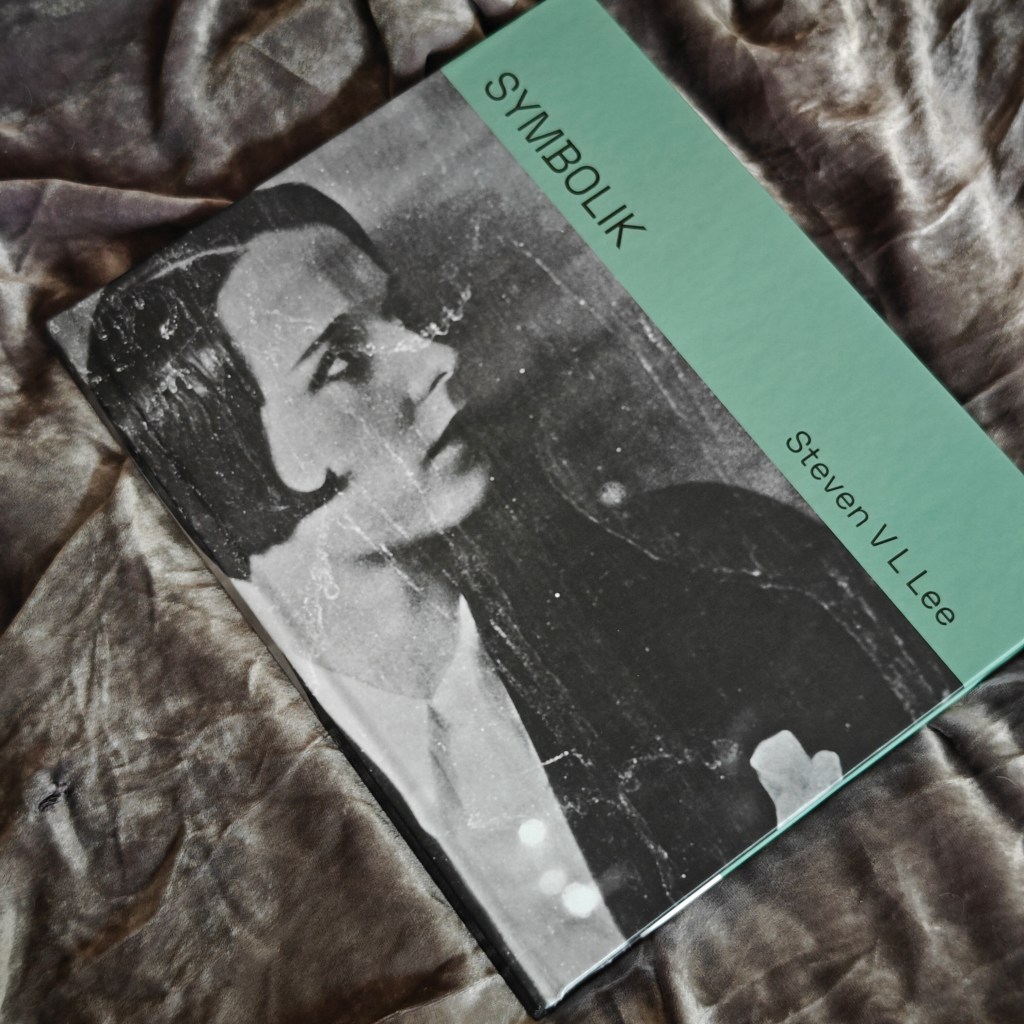
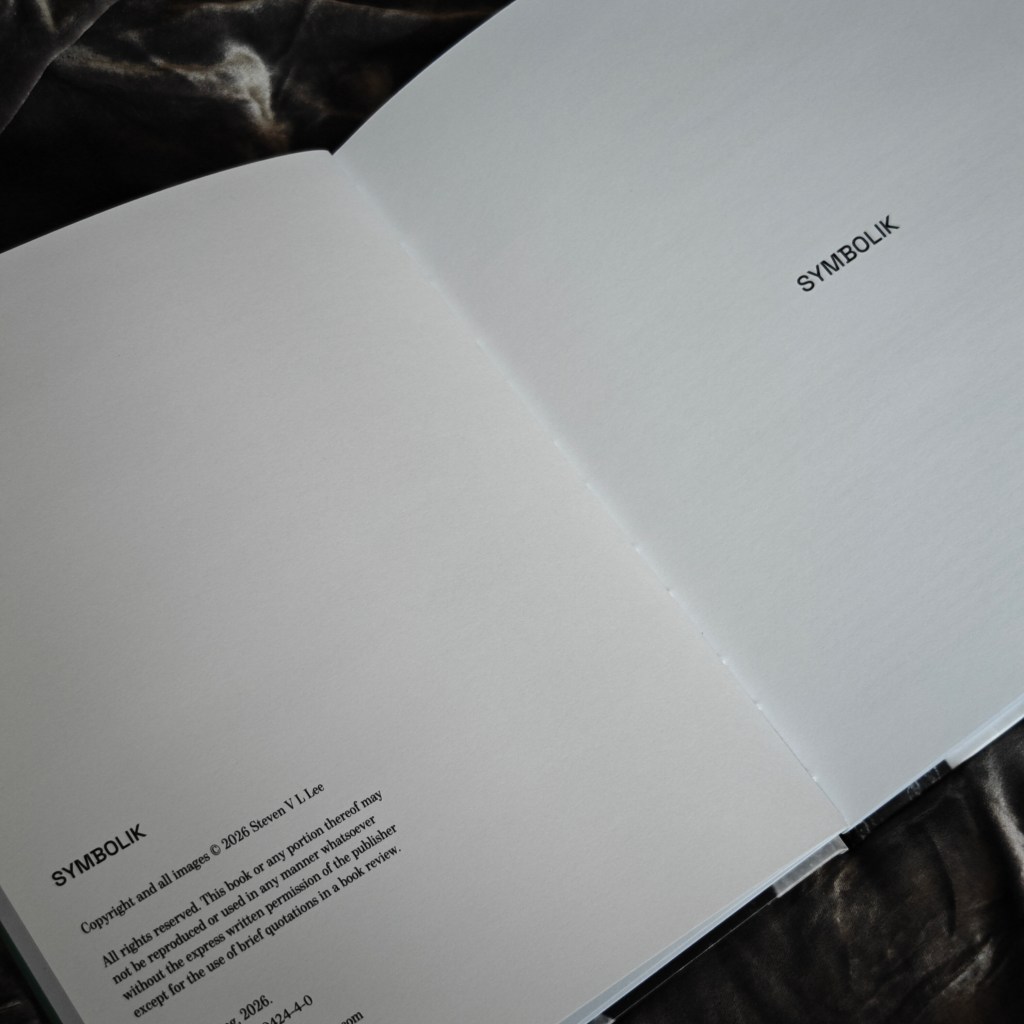
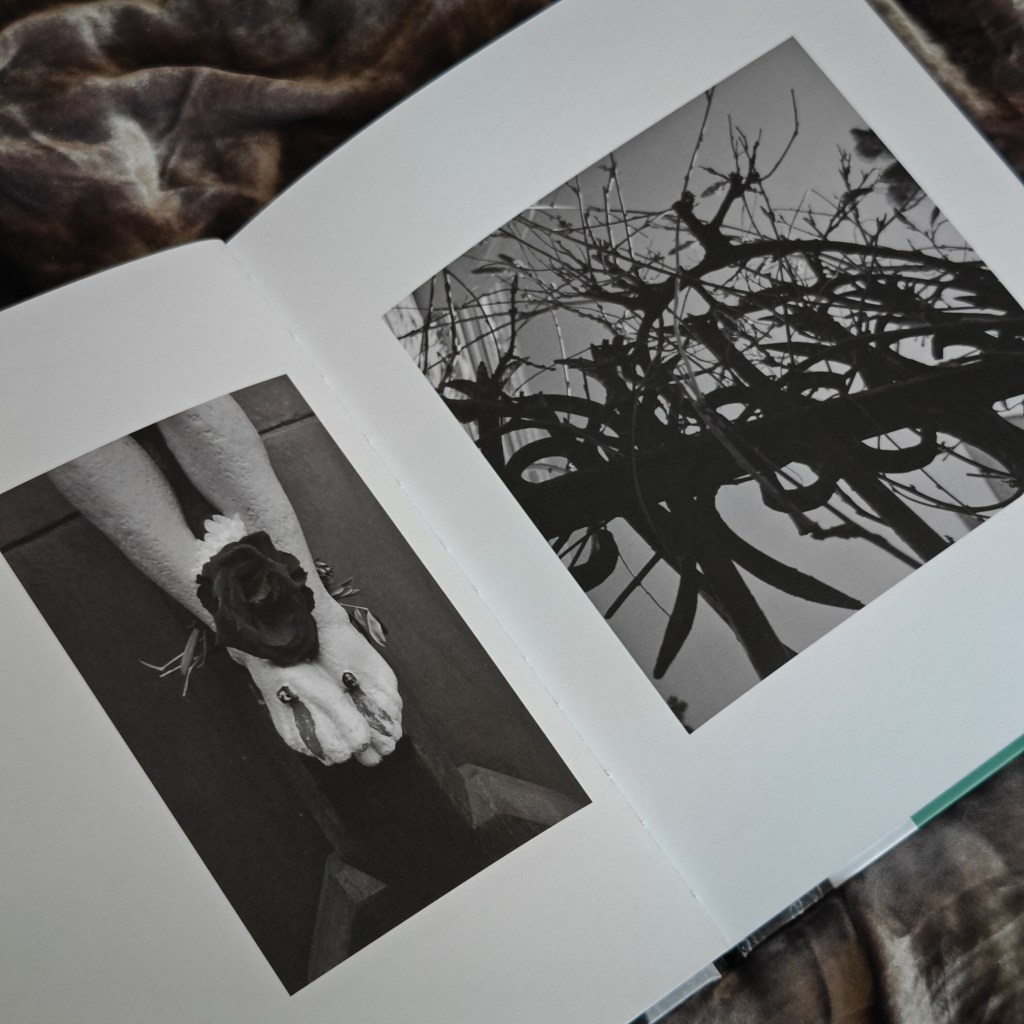
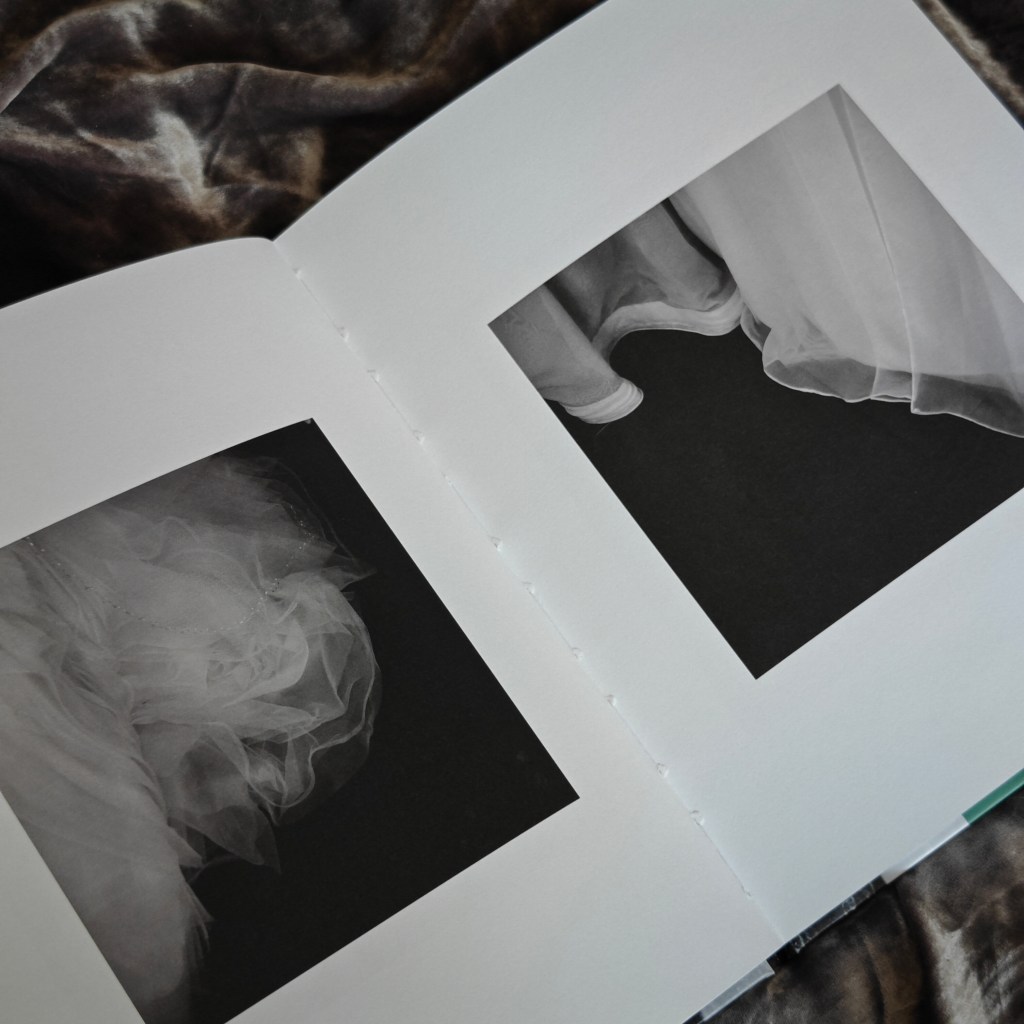
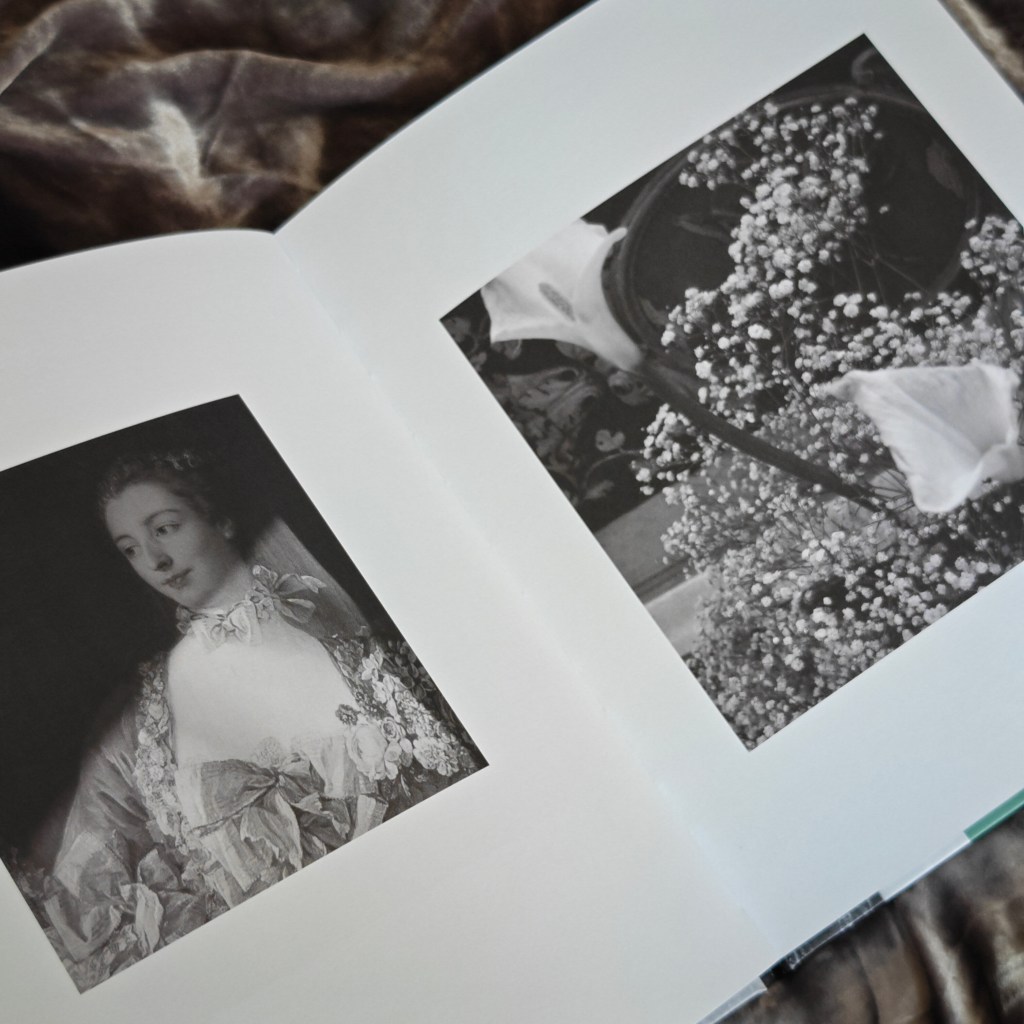
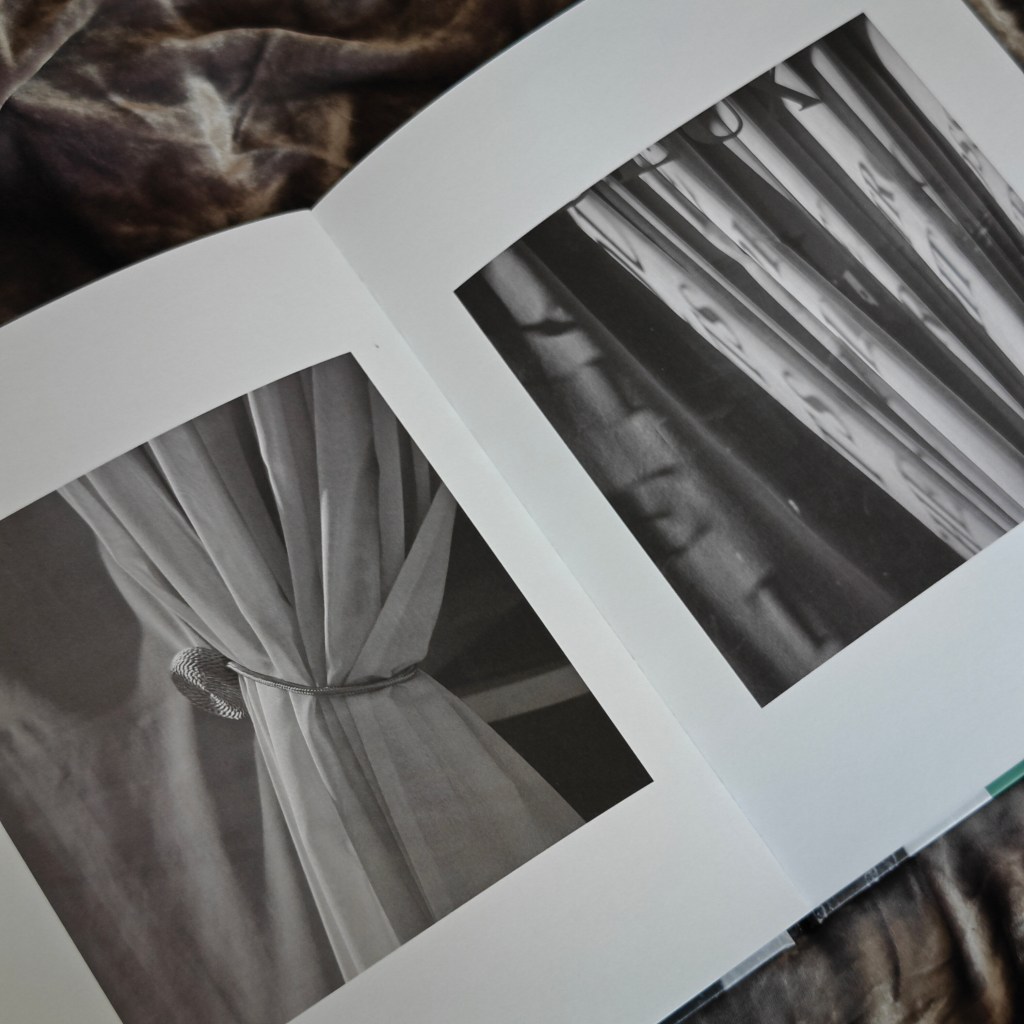
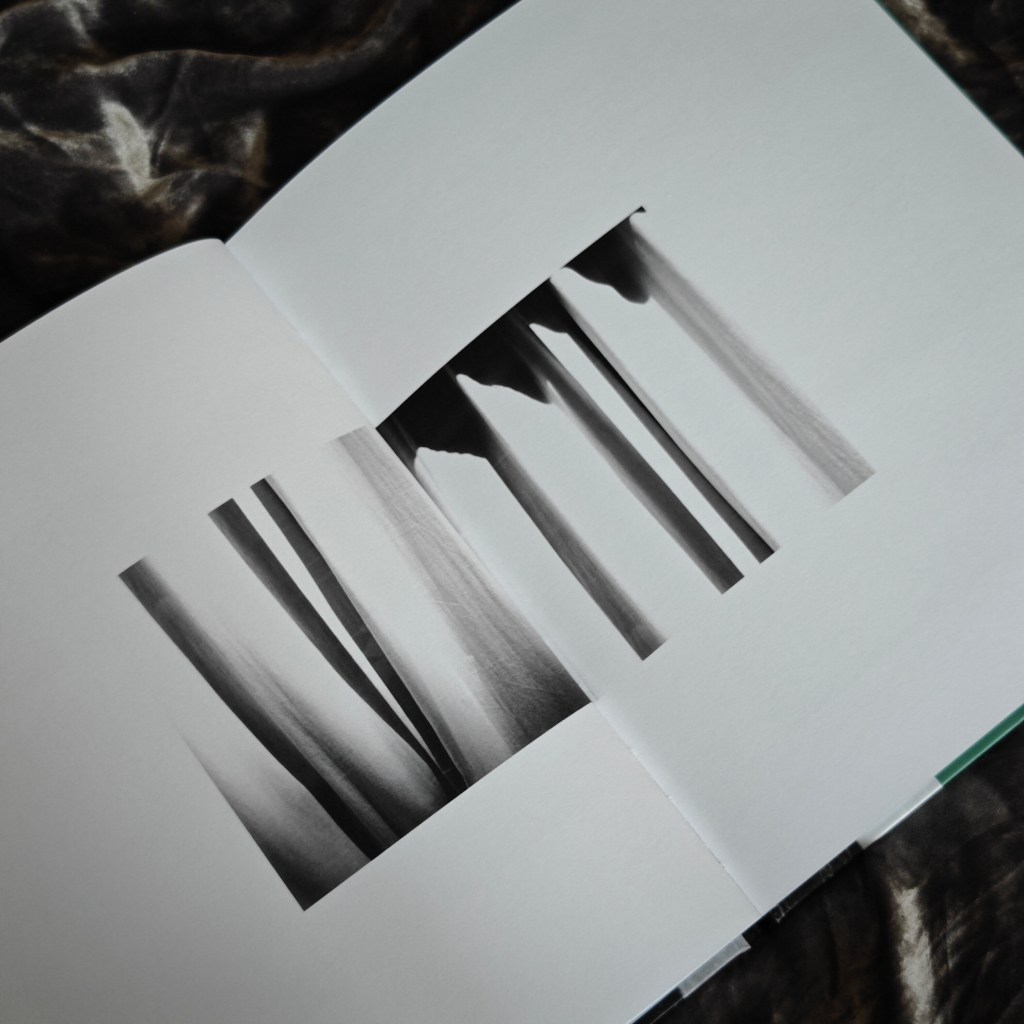
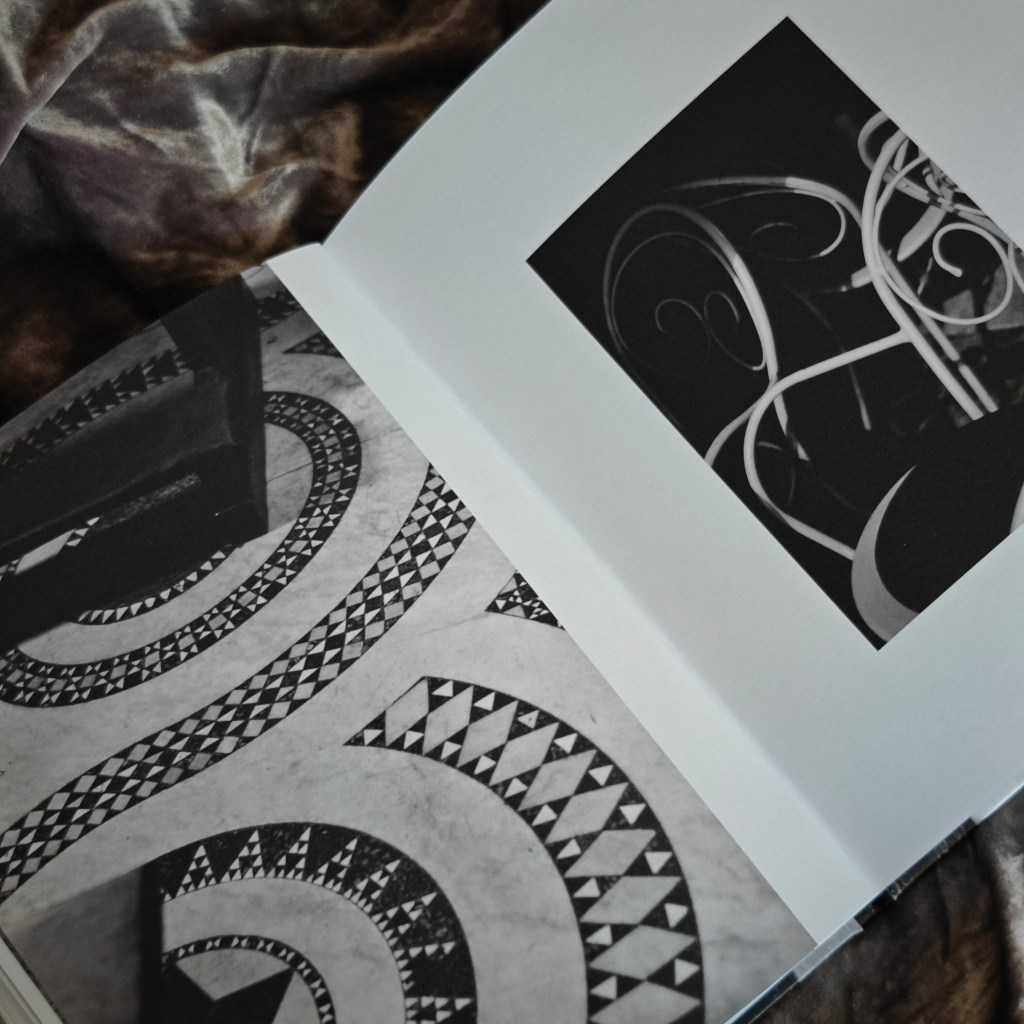
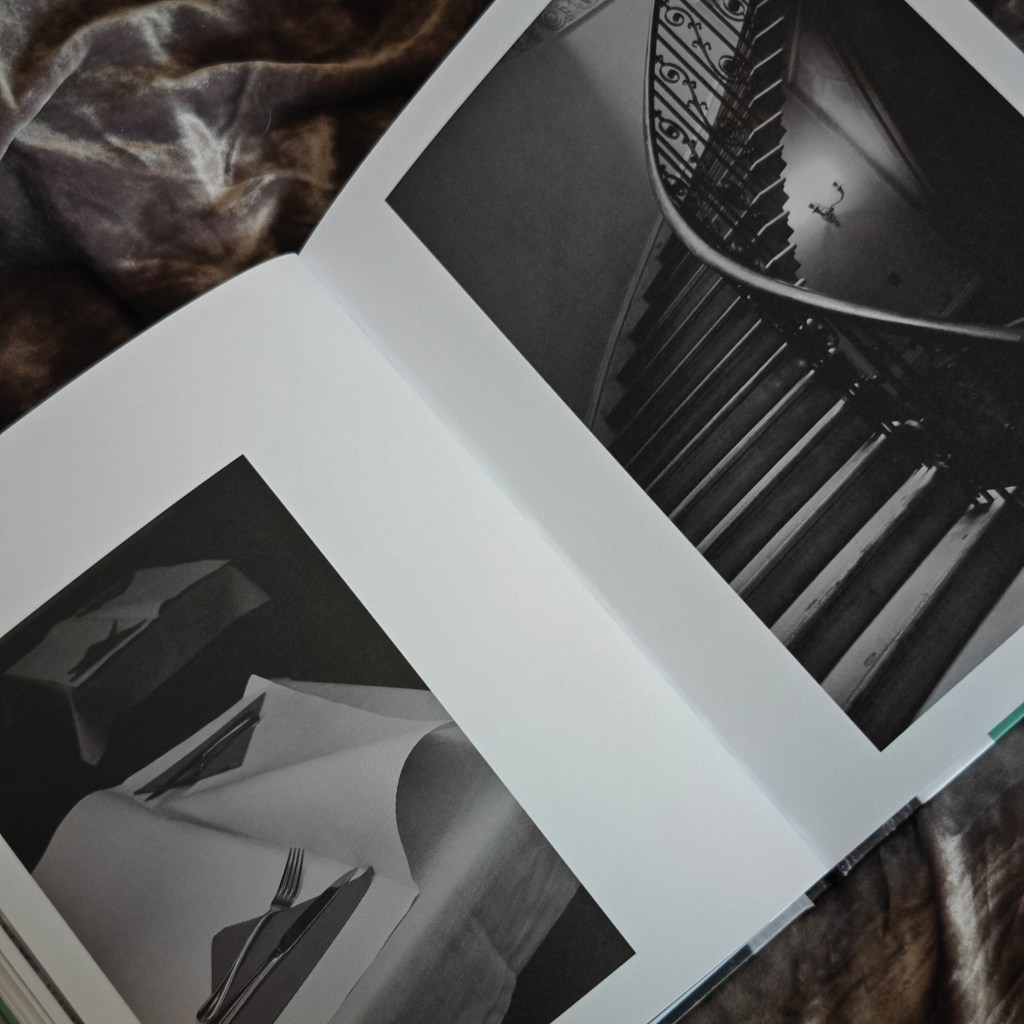
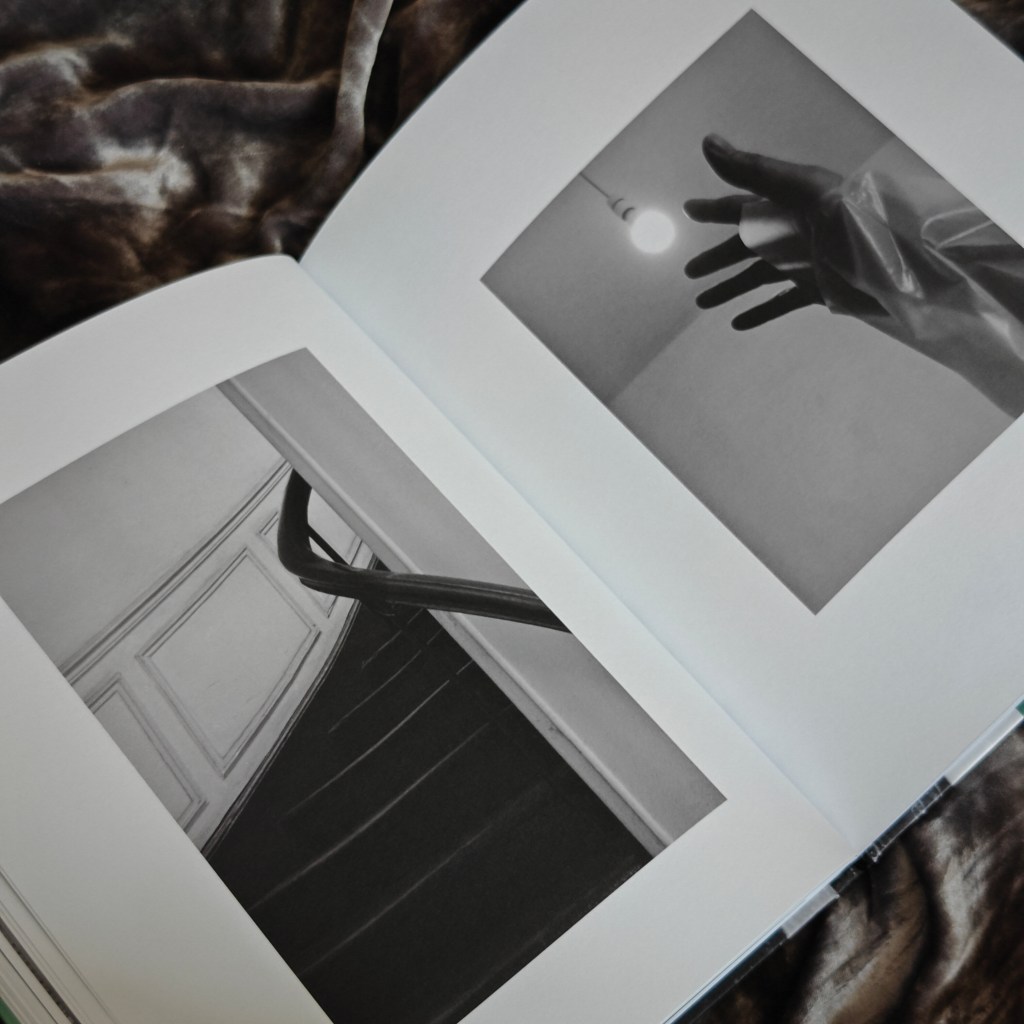
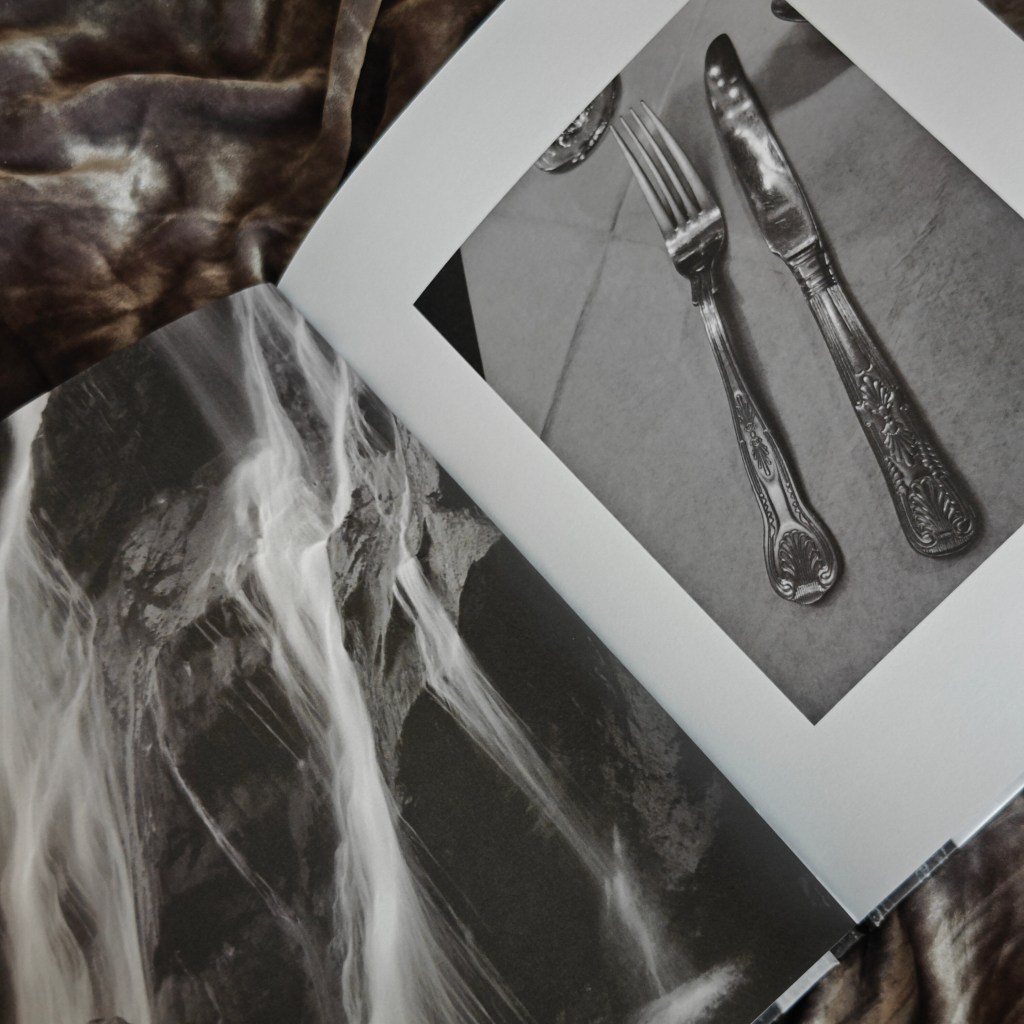
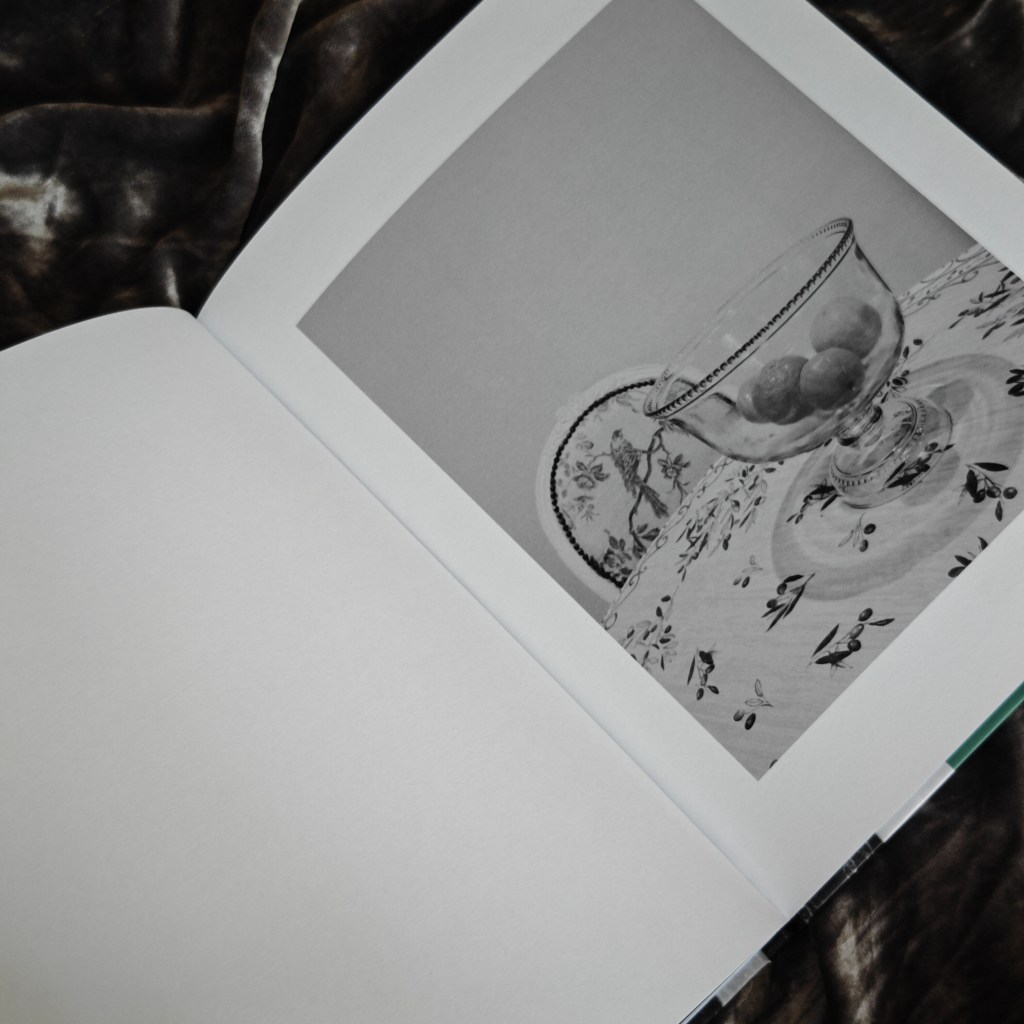
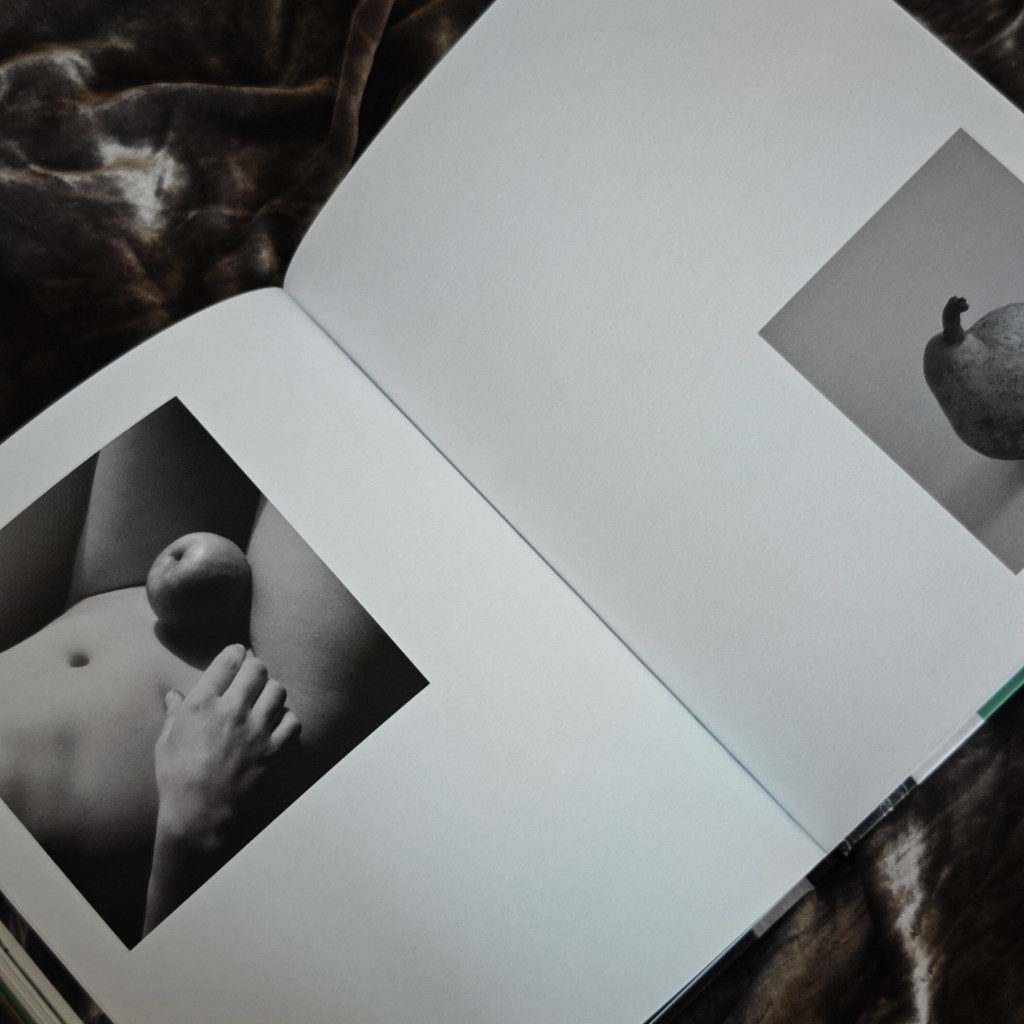
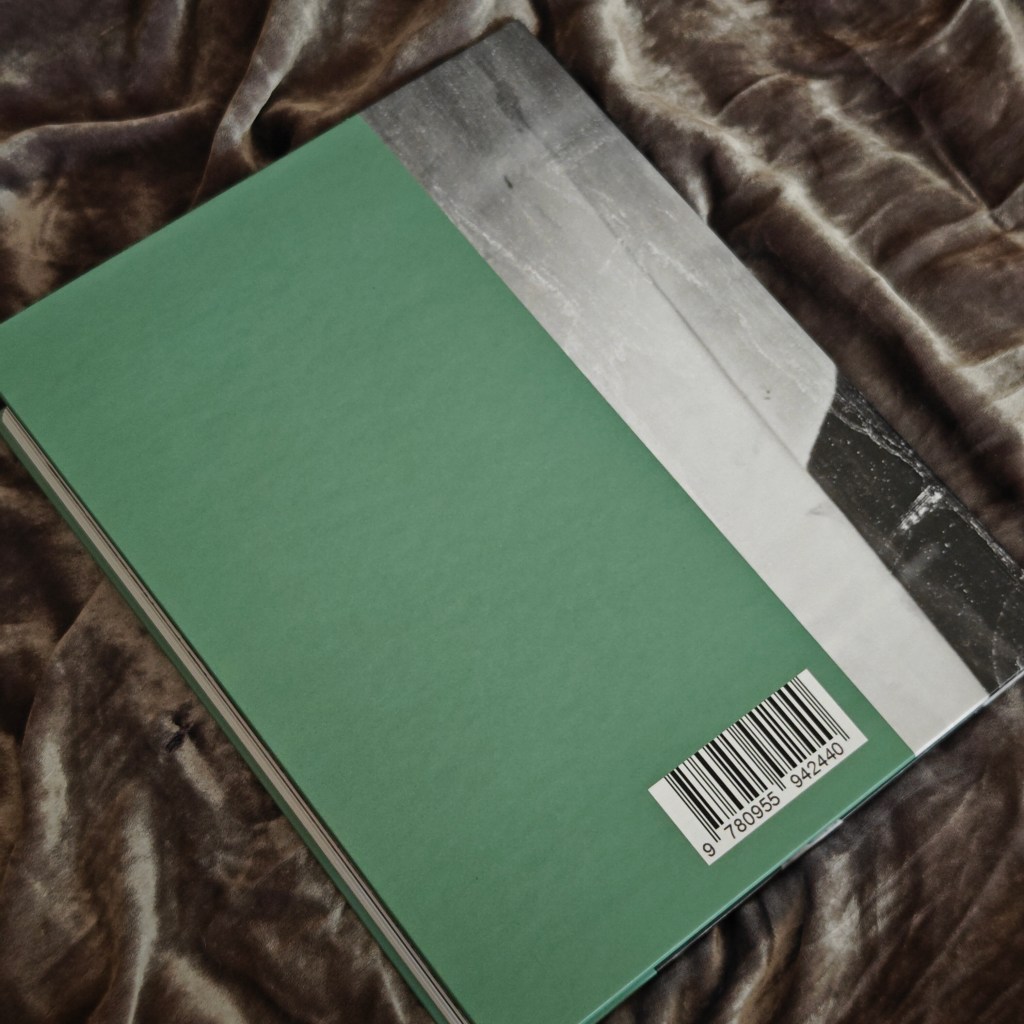
After 6 months working on this book project, putting together the images representing the concept I’d imagined in my head for many years before, the books have finally been delivered to me this morning. I’m over the moon to be able to hold a copy in my hands and turn those pages matt artpaper. Nothing feels that good than a freshly printed photobook, and one of your very own. This is a very personal project which has taken over 10 years in the making. The first print run is limited to 100 copies only and individually numbered.
Pre-orders are taken at Zontiga. Order your copy today and receive a 8×10 inch print from the book. Price : RM150.00
International orders : please contact me for postage and shipping costs.
Copies are available for purchase at Zontiga KL, GMBB, 2 Jalan Robertson, 50150 Kuala Lumpur, Malaysia from mid May. Each copy is numbered and signed, and the first 30 orders also receive a 8×10 inch print of my favourite images from the book.
Thank you once again toBenedetta Donato who totally understood the my project deeply and for your illuminating introduction. Grazie mille!
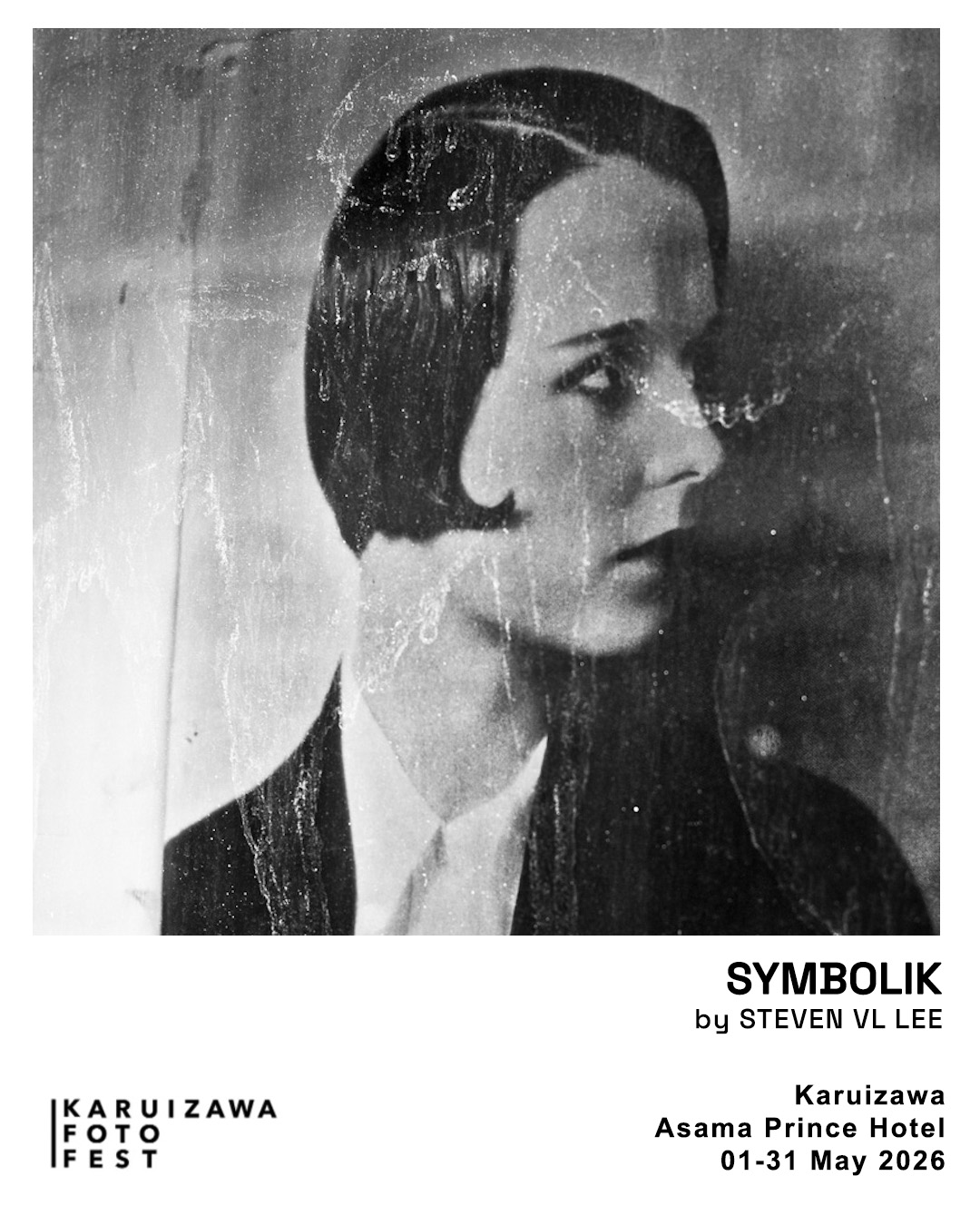
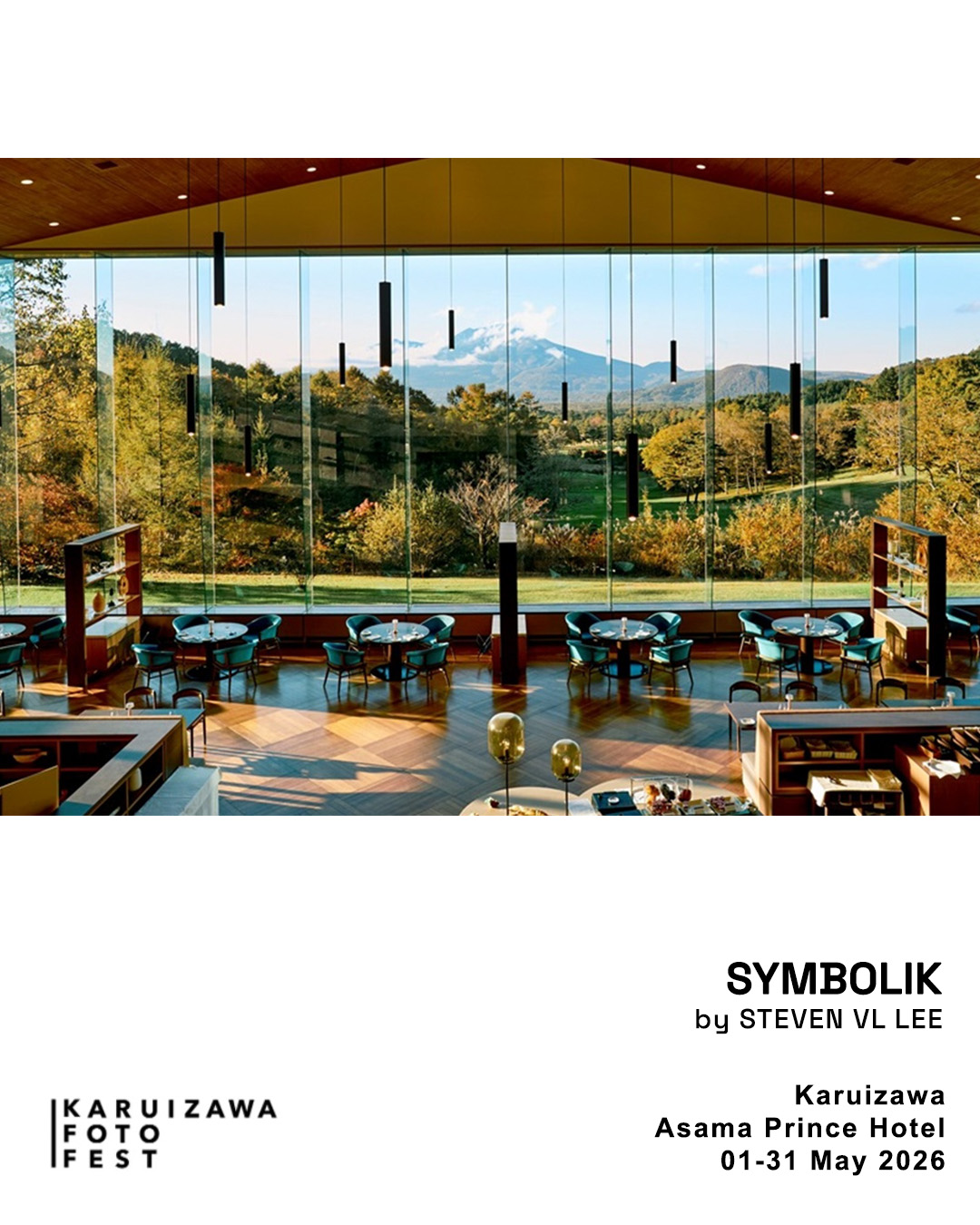
Curated images by festival co-director Naoko Ohta from the project will be exhibited in a solo exhibition at the 2026 Karuizawa Foto Festival in Nagano, Japan from 1 – 31 May.
NID:SIZE:699 kB
What is Symbolik about?
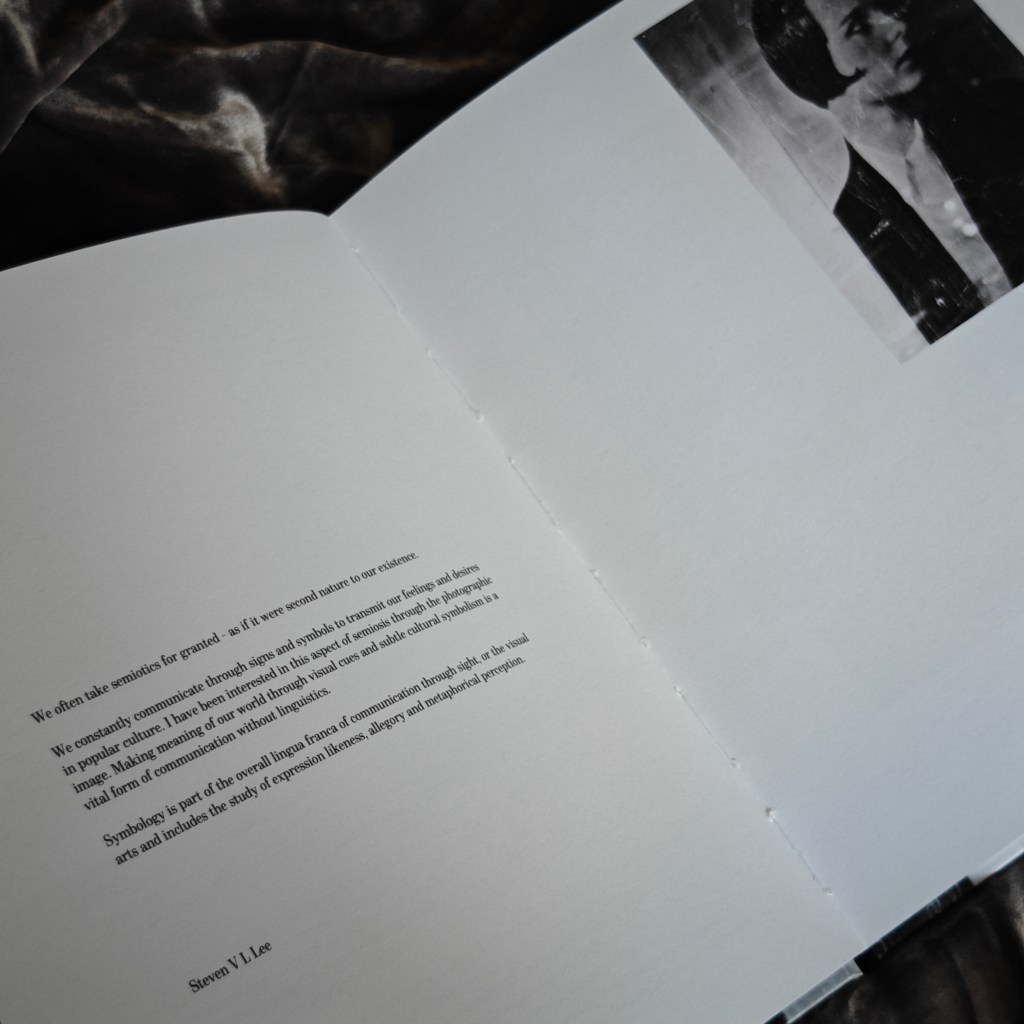
We often take semiotics for granted – as if it were second nature to our existence.
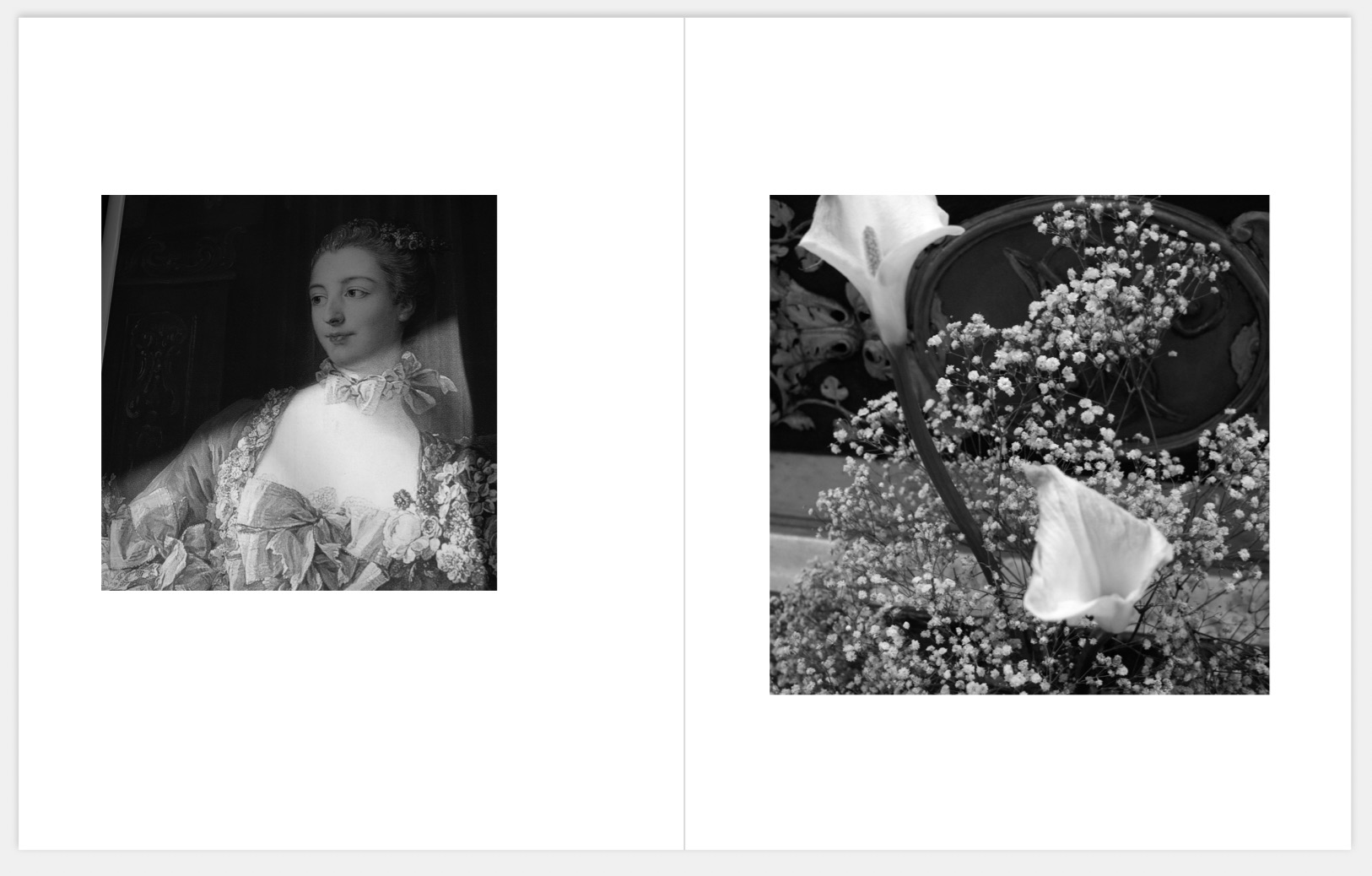
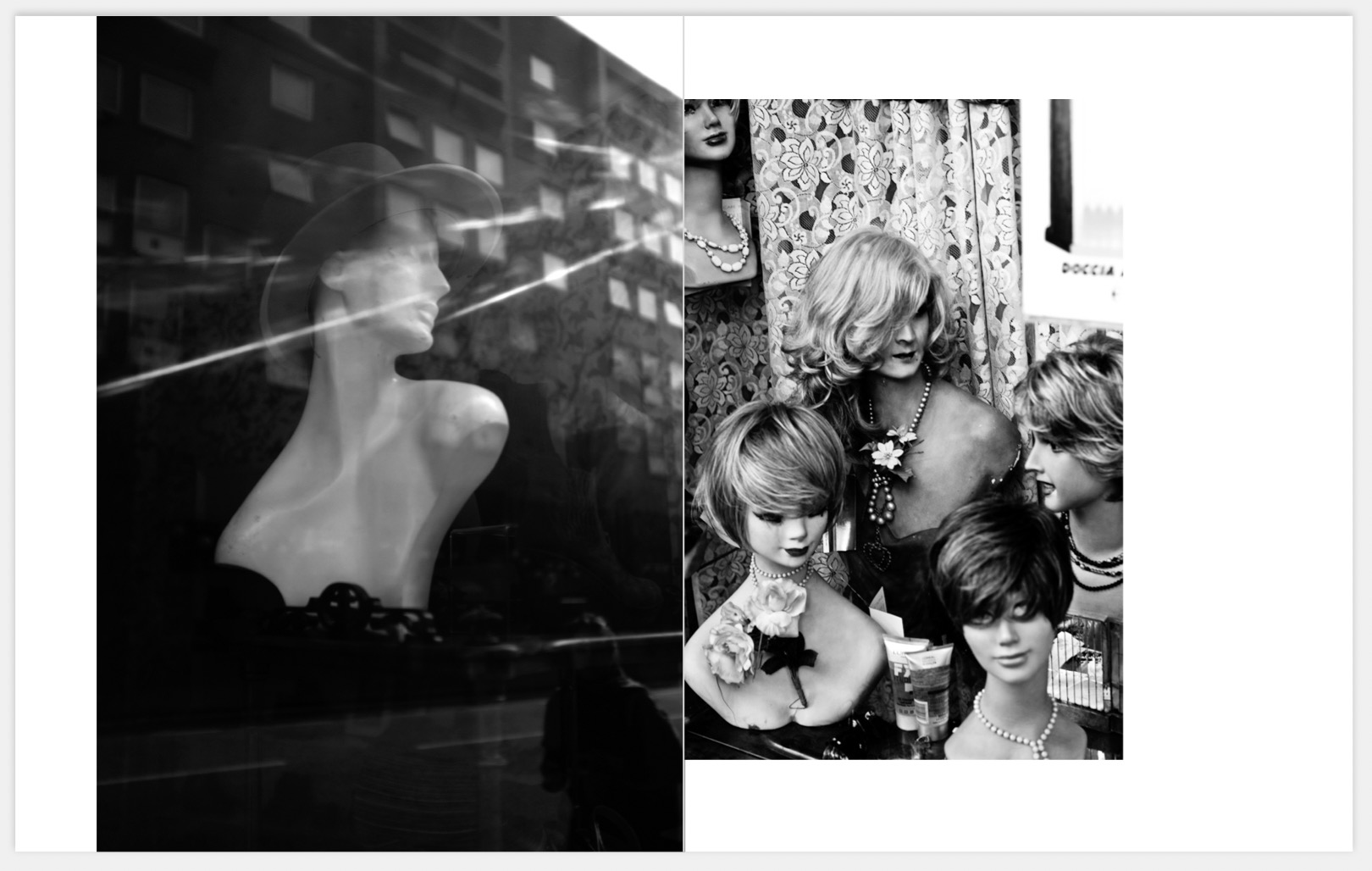
We constantly communicate through signs and symbols to transmit our feelings and desires in popular culture. I have been interested in this aspect of semiosis through the photographic image. Making meaning of our world through visual cues and subtle cultural symbolism is a vital form of communication without linguistics.
Symbology is part of the overall lingua franca of communication through sight, or the visual arts and includes the study of expression likeness, allegory and metaphorical perception.
Signs and Symbols, Motifs and Meanings
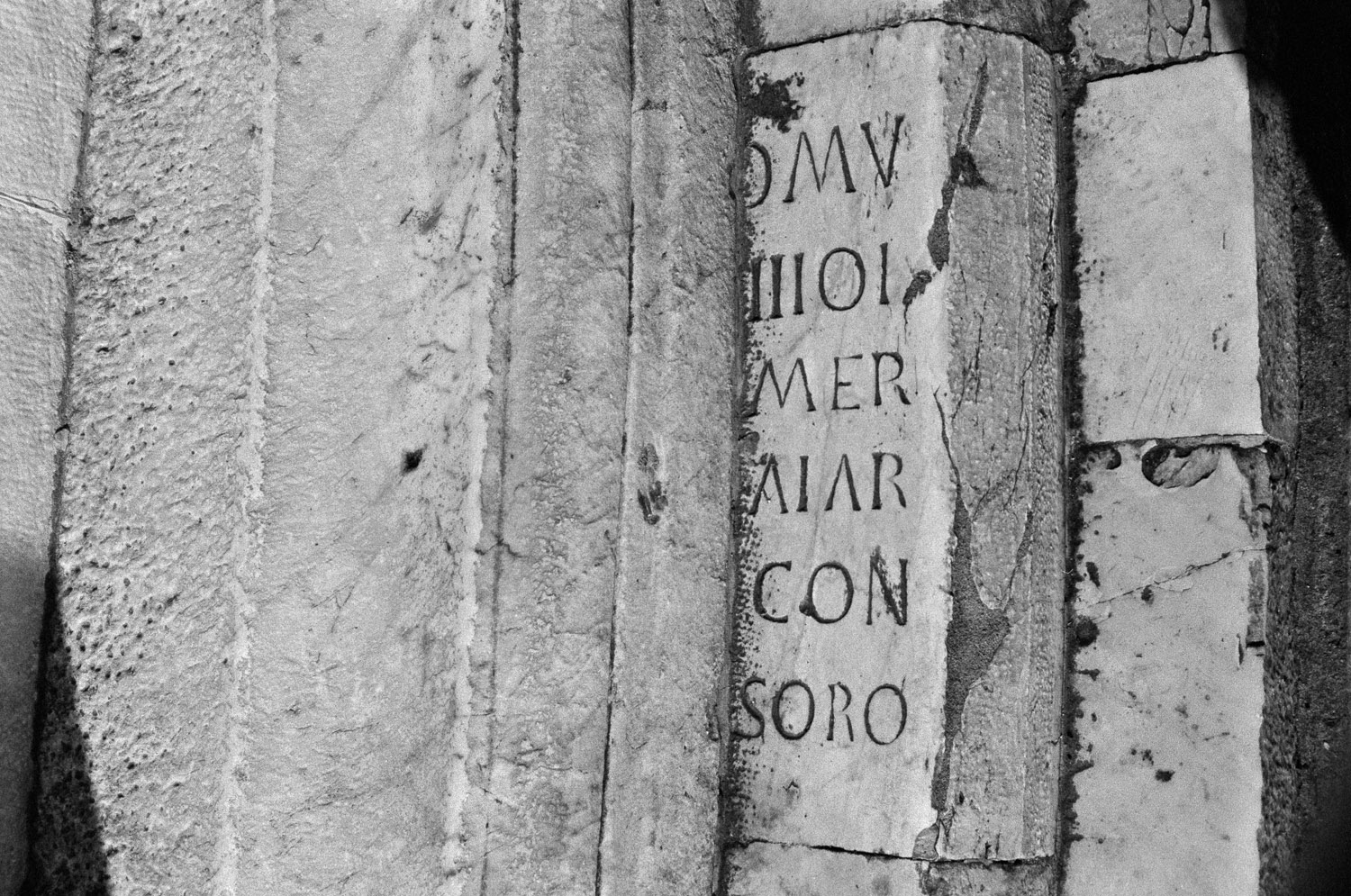
I first developed the concept of Symbolik having walked the ancients streets in Rome 2008. In an alley close to the Pantheon, I came across chiselled into a stone wall were symbols and words in Latin. Possibly made hundreds of years before by an ancient graffiti artist. The idea remained in my head as I pondered who and why, and what were the meaning of the words. To Romans who live there today, these etches are a common encounter in a city steeped in history known as a living museum, the Eternal City. To a casual visitor like myself, it was tremendously significant and even poignant that symbols spanning centuries could still be read and interpreted to give meaning and direction, perhaps dulled by the passage of time, but still significant, and as a philosophical question which is deeply personal.
Over the years, I realised that every person is drawn and react to symbols differently even if their meanings are clearly unambiguous. I pondered why this is so. Could it be that their meanings and understandings lack precision or could it actually be the interpretation of them that is flawed. I concluded that cultural upbringing and self-determination might explain this, communal reactions and societal conformations are other possibilities.
Every viewer will react differently and in varying degrees to my images. They do not provide answers or explanations, nor invoke or provoke responses. However I hope and expect some viewers may react emotively, perhaps once the motifs are embedded into their mind’s eye, perhaps at a later stage, if not immediately, and a realisation is made. Perhaps a repressed thought, a lost feeling, a suppressed memory may rise to the fore. The actual meanings don’t really matter in Symbolik. Unlike reading a book from chapter to chapter to discover a narrative, my images do not ‘unfold’ or reveal one, unless you are attuned to see the world as I do – a haphazardly organised chaotic mess – visually stimulating, if you want it to be. A solipsistic existence. Enjoy!
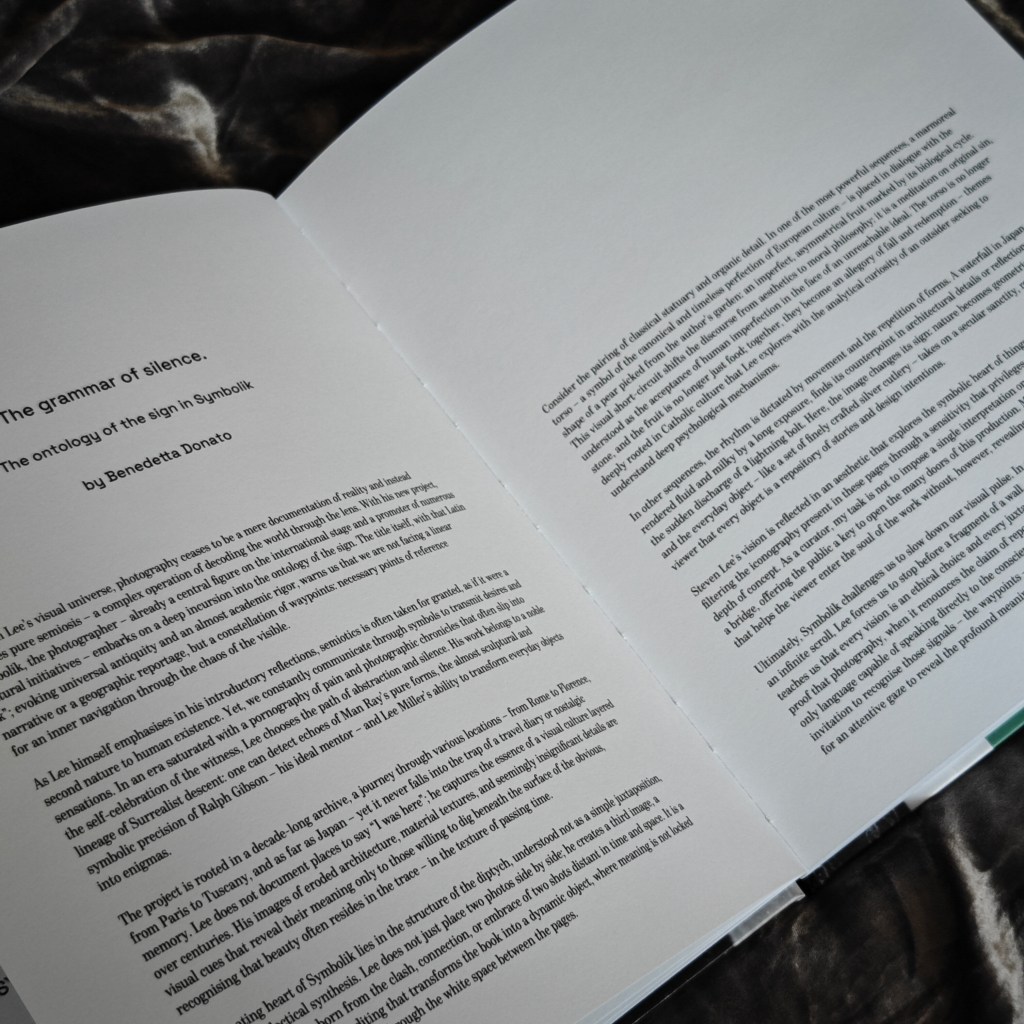
Here’s an excerpt from the Introduction text by Benedetta Donato :
“In Steven Lee’s visual universe, photography ceases to be a mere documentation of reality and instead becomes pure semiosis – a complex operation of decoding the world through the lens. With his new project, Symbolik, the photographer – already a central figure on the international stage and a promoter of numerous cultural initiatives – embarks on a deep incursion into the ontology of the sign. The title itself, with that Latin “k”; evoking universal antiquity and an almost academic rigor, warns us that we are not facing a linear narrative or a geographic reportage, but a constellation of waypoints: necessary points of reference for an inner navigation through the chaos of the visible.”
“As Lee himself emphasises in his introductory reflections, semiotics is often taken for granted, as if it were a second nature to human existence. Yet, we constantly communicate through symbols to transmit desires and sensations. In an era saturated with a pornography of pain and photographic chronicles that often slip into the self-celebration of the witness, Lee chooses the path of abstraction and silence. His work belongs to a noble lineage of Surrealist descent: one can detect echoes of Man Ray’s pure forms, the almost sculptural and symbolic precision of Ralph Gibson – his ideal mentor – and Lee Miller’s ability to transform everyday objects into enigmas.”
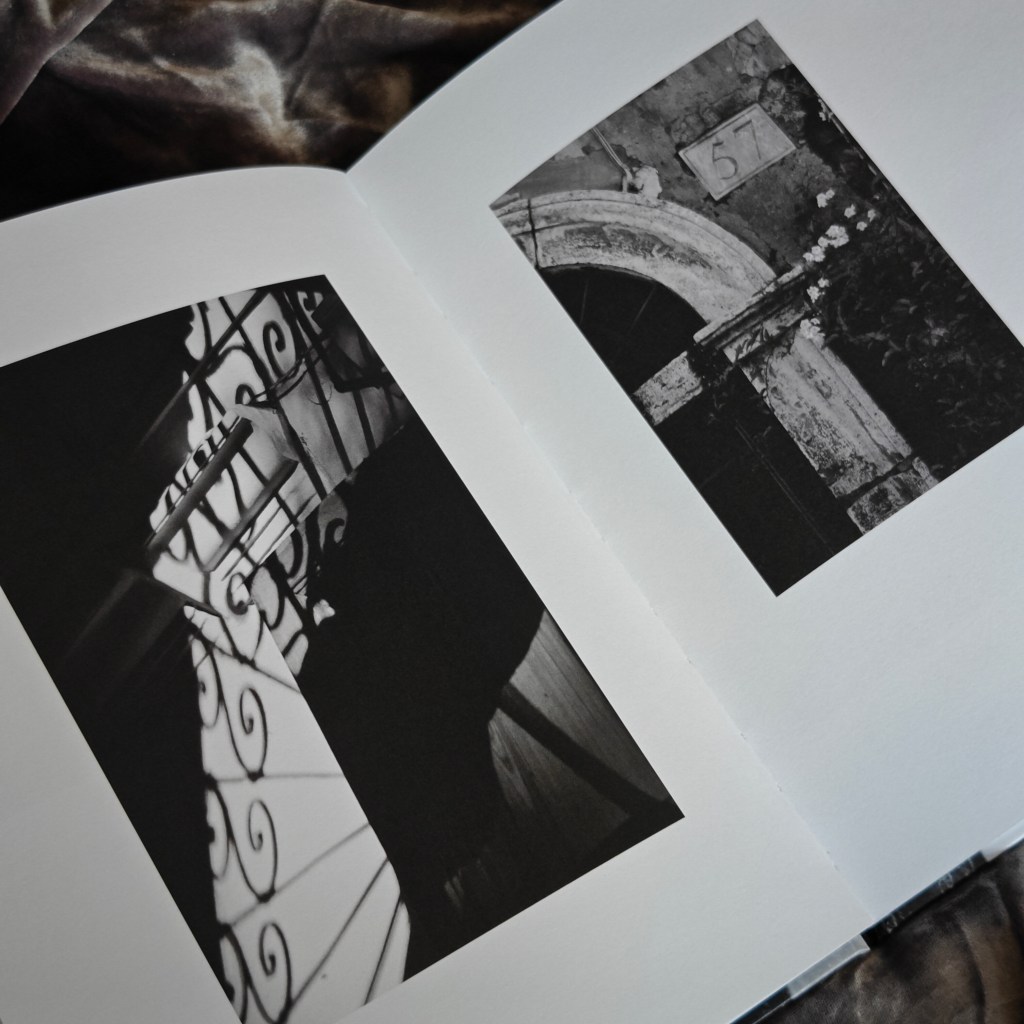
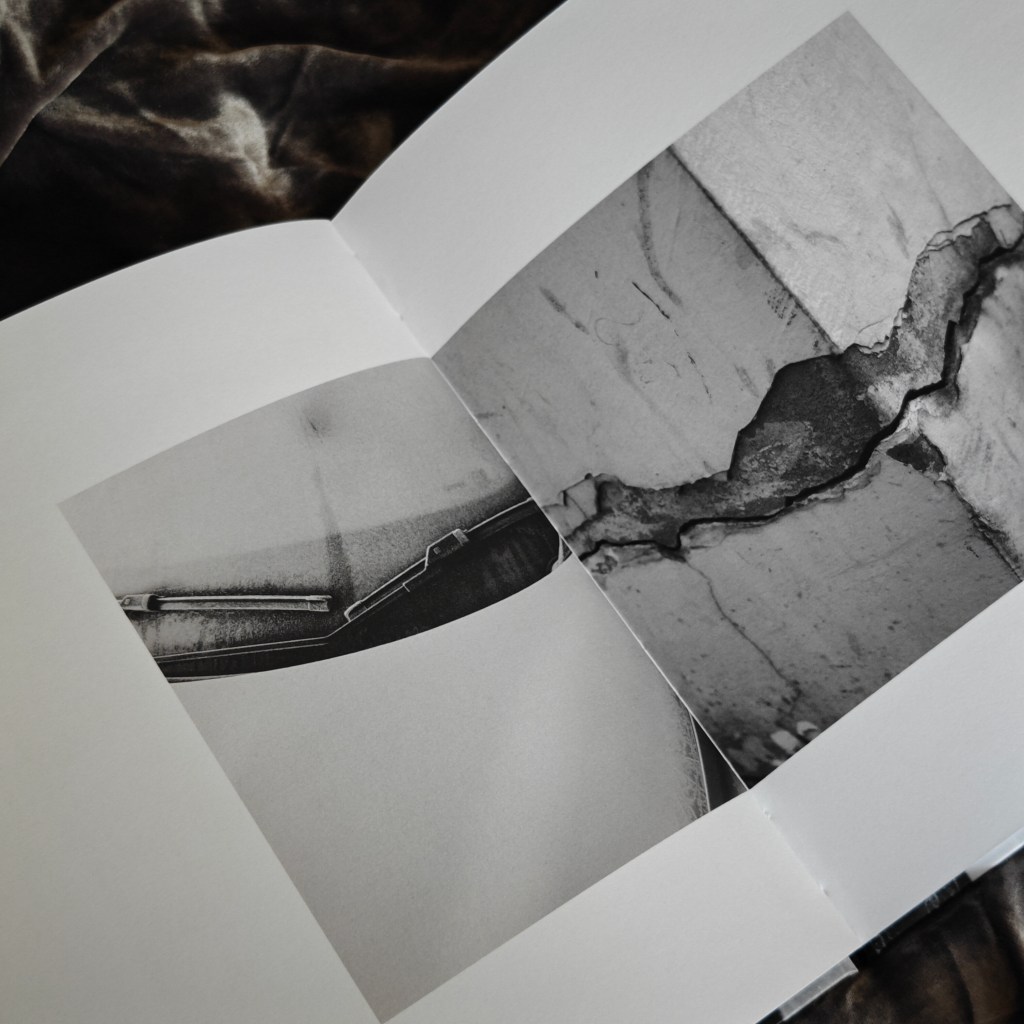
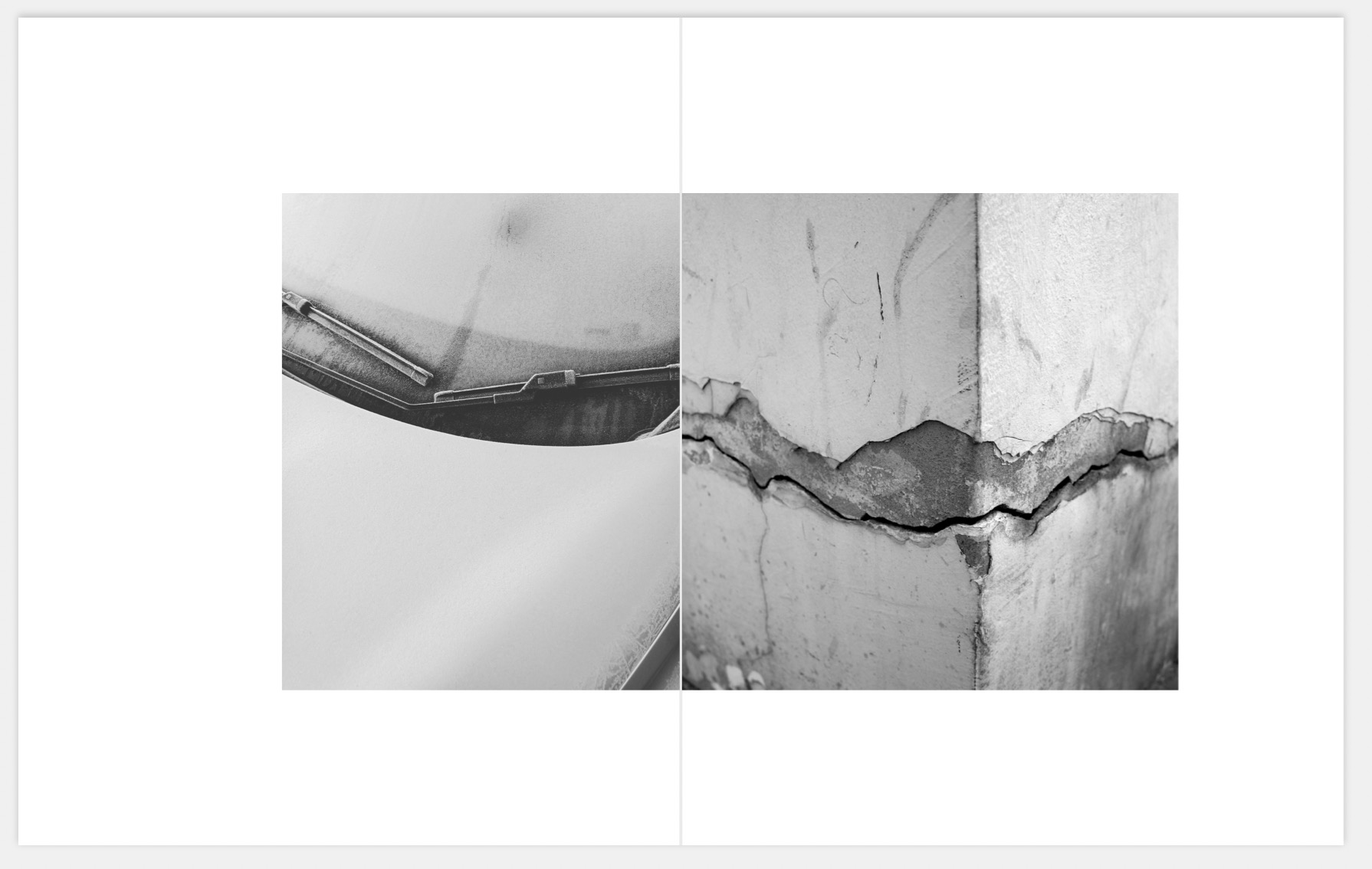
“The project is rooted in a decade-long archive, a journey through various locations – from Rome to Florence, from Paris to Tuscany, and as far as Japan – yet it never falls into the trap of a travel diary or nostalgic memory. Lee does not document places to say “I was here”; he captures the essence of a visual culture layered over centuries. His images of eroded architecture, material textures, and seemingly insignificant details are visual cues that reveal their meaning only to those willing to dig beneath the surface of the obvious, recognising that beauty often resides in the trace – in the texture of passing time.”
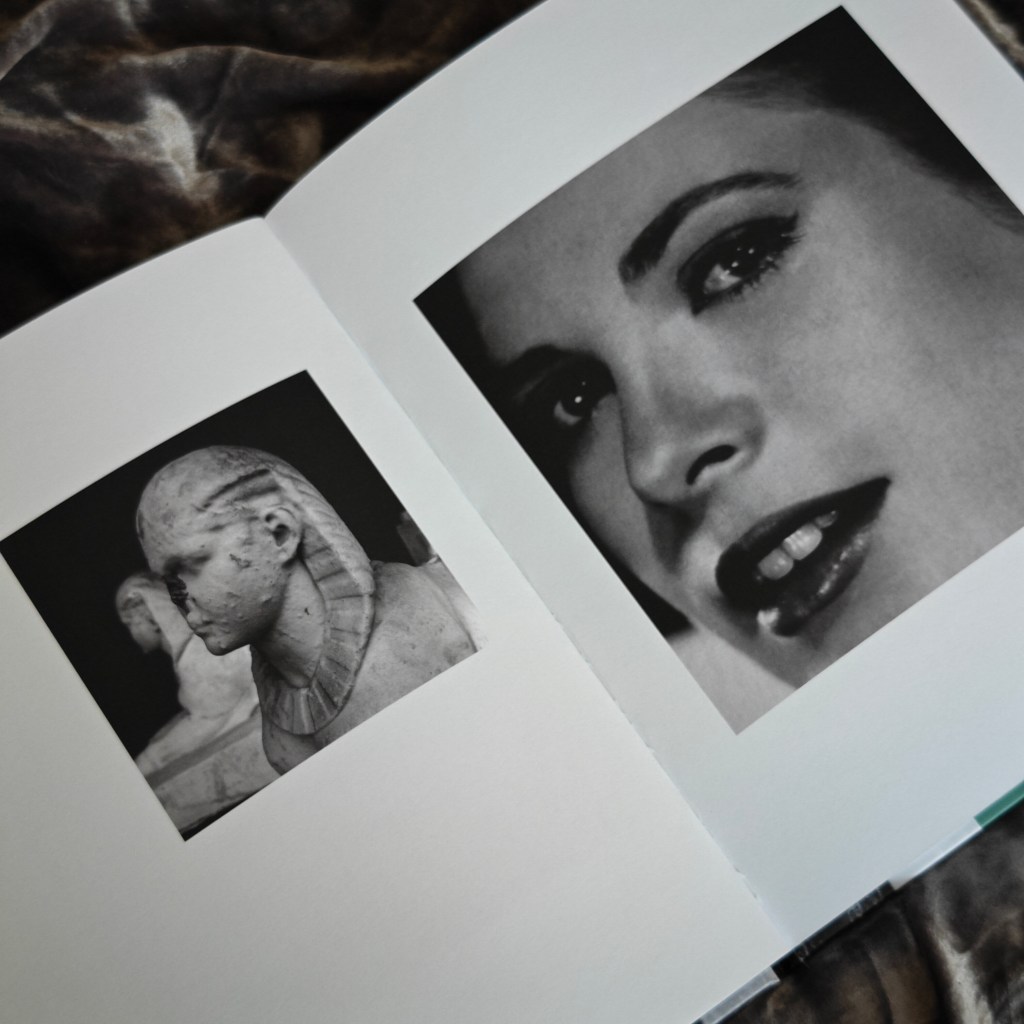
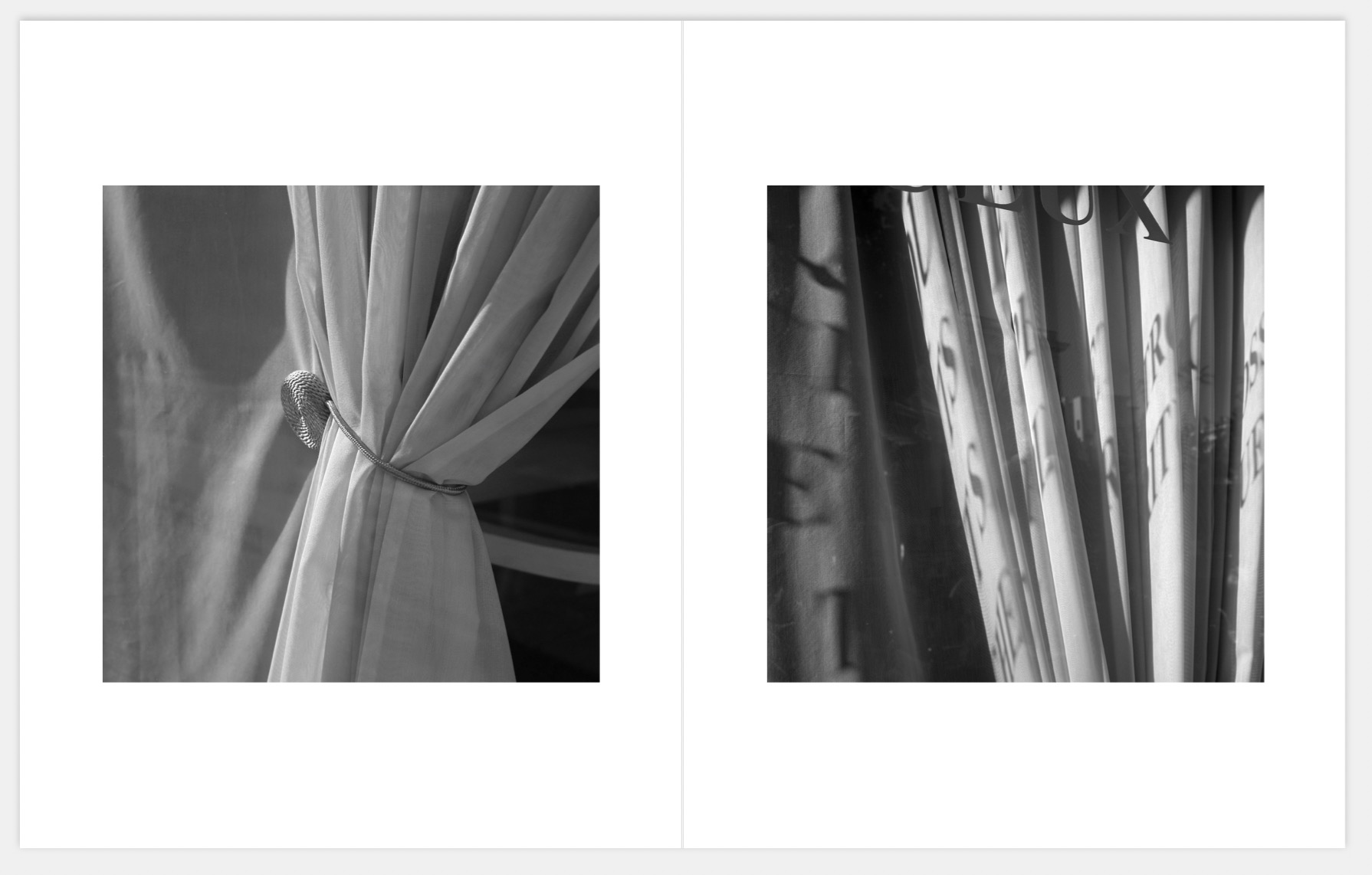
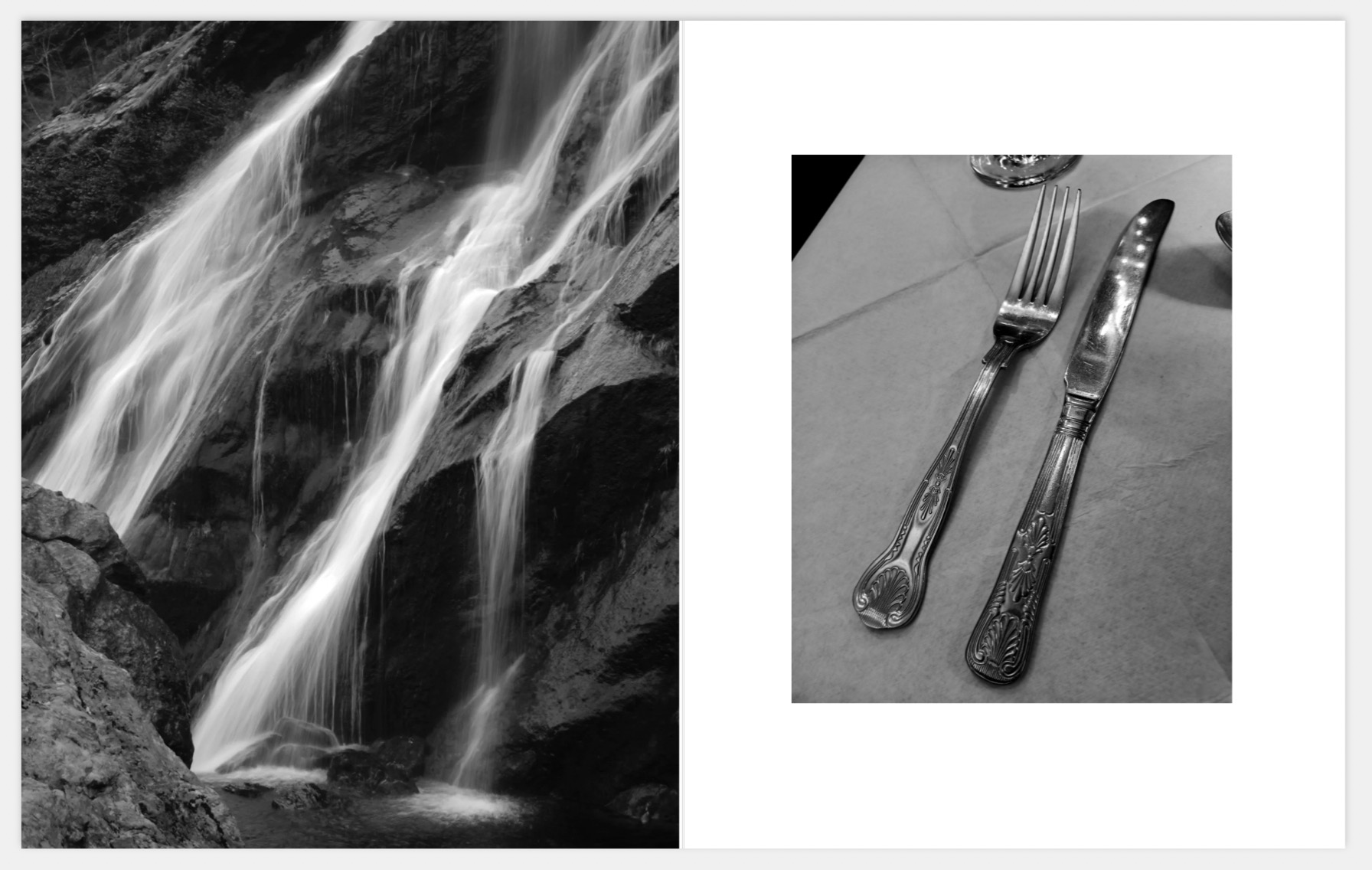
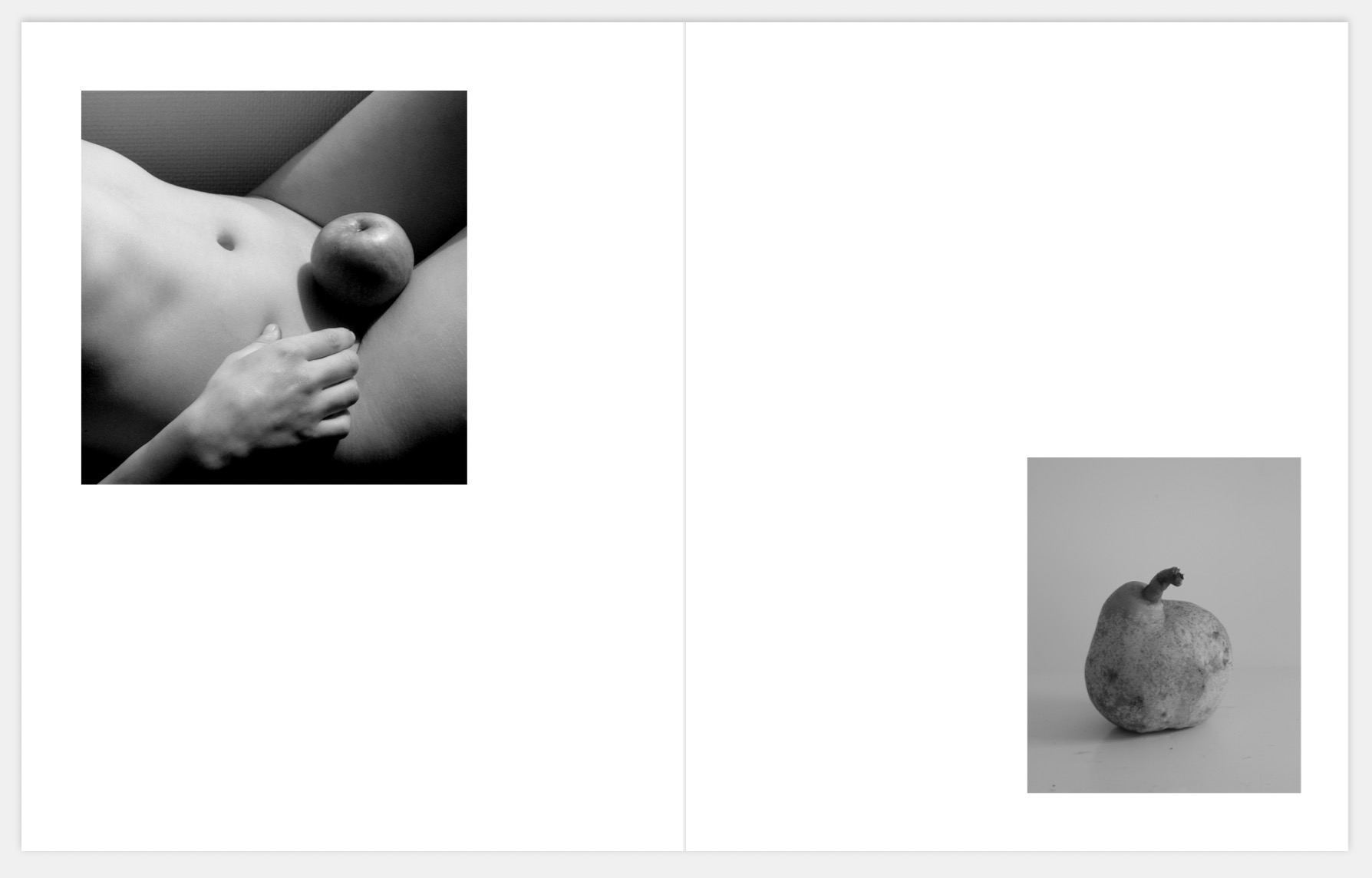
“The beating heart of Symbolik lies in the structure of the diptych, understood not as a simple juxtaposition, but as a dialectical synthesis. Lee does not just place two photos side by side; he creates a third image, a synthetic identity born from the clash, connection, or embrace of two shots distant in time and space. It is a practice of conceptual editing that transforms the book into a dynamic object, where meaning is not locked within the frame but flows through the white space between the pages.”
“Ultimately, Symbolik challenges us to slow down our visual pulse. In a world that consumes images at the speed of an infinite scroll, Lee forces us to stop before a fragment of a wall, a reflection on glass, or a body of stone. He teaches us that every vision is an ethical choice and every juxtaposition is an act of semantic creation. This book is proof that photography, when it renounces the claim of reportage to embrace the path of the symbol, becomes the only language capable of speaking directly to the conscience, transcending every geographical barrier. It is an invitation to recognise those signals – the waypoints – that, while remaining before our eyes every day, wait only for an attentive gaze to reveal the profound meaning of our shared human journey.”
More than the pursuit of the perfect image, it is an obsession to see more, understand more, and encounter more.
Photography is a journey to discover what exists, and can exist, if we see with our hearts and feel with our minds. Writers write and artists paint, starting with a blank canvas. With photography, the difference is subtle. We start with a canvas that is already full of life and colour. It is as real as it gets. Photography, by its very definition, cannot exist without light as there will be nothing to photograph.
I’ve immersed my entire adult life in this magic light trick, and now I take a step back. Long flights and drives allow me to think. Having just completed co-organising a third photo festival, even if it’s a minor one in comparison to others I’ve been to, I cherish the high moments and dread the lows. But there is no middle ground. It comes as a package deal.
The connections I’ve made in the name of photography over the past years have been fulfilling and rewarding. It has brought me to far flung places and closer ones to, meeting incredibly talented artists and wonderful people who are open minded and dedicated to the practice.
I’ve reviewed countless portfolios and continue to do so, and nominated artists to international awards. The takeaway I’ve learnt from all this is, there are stories to be told. Every photographer wants to tell a story. Even if it’s just one incredible image, without a story the image just hangs on the wall soulless.
The audiences to these are picky and may not be all too appreciative, however. It is very easy to overlook and brush less striking work aside and go for the visually popular images. After all, today’s society prefers repetitive and spoon-fed visuals that are easy to understand, aesthetically pleasing and requires no thinking. We like ‘hi-fi’ photography, where bass and treble are set to the maximum, loosing the subtleties and nuances in between.
I started KLPA because I am interested in the face and how every portrait is a reflection not only of the sitter, but the photographer as well. We just celebrated the 15th back-to-back edition of the KLPA and therein lies a dilemma. Is interest waning? At times I feel a responsibility towards the photo communities, to its followers, and to the past winners, to retain KLPA’s vision and standards, year in and year out. This is not easy to maintain. I have good years and lesser ones. Ebbs and flows. 2023 was a good year. The finalists received record worldwide views. But there is a constant fear that KLPA is not being sufficiently visible, especially locally. Perhaps it’s just my expectations on what I would have liked it to become.
Similarly as festival organisers, do we alienate certain interest groups to the benefit of others? Or do we keep to our mission and yet be inclusive. Like an ocean liner, once the course is charted, we set sail, avoiding the icebergs along the way. And the people we cater to are the paying passengers. Or do we pick up new passengers along the way and explore new destinations?
I photograph less nowadays. Perhaps I have no stories to tell, yet I have unfinished projects that need to be completed and these are being put off year after year. There are always stories to tell.
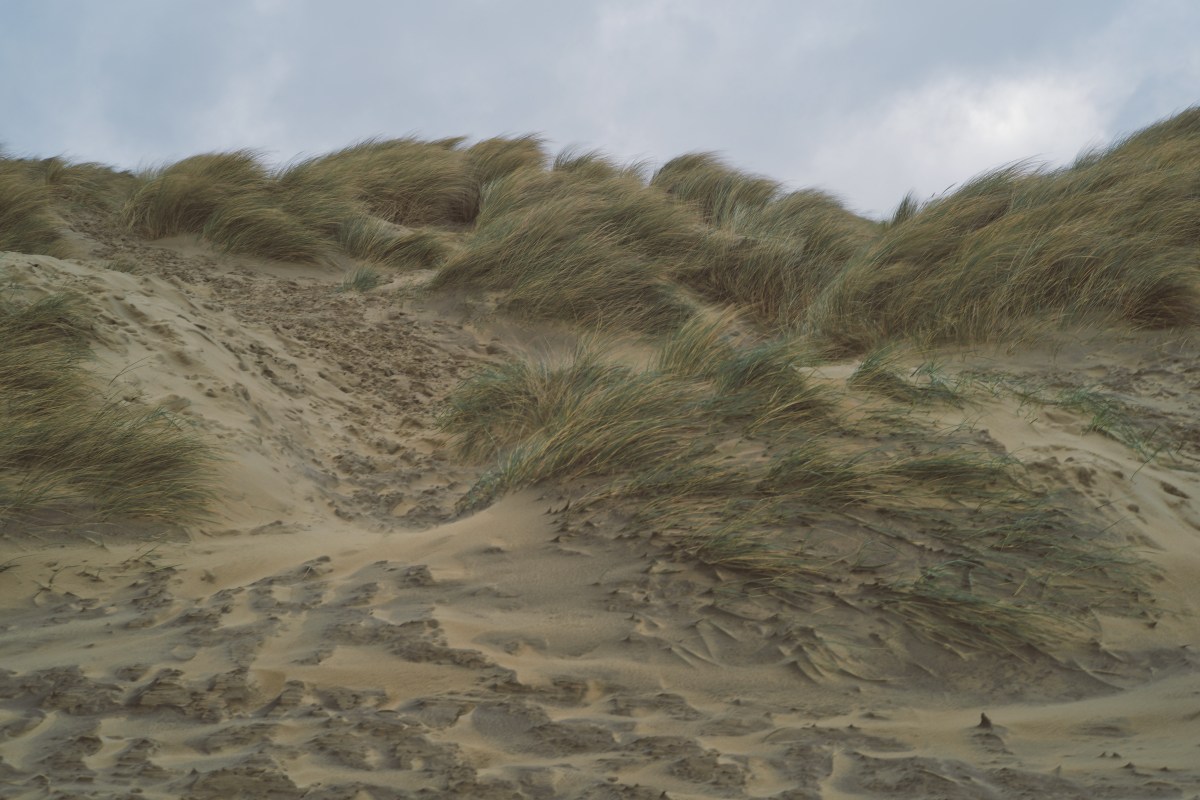
Camber Sands is a stretch of fine sandy beach about 2 miles long on the south coast of East Sussex, the only beach with sand dunes along this coast. I love to photograph these grassy, undulating dunes in the dusk light of winter. The golden sand is so fine, like talc which is uniquely rare in England, as most of the beaches have coarse sand or pebbles.
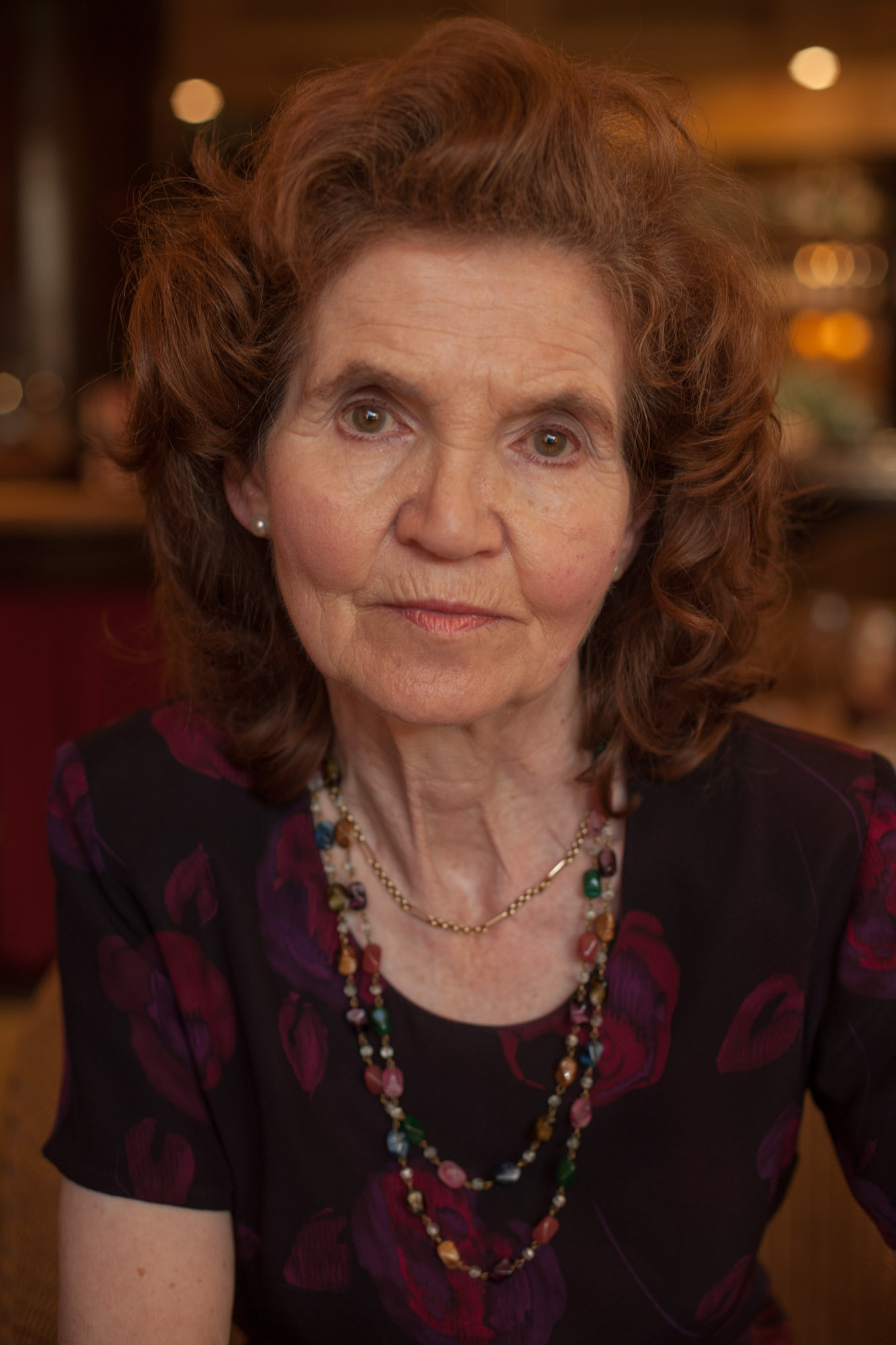
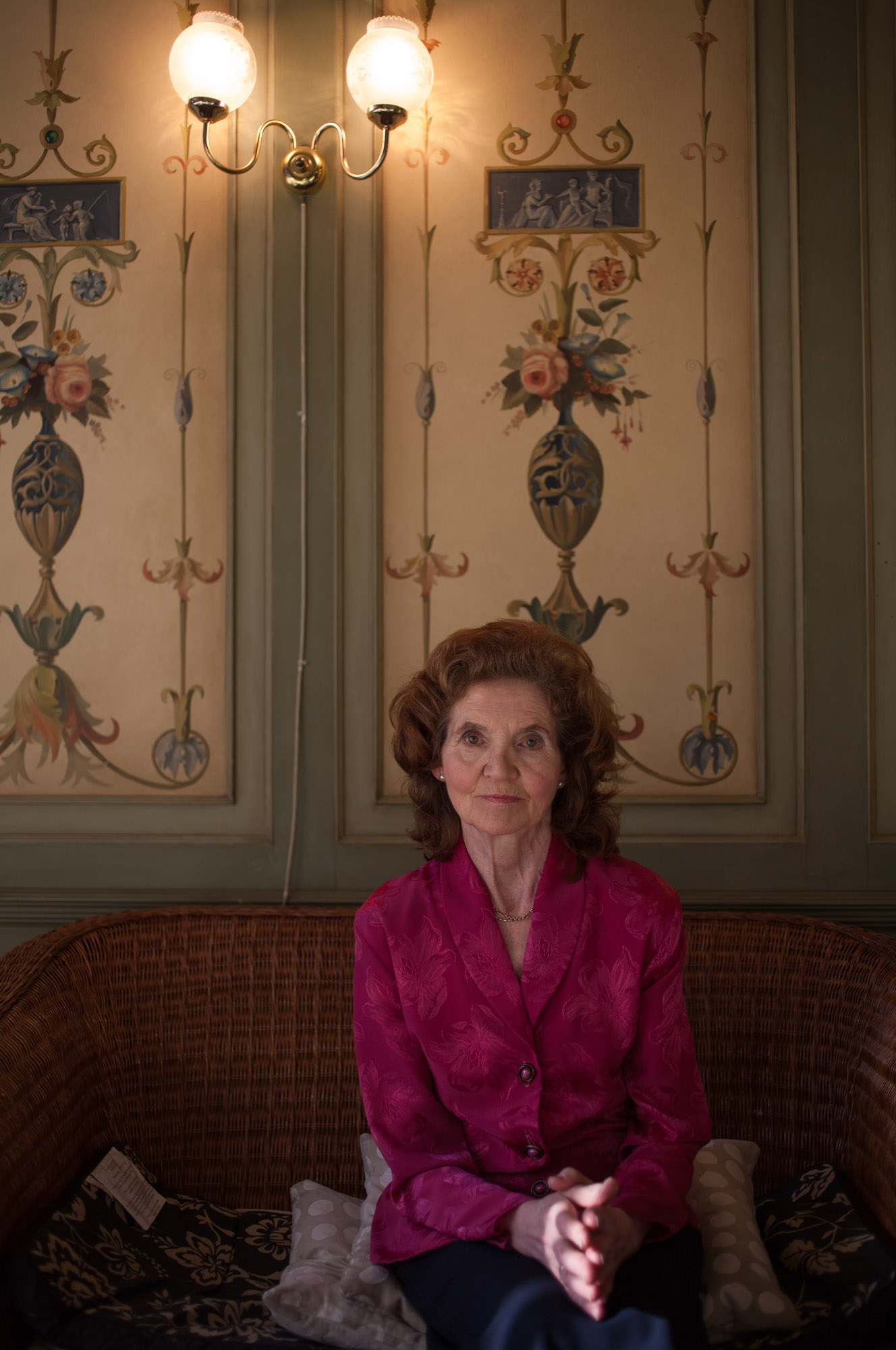
Last weekend I heard that Rita, a dear friend from a local church community whom I gotten to know over the years had passed away. You know how sometimes you meet someone, despite the age gap, you get acquainted, not in the sense of a close friend, but still, but a friend nonetheless. She’s always in church, at almost every mass, and she has been a firm volunteer in the parish, being responsible for producing the weekly newsletters and also a regular reader. She’s a cheeky so and so too, and so soft spoken, a very English lady from an era where respect and dedication is everything. From the way she dresses to her hair style, she would not be out of place in a 40’s British war time drama. She is also a very private woman.
There is another reason why I am writing this, partly as a dedication to Rita, but more so because I was in a slight fret a few days ago when Rita’s grand daughter rang and asked if I had the digital files of these portraits as she really liked them and wanted to make prints for the upcoming funeral service.
Now, every photographer worth his/her salt would know about workflow and the archiving process. I was certain I knew exactly where these files were stored. These were taken in June 2008 in Cafe Rouge in Kensington. I even remembered that!
Over the years, I have invested in external hard drives as back ups, and these were before Google Drive and cloud services. From about 2000 onwards, the commercial fashion and wedding shoots were burned to CDs, and I have them readily available still. Some were put on Iomega ZIP drives (remember them?). Around 2006 I got a Seagate GoFlex 2TB SATA shared network drive which was accessible via WIFI and used that as my main back up device and also home to the Time Machine back ups for my iMac. Then about 2011 I began to use Google Drive and DropBox as backups and smaller external plug in drives for portability.
Not really knowing where Rita’s files were exactly, I spent several days shifting through all my current drives, using keywords, algorithms etc but no luck. All I found were website thumbnail files which were about 800 px in height which is totally useless for print. I categorise my shoots files into folders named under year and month, but none of these folders contained the files.
I knew they had to be in the now defunct Seagate network drive but upon plugging in, the app failed to register. Shiite. The drive was making all the right clicks and whirrs but it’s been several years since I accessed it. After a quick search on the internet I found out that the Go Flex system is now no longer working and supported and the only way to get to the drive was to take it apart and somehow connect it directly to the laptop. So, another hour on YouTube self-learning about drive recovery, SATA, PATA, IDE, converters, and adapters I finally ordered one of these [https://www.amazon.co.uk/gp/product/B078GZG4ST] . China – Geeks Love You. Amazon Prime 24 hour delivery is amazing. I literally clicked BUY last night and this evening, I got the adapter.
This isn’t the end.
Upon connecting the naked drive with this gadget into my Macbook, the drive popped up instantly on the desktop. However, the drive folder is err.. empty! Nada, although inspecting the drive properties showed it has over 400GB used. How strange. I couldn’t understand why the files weren’t showing up. Until closer inspection brought up the words Windows NTFS on the drive. I am not really clued up about compatible drive formats between Mac and Windows OS but I knew I had to connect it to a Windows machine somehow. Luckily, I have an ageing Windows laptop which I quickly powered up and got it hooked up to the drive and voila! All my backup files showed up.
I finally managed to locate the Rita folder with all the CRW files shot on my Canon 5D with a 35mm f2 and 50mm f1.4 lens and I can sleep easy tonight. There is a lesson to be learnt here, but for now, I can’t think what it is. Goodbye, Rita.
My neighbour Elizabeth is an elderly spinster who has been very ill ever since I moved in next door to her last year. She is bedridden and does not go out, and she gets visits from carers several times a day to feed and care for her. Since February this year, she deteriorated and I understand she is now staying in a local care home.
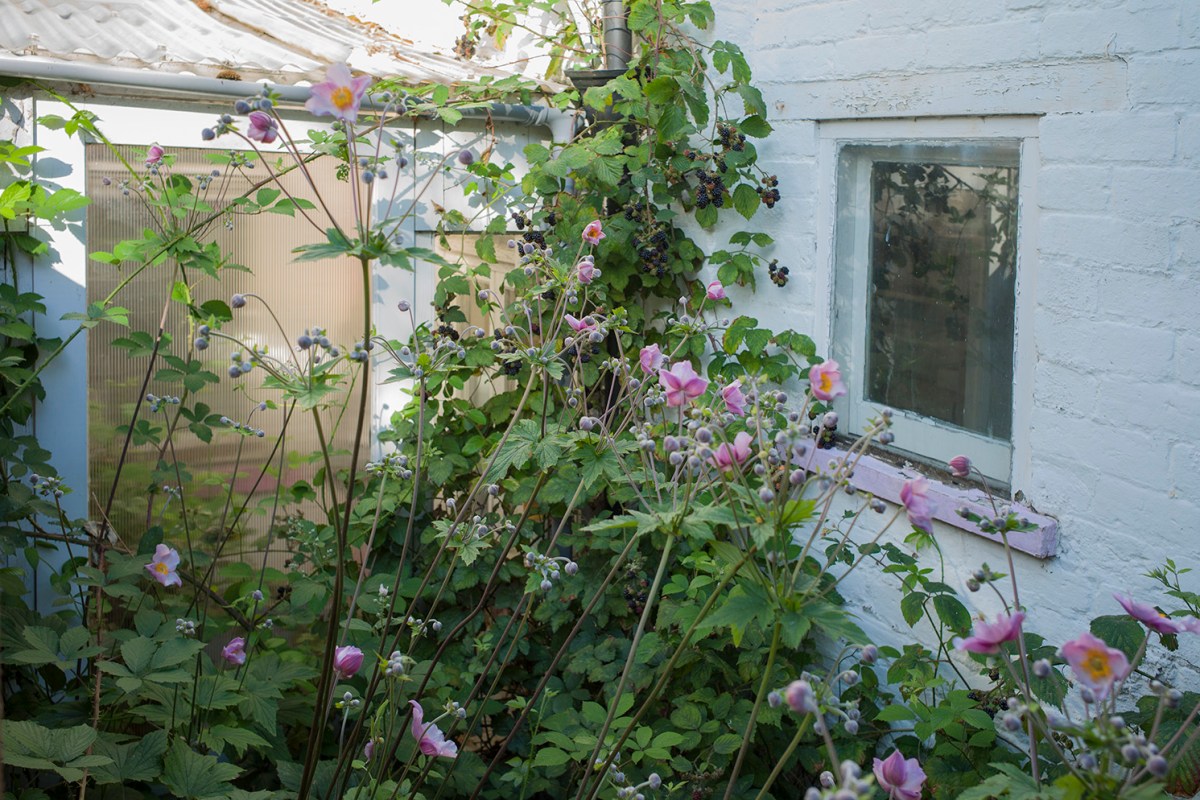
Her garden is completely overgrown but there grows some beautiful wild weed, roses, blackberries and shady trees.
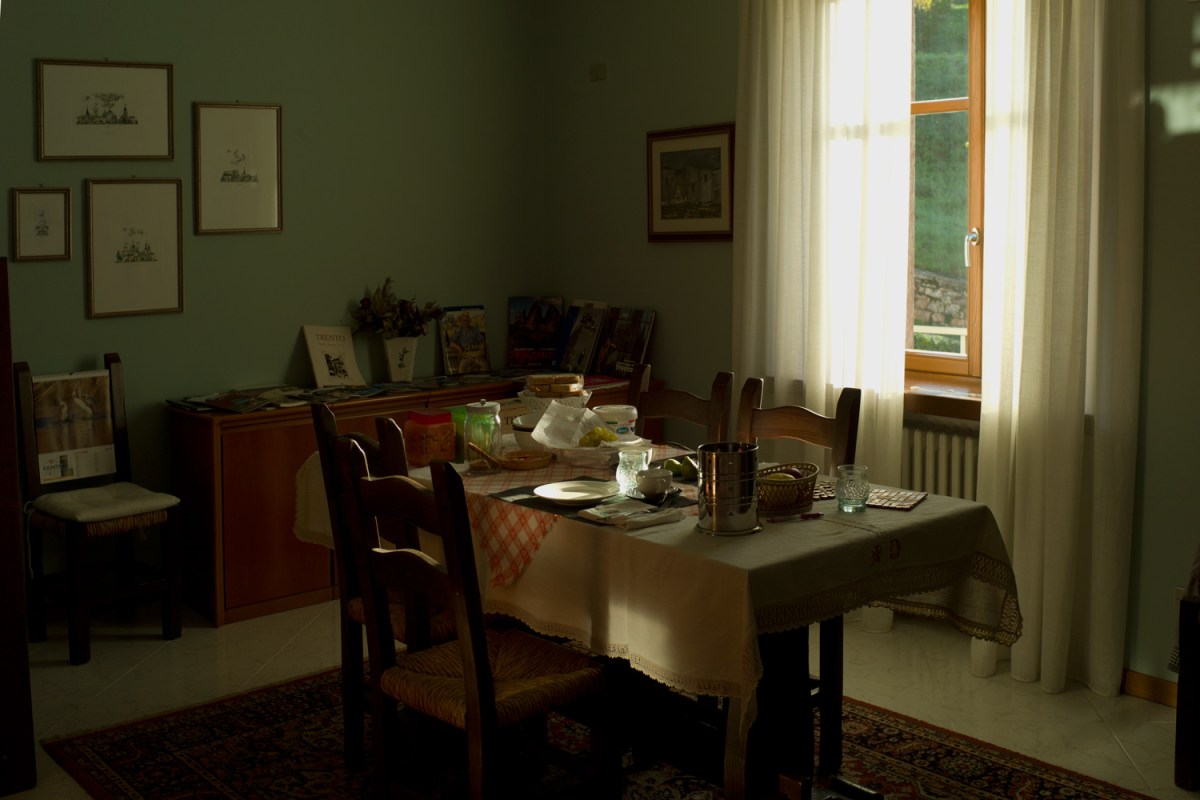
We stayed at a lovely B&B run by Lorenza Paris in Trento for 3 days. Every morning at 9:00 am sharp, she will bring over breakfast on a wooden tray. 3 types of cheeses, ham slices, scrambled eggs, crusty bread rolls, Nutella spread, jam, butter, orange juice, and coffee.
Window to the World ~ Conservatory, Chiswick Park, 2018
2018 has been an eventful one for me. We launched Kuala Lumpur International Photoawards 2018 in February, celebrating the 10th installment which saw some amazing entries. A milestone achievement, which I’d like to thank all our sponsors, partners and the KLPA team.
In May, we gathered again at the KL Journal hotel for Photosymposium Asia, the second event discussing Photography and Social Change. The event had a small turnout but was intensive and our speakers gave insightful presentations followed by a popular open tabletop portfolio display.
The next weekend in May, I had another intensive weekend spent with the international jurors for the KLPA judging, followed by a long weekend stay in the beautiful city of Auckland, attending theAuckland Festival of Photography!
In July, I had the opportunity to visit Cortona On The Move Festival in Tuscany and saw some brilliant exhibitions and of course, sampled the wonderful Italian cuisine. End August was spent in Kobe at Mt.Rokko International Photo Festival,where I reviewed portfolios and ran a portraiture workshop. This was followed in September with the setting up of the KLPA finalists exhibition and hosted awards presentation at the Whitebox Gallery in Kuala Lumpur.
Later in December, I was back in KL again to host the Two Mountains Photography Project 3.0 at the ILHAM Gallery. The opening reception was a great success and the Malaysian artists involved appeared on radio and television broadcasts. In December, the finalists’ images of KLPA2018 traveled to Medellin, Colombia for a 4-week exhibition at the MUUA Museum, University of Antioquia, and will travel to the Centro Cultural Facultad de Artes in March 2019.
I take this opportunity to wish all my friends and followers, supporters and fellow photographers a very Happy New Year and I hope to meet some of you at the KLPA events and festivals. ~ Steven







You must be logged in to post a comment.