We will be running our popular one-day Digital Editing Workshop in London in May. This valuable hands-on one day session will give you an introduction to photo-editing and workflow software using Adobe Photoshop and Lightroom, allowing you to manipulate and enhance your photographs., from shooting to print. Breakfast and Lunch is provided. Own laptop with installed software is preferable. Fully functional trial software may be downloaded and installed from Adobe.com. Try your hand on preparing your images to print to a large format printer. Limited to about 6 place. Contact Andy or Steven for more info Booking now
During our forthcoming Cuba workshop in June, we are raising the bar for our participants and asking each photographer to identify a project to complete while on tour. A theme that reflects a specific interest that you may have identified and researched. Allowing ample opportunity and time to do so, would greatly help in your approach, planning and execution.
Our suggested guidelines and instructions for the projects are as follows:
– Pre-research a theme or idea that you can then carry out in a photographic environment while in Cuba
– Your project can include all locations we visit, or be limited to one location (Havana) or one theme (portraits, architecture, colour, motifs etc)
– We encourage you to contact people or places before arriving in Cuba so you can focus on getting the story or series of images you want, possibly meeting local business owners or artisans to make real contact. Make use of the internet, contacts etc to research your ideas.
– You will have structured time to work on your project: Day 4 in Havana is left free for personal projects and Days 9,10,11 are free for compiling and presenting projects as well as camera clinics
– We encourage you to create a photo reportage with music, narrative and some dynamic elements (props, interviews) if possible, using whatever applications you have.
– We can assist with the technology for this – please call Steven or Andy about any questions
– The more effort one puts into this, the more you will get out of it in terms of the process of using photography to tell a story, and you will hone your skills in the art.
At the end of the trip the final few days (Days 9, 10, 11) will be allocated for compiling your presentation to the group. We will also have daily camera clinics – both Nikon, Canon and Leica formats – over the last few days to answer any questions on settings and camera handling.
Please do contact us over this period, to discuss any ideas you may have.
In 2004, Andy and myself jointly held an exhibition of black and white prints photographed in Paris over several years at the Light Gallery in London. It so happened that Henri Cartier-Bresson, who had inspired so many photographers by his amazing body of work, had died not too long ago, and both of us, having been greatly influenced by his works, had an archive of Parisian photos, shot independently before we both met.
Fast forward to 2011, and once again, I managed to dig out our prints from the 2004 exhibition and selected 10 images to grace the newly redecorated waiting lounge of the trendy West End dental surgery of Dr Gill Millman, the Cavendish Dental Clinic on Cavendish Square.
The display will be in place at the Clinic for a few months, and we hope to replace them with some of our alumni photographs from recent trips. So if you fancy visiting a dentist, why not pop by the Cavendish, an have a browse!
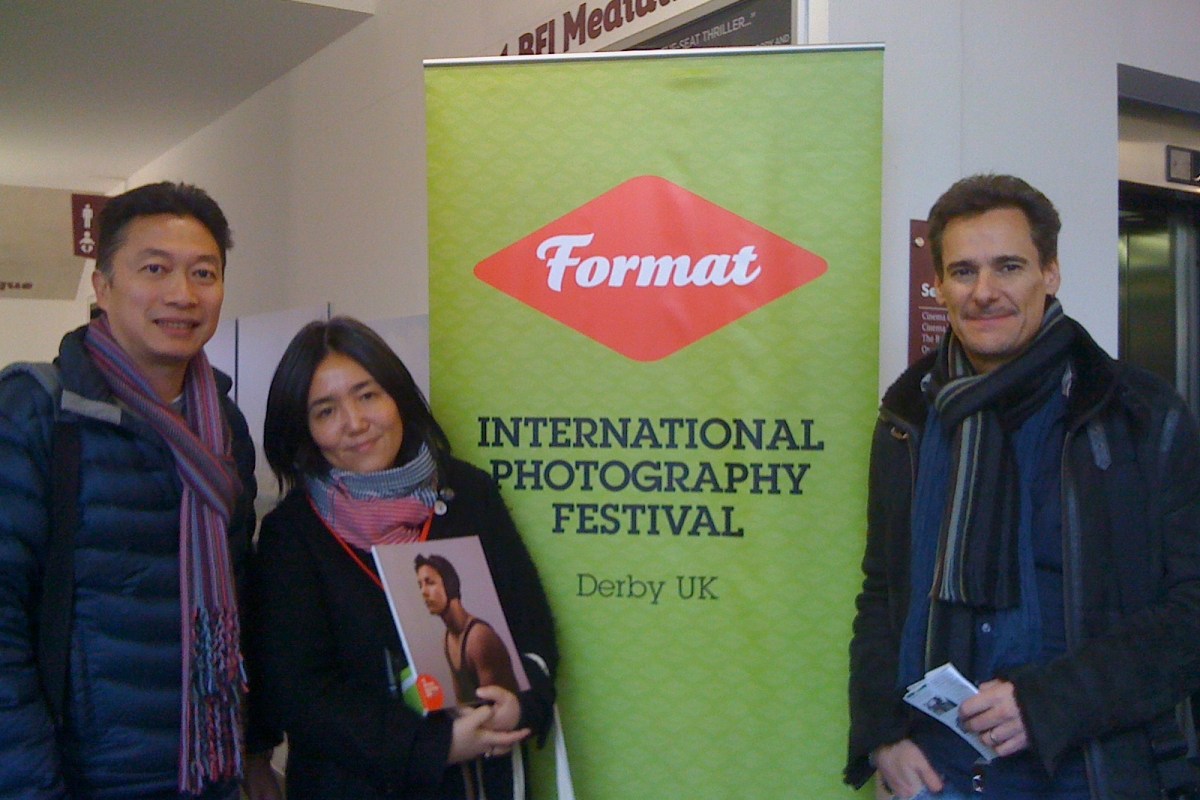
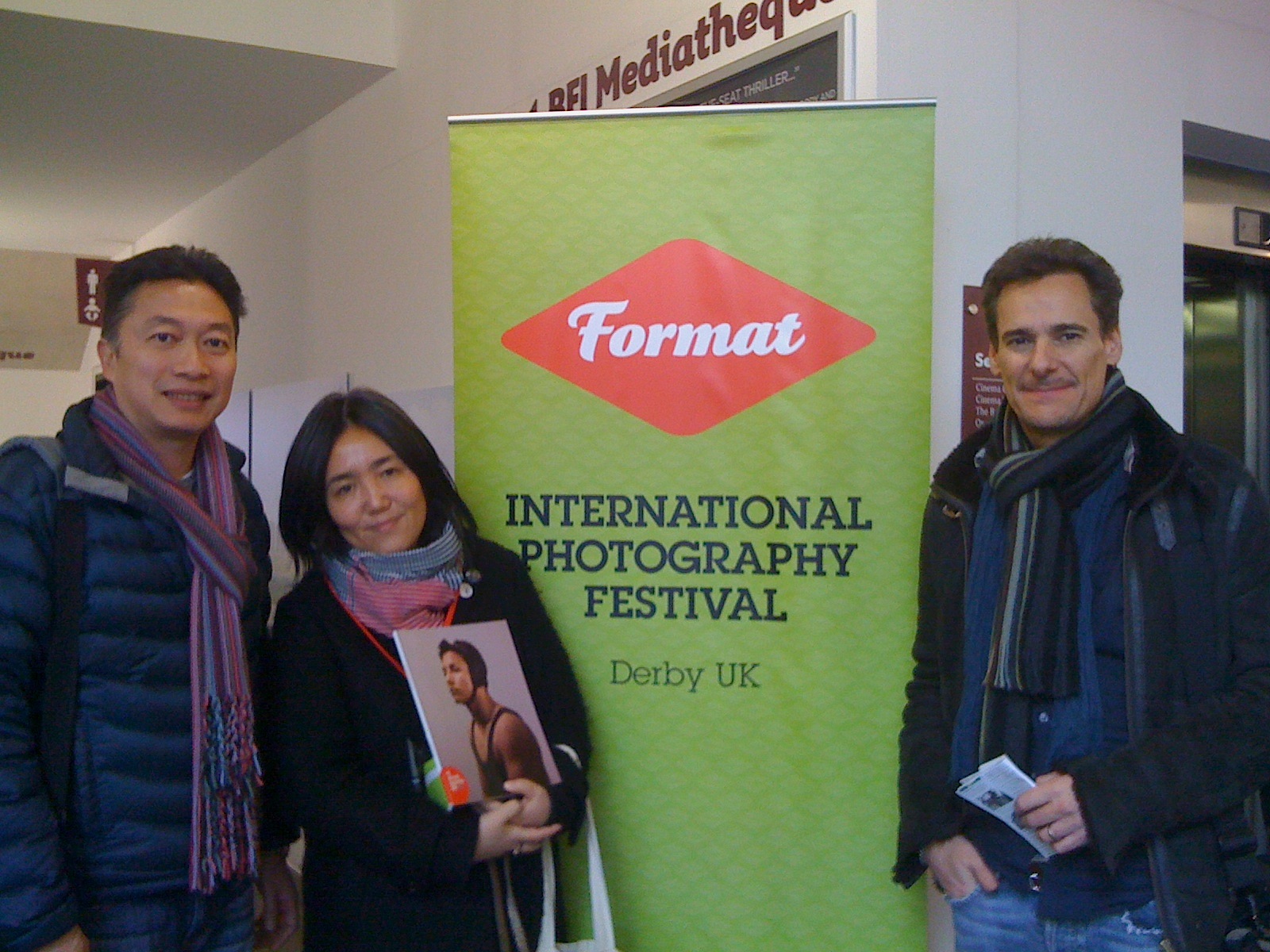
Andy, myself and Jayna, a photographer friend made a day visit up to Derby for the Format International Photography Festival 2011 last weekend. It was a cold and damp day but the train ride was only a short one, and in no time we left St Pancras, we were in Derby station. (Note : Central Midlands train services, even on First Class, do not serve cooked breakfast on weekends, much to our disappointment.) Having arrived and lacking sustenance, we found a greasy-spoon aptly called Acropolis in Central Square, next to The Quad arts centre where Format is mainly happening.
I was there also to meet up with Yumi Goto, who has been invited over from Bangkok to speak at the Festival. Yumi is also one of the judges for KL International Photoawards 2011 and it was certainly a great opportunity to make my first contact with her here in the UK. Our first event at The Quad was to listen to Chris Steele-Perkins speak on his work and approach as a photojournalists for over 30 years. Chris Steele-Perkins is a renown Magnum member whose inspired works covered most of the UK in the 60s and 70s, documenting the British youth in the form of the teddy boys, and also suburban life, Northern Ireland, and later, overseas conflicts in Afghanistan, Lebanon and Africa. He also showed some of his later works from Japan, particularly his Mount Fuji series and Hello, Tokyo, Love series.
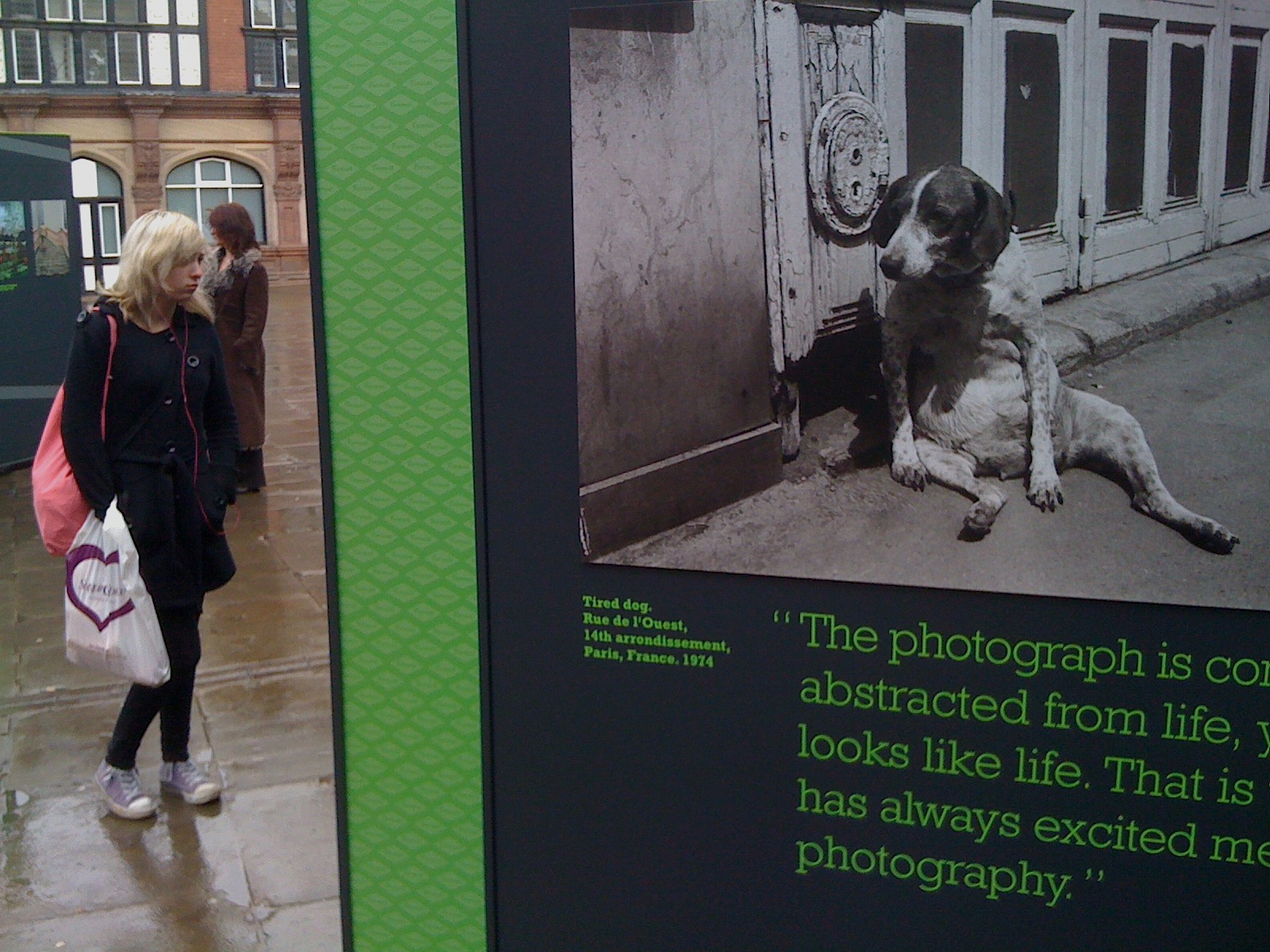
There are also other exhibitions going on throughout the town of Derby, in museums and vacant retail units, at the University also. It was certainly a busy day for the organisers, with Portfolio reviews going on throughout the day, talks and seminars, and the odd ‘celebrity’ photographer wafting in and out of the centre. Personally, I thought it was a well funded and run event, with many decent exhibitions, but a few were rather mixed. The theme this year focuses on Street Photography, and for want of a better word, this genre covers so many styles and methodology, including barren landscapes and photojournalism, that I think, it may be better to drop the ‘street’, and called it Urban photography. I thought Bruce Gilden‘s commissioned images of candid Derby townsfolk Head On, shot at close range with a fill-flash, specially for the festival was too simplistic and pointless. The video of him shooting in the street was more informative, but his shots weren’t. I was also excited to see some of Vivian Maier‘s photographs but sadly, only a homemade video was playing, and that did not interest me.
I was happy to see Katrin Koenning and Virgilio Ferreria‘s works displayed at Format11 also. Katrin and Virgilio were both finalists at KL Photoawards 2010. Some works that stood out for me were Jun Abe‘s Citizens, George Georgiou‘s Fault Lines, Turkey East and West, and David Gibson‘s humorous street grabs. It ‘s always great to see notable Magnum photographers works like Alex Webb, Raymond Depardon, and Bruno Barbey up close. I was surprised some of the big names in so -called Street photography weren’t represented, notable the father of the genre, Cartier-Bresson, Robert Frank and Winogrand.
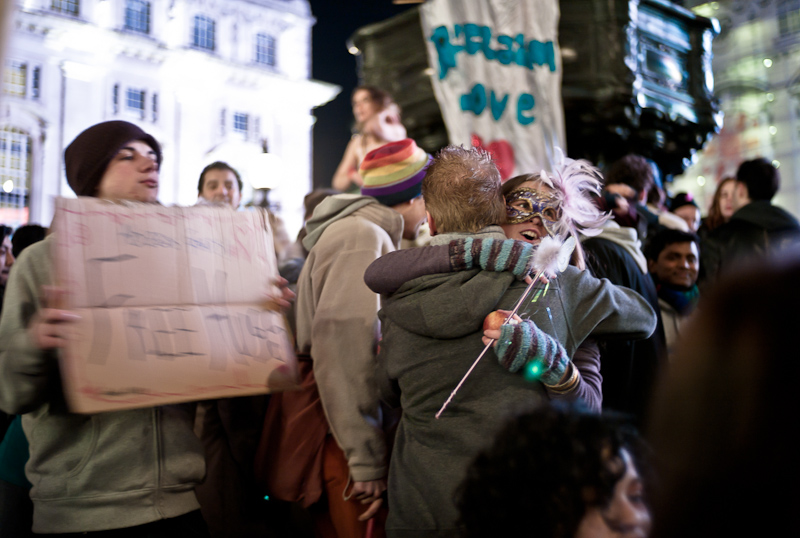
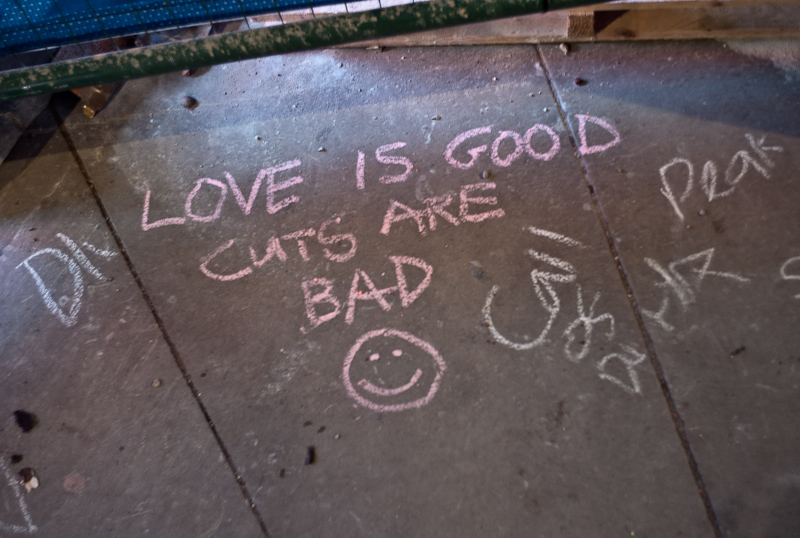
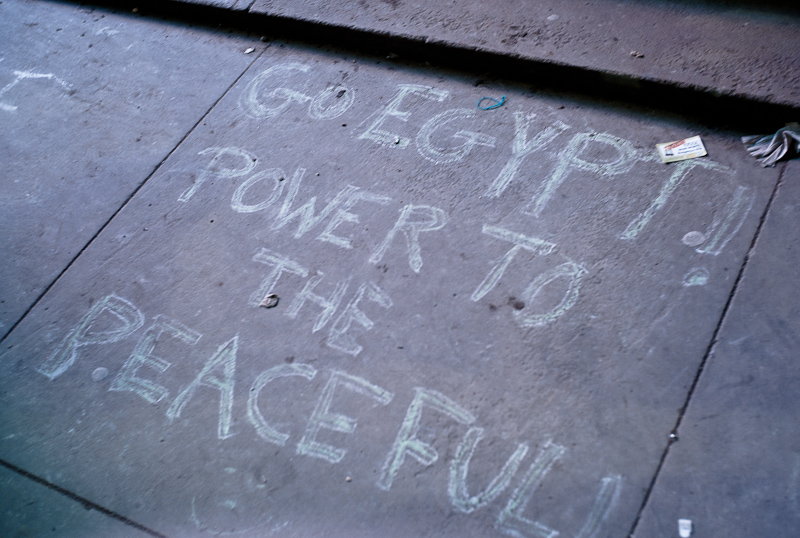
I stumbled across a party at the Eros Statue in Piccadilly Circus today and thought I’d post some of the grabs I got from it. It was a bunch of ‘peace-loving’ people dancing, singing and playing several rhythmic bongos as the tourists looked on and joining in their Free Hugs too. The recent events in Egypt also precipitated the whole ‘peace and love’ mood!
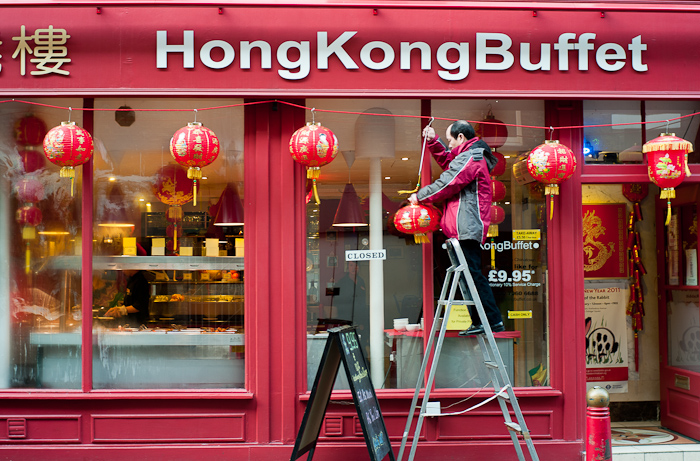
Chinese New Year of the Rabbit is upon us soon. I wish all my readers and friends a Happy Lunar New Year, lots of Good Health, Luck and Prosperity! Snapped this in Chinatown this morning.
I took a brief walk on Sunday last, along Brick Lane in the East End of London, an street I had not visited for several years. This area has been transformed from a poverty-stricken Bangladeshi ghetto in the 70s to what it is now, a vibrant area of trendy boutiques, retro-warehouses, street foodstalls, open market place, and lots of watering holes for the thirsty tourists that flock here over the weekends. It has a vibe that certainly matches Camden market or Portobello Road. And it has some of the best curry houses in this part of London, some say. I came here, not to sample the curries, (as I have reserved my spicy palate for Tooting where I am promised of fiery southern Indian dishes) but the famous Beigel Bakery, a 24 hour greasy joint where the salt beef stuffed beigels are to die for.
If you are into retro styles of anything- t-shirts, leather jackets, vinyl, funk and rock music, large sunglasses and frilly scarves, grunge accessories, hip ’60s furniture and mirrors, AND you like world food, like sushi, tortillas, Korean, Morroccan, Thai, paella, crepes, Colombian, and much more, then this street is for you. Plus the many curry houses with their less than persuasive touts shouting out for your custom.
I found the side streets more interesting, and less crowded, with a variety of newish boutique gift shops, galleries and designer outlets. There’s much to photograph here, the fashionable visitors with their retro clothes, the much-talked about graffiti and the open street markets selling junk. Yes, junk. You can find tons of junk for sale too.
All of us have at one time or another written essays seeking a ‘compare and contrast’ between two or more subject matters. They could be theories, or objects or points of views. In contemporary photography, critics and non-critics alike are always comparing and contrasting, evaluating the unknown with the known, to form an identity of that which is shaped by how much understanding, knowledge or intellect one has in a particular genre to be able to say, “I like this photograph…it reminds me of a…(name of famous photographer)… .”
Unfortunately, the honest gut feeling of what a good photograph is – what it represents, the subject matter, its composition, its context, its purest aesthetic form, it seems, are no longer so important, but rather ” .. it looks like a Stephen Shore, a Gursky or an McCurry”, even.
Because of modern digital media today allows almost every camera owner to post and receive feedbacks instantly, the saturation of imagery on the internet has allowed the comparing and contrasting to go awry, with no real judgment passed except perhaps limited to a few words like to “great shot!”or “nice photo!” There just isn’t the time and knowledge, to give a more constructed analysis and critique of the hundreds of thousands of pictures that get posted daily. Besides, what if you don’t like a photograph? You simply ignore and move on to the next one.
A lot photographs I see now tend to be emulations rather than creations and although this isn’t so bad in a sense, since “everything has been photographed” as Sontag puts it, and imitation is the highest form of flattery, it begs me to ask then, why photograph? Aren’t collecting perfect picture postcards sufficient? What do we photograph at all?
It must be because we can add value to the image through our personal expression and understanding of what surrounds us in our daily lives. Just like a painter and brushstrokes, the camera operator can mark his or her expression with the click of an f-stop, or the turn of the zoom ring, or even shoot off the hip!
Can photographers become critics and curators? I can only recall a handful of art curators that have been established photographers in their own right. As far as I know, curators and critics are nearly always taught from an art background, subjected to art history as a major or even developed their visual skills as picture editors or journalists. Perhaps curators have to be all-encompassing in their visual interpretative skills, and can see instantly what a good image is, its intrinsic ‘commercial’ value. Whether the general public ‘gets it’ is anybody’s guess. This can be said of contemporary conceptual works. Working as the artist’s pundit, curators must be able to enter the artist’s mind and skillfully scrape out the hidden messages and meanings which often, are securely embedded. The way I see it, photographers can never be good critics, especially of their peers. Curators, cannot be great photographers, as their remit is too wide.
The Camera is your Third Eye
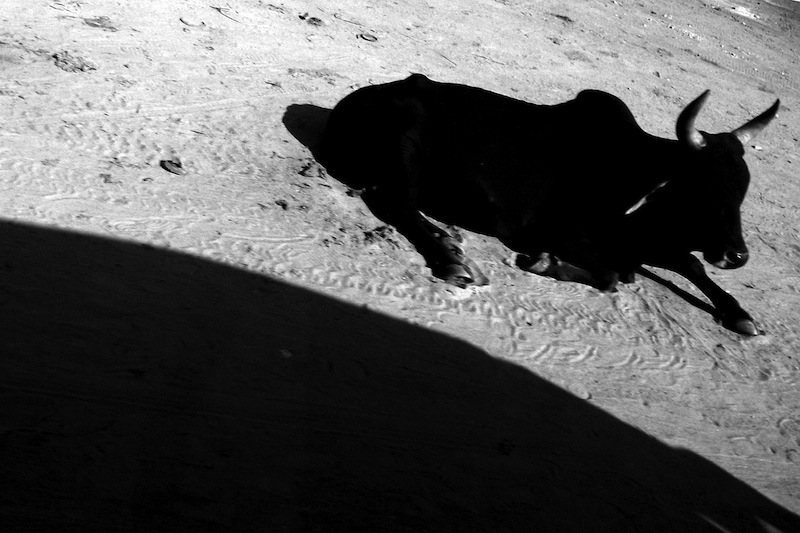
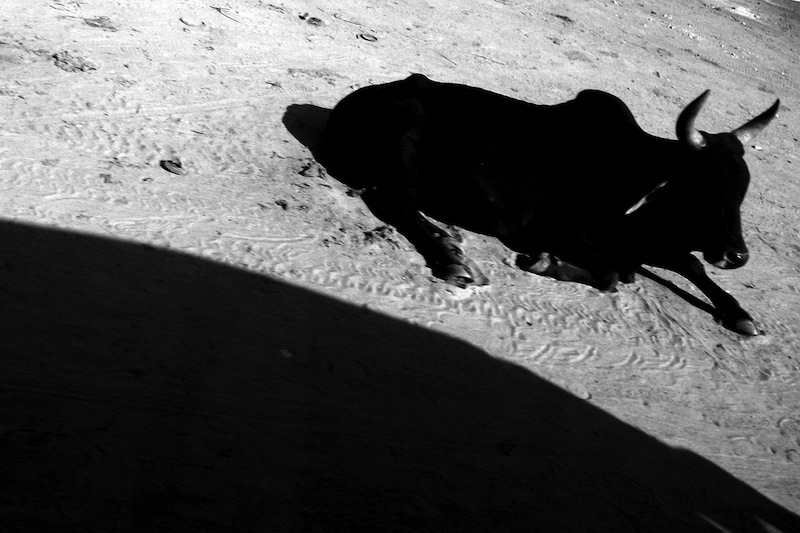
Unexpected things happen when you least expect it. I was going through some of images shot in Rajasthan, India recently and came across this ‘odd’ photo of a black cow lying on the sandy ground, with a heavily cast shadow, of which must have been from our minivan. I don’t remember taking the picture but must have been one of many, shot through the vehicle’s window as we drove from Jaipur to Jodhpur. I nearly hit the delete key, but had a second glance at it. Then I knew I had a keeper.
Road to Jaipur, 2010
One of the strangest and most disturbing photographs which I have come across is the image below of the stray dog by Daido Moriyama, whose work I greatly admire.
Daido Moriyama, Stray Dog, 1971
This photograph at first glance, a high contrast print, grainy, seemingly unbalanced and oddly out of proportion stuck in my mind. Once you have seen it, you will never be able to erase it from your visual vocabulary. Its menacing stance and almost perceptible growl affected me subconsciously and everytime I face a barking mutt, the image of this stray comes to mind. My image of the resting cow of India reminded me of the stray dog!
Similar, yet miles apart. The perception of blackness and negativity that emanates from both images evokes the same feeling for me. A feeling of brooding intent, a kind of fearful apprehension. In breaking down the images, I see mainly dark geometric shapes in both photographs, over-laid by the image of the dog’s head and in my picture the texture of the sand from the tyre marks. Positive and Negative space. Dimensionally opposed to each other, one recedes and the other approaches. It is this ‘tension’ in the photographs which creates the drama much absent in many photographs today. Robert Frank’s photographs of American suburbia have spades of it. So has Klein and in Ralph Gibson’s works.
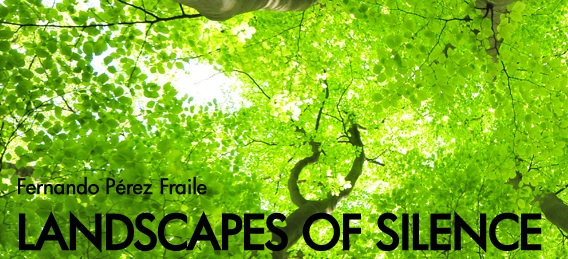
Fernando’s sublime landscape photographs are being exhibited at the flagship National Geographic store on Regent Street, in London’s West End from 18 January to 15 February, 2011. Those that know Fernando personally can attest for his cool, clean and abstract studies of the built environment, as procured by his architectural background. His landscapes series are new to me, and I very much look forward to visiting the exhibition soon. Bravo Fernando!









 explorenation.net ~ photography posts, workshops, writings and thoughts by Steven V-L Lee
You must be logged in to post a comment.