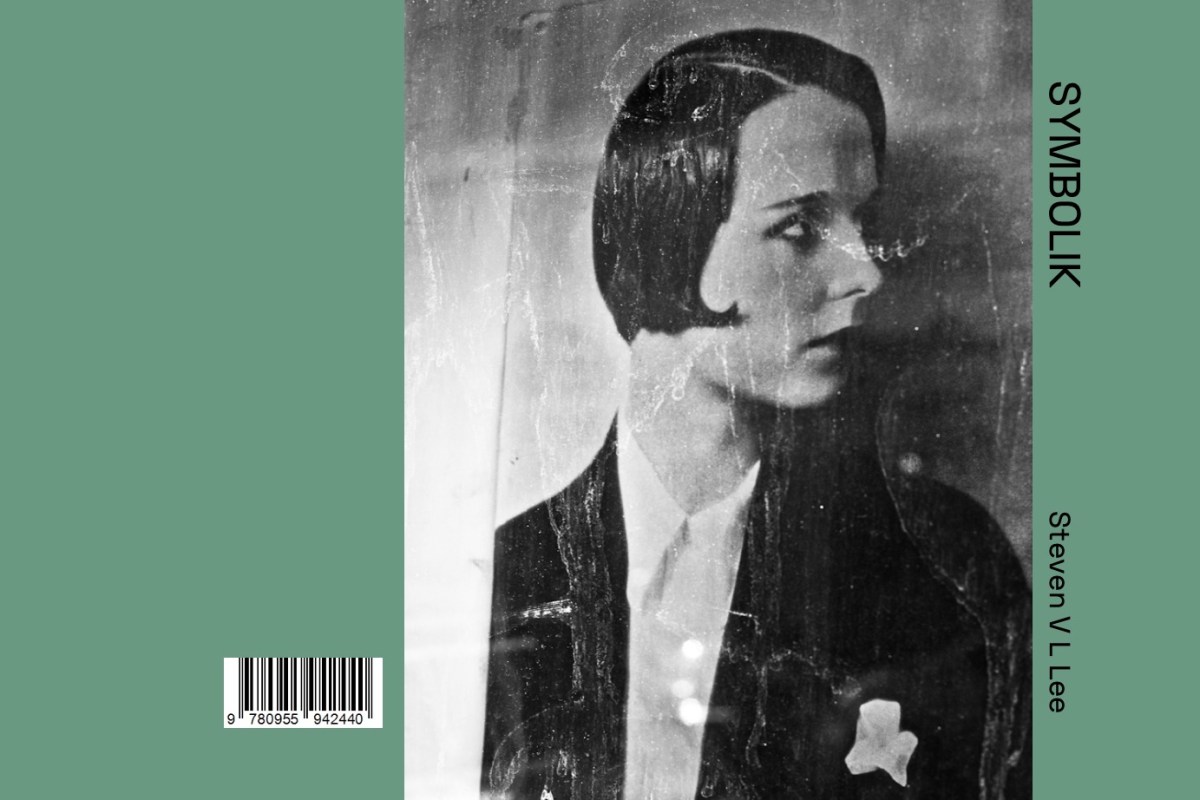
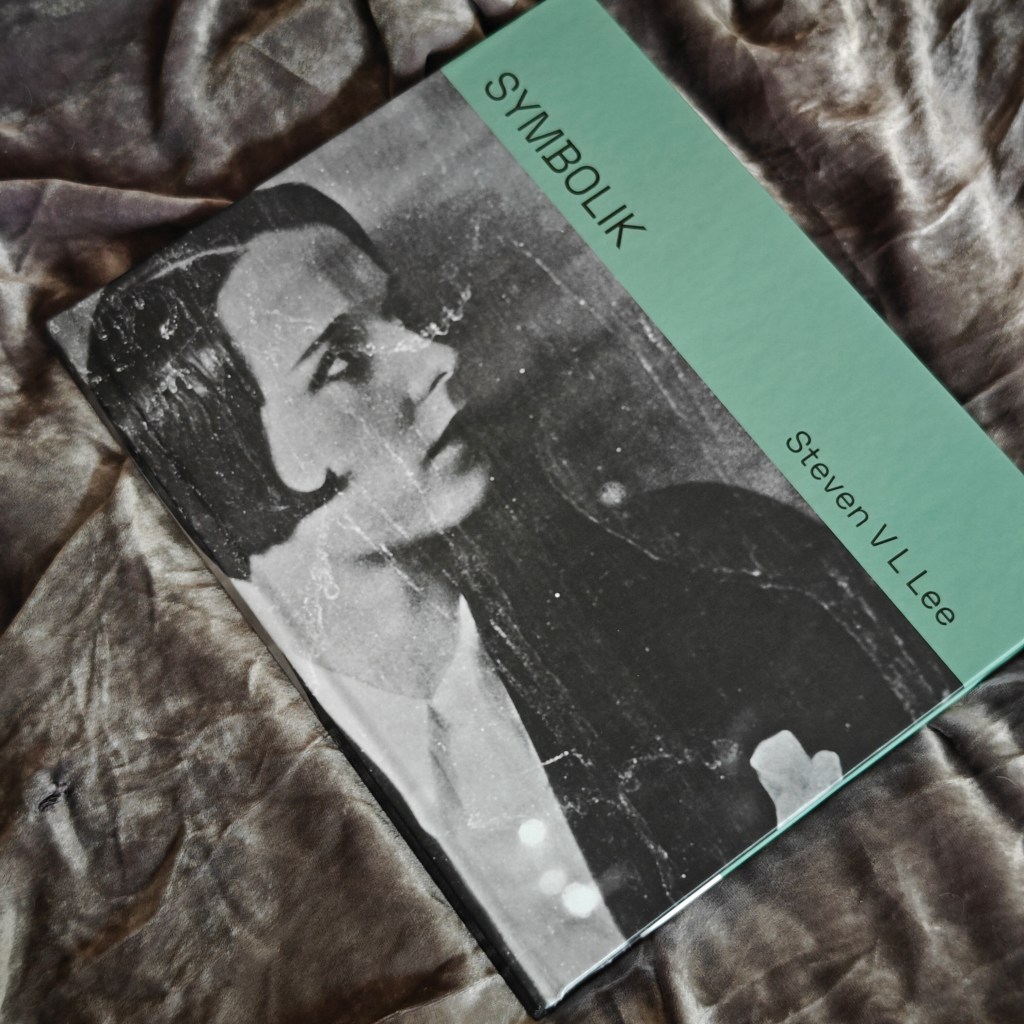
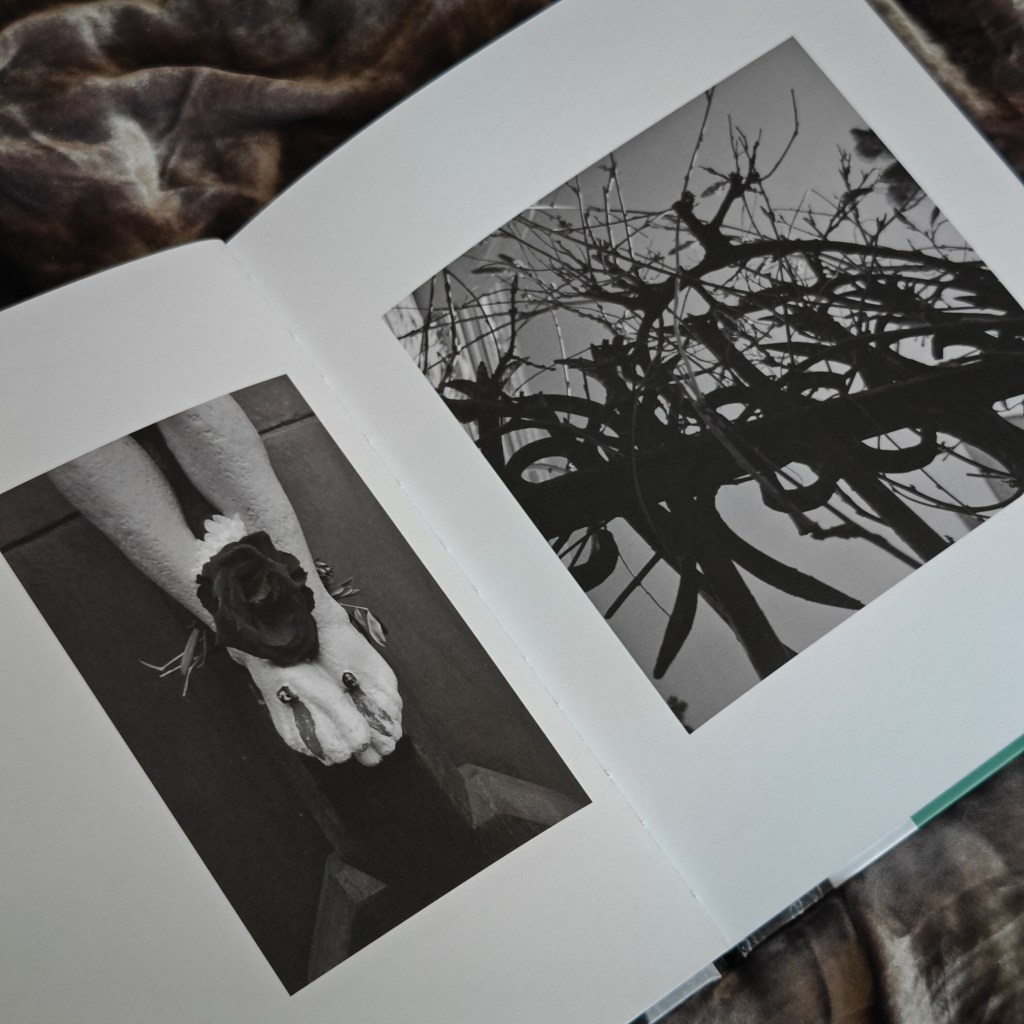
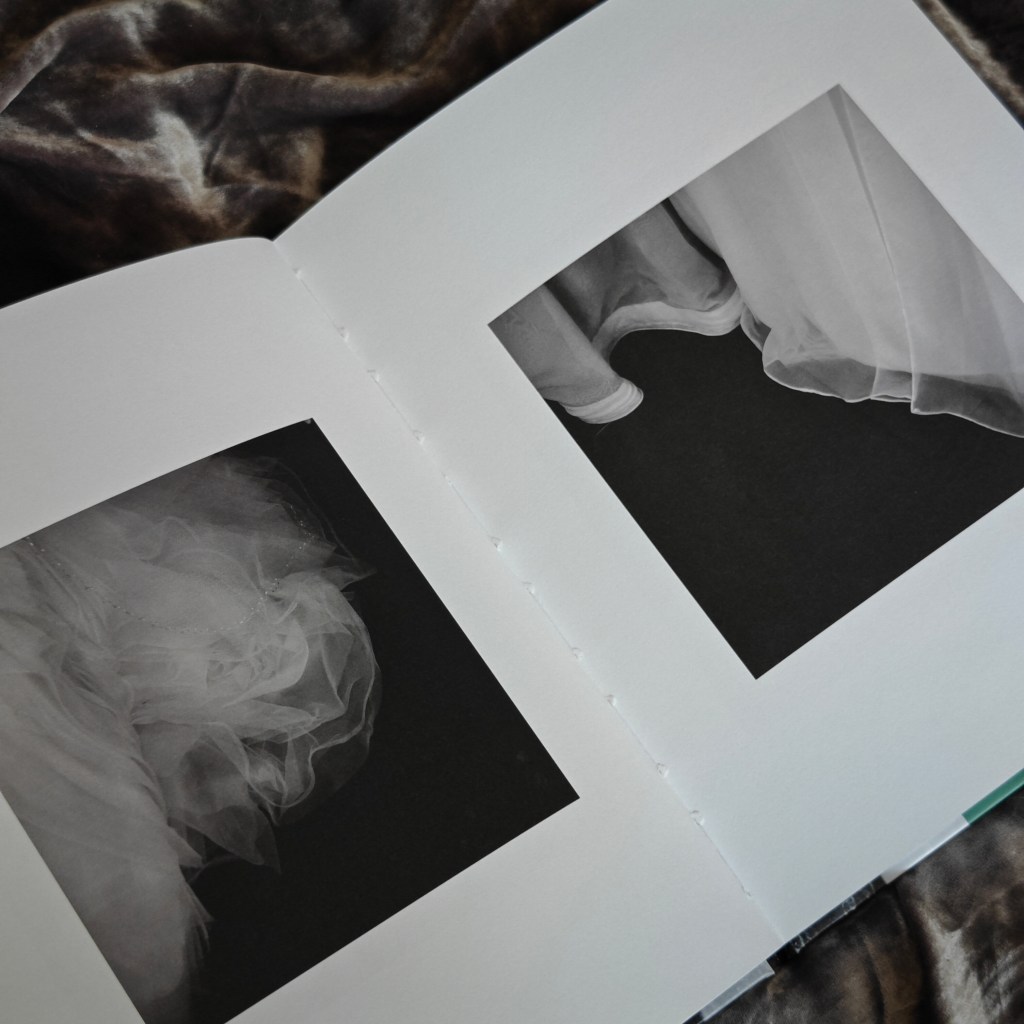
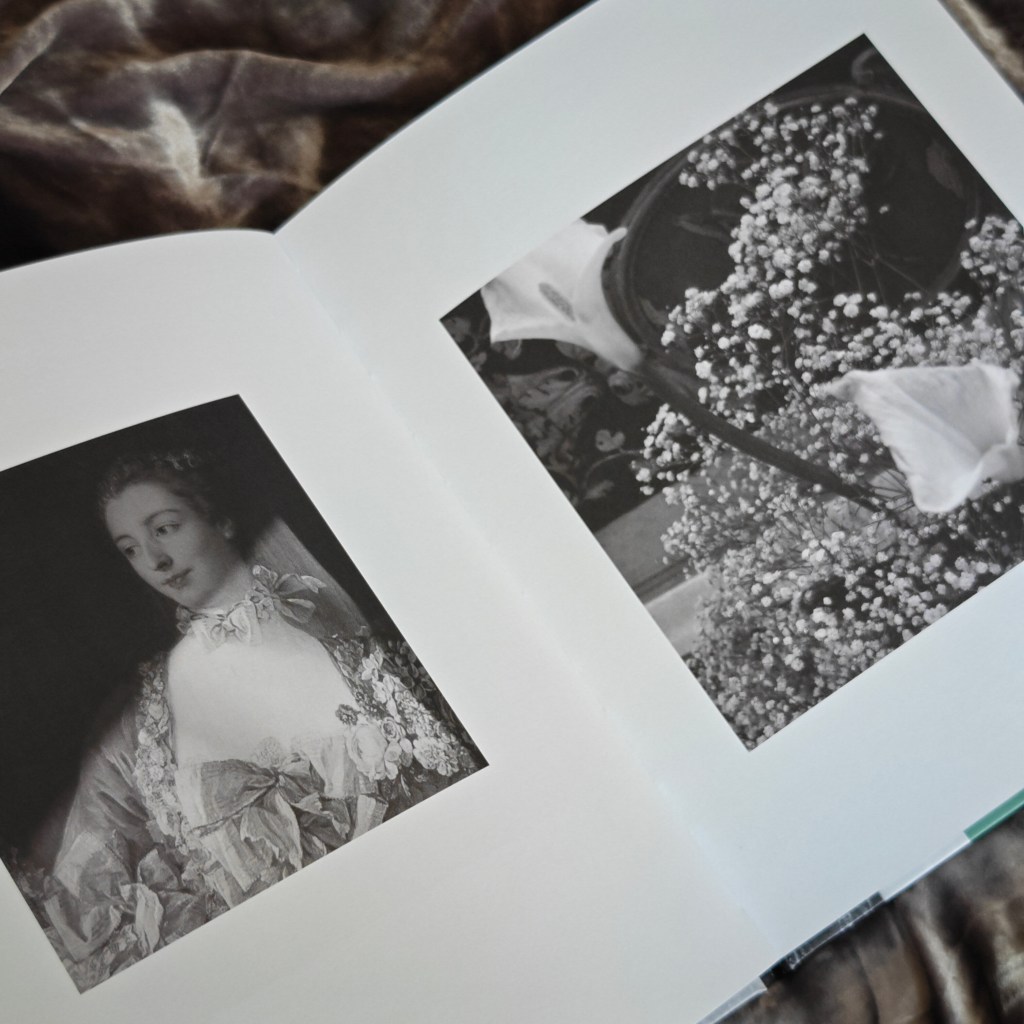
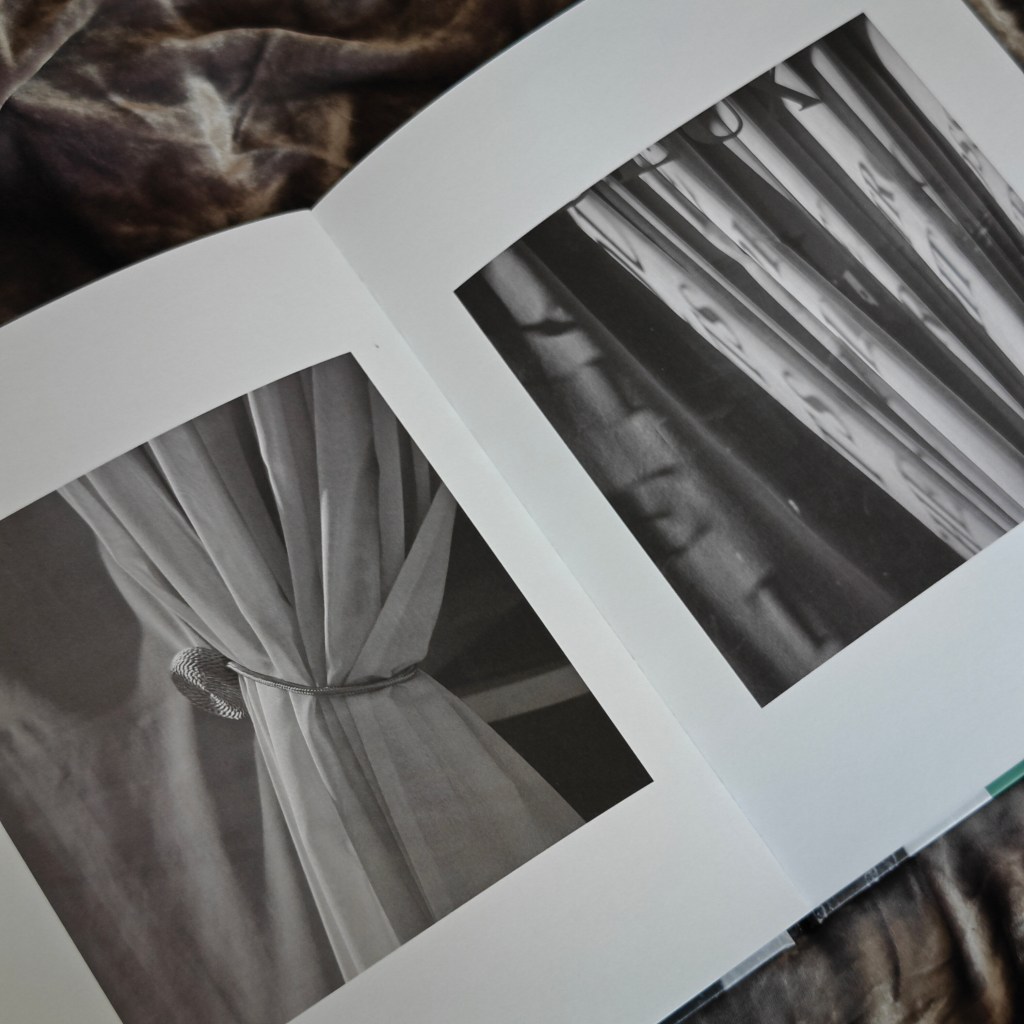
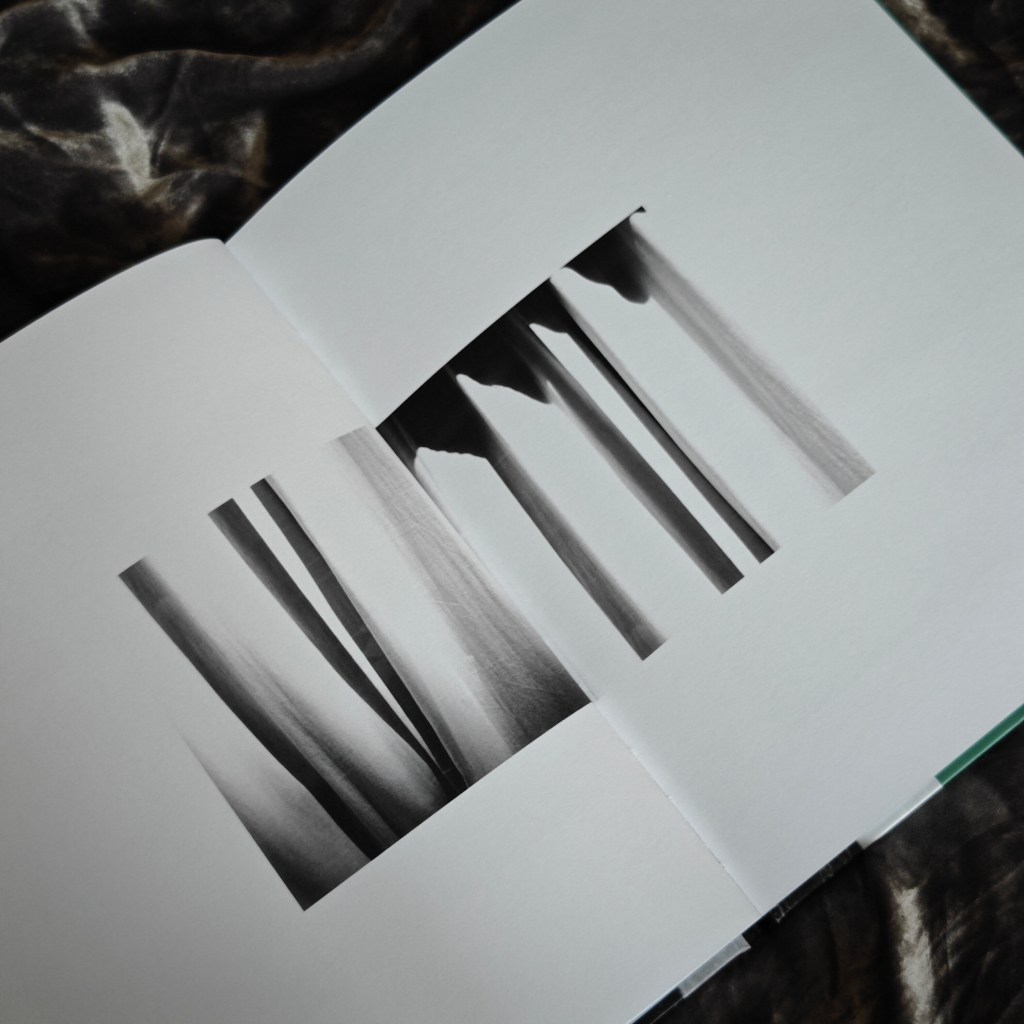
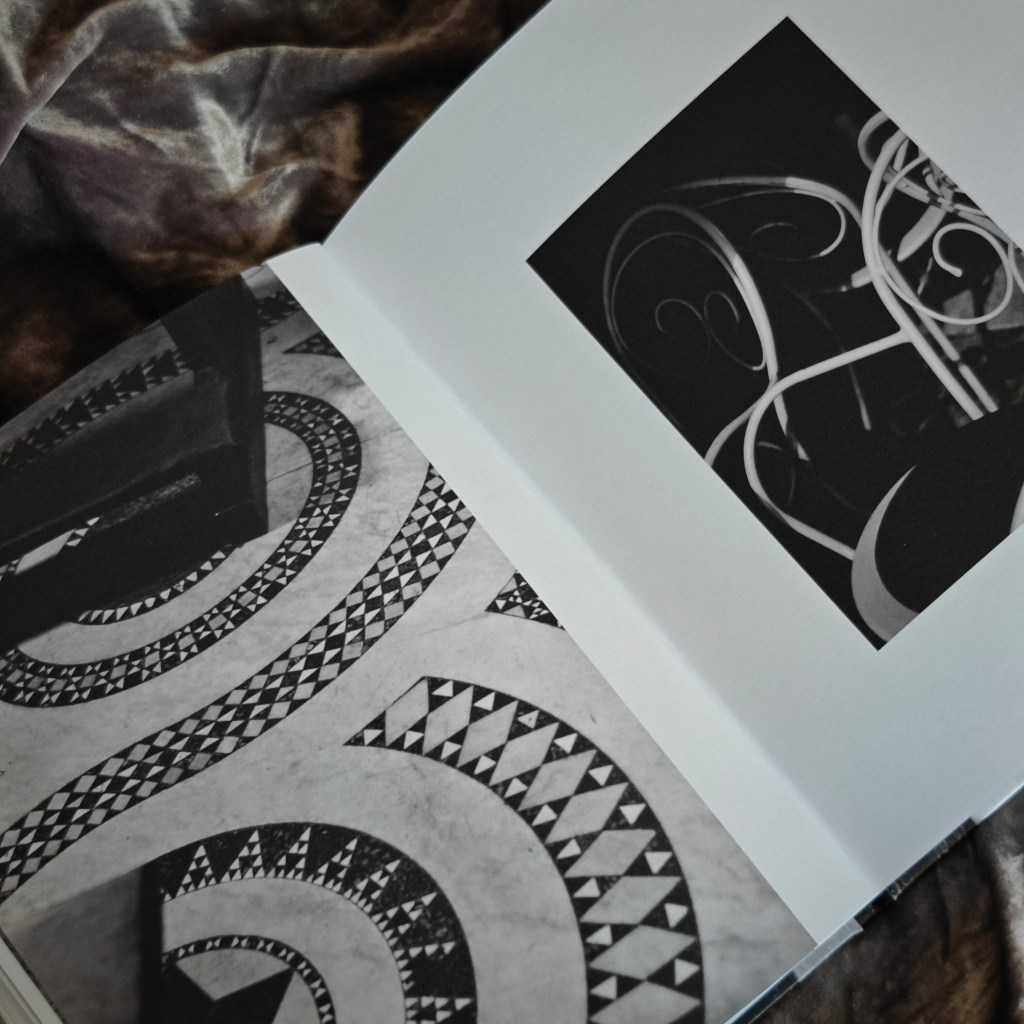
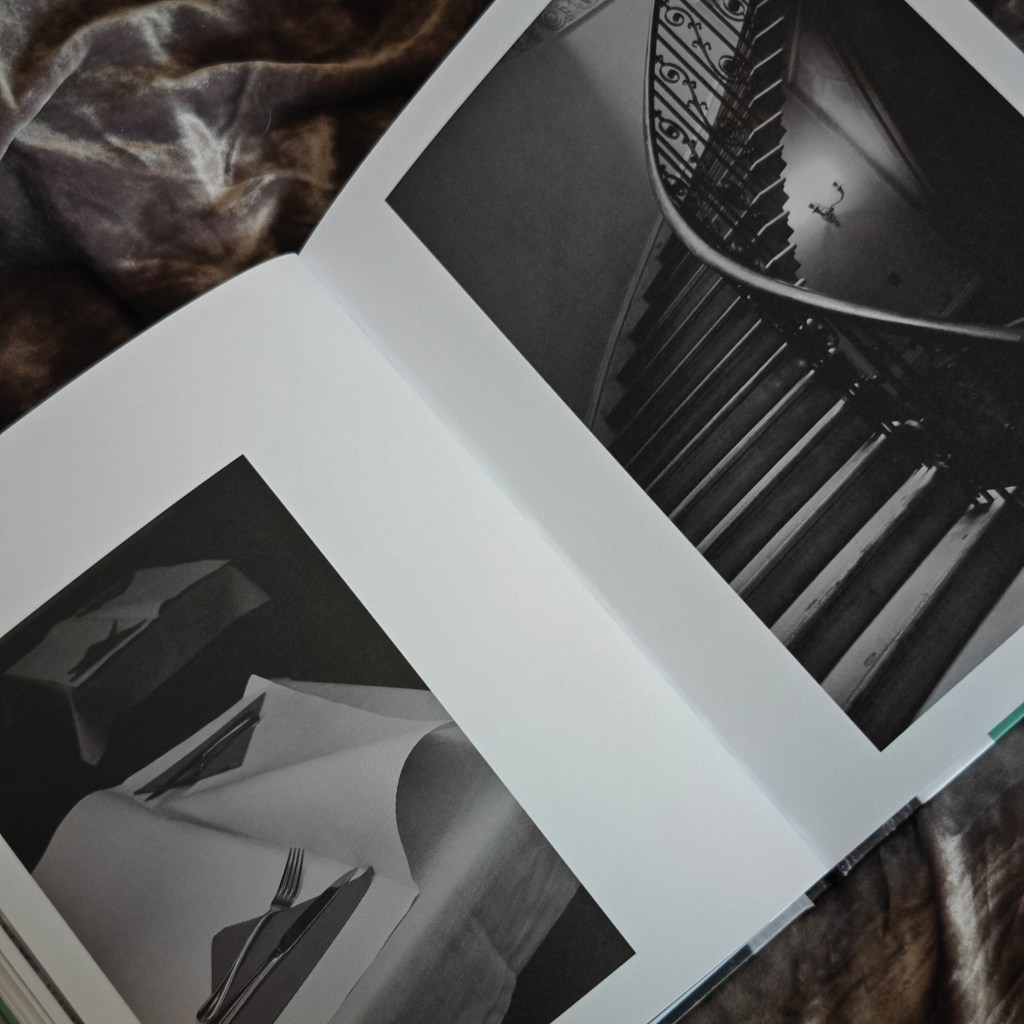
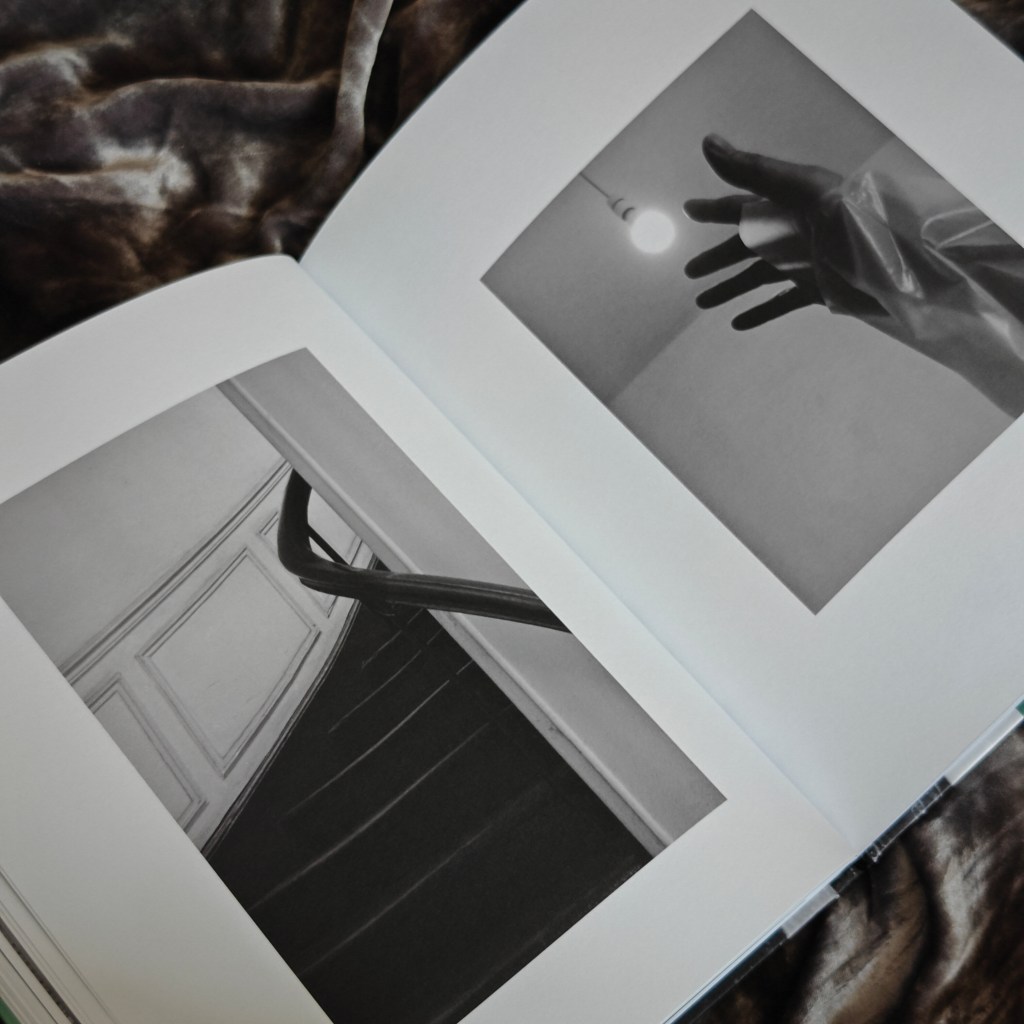
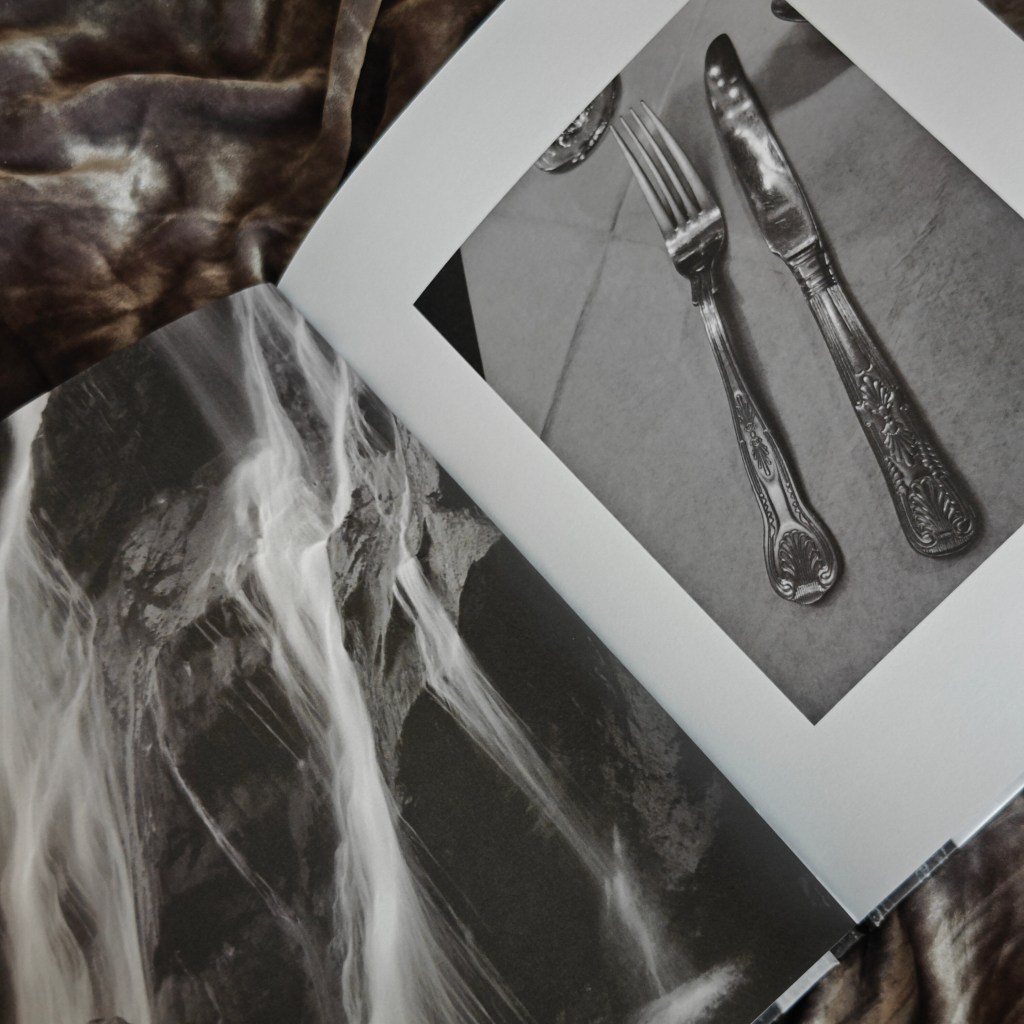
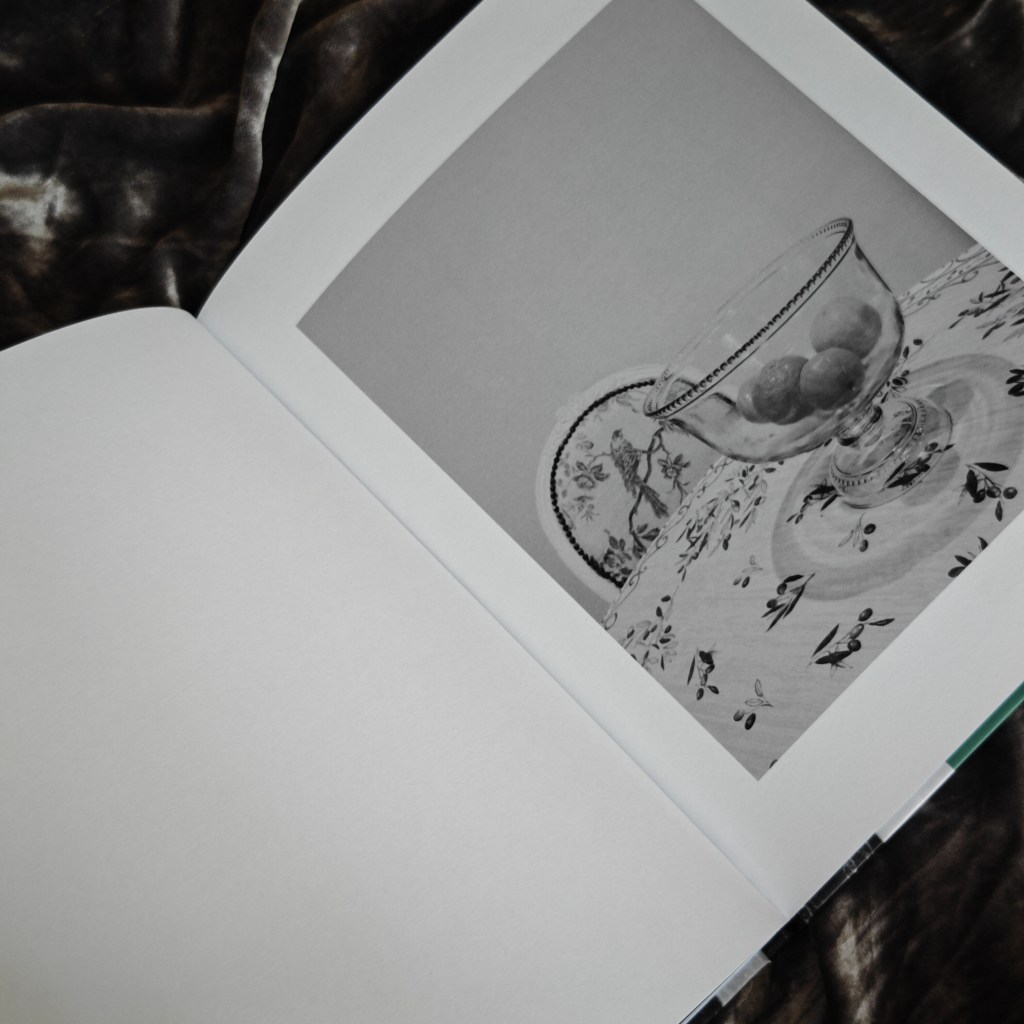
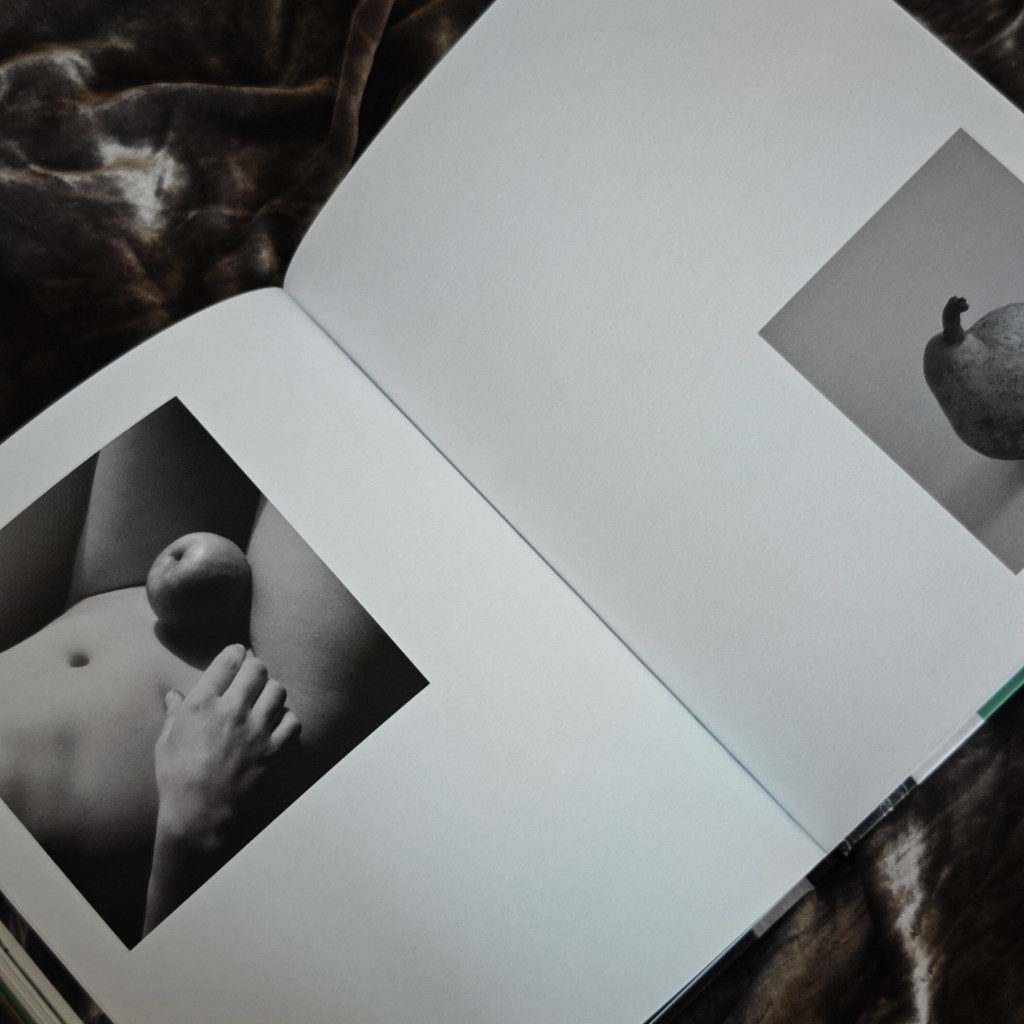
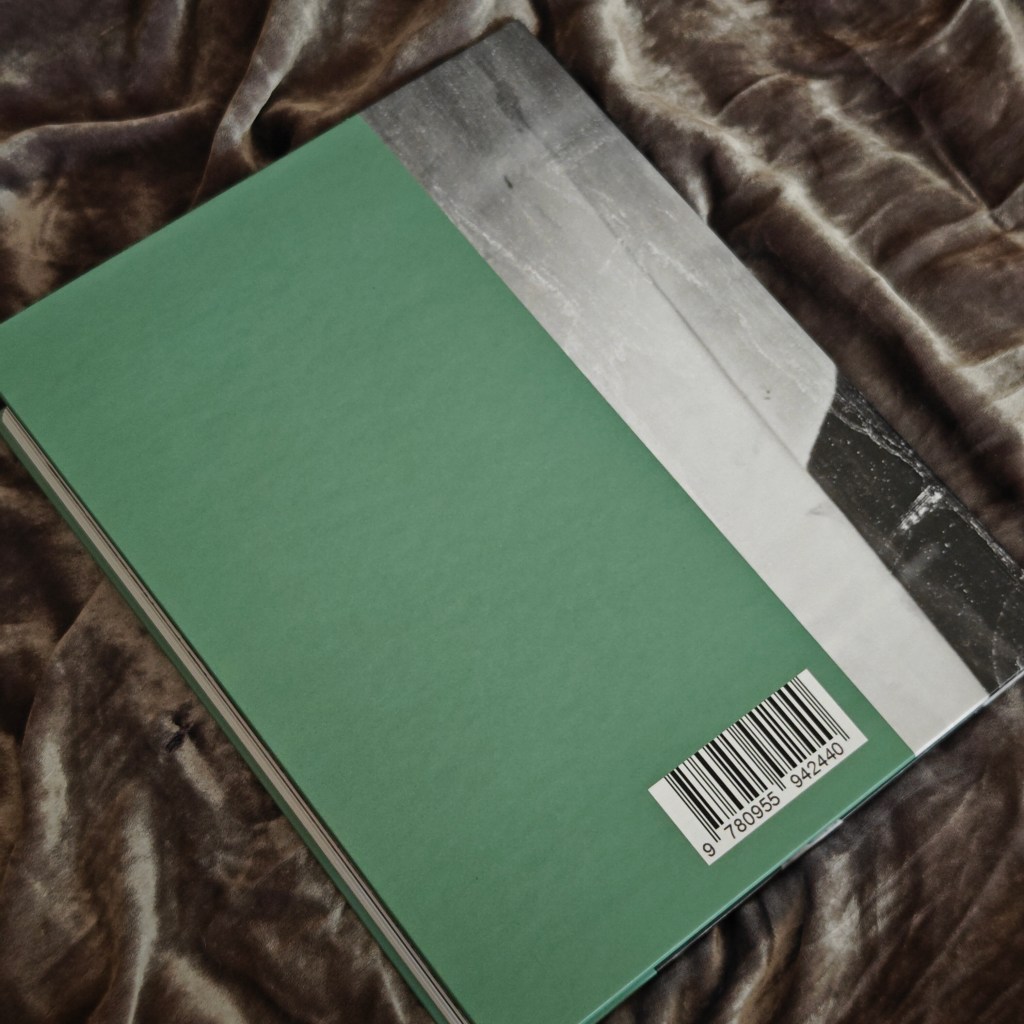
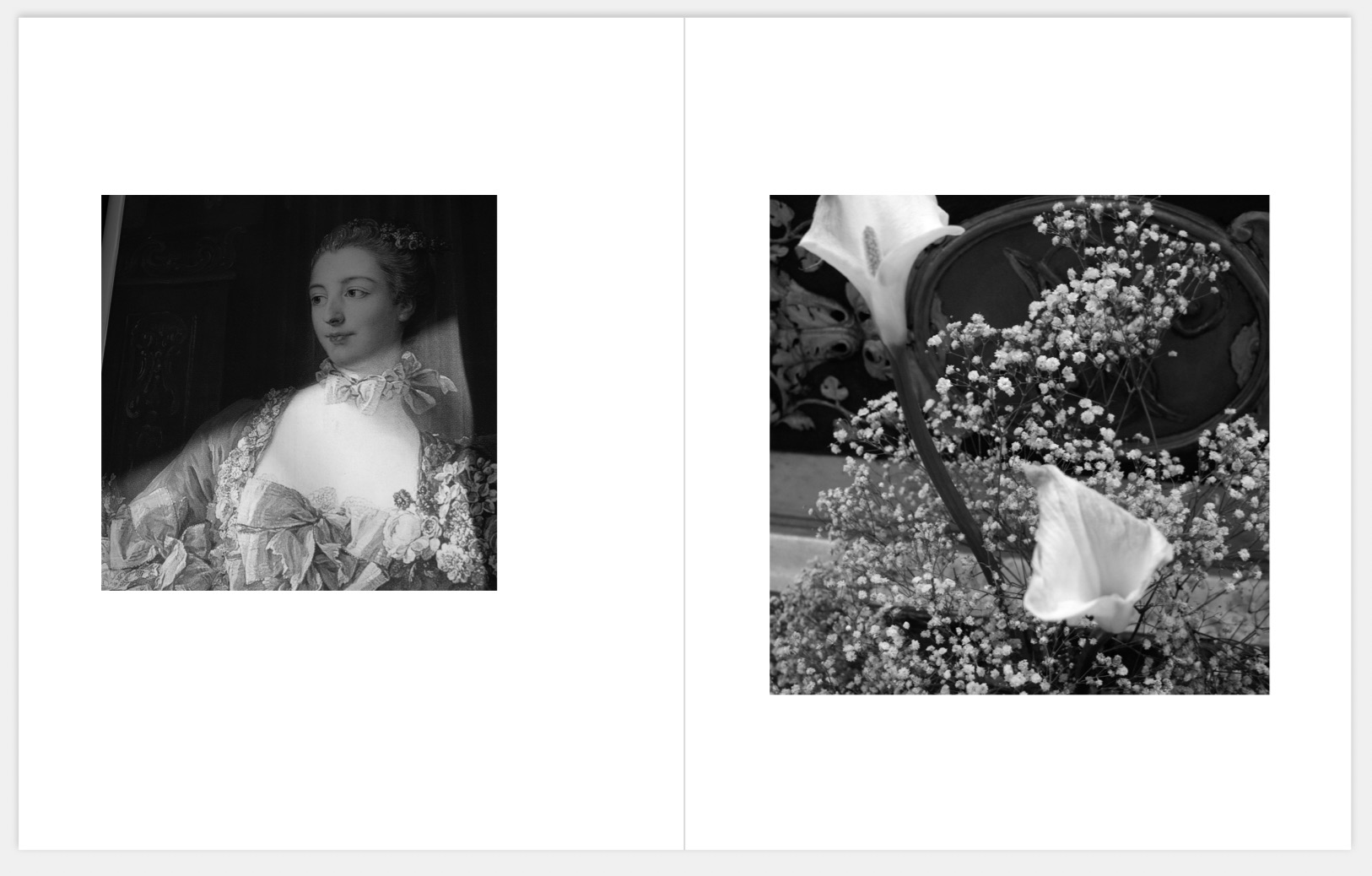
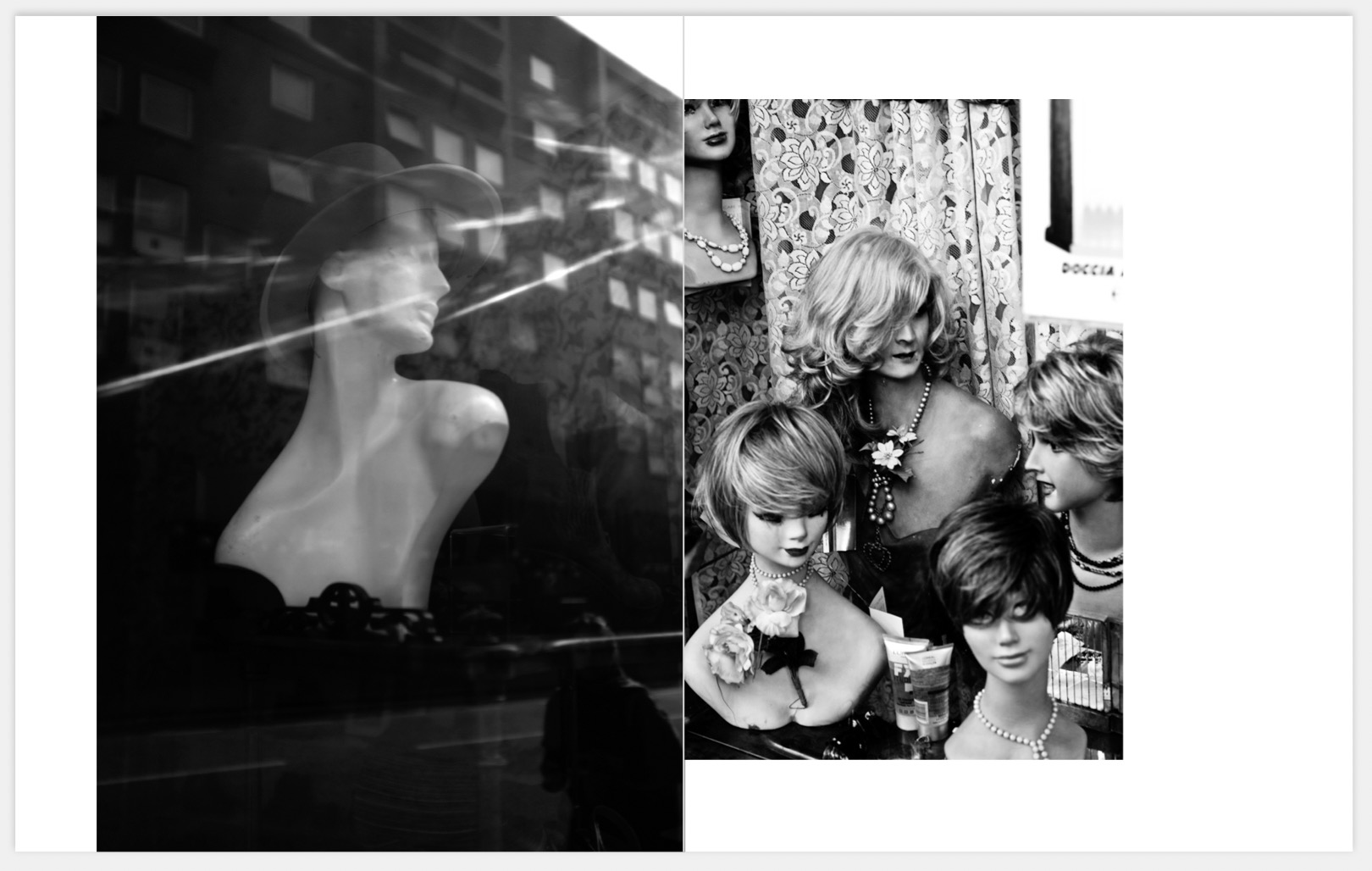
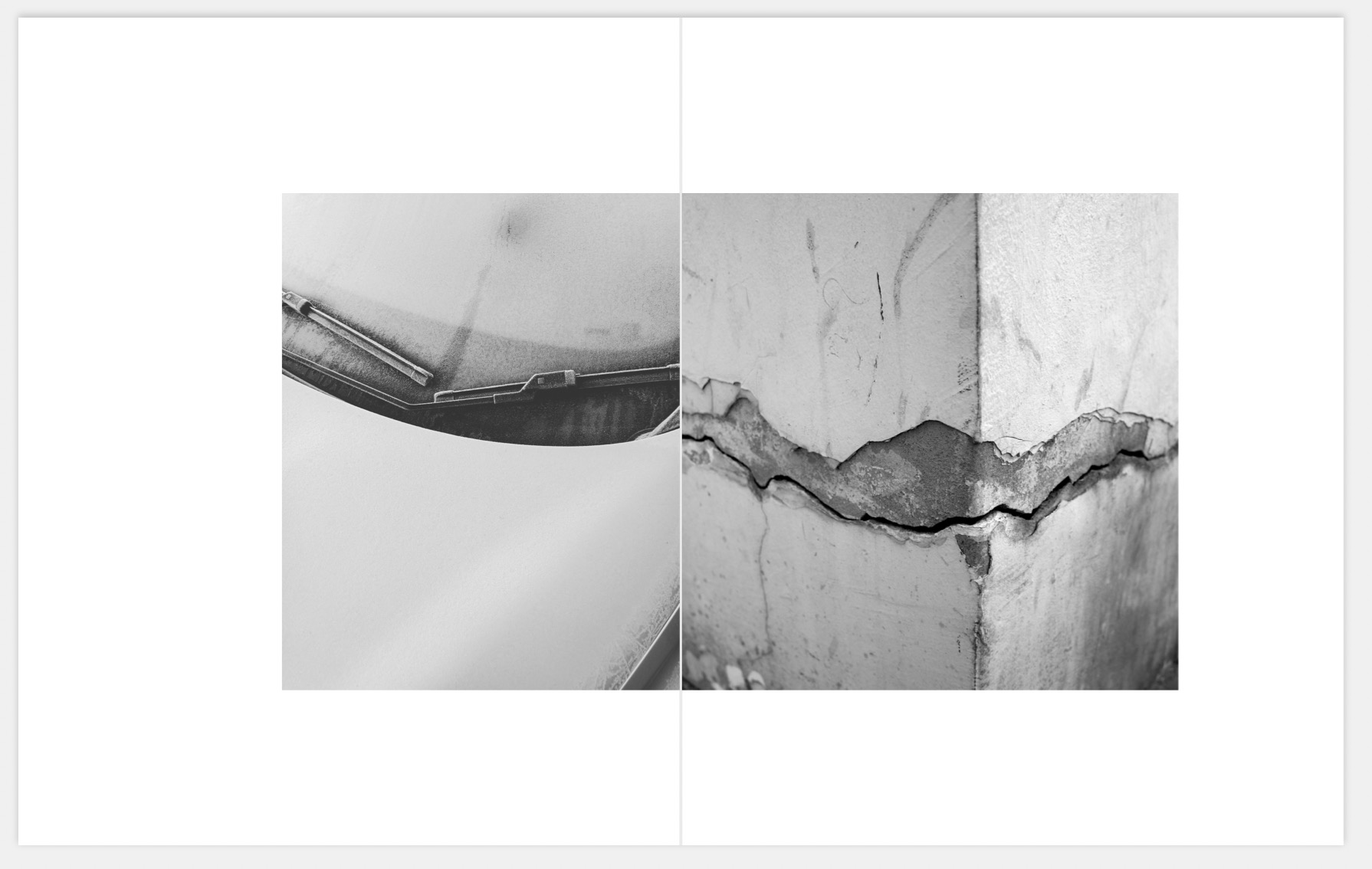
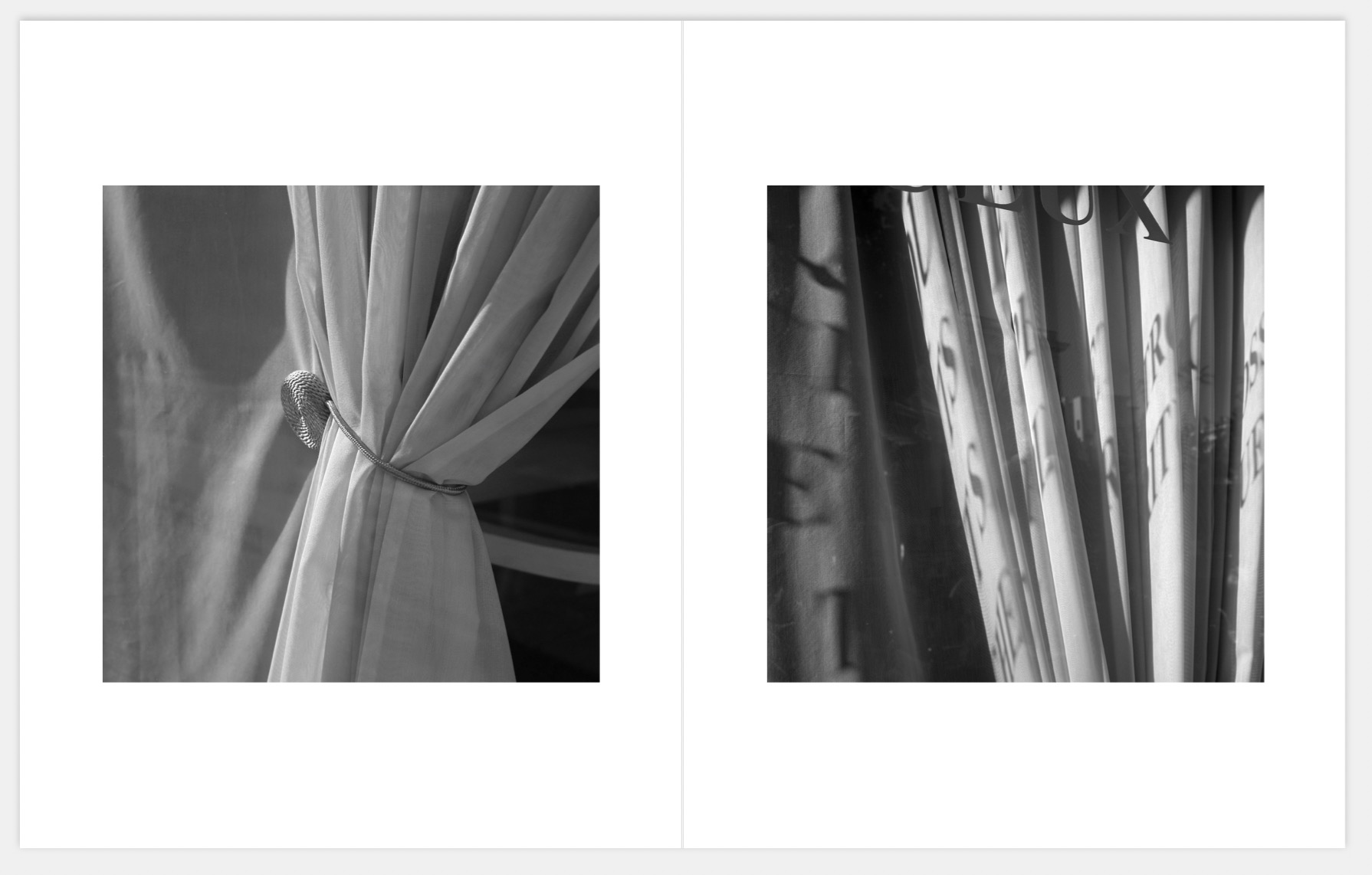
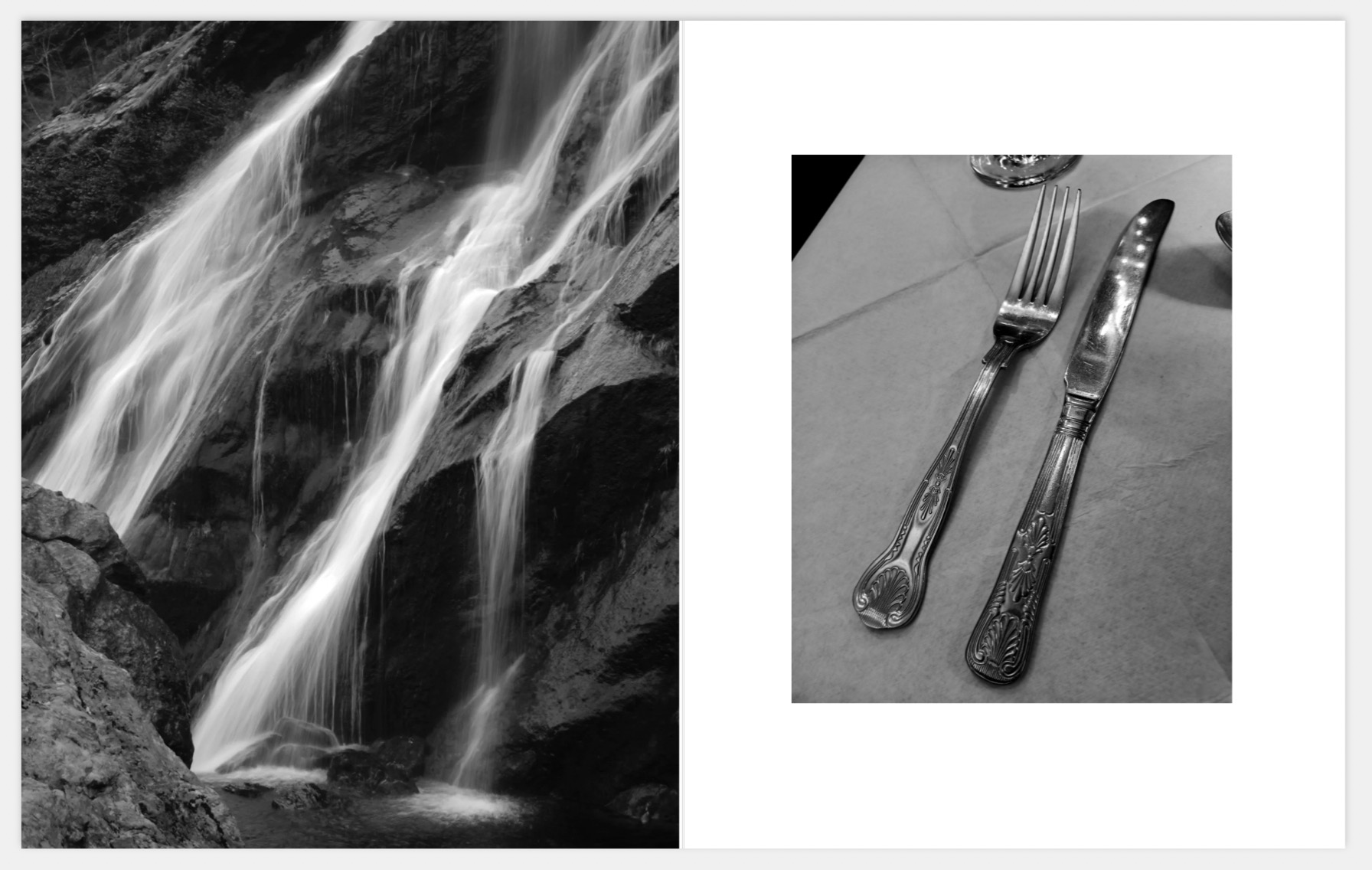
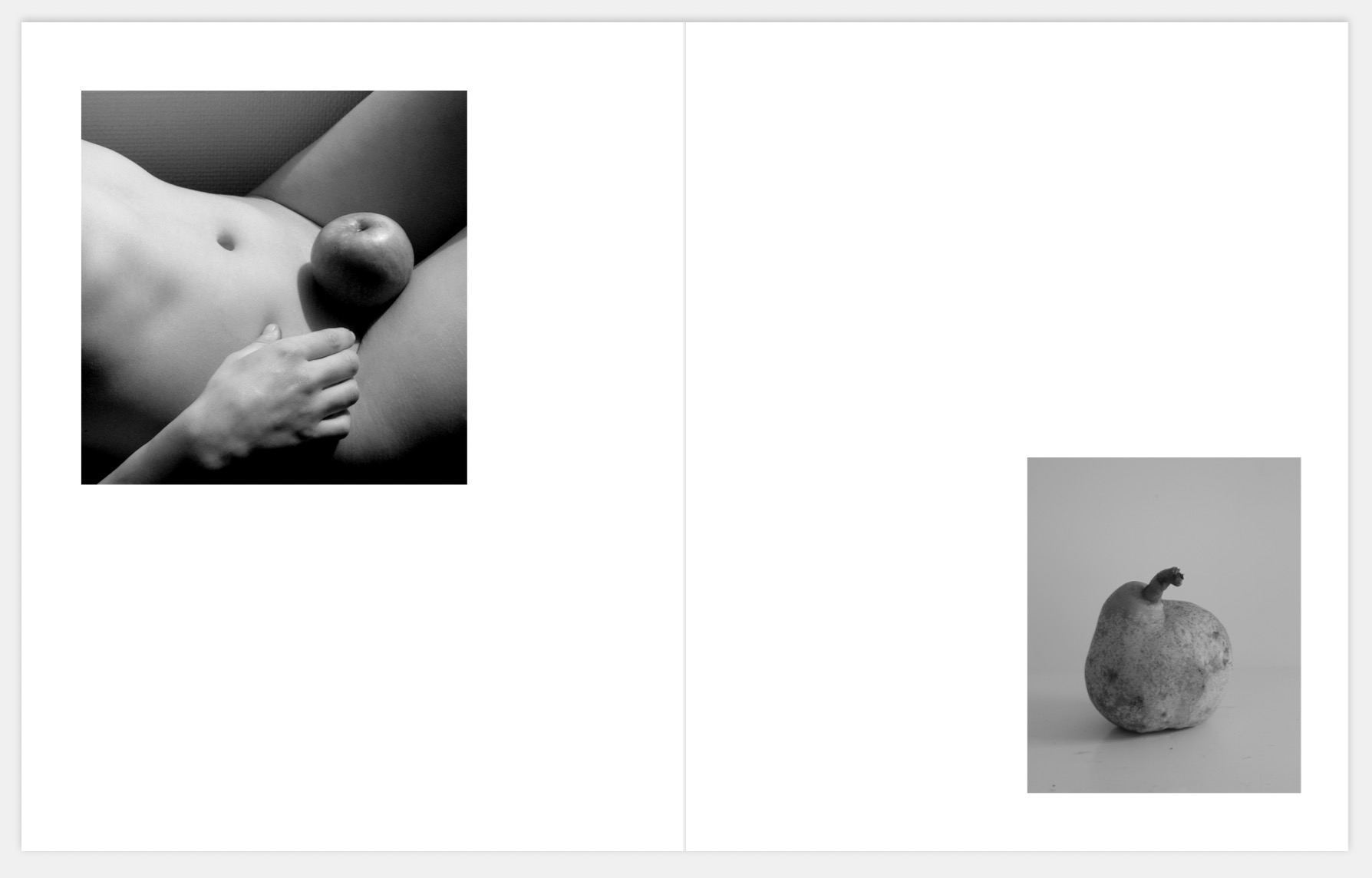
After 6 months working on this book project, putting together the images representing the concept I’d imagined in my head for many years before, the books have finally been delivered to me this morning. I’m over the moon to be able to hold a copy in my hands and turn those pages matt artpaper. Nothing feels that good than a freshly printed photobook, and one of your very own. This is a very personal project which has taken over 10 years in the making. The first print run is limited to 100 copies only and individually numbered.
Pre-orders are taken at Zontiga. Order your copy today and receive a 8×10 inch print from the book. Price : RM150.00
International orders : please contact me for postage and shipping costs.
Copies are available for purchase at Zontiga KL, GMBB, 2 Jalan Robertson, 50150 Kuala Lumpur, Malaysia from mid May. Each copy is numbered and signed, and the first 30 orders also receive a 8×10 inch print of my favourite images from the book.
Thank you once again toBenedetta Donato who totally understood the my project deeply and for your illuminating introduction. Grazie mille!
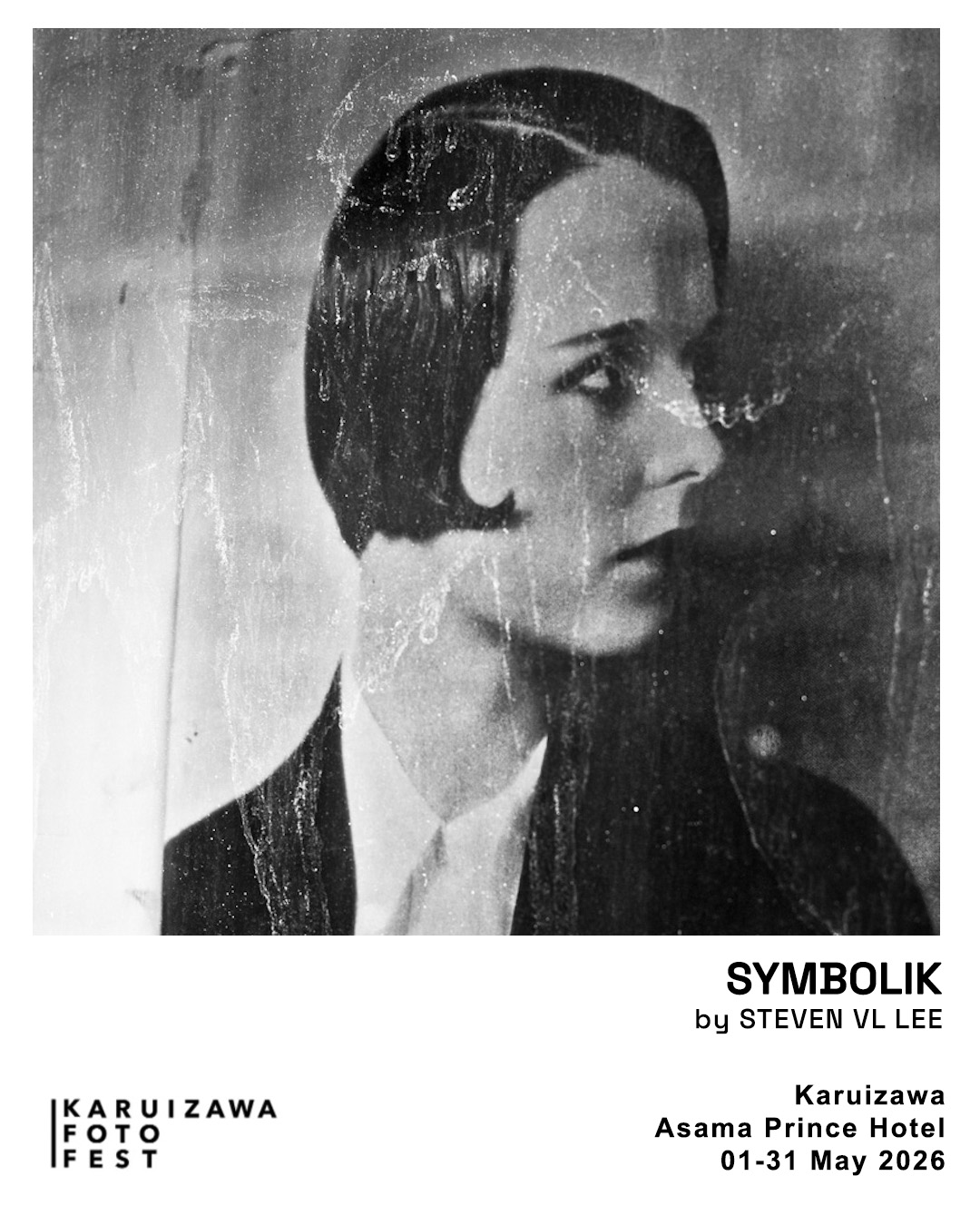
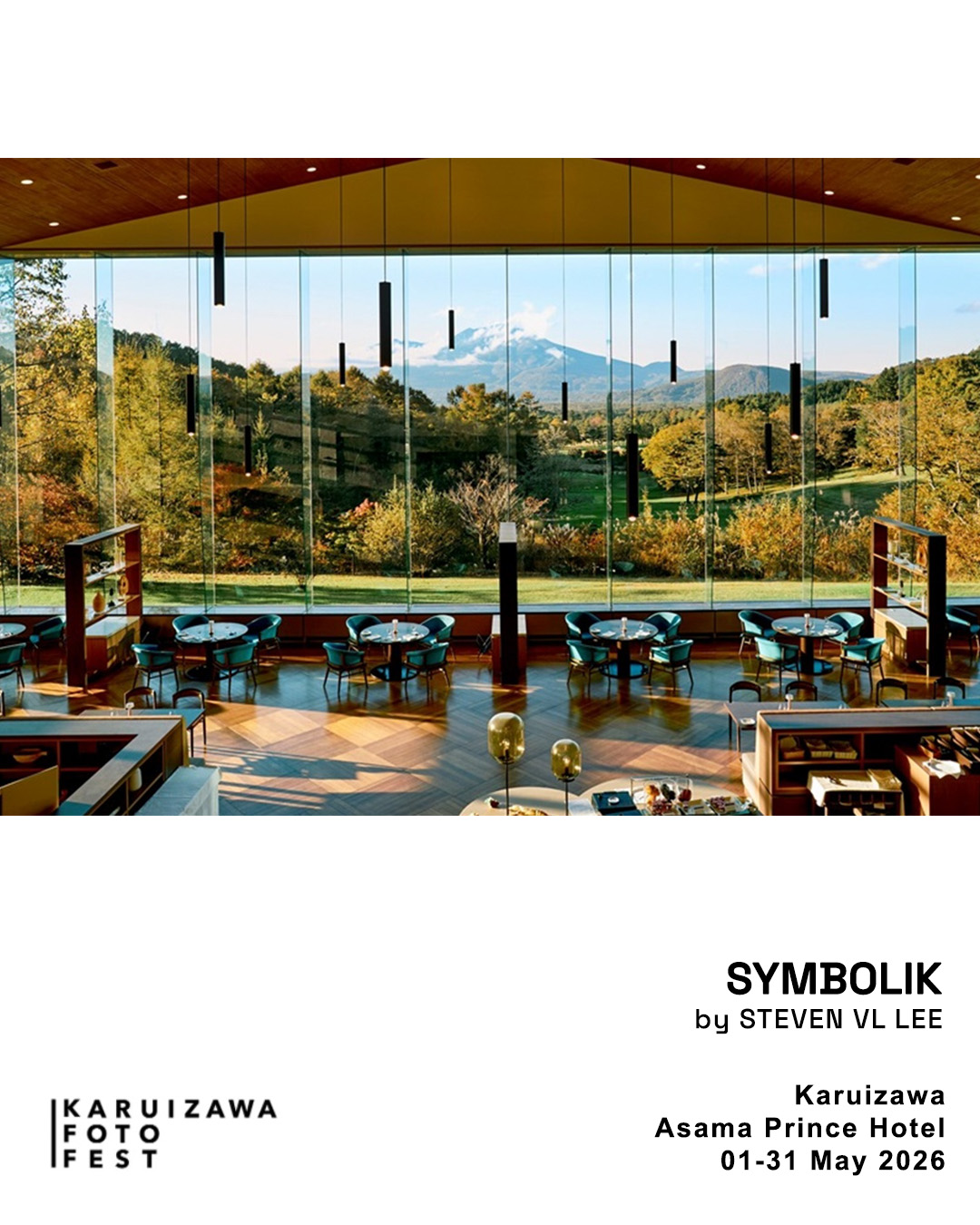
Curated images by festival co-director Naoko Ohta from the project will be exhibited in a solo exhibition at the 2026 Karuizawa Foto Festival in Nagano, Japan from 1 – 31 May.
NID:SIZE:699 kB
What is Symbolik about?
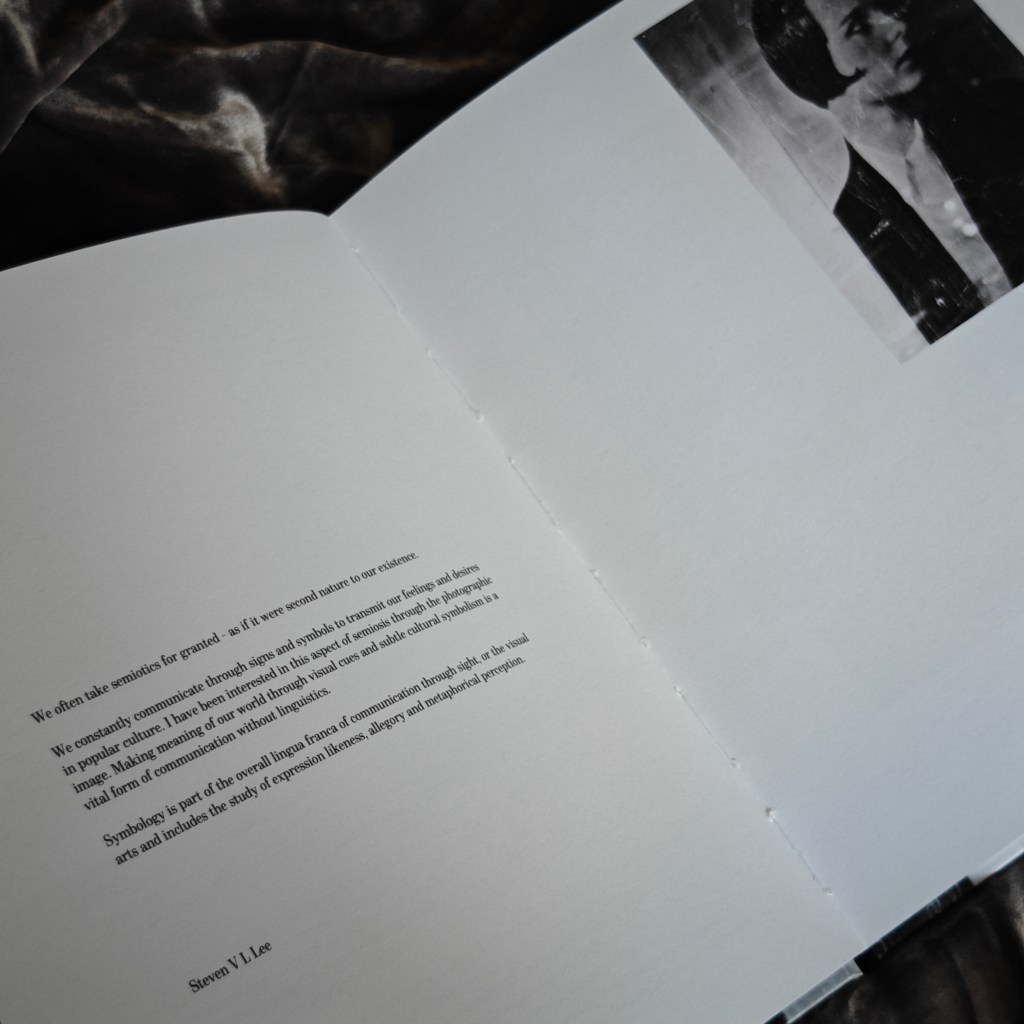
We often take semiotics for granted – as if it were second nature to our existence.
We constantly communicate through signs and symbols to transmit our feelings and desires in popular culture. I have been interested in this aspect of semiosis through the photographic image. Making meaning of our world through visual cues and subtle cultural symbolism is a vital form of communication without linguistics.
Symbology is part of the overall lingua franca of communication through sight, or the visual arts and includes the study of expression likeness, allegory and metaphorical perception.
Signs and Symbols, Motifs and Meanings
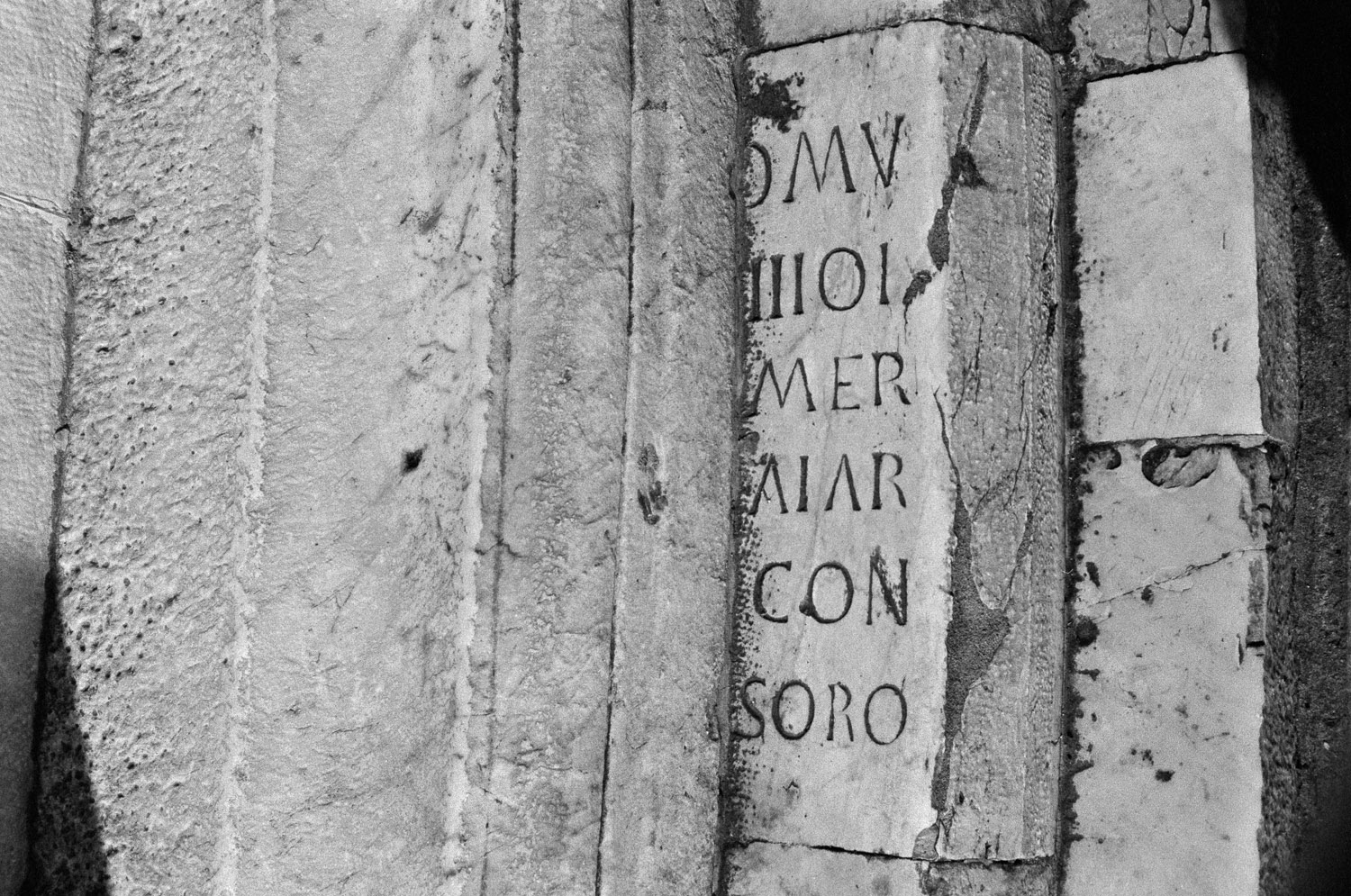
I first developed the concept of Symbolik having walked the ancients streets in Rome 2008. In an alley close to the Pantheon, I came across chiselled into a stone wall were symbols and words in Latin. Possibly made hundreds of years before by an ancient graffiti artist. The idea remained in my head as I pondered who and why, and what were the meaning of the words. To Romans who live there today, these etches are a common encounter in a city steeped in history known as a living museum, the Eternal City. To a casual visitor like myself, it was tremendously significant and even poignant that symbols spanning centuries could still be read and interpreted to give meaning and direction, perhaps dulled by the passage of time, but still significant, and as a philosophical question which is deeply personal.
Over the years, I realised that every person is drawn and react to symbols differently even if their meanings are clearly unambiguous. I pondered why this is so. Could it be that their meanings and understandings lack precision or could it actually be the interpretation of them that is flawed. I concluded that cultural upbringing and self-determination might explain this, communal reactions and societal conformations are other possibilities.
Every viewer will react differently and in varying degrees to my images. They do not provide answers or explanations, nor invoke or provoke responses. However I hope and expect some viewers may react emotively, perhaps once the motifs are embedded into their mind’s eye, perhaps at a later stage, if not immediately, and a realisation is made. Perhaps a repressed thought, a lost feeling, a suppressed memory may rise to the fore. The actual meanings don’t really matter in Symbolik. Unlike reading a book from chapter to chapter to discover a narrative, my images do not ‘unfold’ or reveal one, unless you are attuned to see the world as I do – a haphazardly organised chaotic mess – visually stimulating, if you want it to be. A solipsistic existence. Enjoy!
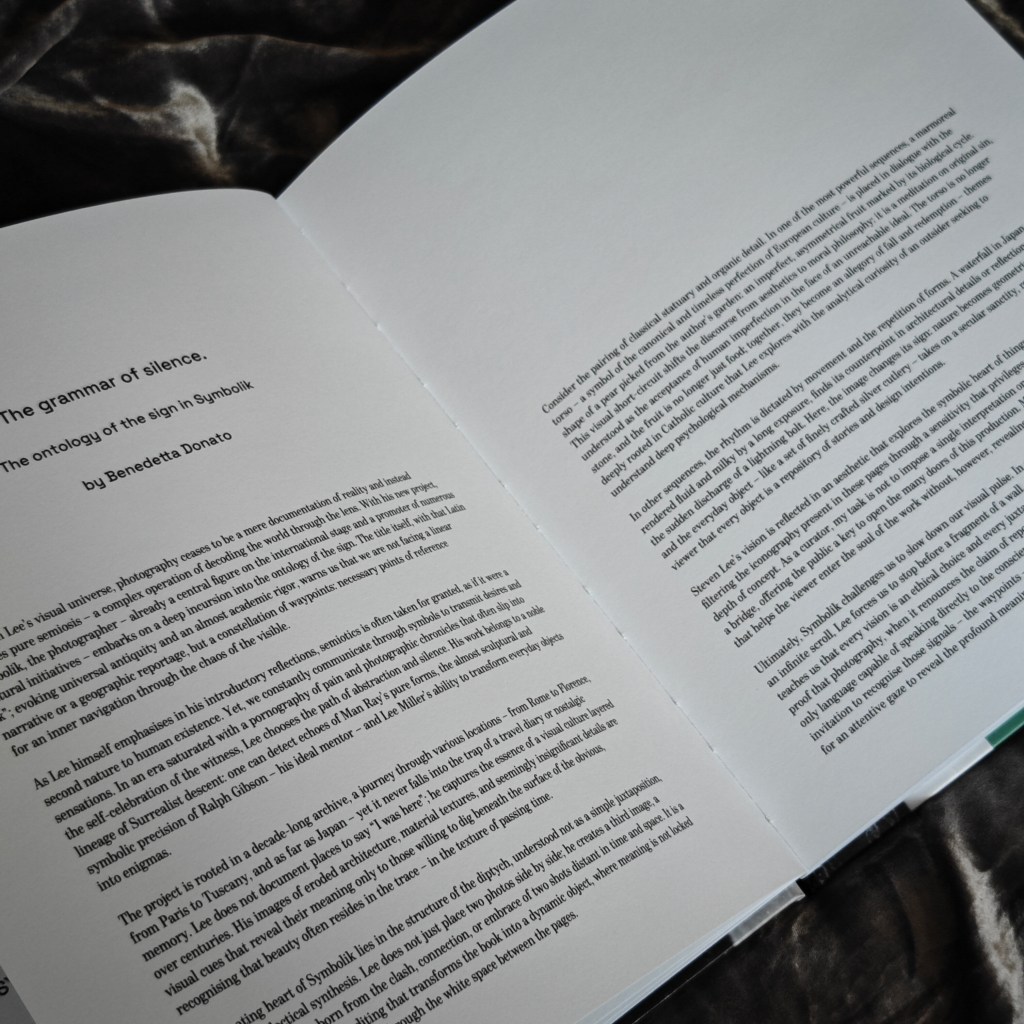
Here’s an excerpt from the Introduction text by Benedetta Donato :
“In Steven Lee’s visual universe, photography ceases to be a mere documentation of reality and instead becomes pure semiosis – a complex operation of decoding the world through the lens. With his new project, Symbolik, the photographer – already a central figure on the international stage and a promoter of numerous cultural initiatives – embarks on a deep incursion into the ontology of the sign. The title itself, with that Latin “k”; evoking universal antiquity and an almost academic rigor, warns us that we are not facing a linear narrative or a geographic reportage, but a constellation of waypoints: necessary points of reference for an inner navigation through the chaos of the visible.”
“As Lee himself emphasises in his introductory reflections, semiotics is often taken for granted, as if it were a second nature to human existence. Yet, we constantly communicate through symbols to transmit desires and sensations. In an era saturated with a pornography of pain and photographic chronicles that often slip into the self-celebration of the witness, Lee chooses the path of abstraction and silence. His work belongs to a noble lineage of Surrealist descent: one can detect echoes of Man Ray’s pure forms, the almost sculptural and symbolic precision of Ralph Gibson – his ideal mentor – and Lee Miller’s ability to transform everyday objects into enigmas.”
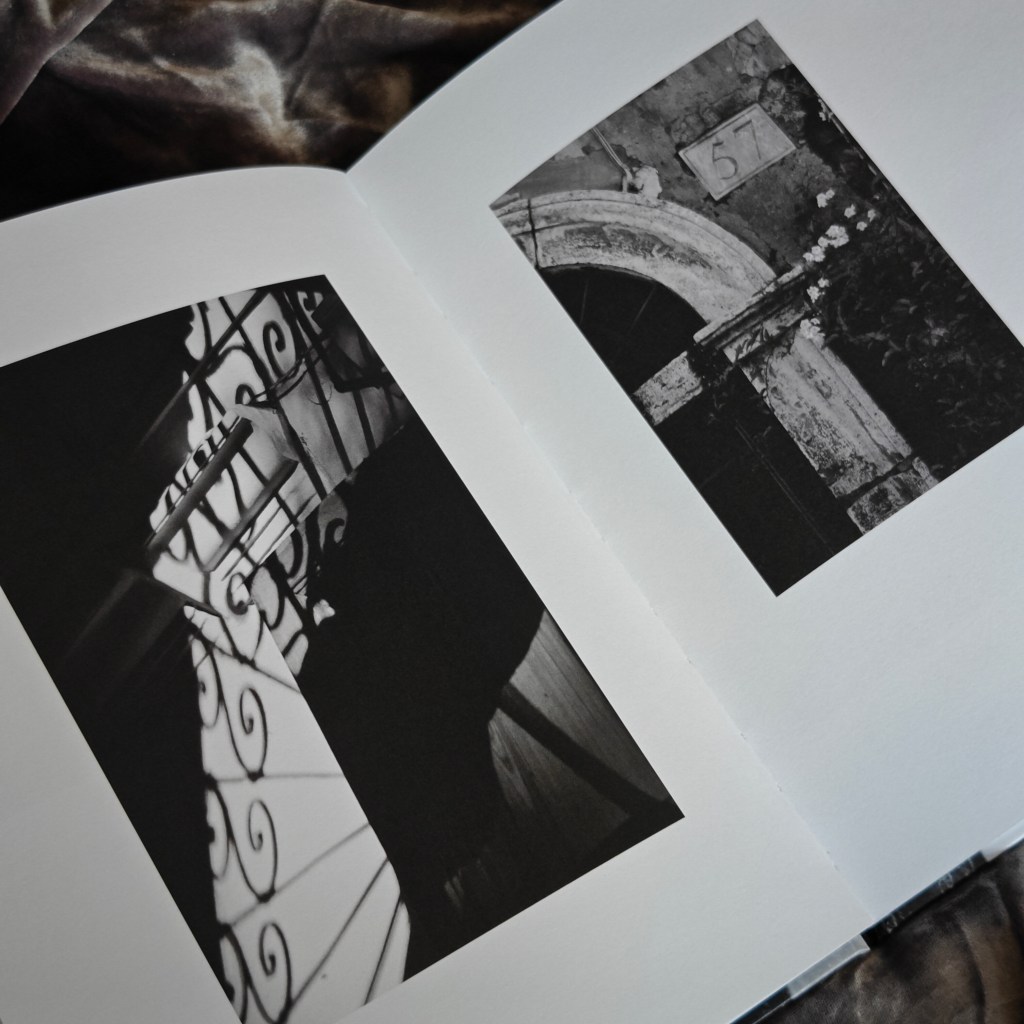
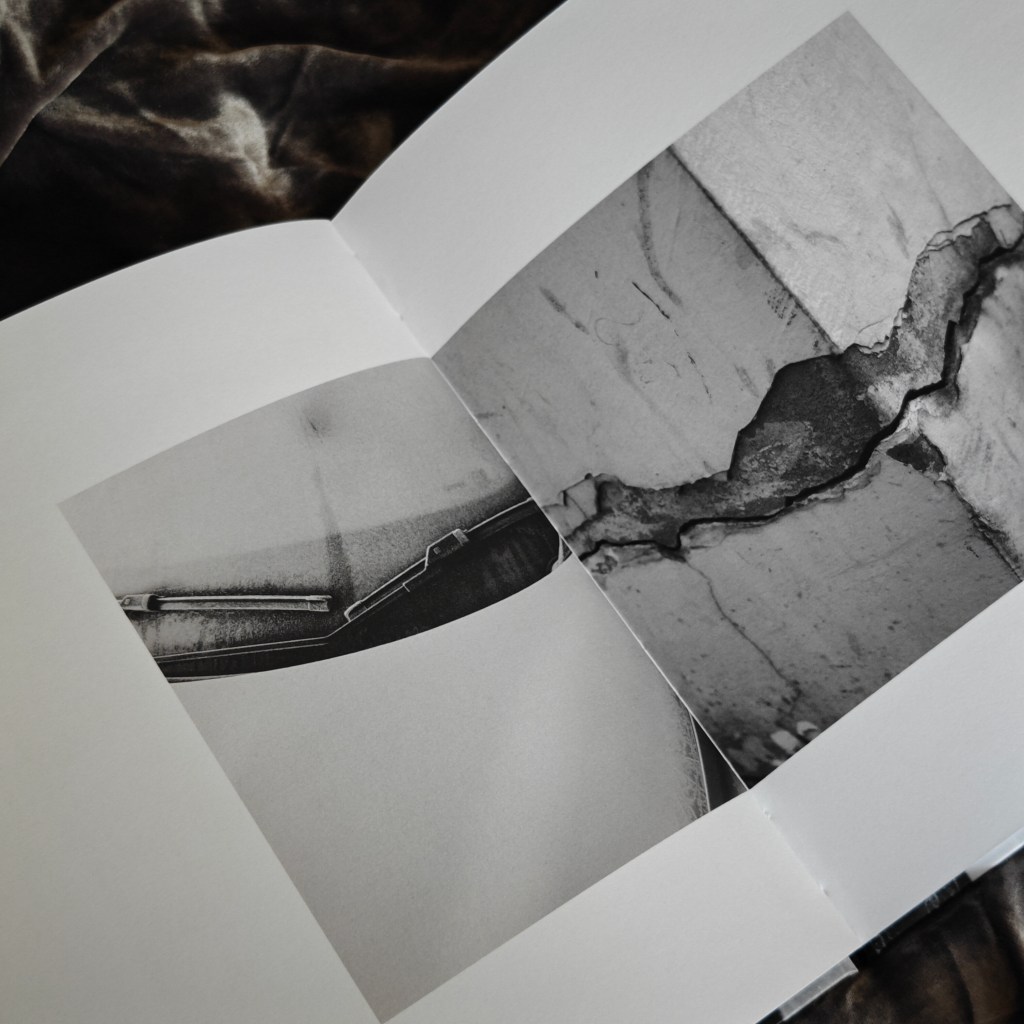
“The project is rooted in a decade-long archive, a journey through various locations – from Rome to Florence, from Paris to Tuscany, and as far as Japan – yet it never falls into the trap of a travel diary or nostalgic memory. Lee does not document places to say “I was here”; he captures the essence of a visual culture layered over centuries. His images of eroded architecture, material textures, and seemingly insignificant details are visual cues that reveal their meaning only to those willing to dig beneath the surface of the obvious, recognising that beauty often resides in the trace – in the texture of passing time.”
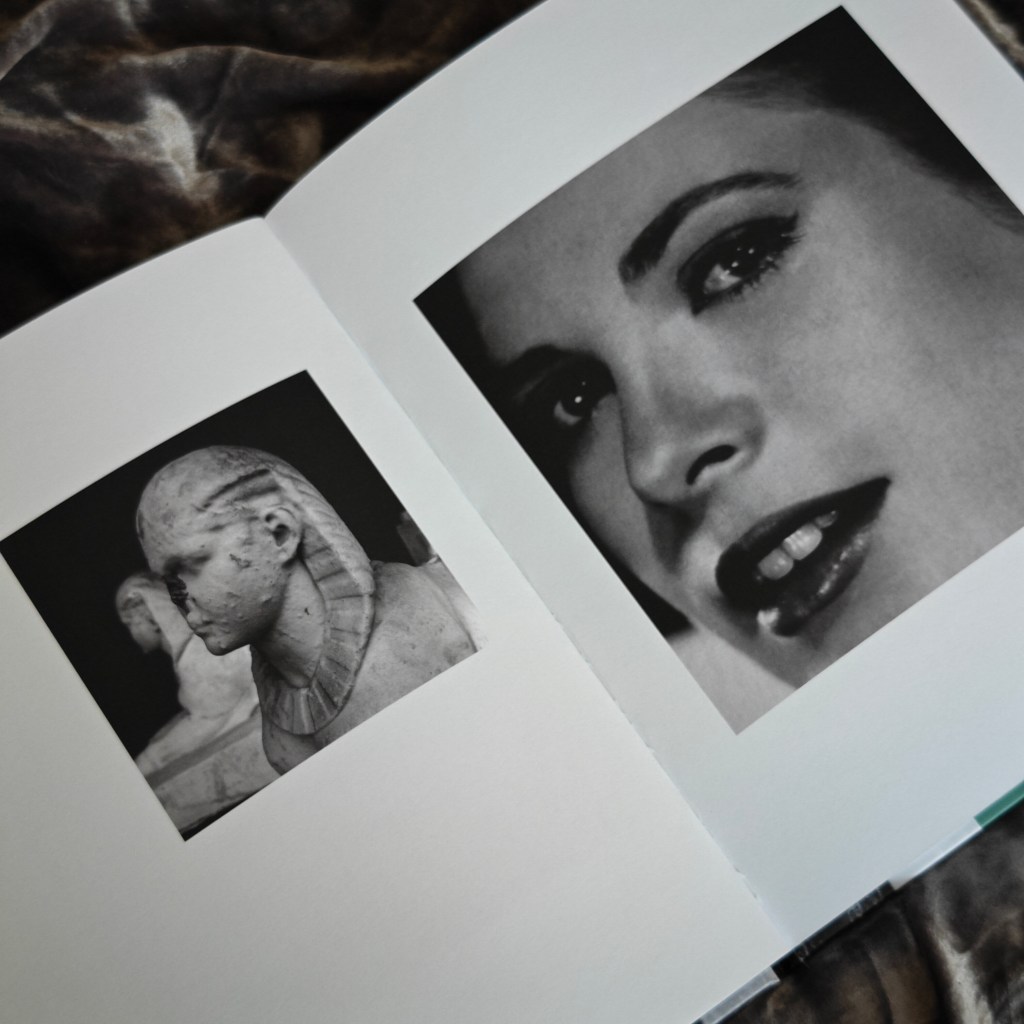
“The beating heart of Symbolik lies in the structure of the diptych, understood not as a simple juxtaposition, but as a dialectical synthesis. Lee does not just place two photos side by side; he creates a third image, a synthetic identity born from the clash, connection, or embrace of two shots distant in time and space. It is a practice of conceptual editing that transforms the book into a dynamic object, where meaning is not locked within the frame but flows through the white space between the pages.”
“Ultimately, Symbolik challenges us to slow down our visual pulse. In a world that consumes images at the speed of an infinite scroll, Lee forces us to stop before a fragment of a wall, a reflection on glass, or a body of stone. He teaches us that every vision is an ethical choice and every juxtaposition is an act of semantic creation. This book is proof that photography, when it renounces the claim of reportage to embrace the path of the symbol, becomes the only language capable of speaking directly to the conscience, transcending every geographical barrier. It is an invitation to recognise those signals – the waypoints – that, while remaining before our eyes every day, wait only for an attentive gaze to reveal the profound meaning of our shared human journey.”