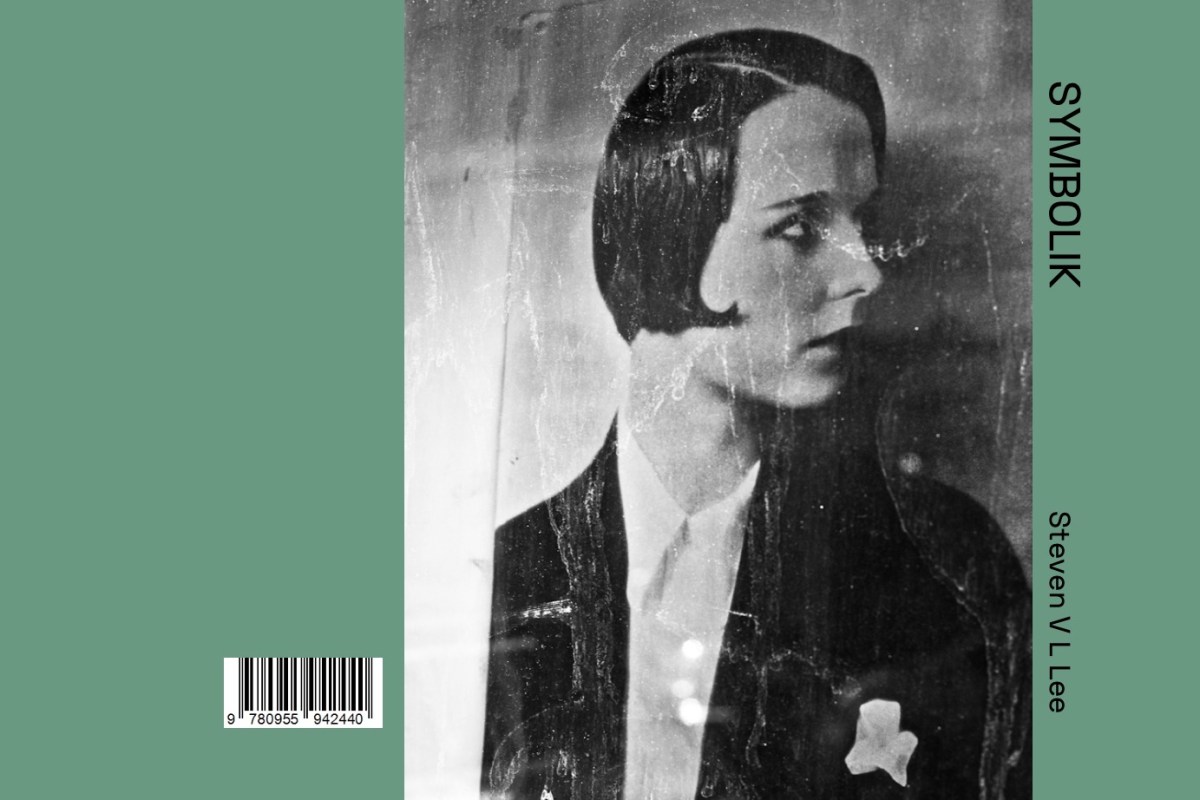
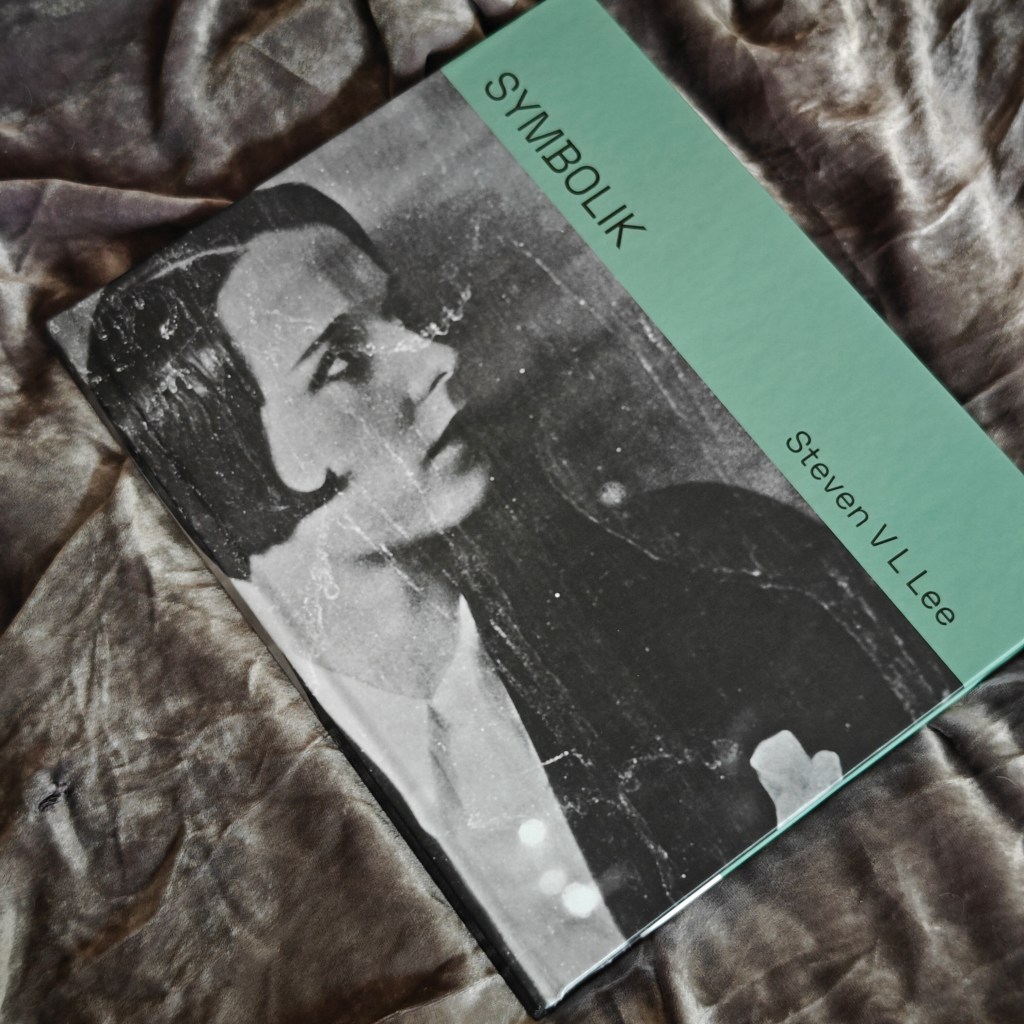
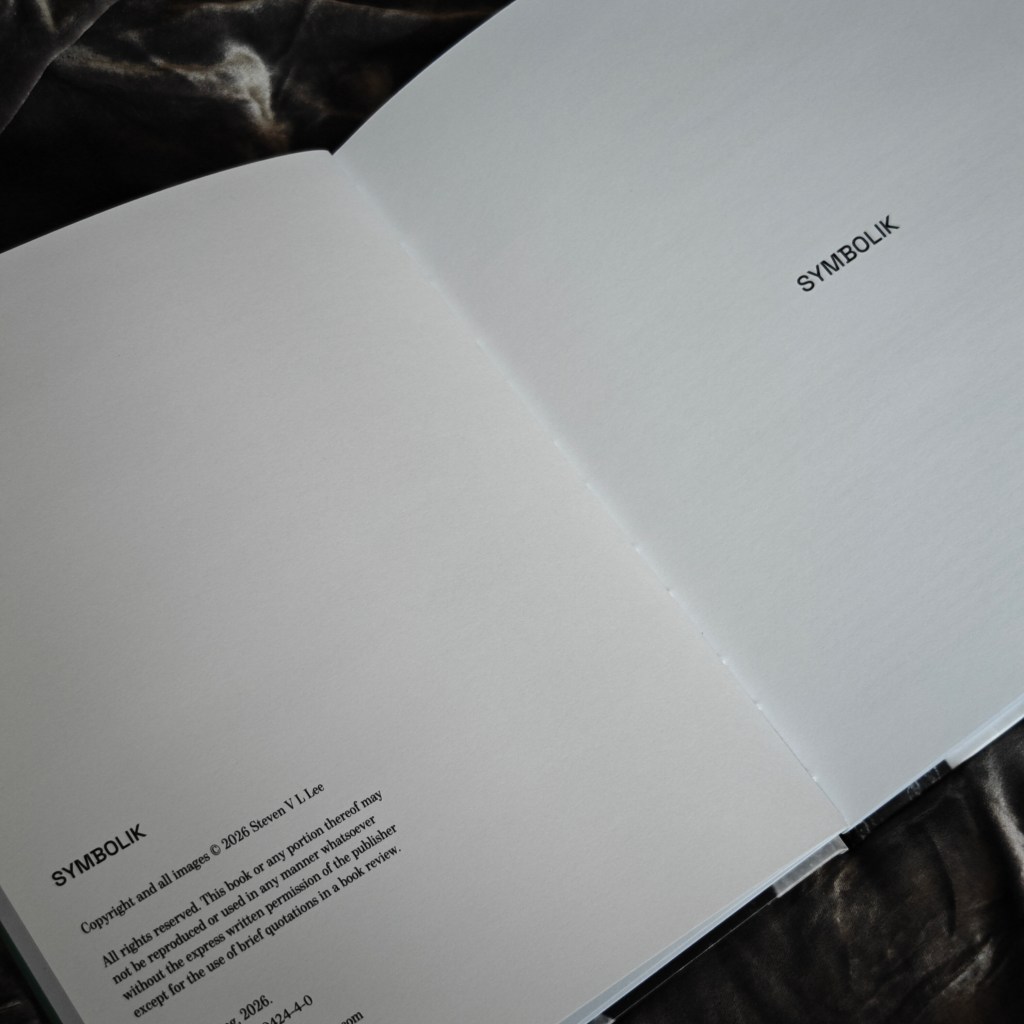
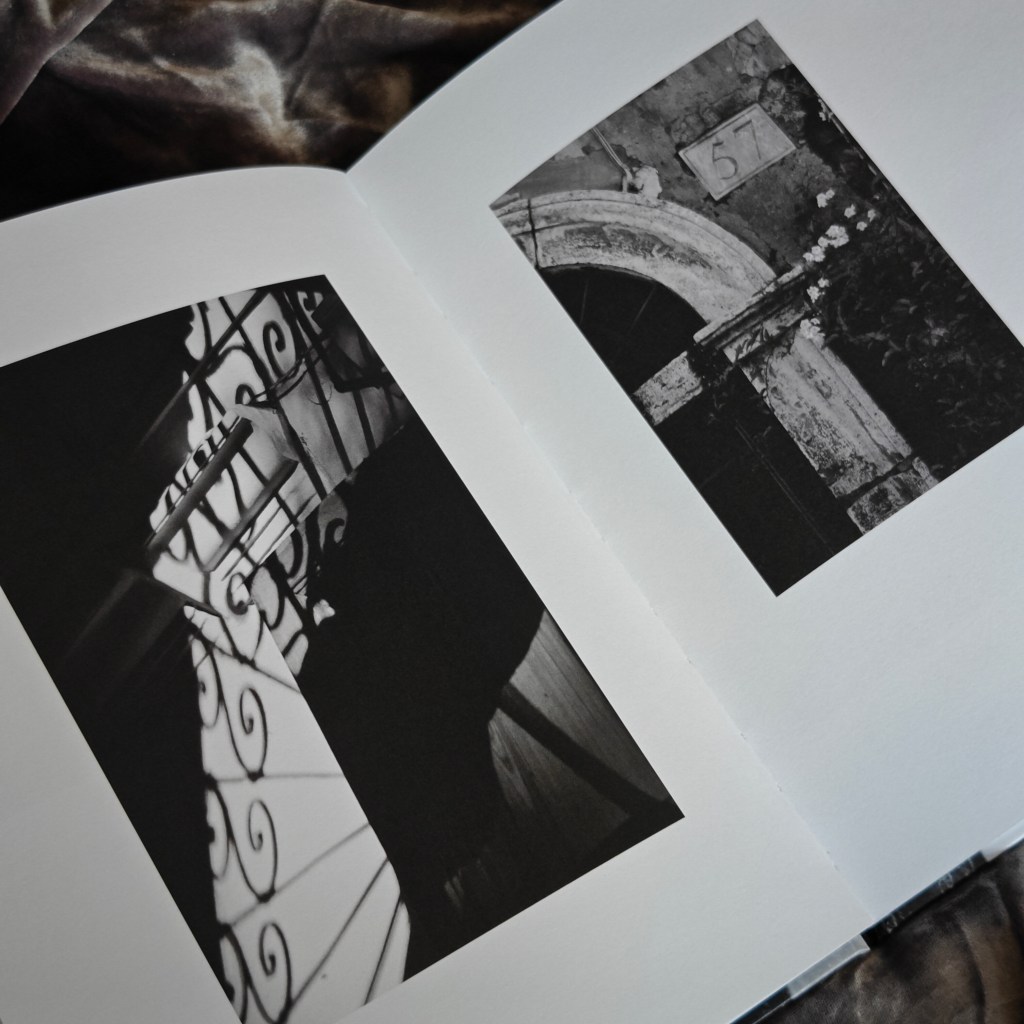
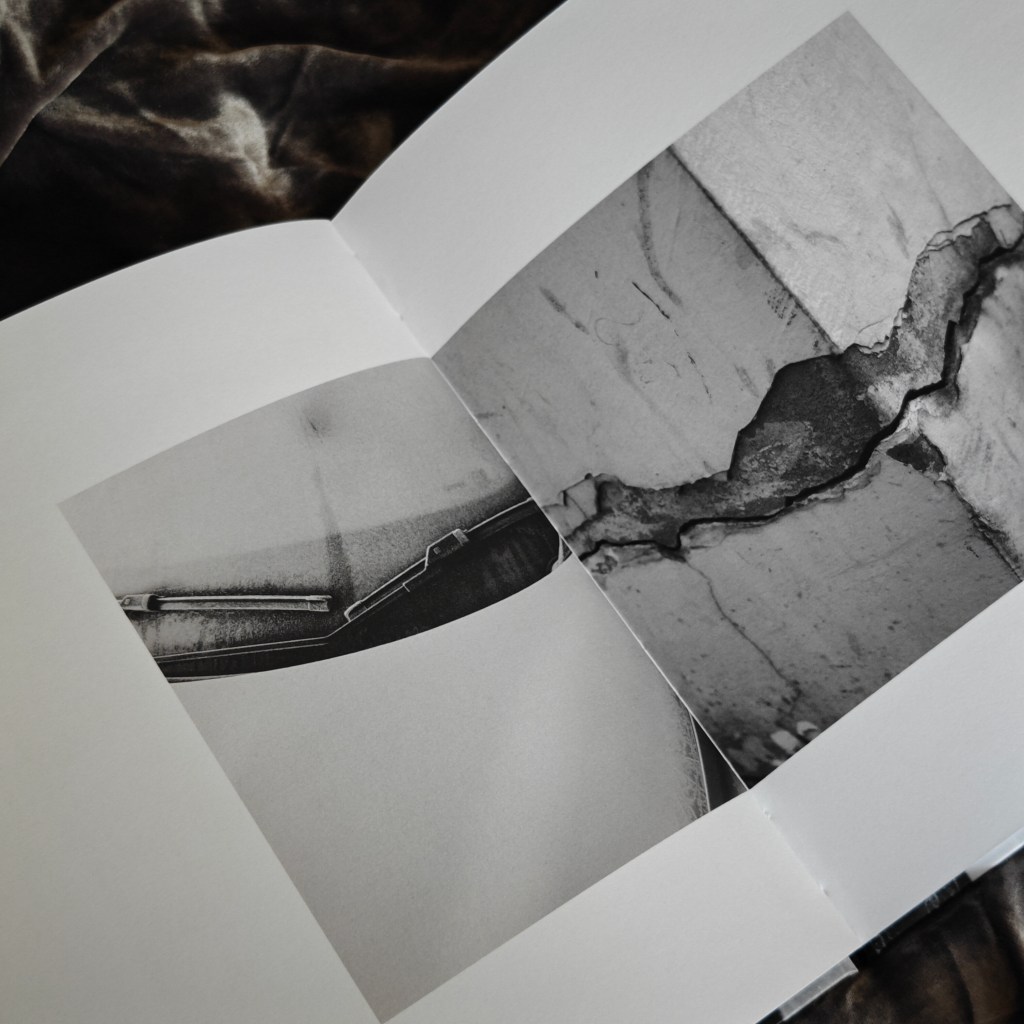
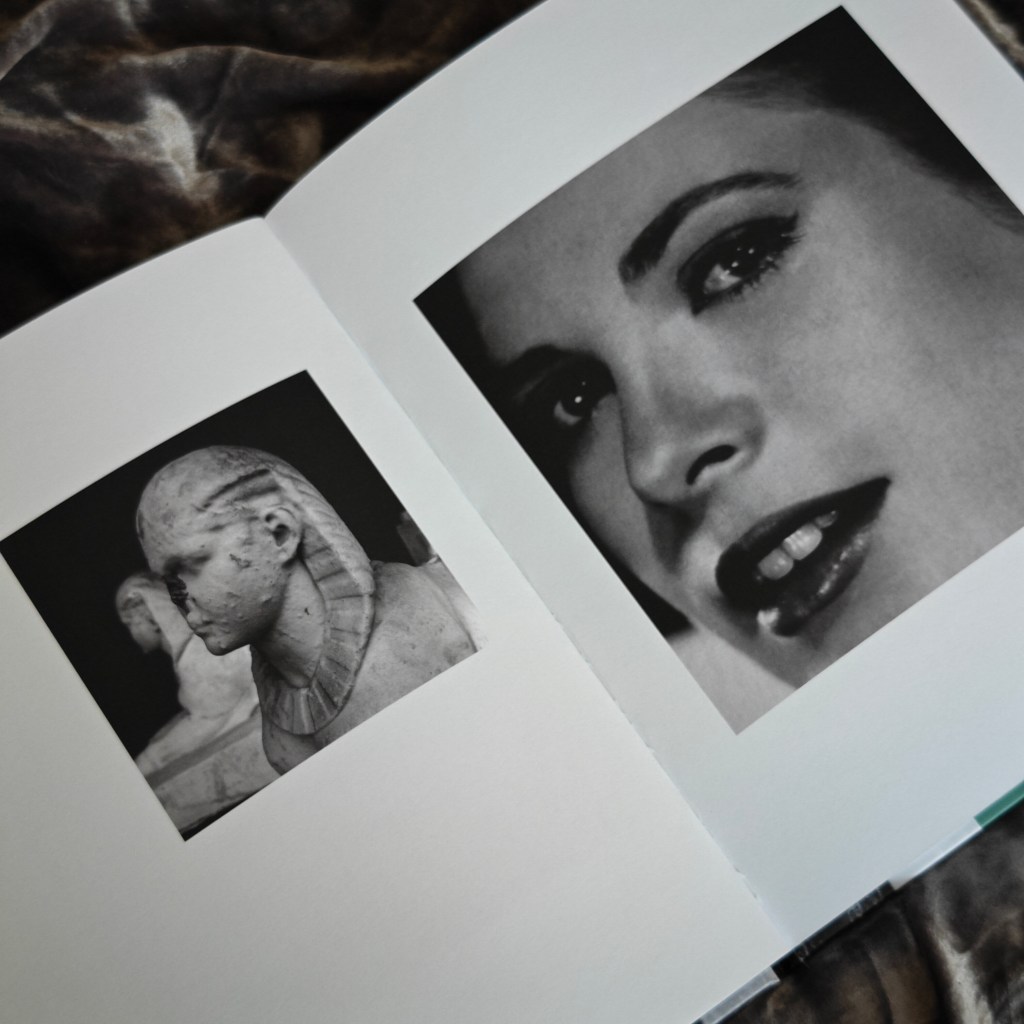
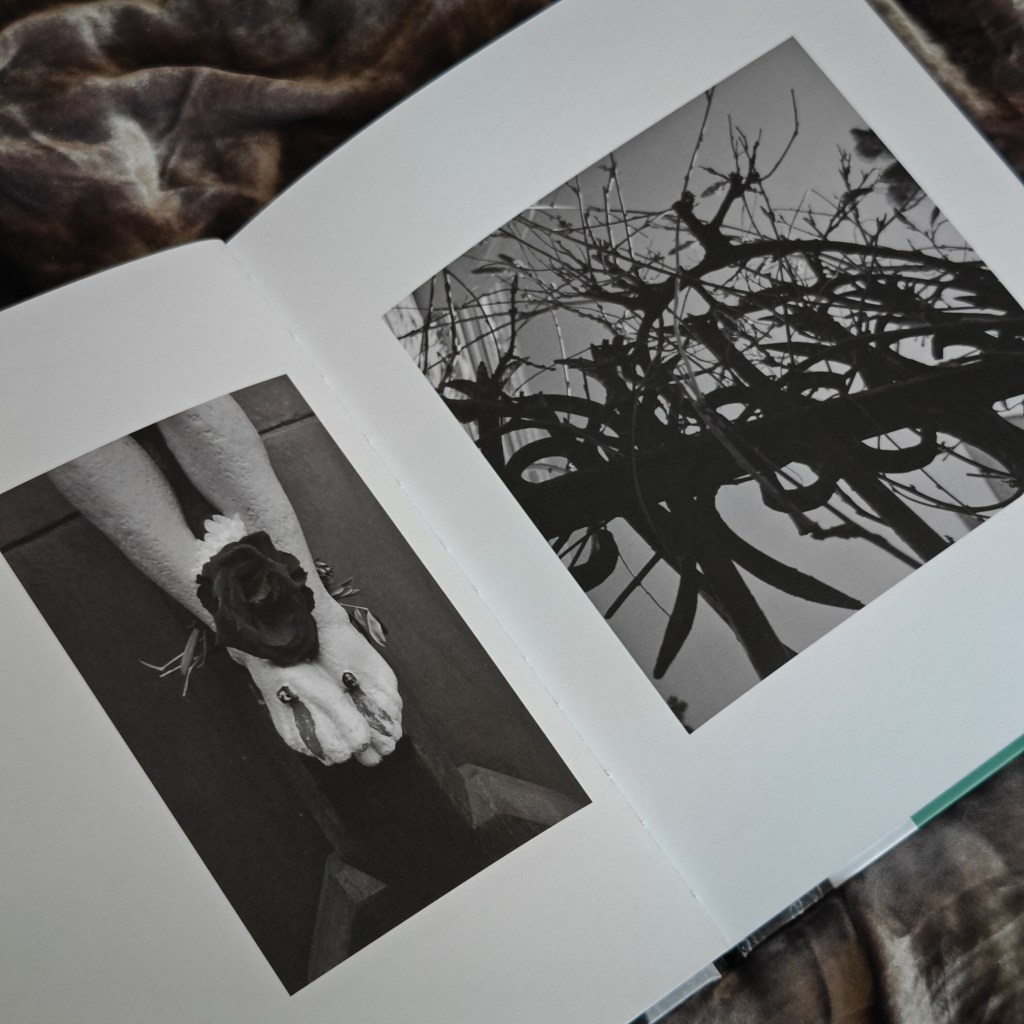
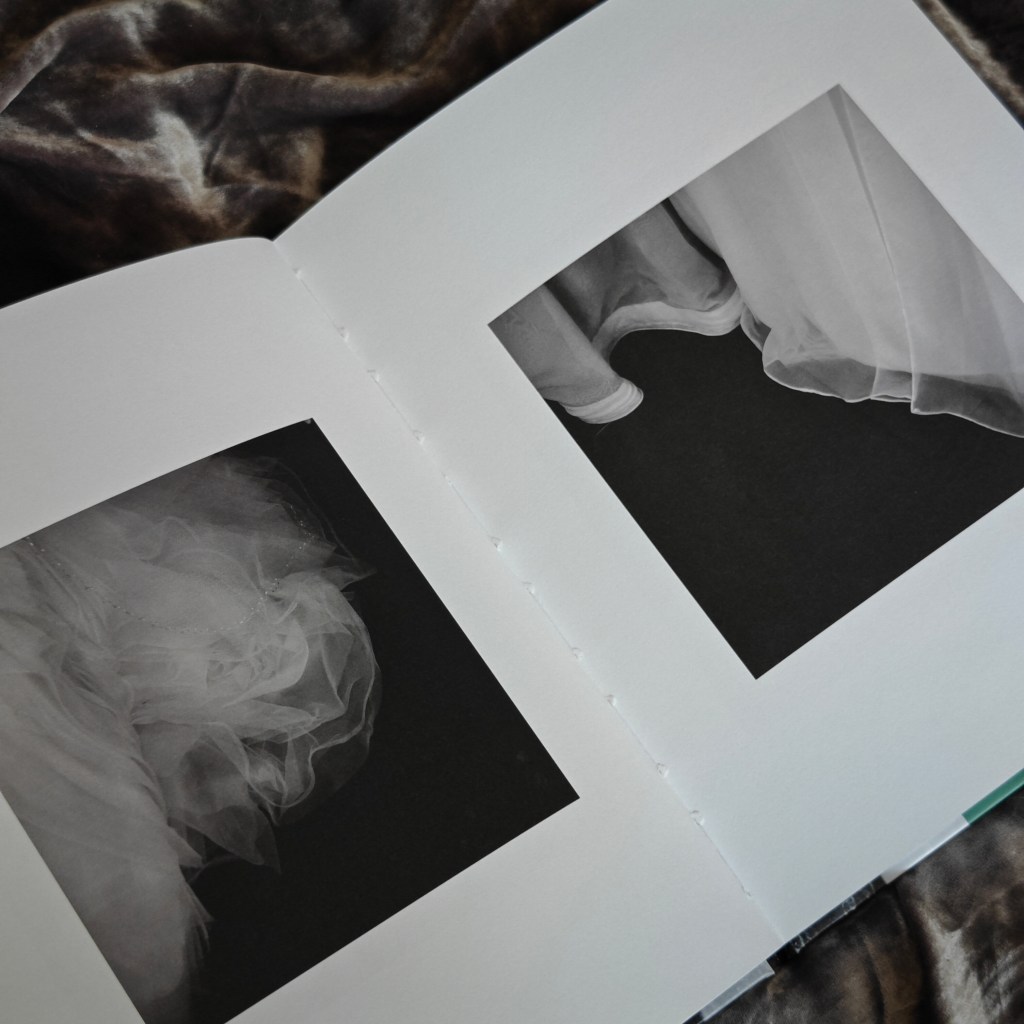
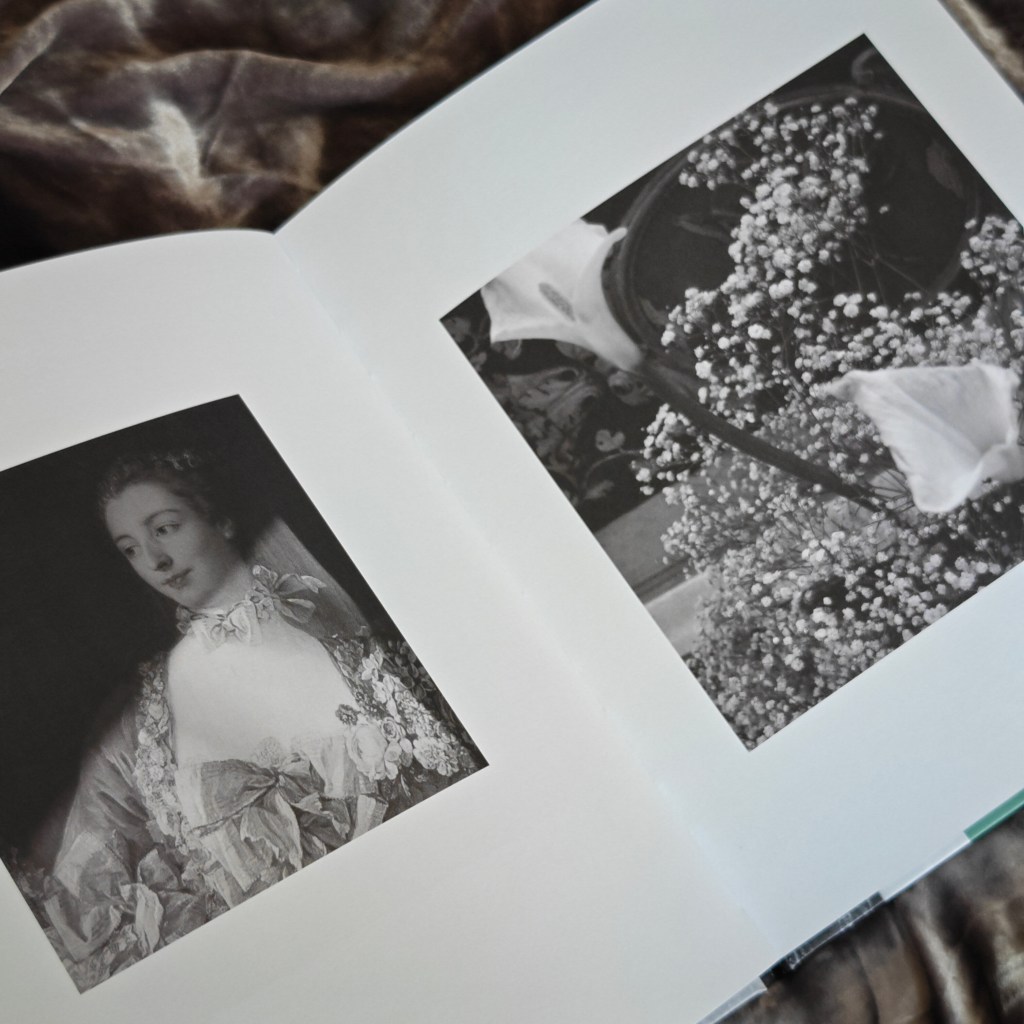
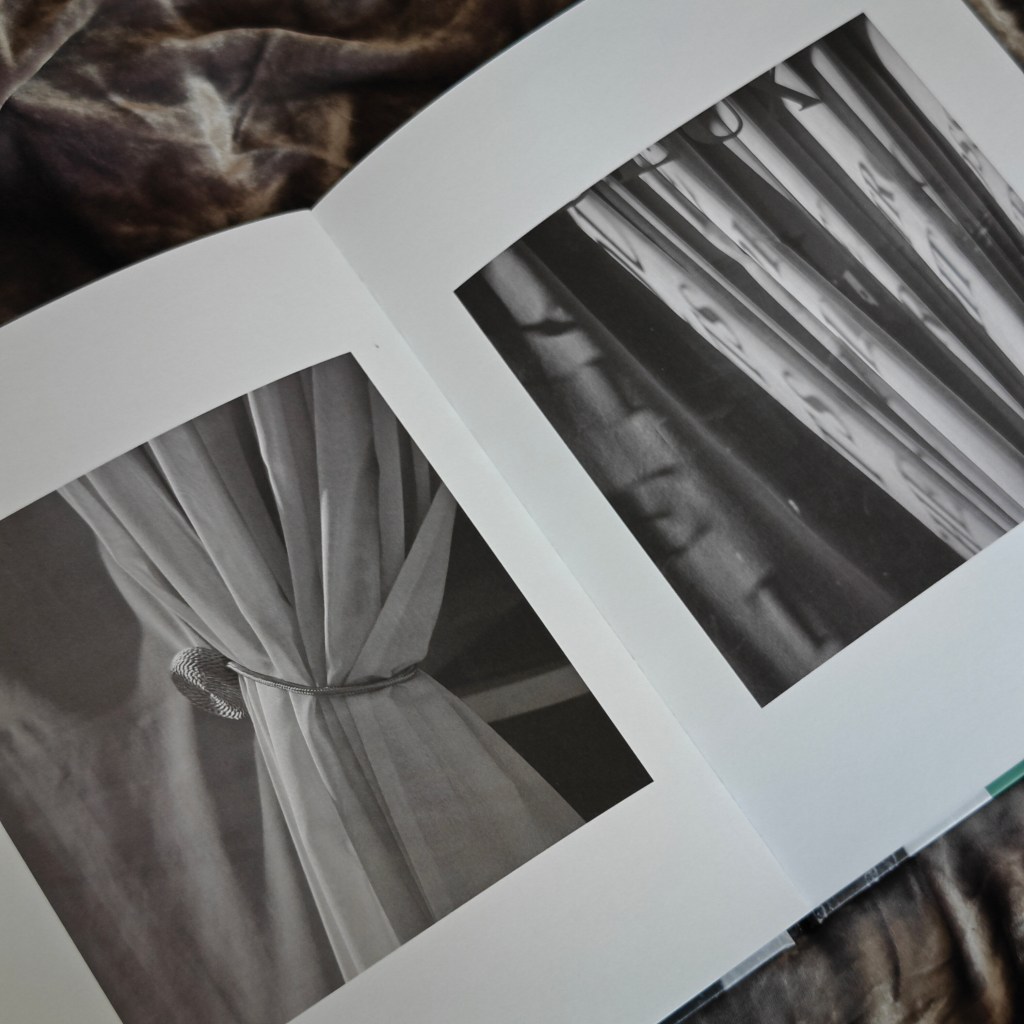
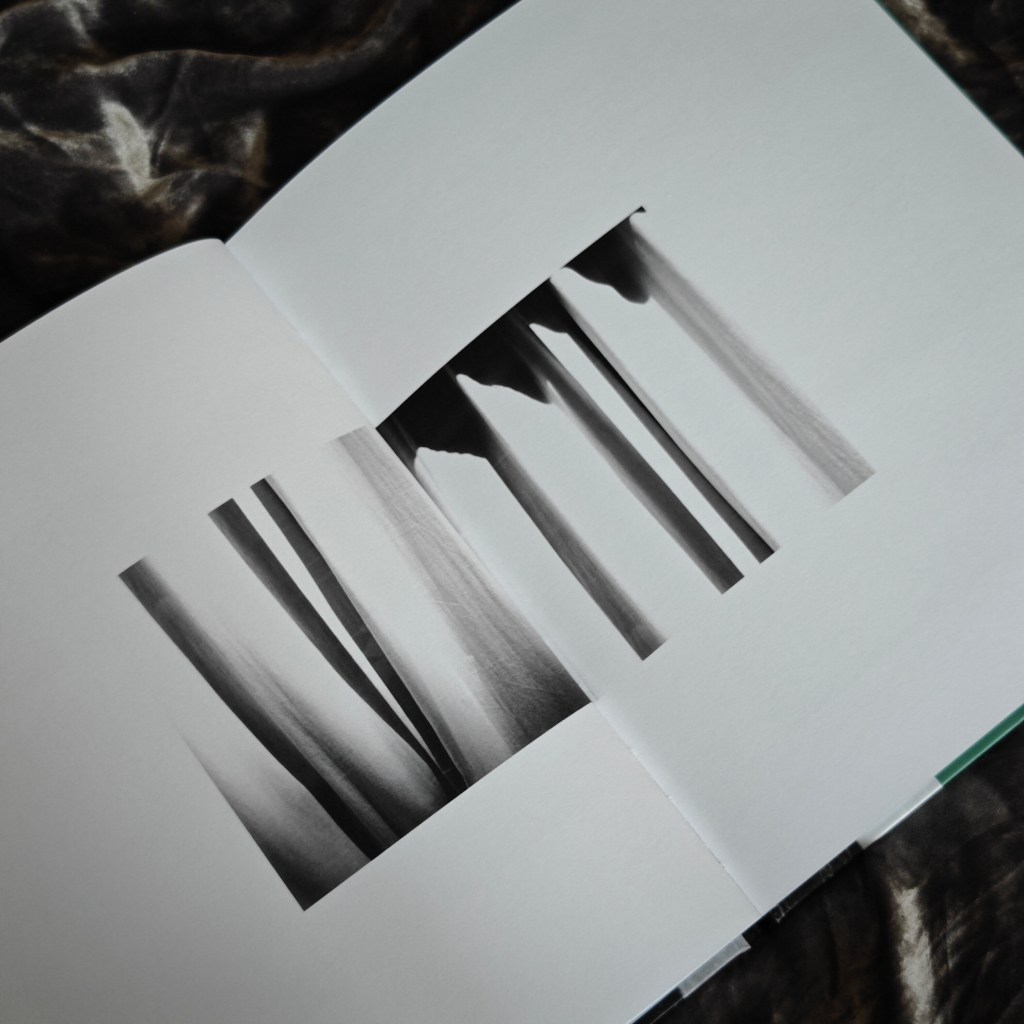
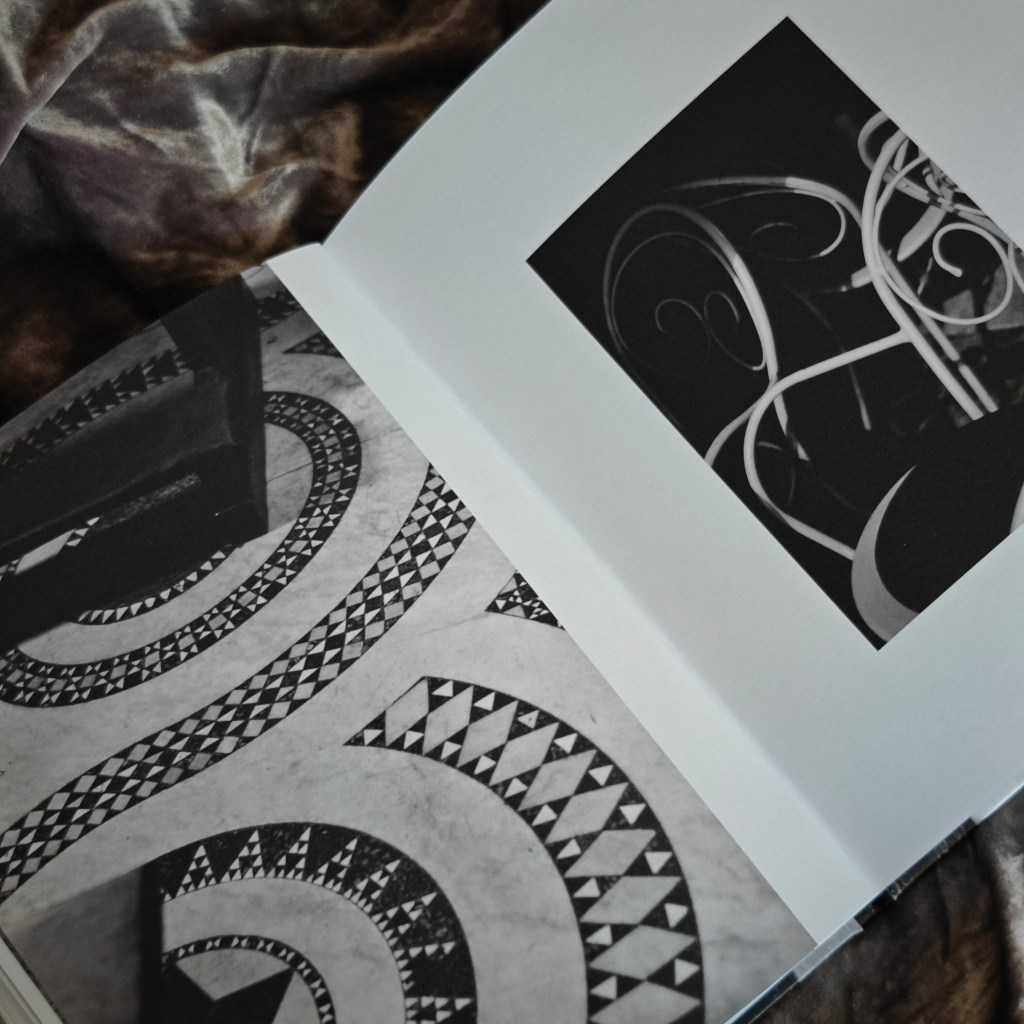
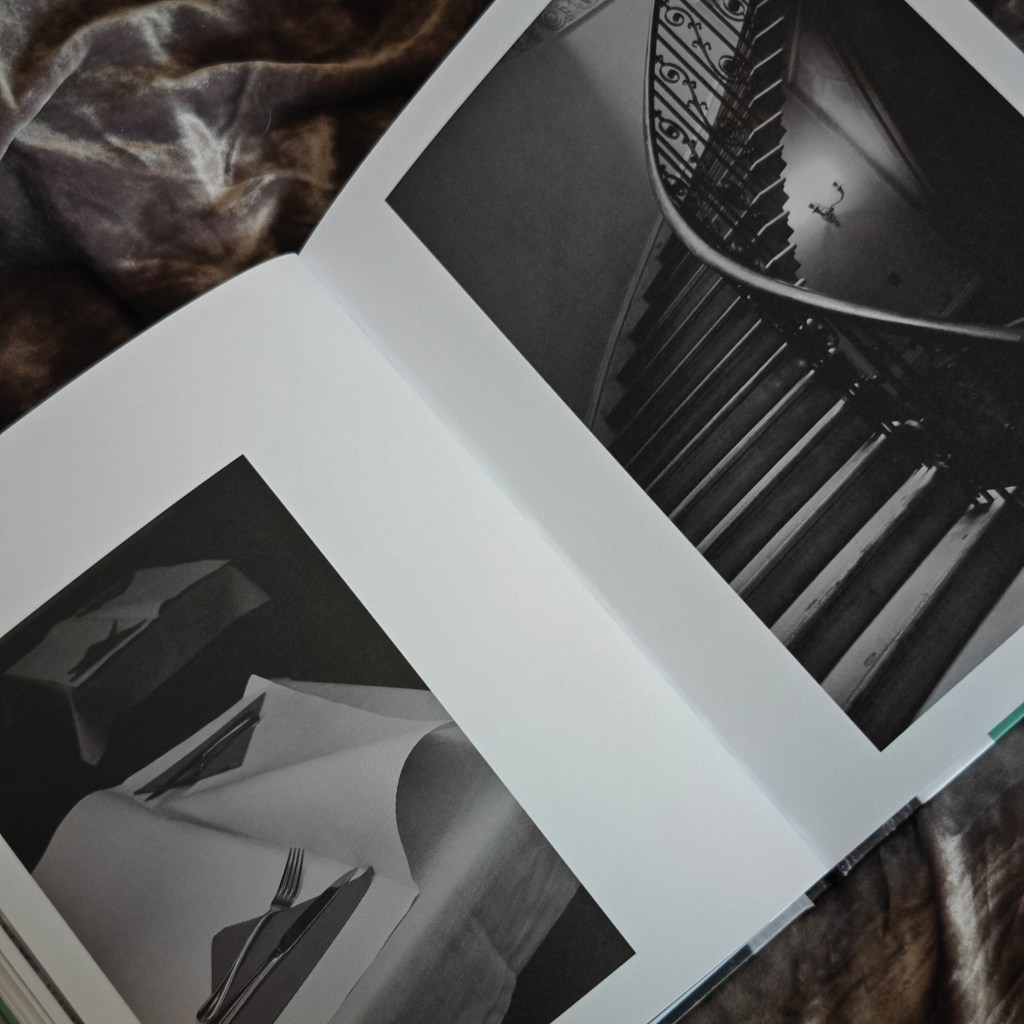
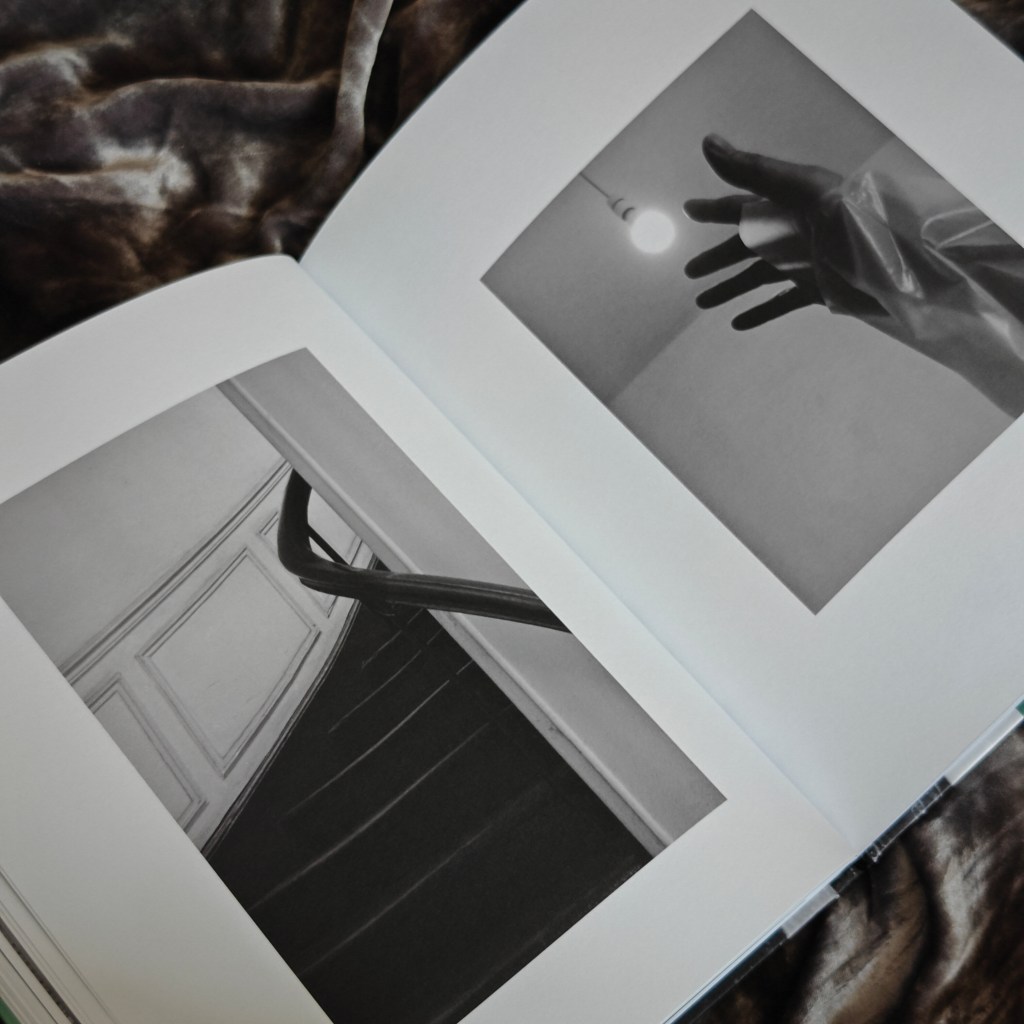
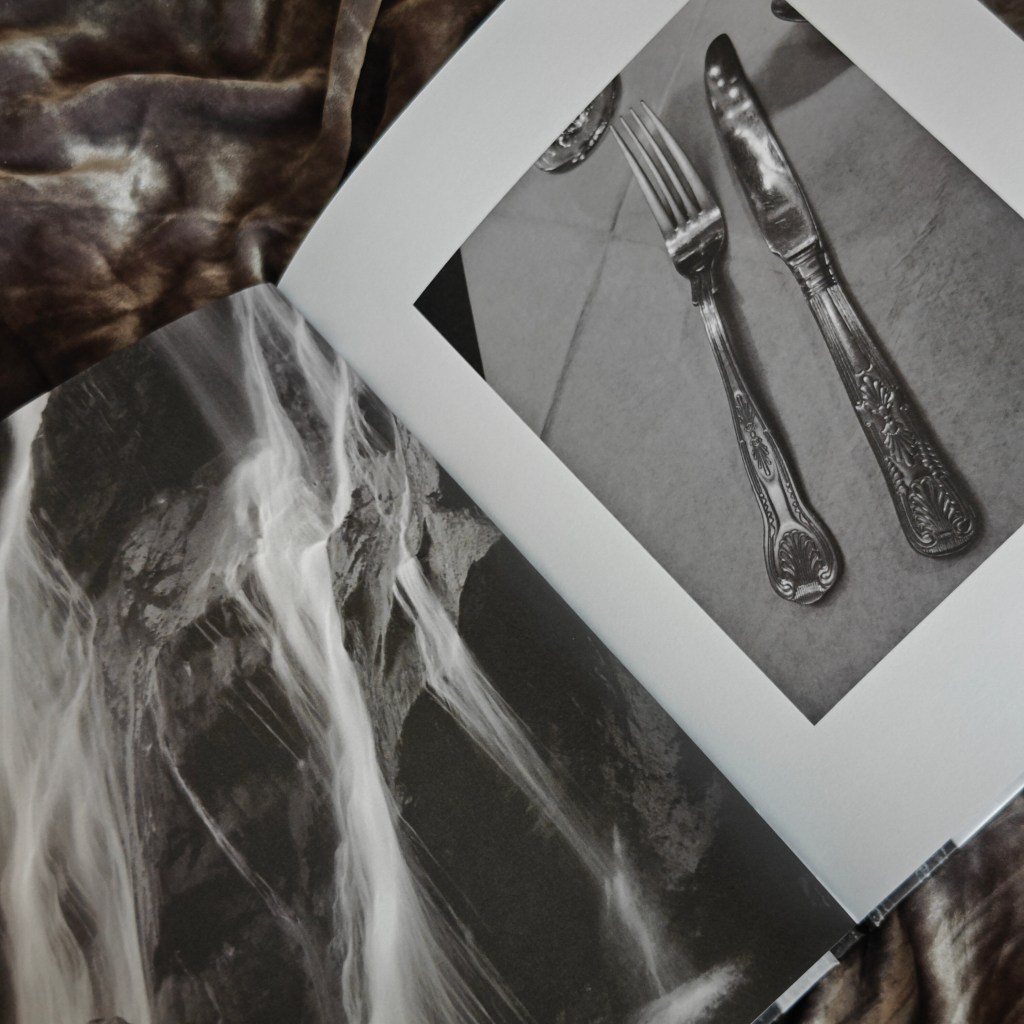
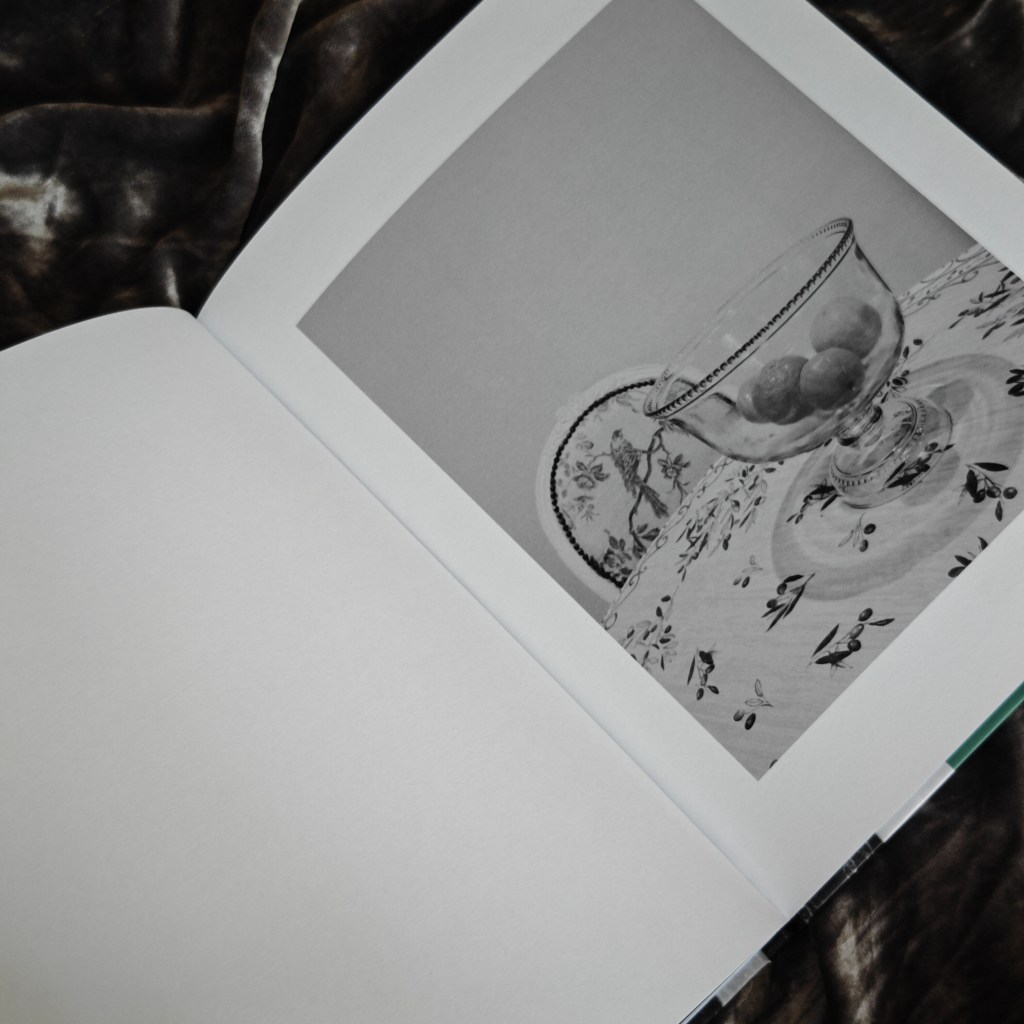
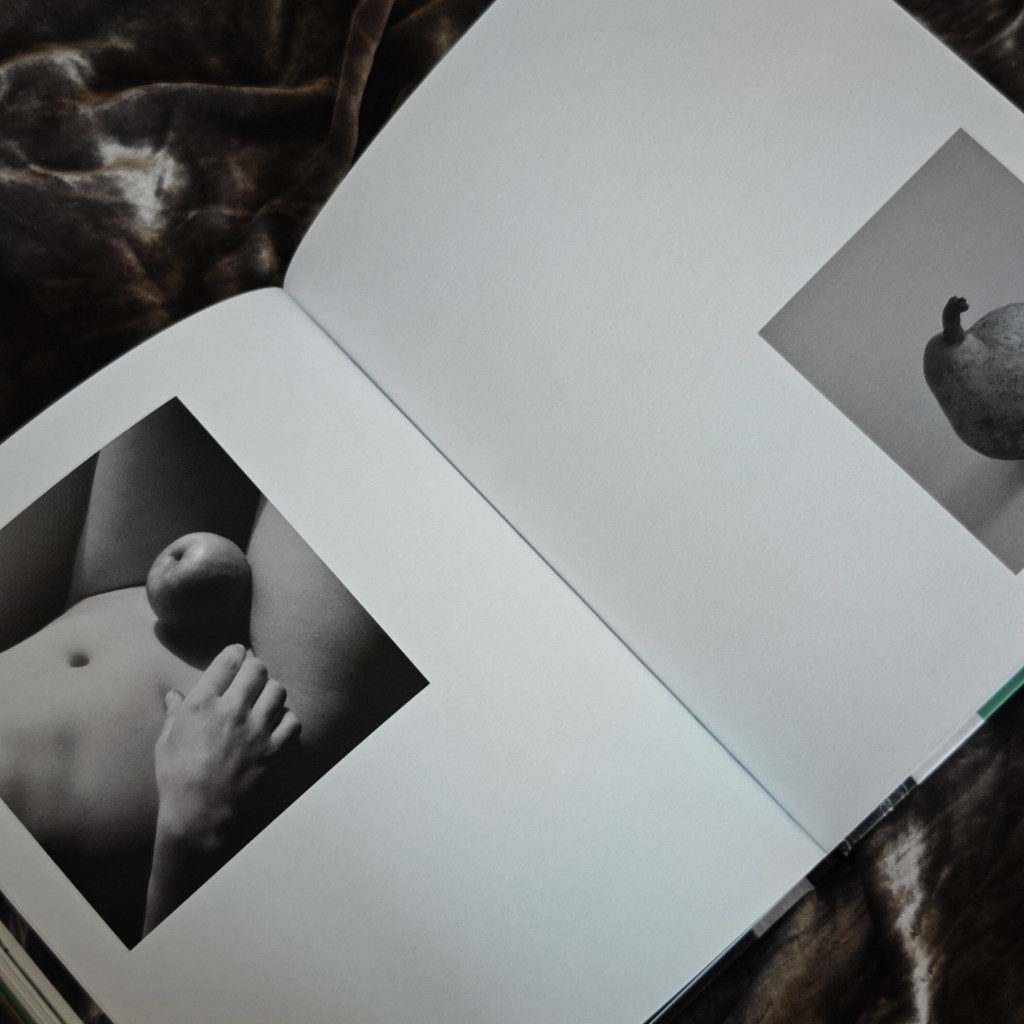
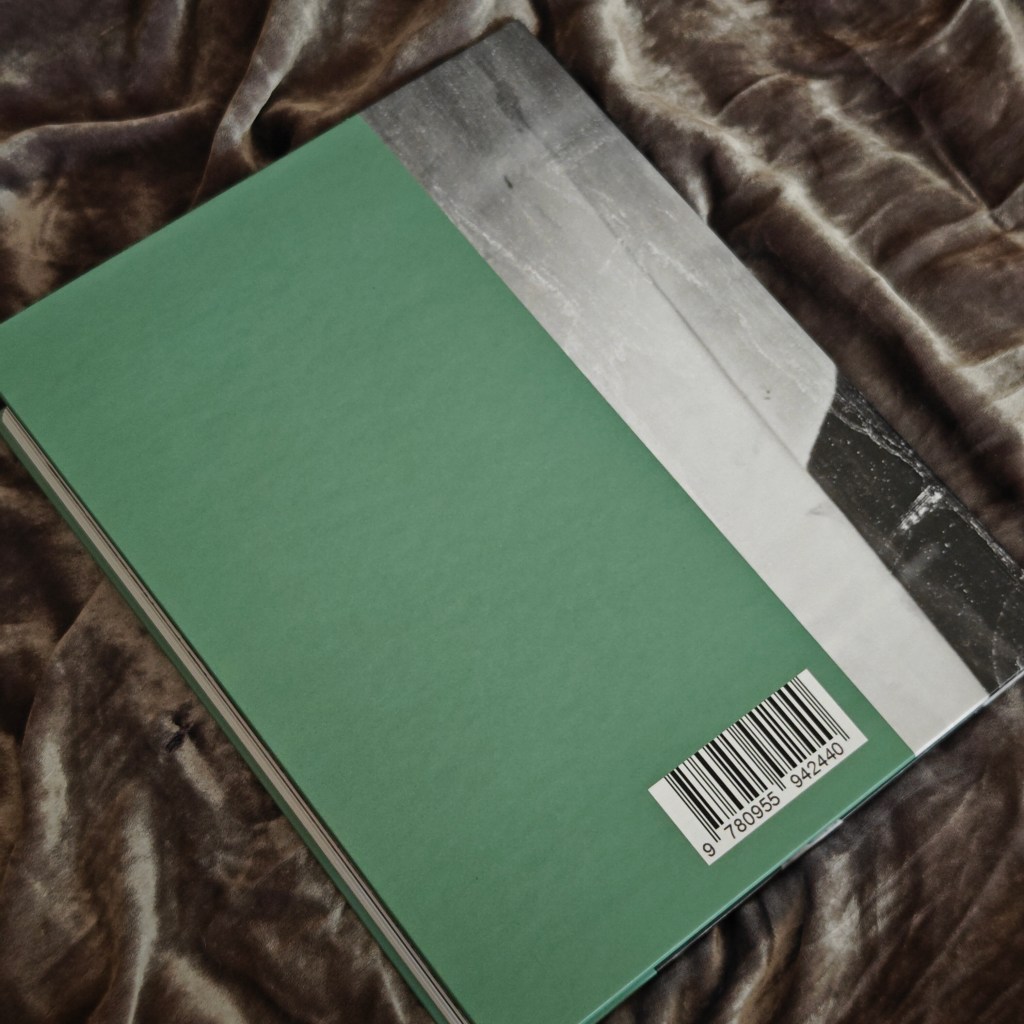
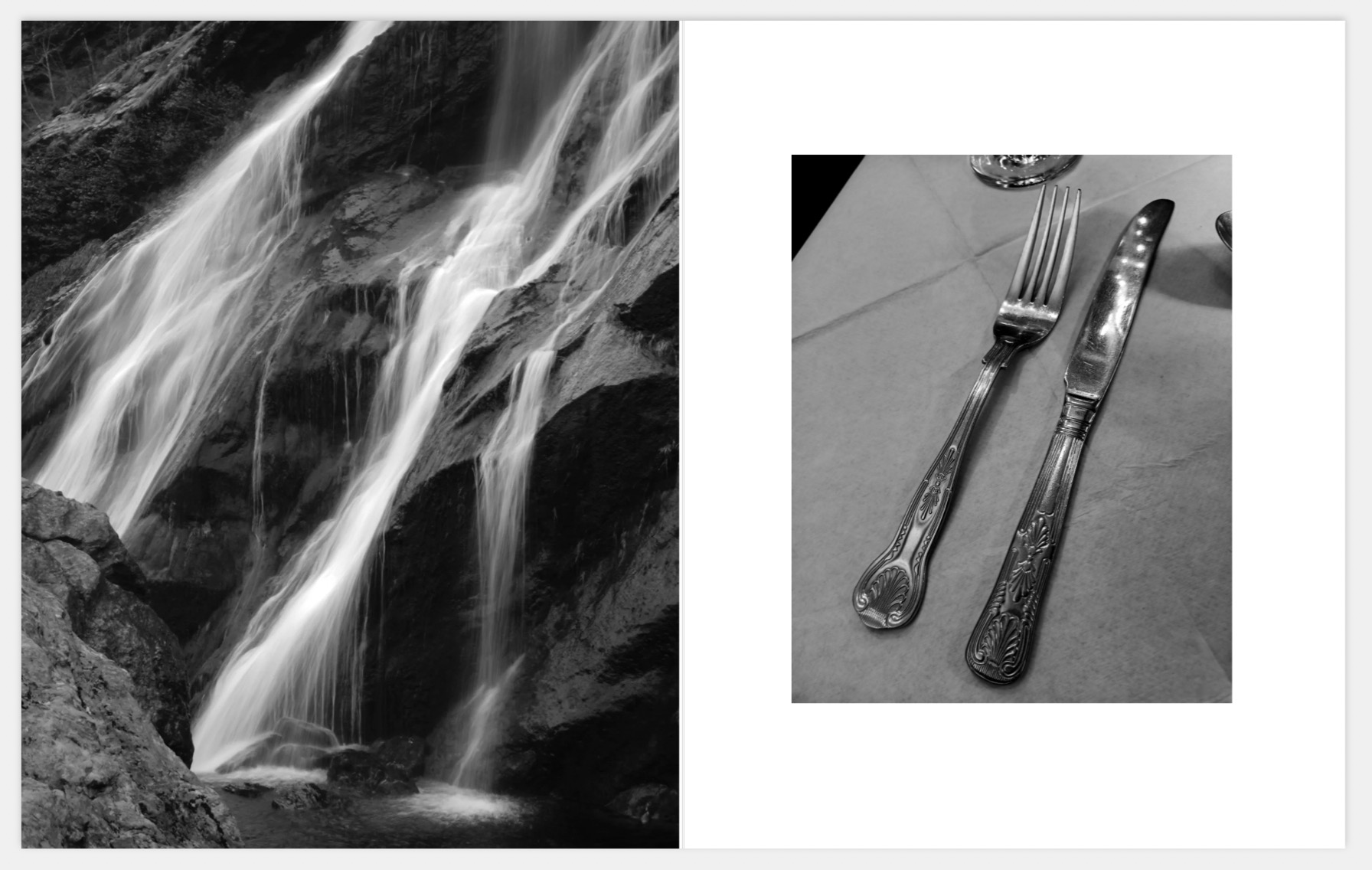
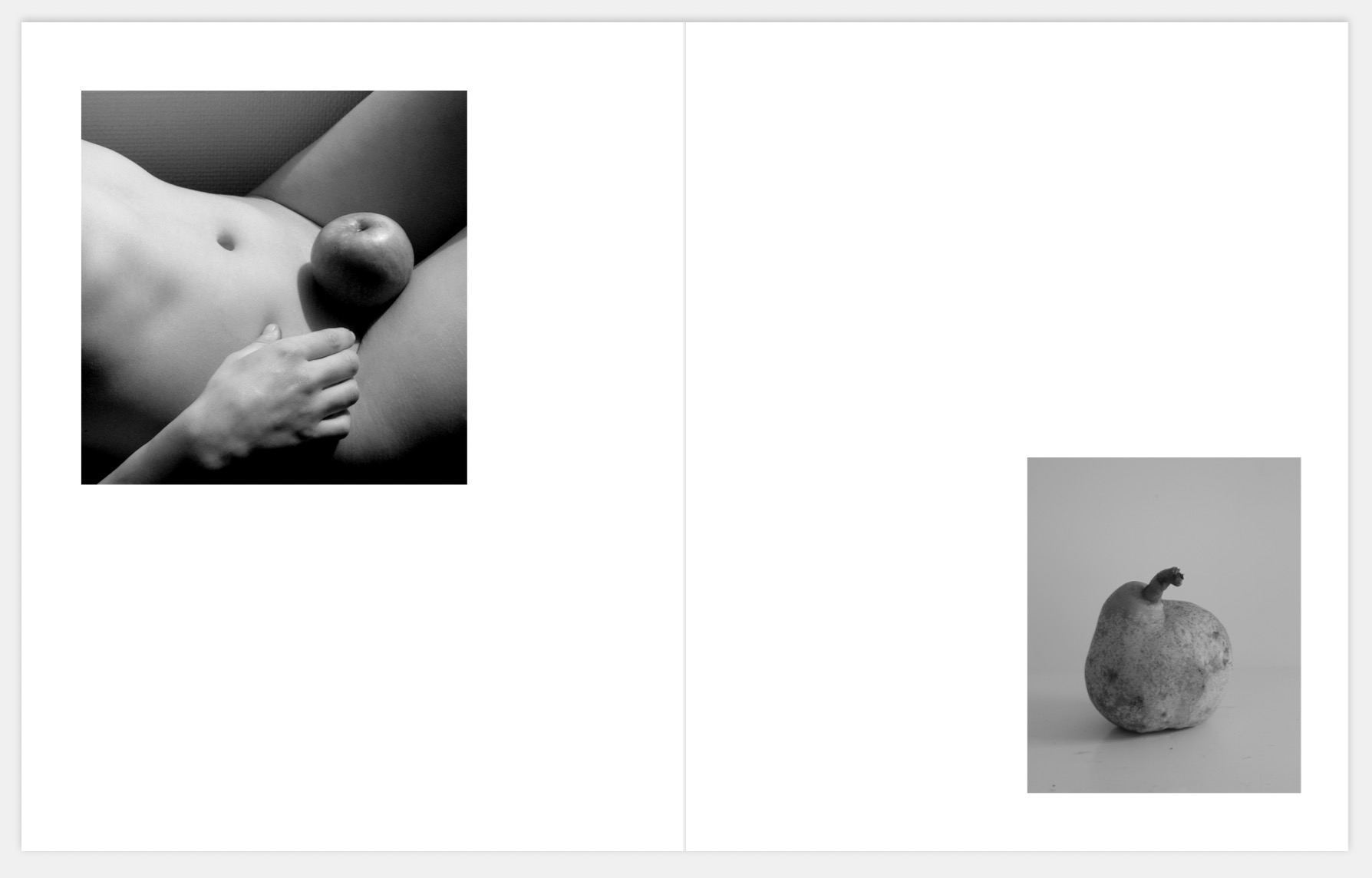
After 6 months working on this book project, putting together the images representing the concept I’d imagined in my head for many years before, the books have finally been delivered to me this morning. I’m over the moon to be able to hold a copy in my hands and turn those pages matt artpaper. Nothing feels that good than a freshly printed photobook, and one of your very own. This is a very personal project which has taken over 10 years in the making. The first print run is limited to 100 copies only and individually numbered.
Pre-orders are taken at Zontiga. Order your copy today and receive a 8×10 inch print from the book. Price : RM150.00
International orders : please contact me for postage and shipping costs.
Copies are available for purchase at Zontiga KL, GMBB, 2 Jalan Robertson, 50150 Kuala Lumpur, Malaysia from mid May. Each copy is numbered and signed, and the first 30 orders also receive a 8×10 inch print of my favourite images from the book.
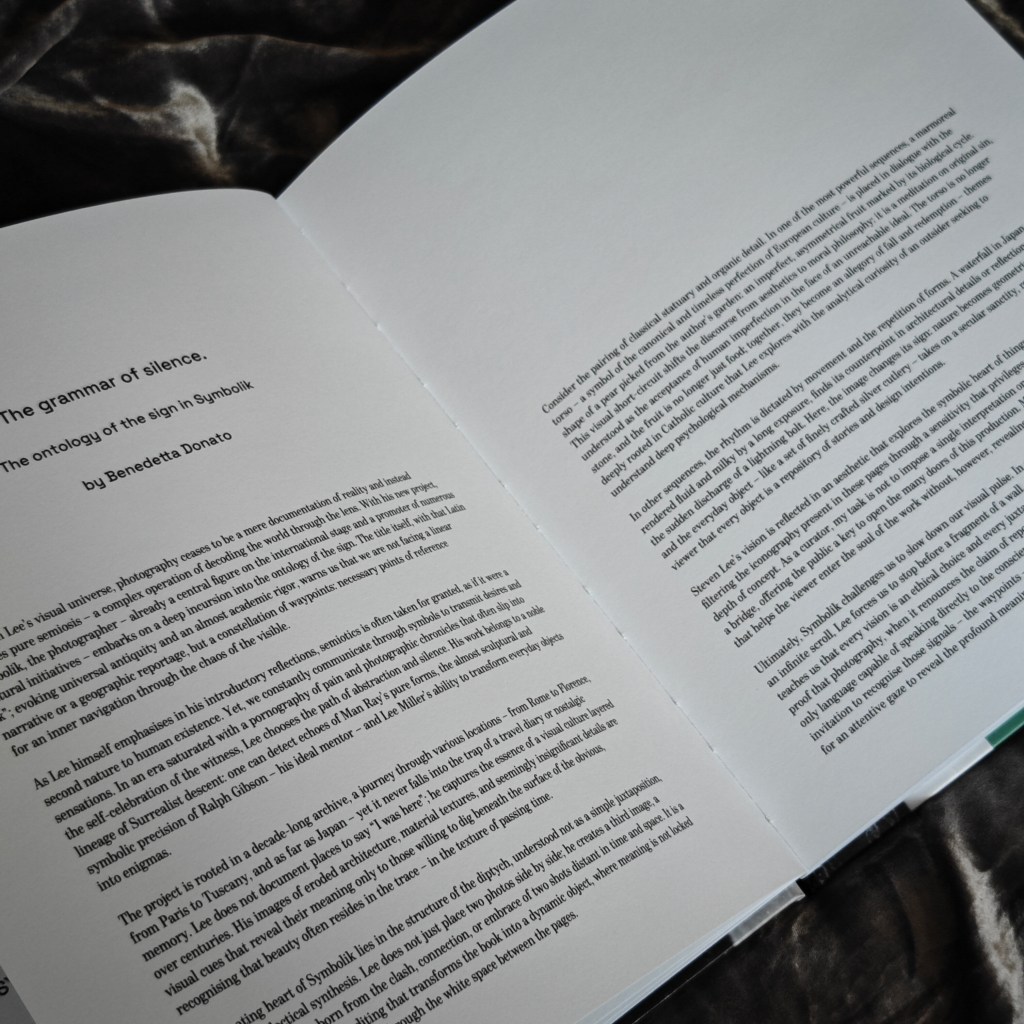
Thank you once again toBenedetta Donato who totally understood the my project deeply and for your illuminating introduction. Grazie mille!
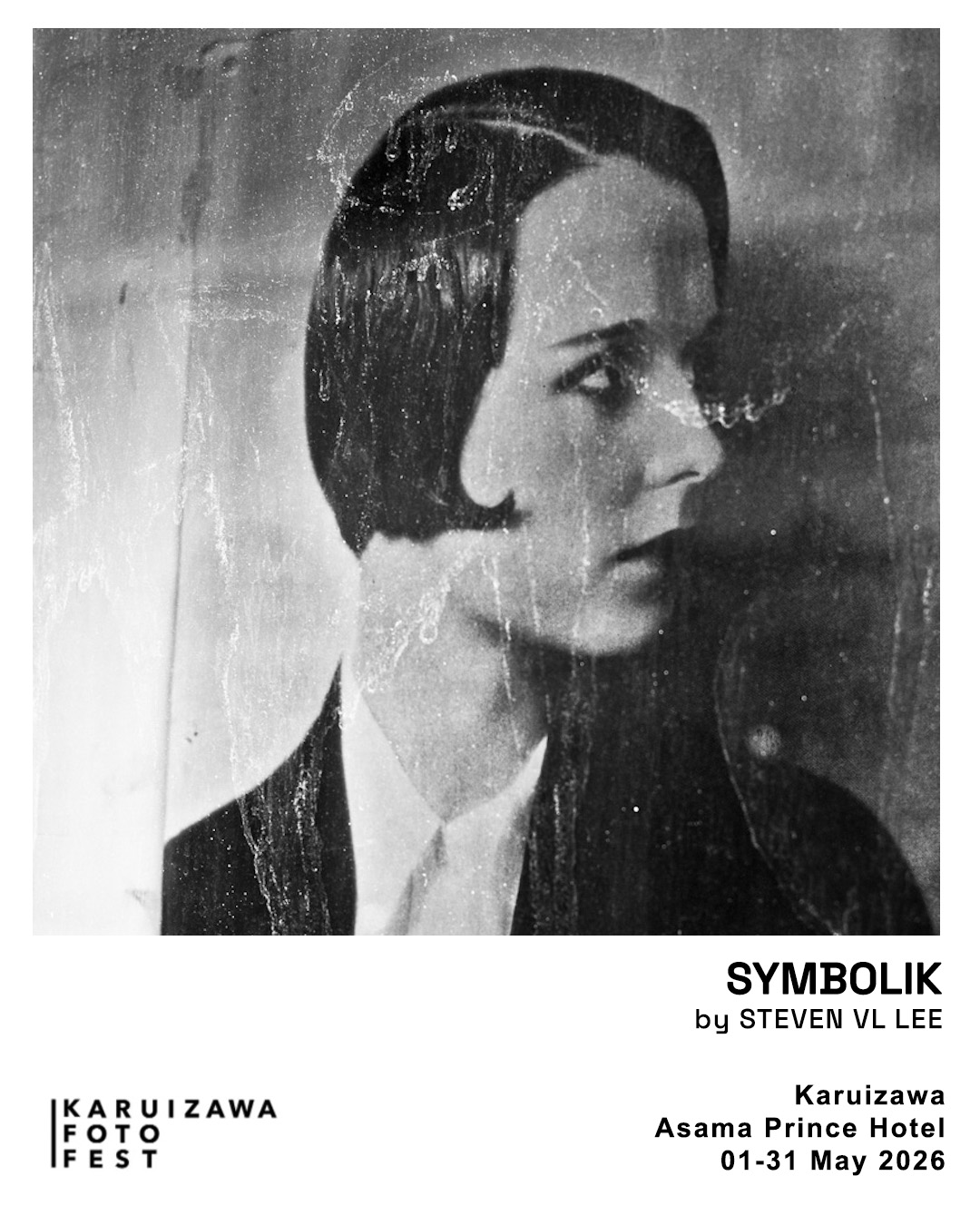
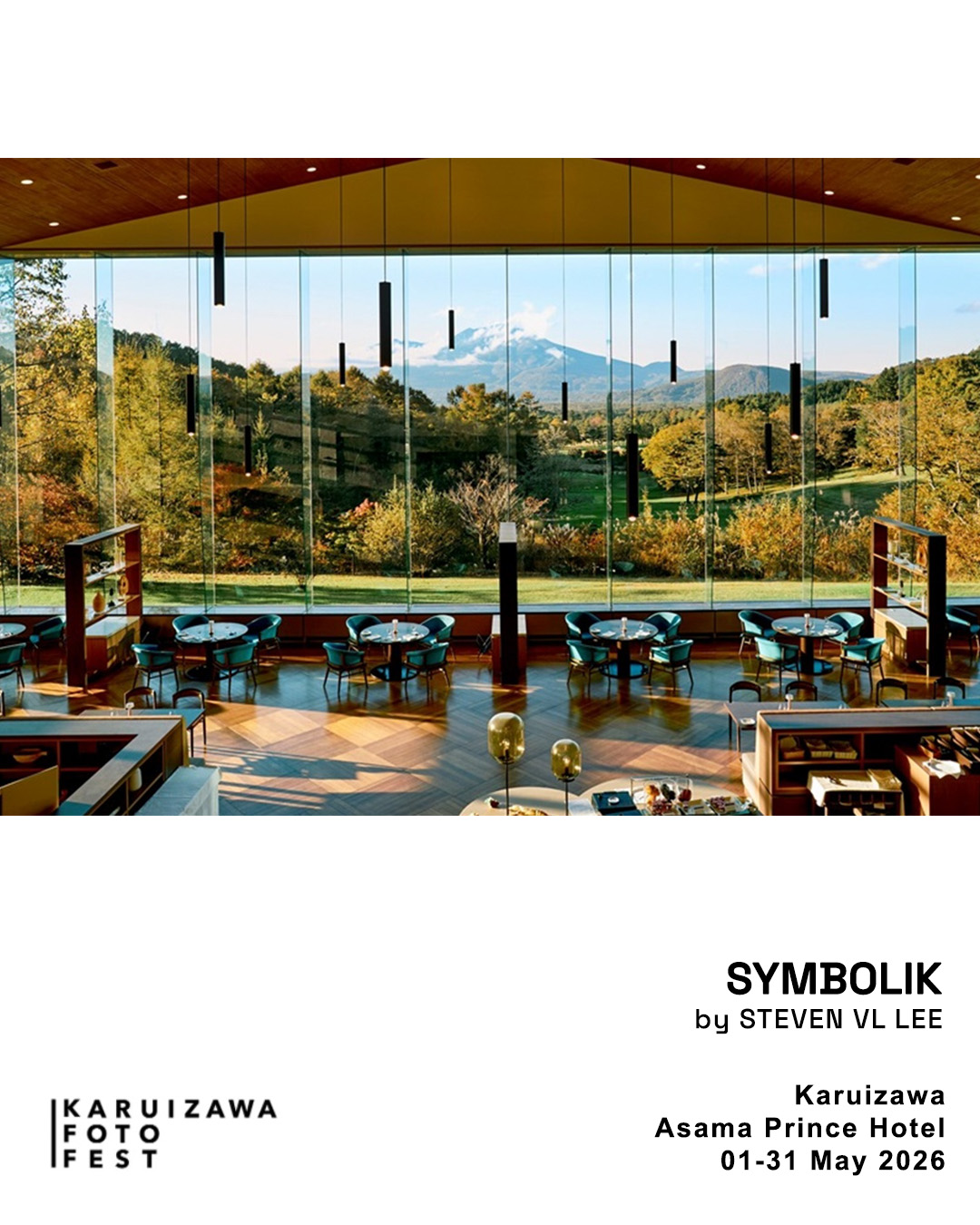
Curated images by festival co-director Naoko Ohta from the project will be exhibited in a solo exhibition at the 2026 Karuizawa Foto Festival in Nagano, Japan from 1 – 31 May.
NID:SIZE:699 kB
What is Symbolik about?
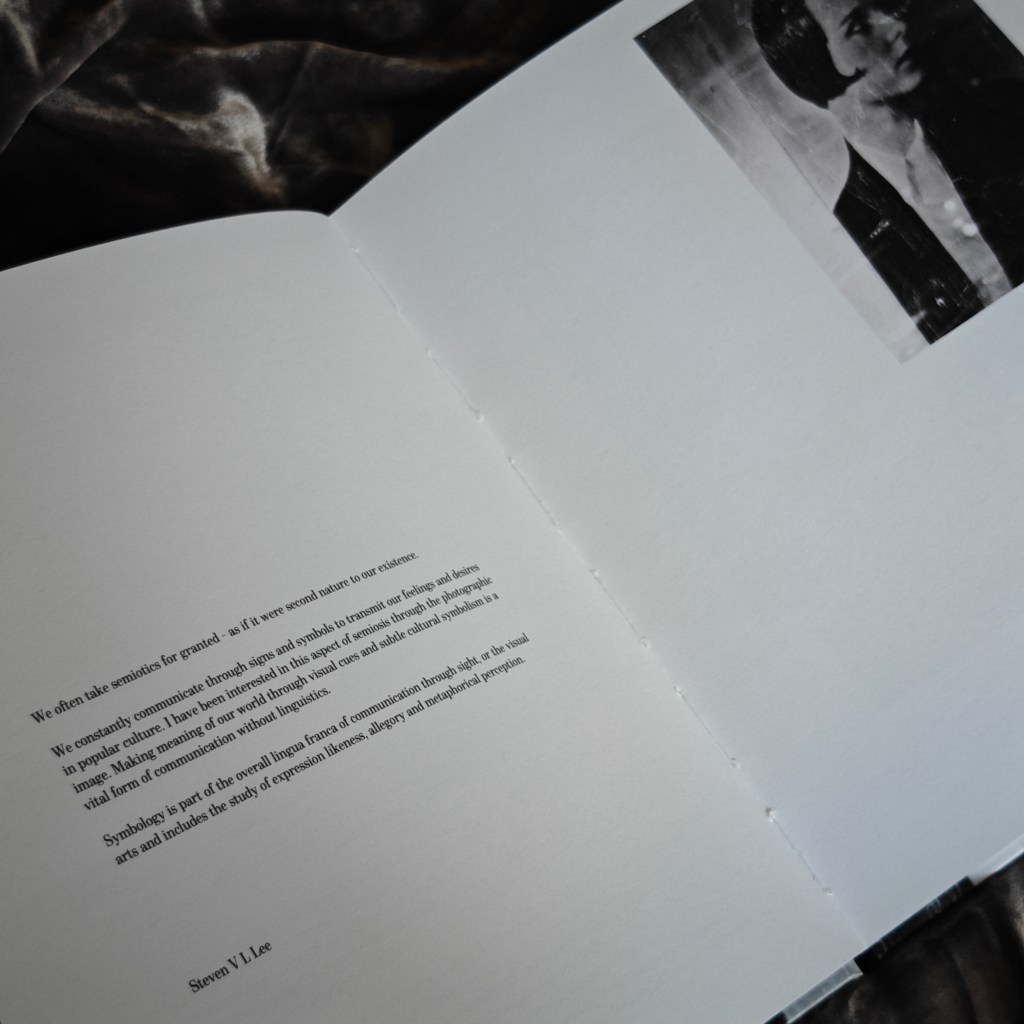
We often take semiotics for granted – as if it were second nature to our existence.
We constantly communicate through signs and symbols to transmit our feelings and desires in popular culture. I have been interested in this aspect of semiosis through the photographic image. Making meaning of our world through visual cues and subtle cultural symbolism is a vital form of communication without linguistics.
Symbology is part of the overall lingua franca of communication through sight, or the visual arts and includes the study of expression likeness, allegory and metaphorical perception.
Signs and Symbols, Motifs and Meanings
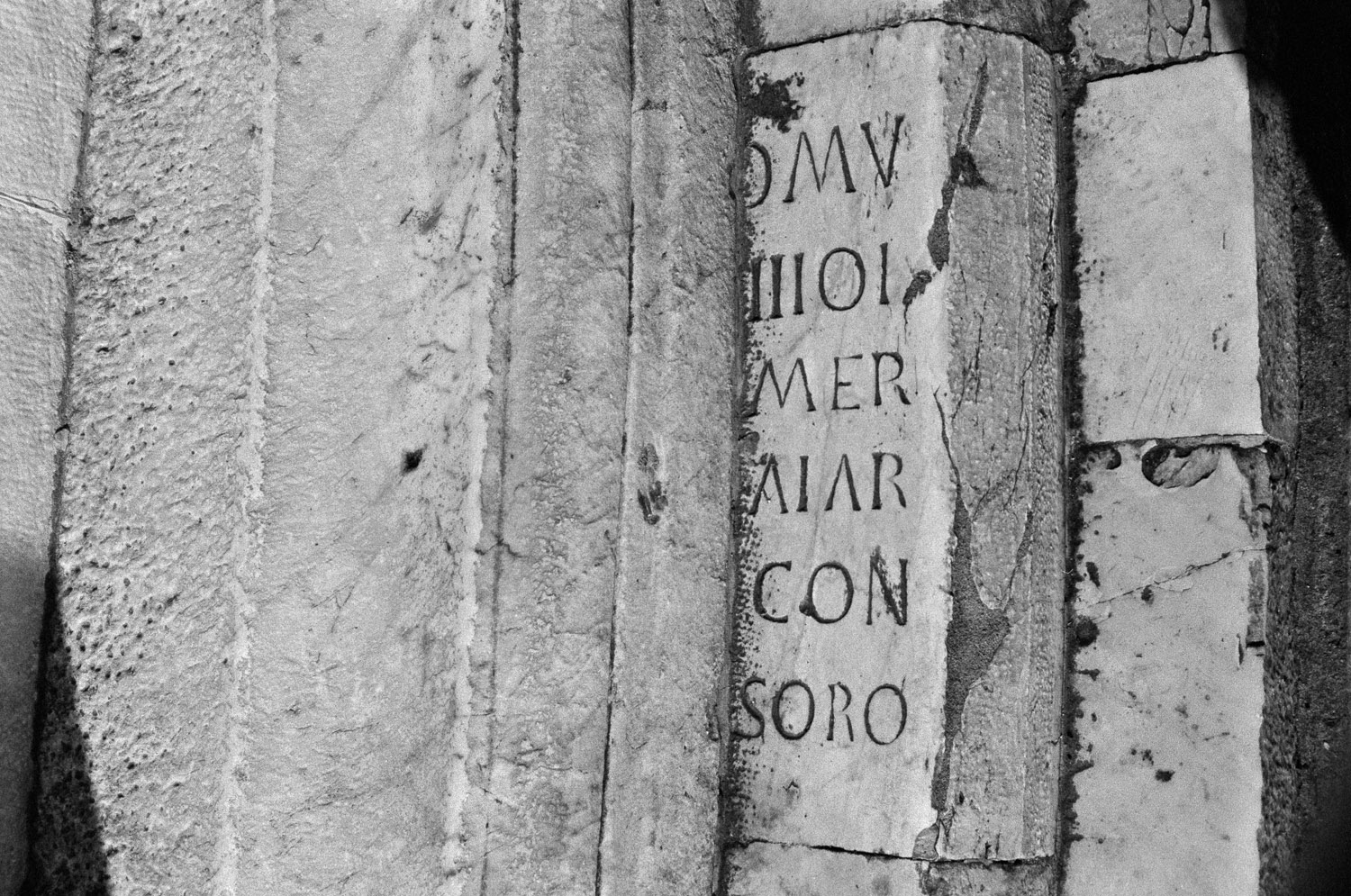
I first developed the concept of Symbolik having walked the ancients streets in Rome 2008. In an alley close to the Pantheon, I came across chiselled into a stone wall were symbols and words in Latin. Possibly made hundreds of years before by an ancient graffiti artist. The idea remained in my head as I pondered who and why, and what were the meaning of the words. To Romans who live there today, these etches are a common encounter in a city steeped in history known as a living museum, the Eternal City. To a casual visitor like myself, it was tremendously significant and even poignant that symbols spanning centuries could still be read and interpreted to give meaning and direction, perhaps dulled by the passage of time, but still significant, and as a philosophical question which is deeply personal.
Over the years, I realised that every person is drawn and react to symbols differently even if their meanings are clearly unambiguous. I pondered why this is so. Could it be that their meanings and understandings lack precision or could it actually be the interpretation of them that is flawed. I concluded that cultural upbringing and self-determination might explain this, communal reactions and societal conformations are other possibilities.
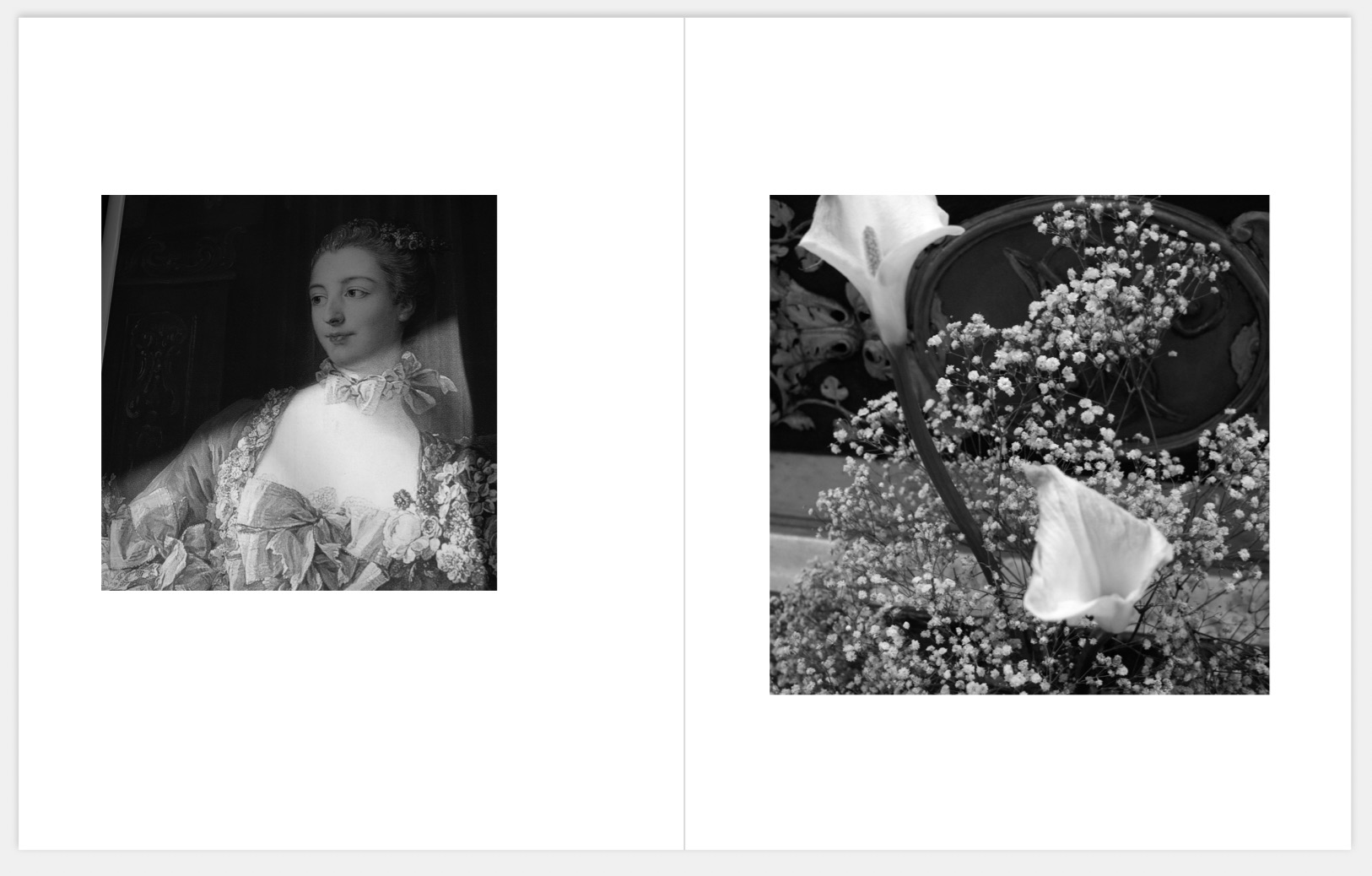
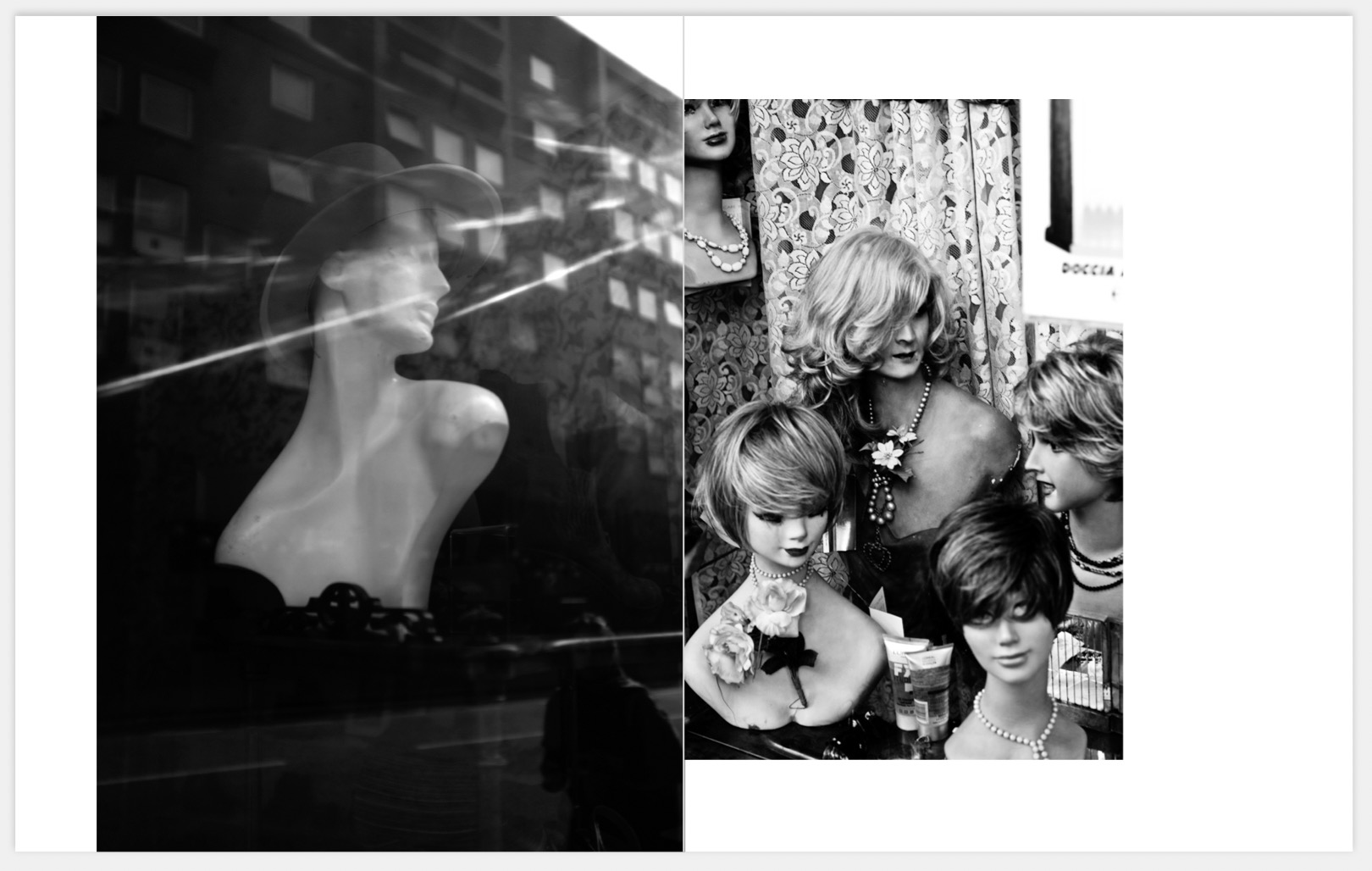
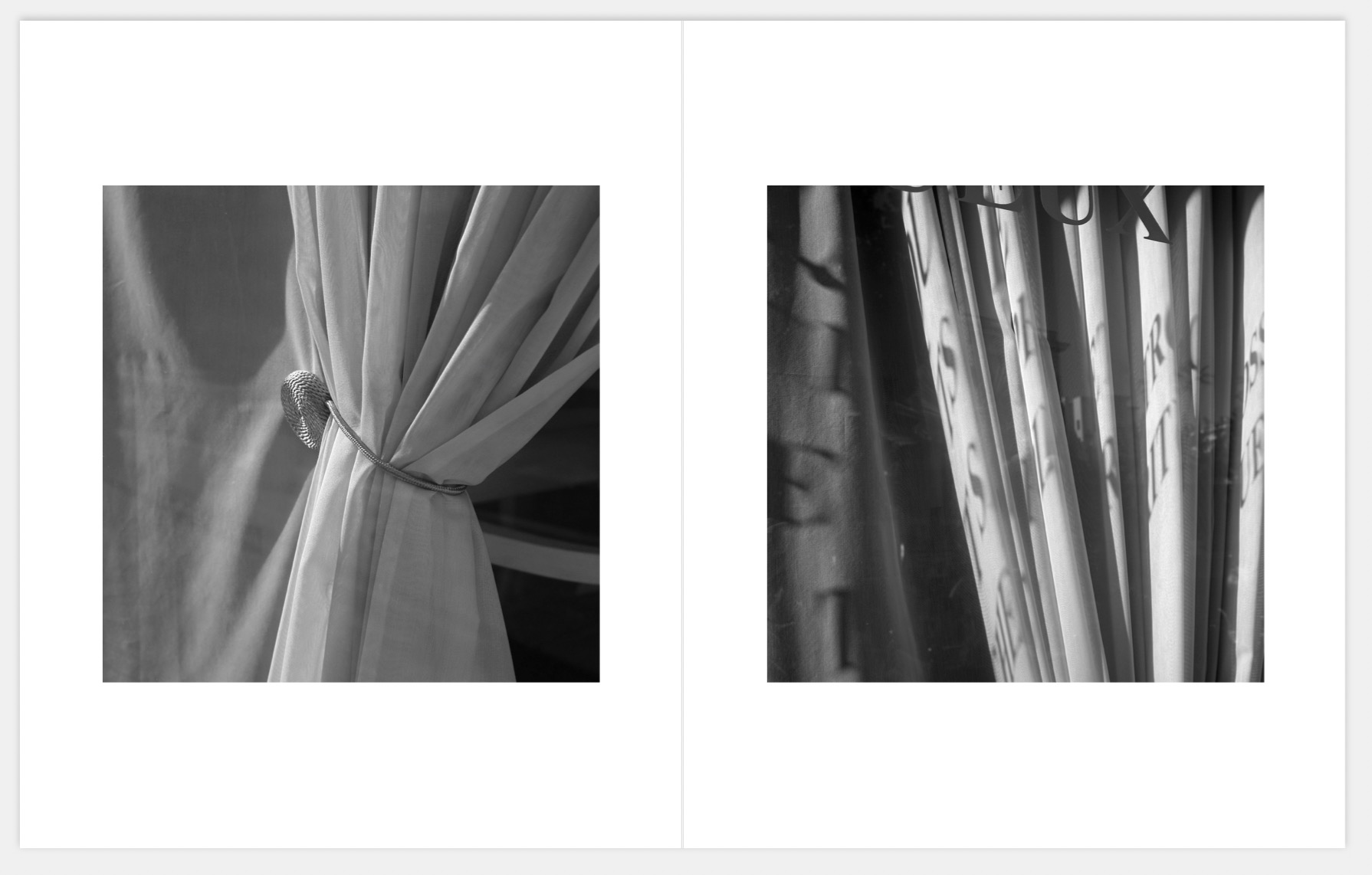
Every viewer will react differently and in varying degrees to my images. They do not provide answers or explanations, nor invoke or provoke responses. However I hope and expect some viewers may react emotively, perhaps once the motifs are embedded into their mind’s eye, perhaps at a later stage, if not immediately, and a realisation is made. Perhaps a repressed thought, a lost feeling, a suppressed memory may rise to the fore. The actual meanings don’t really matter in Symbolik. Unlike reading a book from chapter to chapter to discover a narrative, my images do not ‘unfold’ or reveal one, unless you are attuned to see the world as I do – a haphazardly organised chaotic mess – visually stimulating, if you want it to be. A solipsistic existence. Enjoy!
Here’s an excerpt from the Introduction text by Benedetta Donato :
“In Steven Lee’s visual universe, photography ceases to be a mere documentation of reality and instead becomes pure semiosis – a complex operation of decoding the world through the lens. With his new project, Symbolik, the photographer – already a central figure on the international stage and a promoter of numerous cultural initiatives – embarks on a deep incursion into the ontology of the sign. The title itself, with that Latin “k”; evoking universal antiquity and an almost academic rigor, warns us that we are not facing a linear narrative or a geographic reportage, but a constellation of waypoints: necessary points of reference for an inner navigation through the chaos of the visible.”
“As Lee himself emphasises in his introductory reflections, semiotics is often taken for granted, as if it were a second nature to human existence. Yet, we constantly communicate through symbols to transmit desires and sensations. In an era saturated with a pornography of pain and photographic chronicles that often slip into the self-celebration of the witness, Lee chooses the path of abstraction and silence. His work belongs to a noble lineage of Surrealist descent: one can detect echoes of Man Ray’s pure forms, the almost sculptural and symbolic precision of Ralph Gibson – his ideal mentor – and Lee Miller’s ability to transform everyday objects into enigmas.”
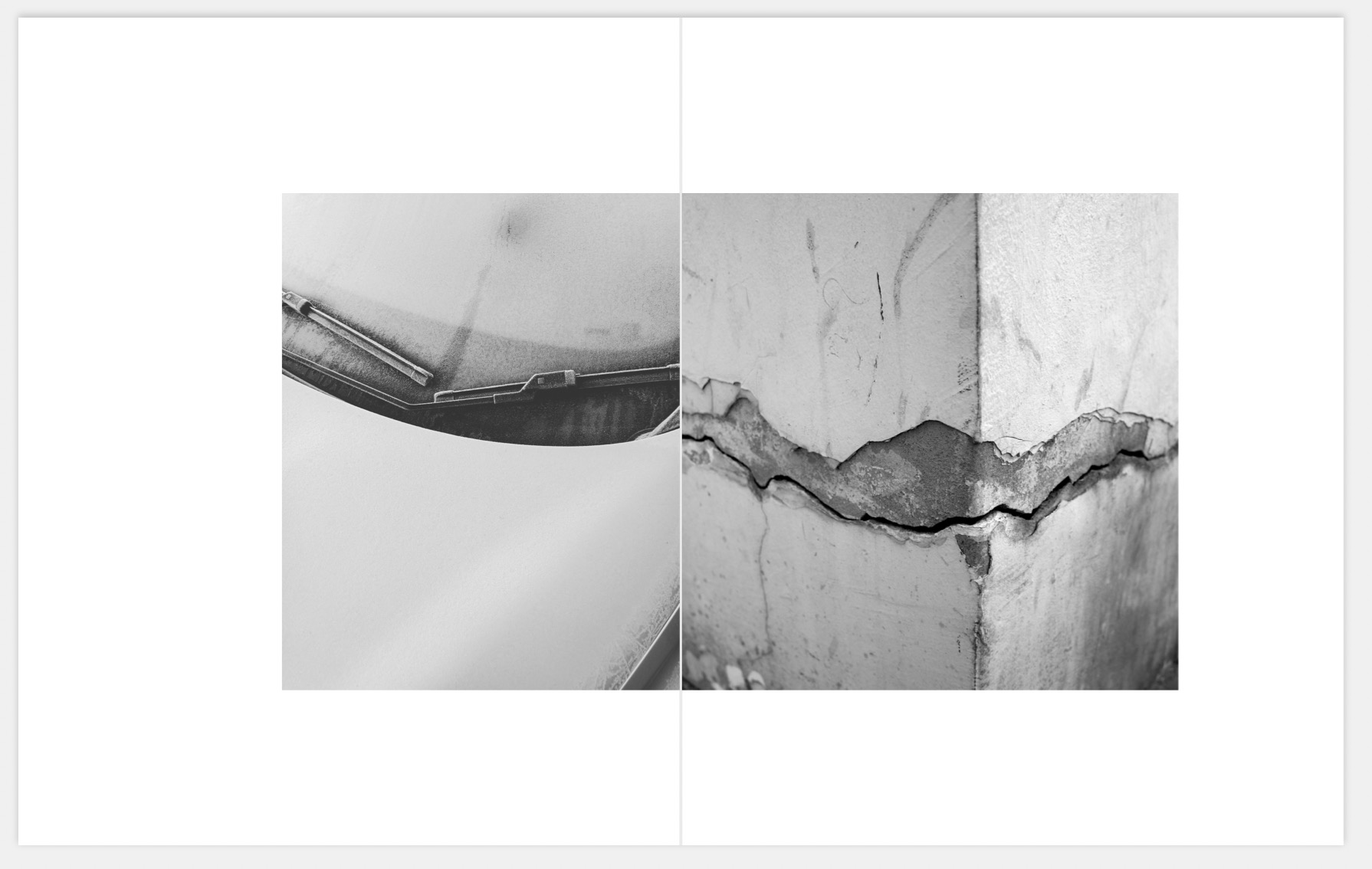
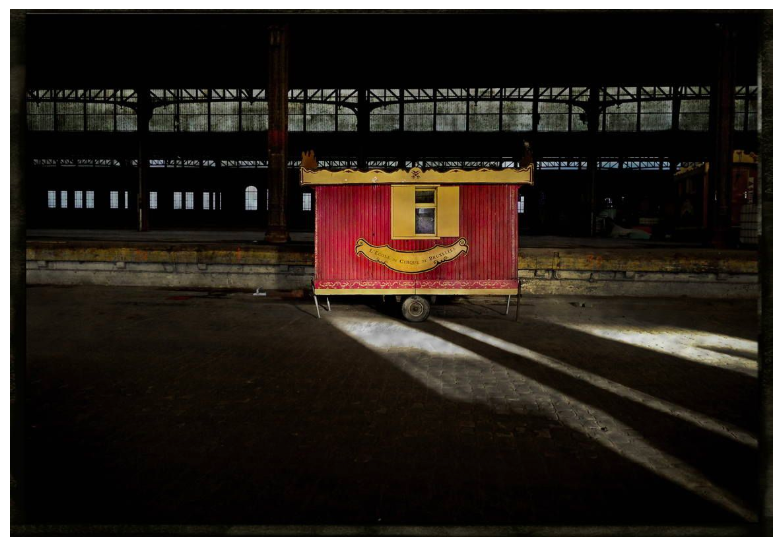
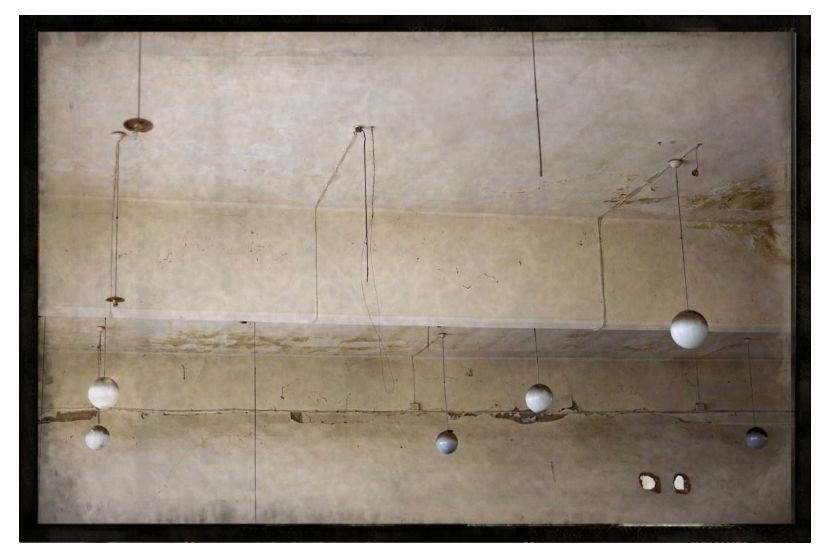
“The project is rooted in a decade-long archive, a journey through various locations – from Rome to Florence, from Paris to Tuscany, and as far as Japan – yet it never falls into the trap of a travel diary or nostalgic memory. Lee does not document places to say “I was here”; he captures the essence of a visual culture layered over centuries. His images of eroded architecture, material textures, and seemingly insignificant details are visual cues that reveal their meaning only to those willing to dig beneath the surface of the obvious, recognising that beauty often resides in the trace – in the texture of passing time.”
“The beating heart of Symbolik lies in the structure of the diptych, understood not as a simple juxtaposition, but as a dialectical synthesis. Lee does not just place two photos side by side; he creates a third image, a synthetic identity born from the clash, connection, or embrace of two shots distant in time and space. It is a practice of conceptual editing that transforms the book into a dynamic object, where meaning is not locked within the frame but flows through the white space between the pages.”
“Ultimately, Symbolik challenges us to slow down our visual pulse. In a world that consumes images at the speed of an infinite scroll, Lee forces us to stop before a fragment of a wall, a reflection on glass, or a body of stone. He teaches us that every vision is an ethical choice and every juxtaposition is an act of semantic creation. This book is proof that photography, when it renounces the claim of reportage to embrace the path of the symbol, becomes the only language capable of speaking directly to the conscience, transcending every geographical barrier. It is an invitation to recognise those signals – the waypoints – that, while remaining before our eyes every day, wait only for an attentive gaze to reveal the profound meaning of our shared human journey.”
I had the pleasure of acquiring not one, but two photography books from Italian photographer Bruno Cattani last November at the Photolux Festival in Lucca. So much has happened since my rained soaked weekend in the beautiful walled city of Lucca where Puccini was born, and I was recently reminded gently by the gentleman, Mr Cattani, if I could give him my views on his books.
With the current lockdown in the UK due to the pandemic, and with ample ‘lounging-around’ moments throughout the days (weeks and even months ahead…) I finally got to look at, and into – the photographs in these publications.
Not often, I find myself so intrigued in fine-art photography – especially in book form, since most of my recent acquisitions were documentary works (see Road to recovery : Noriko Takasugi & Catalina Nucera). Documentary works inform and illustrate stories told by their authors – of distant lands, events and peoples, their struggles, their celebrations and their encounters.
Eros, 2018 and Memorie, 2014 do not do that. However, they evoke feelings and emotions, sometimes repressed and locked away in one’s mind.
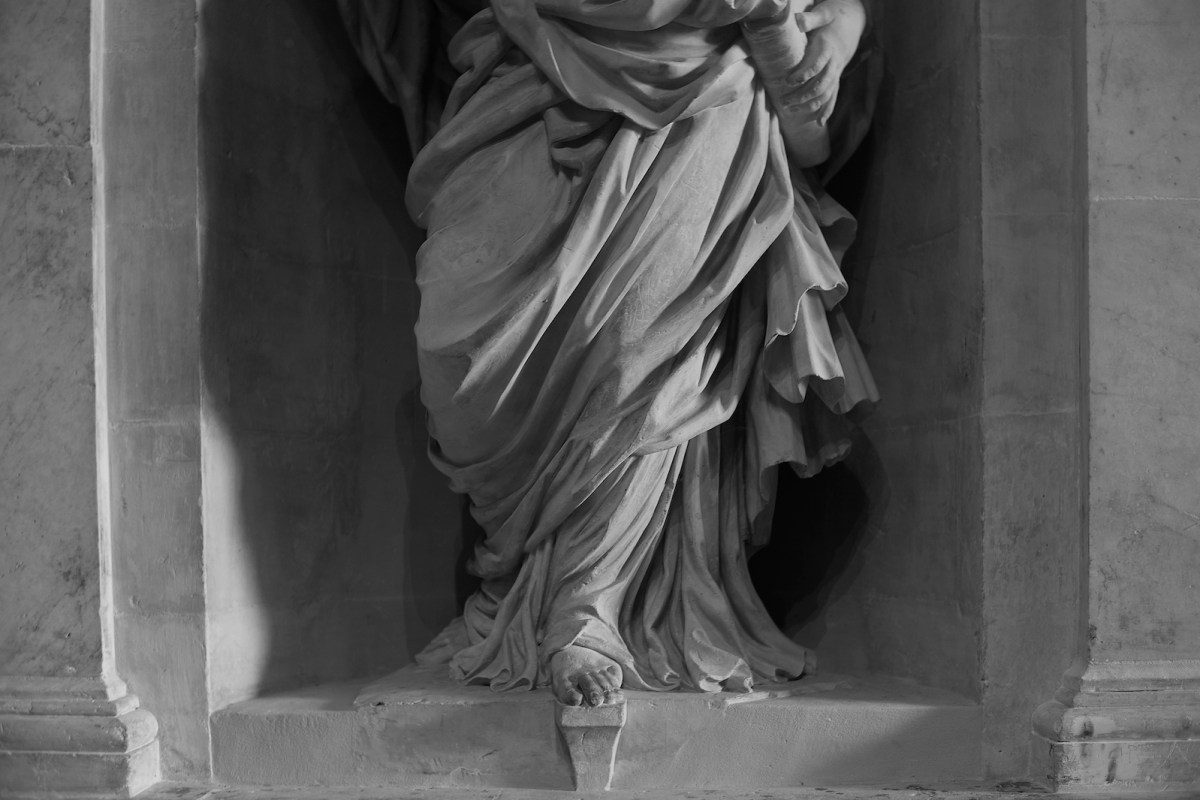
Eros is a collection of detailed black and white studies of marble figures. In Europe, these decorate the internals of churches, in public spaces and museums in all their splendour, magnificence and artistry, as common as can be. However, Bruno’s pictures capture the sensuality and erotism in their depiction of the often accentuated female and male forms made more pronounced by detailed lighting, texture and composition, which is his signature style in this series. Ambiguous representation of marble or flesh? Figurative depiction or human skin? Abstraction or true form. Seeing beyond what is present in the shapes and shadows. The human body fascinates me, all the same.
Bruno Cattani, Photolux 2019, Lucca
Some of these thoughts will surely cross a viewer’s mind, as they did with me. Translucence is the emotive phrase I am thinking. Of mind, body and spirit, where clarity and opaqueness meld into each other.
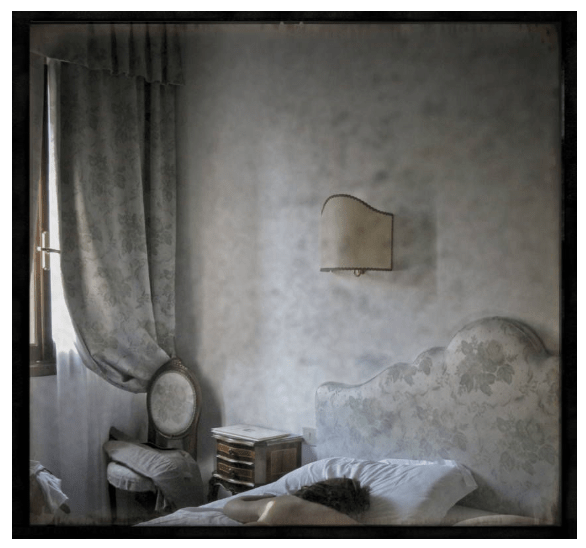
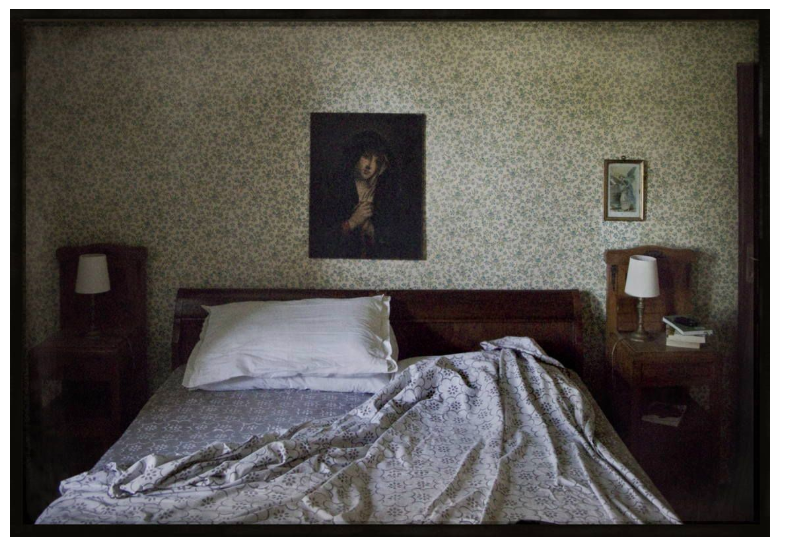
Sometimes, we encounter an image, a sound or smell that triggers our hidden memories and they become as clear as the present day. Looking at some of the photographs in Memorie did just that for me. Even as I have not lived in or visited the city of Reggio Emilia in northern Italy, as the collection in this book depicts, it acts like a proxy trigger to similar places and experiences I have experienced in my years living in Europe.
That’s why I love this book so much as the scenes, some mundane and private only to the author, allows the viewer an insight to the personal encounters and memories of the photographer and at the same time gives me an opportunity to rediscover my past experiences too. More than feelings.
Contact the photographer for more information here :
Exploring a new river path close to where I live and came across this stagnant stream. Because of the recent heat and humid conditions, algae and moss have overgrown this section of the stream and created a carpet of green which is amazingly still.
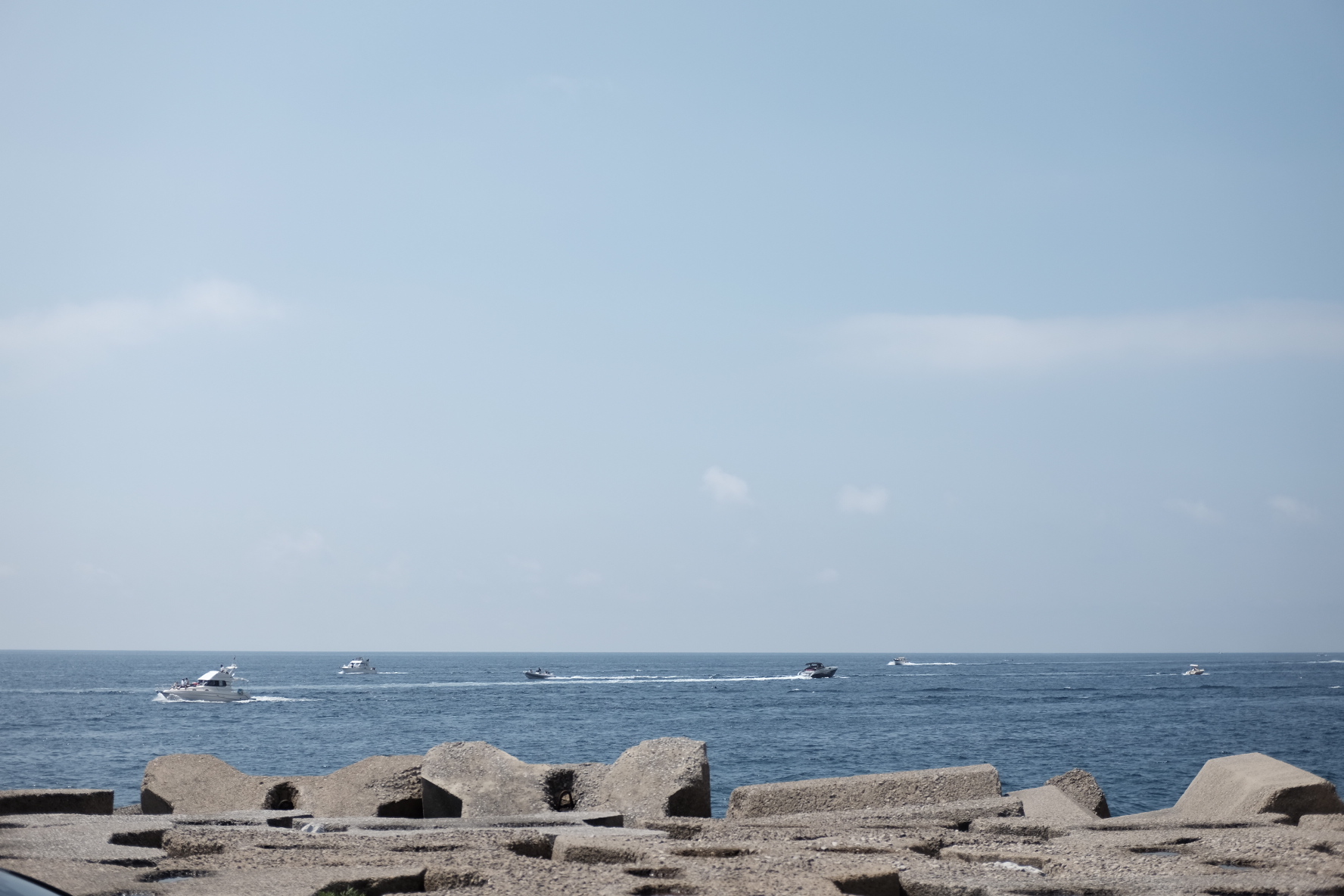
Back again on the Amalfi coast after a week’s visit in 2007. This time we are staying in Praiano, about 10 kms outside touristy Amalfi town. Not yet at the height of the summer season but it is already full of visitors and prices are astronomically high compared to other coastal resorts. More later…
Window to the World ~ Conservatory, Chiswick Park, 2018
2018 has been an eventful one for me. We launched Kuala Lumpur International Photoawards 2018 in February, celebrating the 10th installment which saw some amazing entries. A milestone achievement, which I’d like to thank all our sponsors, partners and the KLPA team.
In May, we gathered again at the KL Journal hotel for Photosymposium Asia, the second event discussing Photography and Social Change. The event had a small turnout but was intensive and our speakers gave insightful presentations followed by a popular open tabletop portfolio display.
The next weekend in May, I had another intensive weekend spent with the international jurors for the KLPA judging, followed by a long weekend stay in the beautiful city of Auckland, attending theAuckland Festival of Photography!
In July, I had the opportunity to visit Cortona On The Move Festival in Tuscany and saw some brilliant exhibitions and of course, sampled the wonderful Italian cuisine. End August was spent in Kobe at Mt.Rokko International Photo Festival,where I reviewed portfolios and ran a portraiture workshop. This was followed in September with the setting up of the KLPA finalists exhibition and hosted awards presentation at the Whitebox Gallery in Kuala Lumpur.
Later in December, I was back in KL again to host the Two Mountains Photography Project 3.0 at the ILHAM Gallery. The opening reception was a great success and the Malaysian artists involved appeared on radio and television broadcasts. In December, the finalists’ images of KLPA2018 traveled to Medellin, Colombia for a 4-week exhibition at the MUUA Museum, University of Antioquia, and will travel to the Centro Cultural Facultad de Artes in March 2019.
I take this opportunity to wish all my friends and followers, supporters and fellow photographers a very Happy New Year and I hope to meet some of you at the KLPA events and festivals. ~ Steven
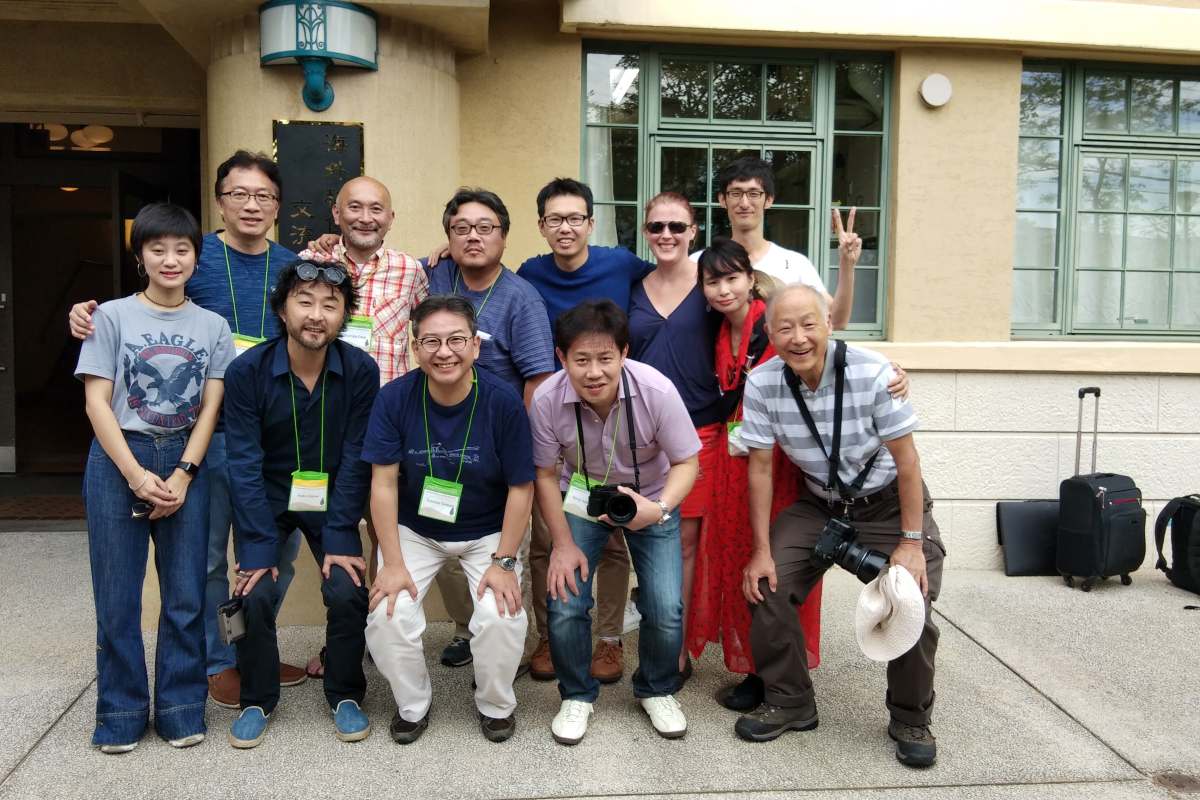
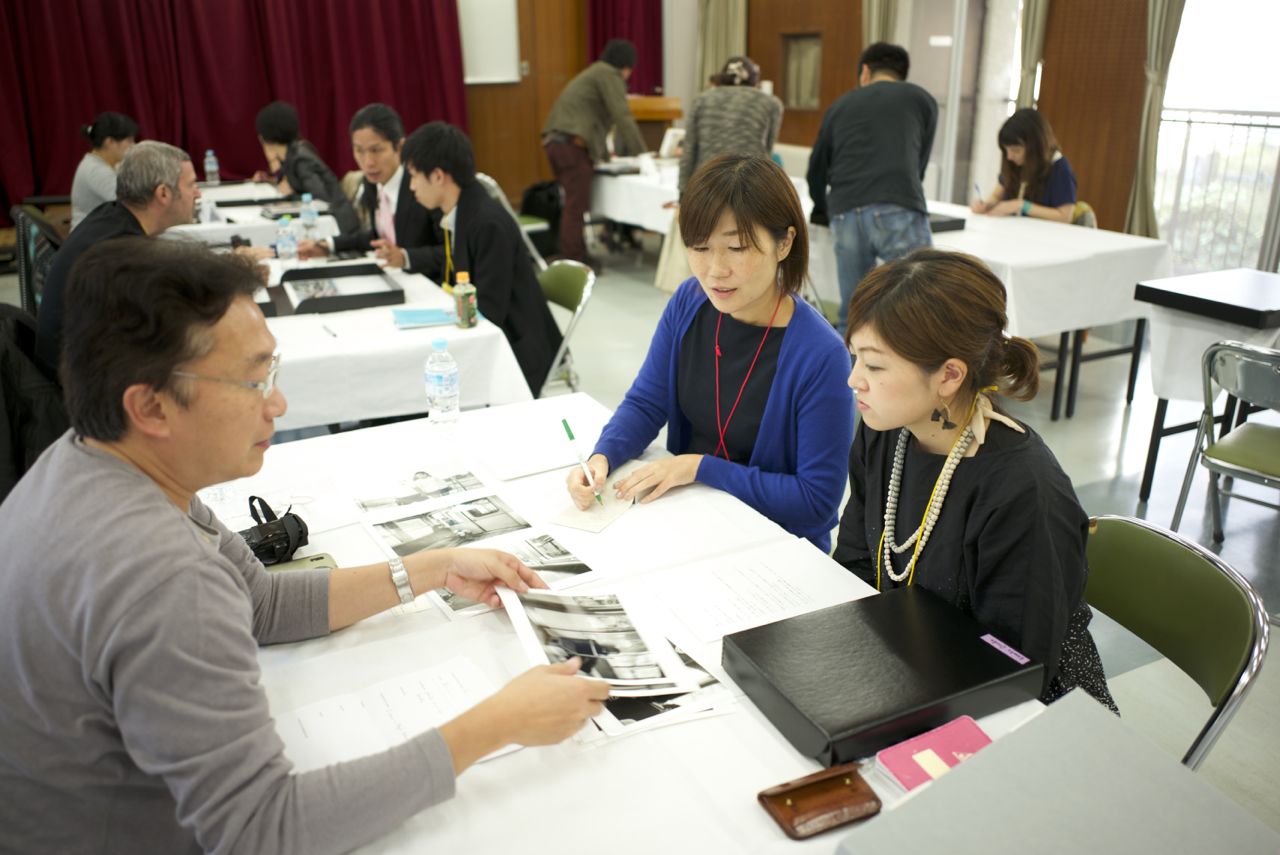
I just returned from attending the 2018 installment of the Mt.Rokko International Photography Festival, my sixth visit as a portfolio reviewer and also to present projects and run a workshop. I join many professional colleagues from the wider photography industry from across the globe as an invited guest with the main purpose – that is, to nurture young and upcoming Japanese photographers create more meaningful projects, strengthen their ability to project a strong story through their picture taking craft, which no doubt, all of them already have brewing inside them.
The festival, headed by its visionary director Takeki Sugiyama, a surgeon by profession, and totally passionate for the ‘meaning behind every photograph’, who is also an avid collector himself, is run with typical Japanese efficiency when it comes to scheduling and timekeeping, and a certain familiarity that is unique to Mt.Rokko. The volunteer team and staff already feel like family after the very first visit.
Photos by Melanie McWhorter & Chikara Komura
Held partly in downtown Kobe for the exhibitions and having the reviews in close-quarter up at Mt.Rokko, makes for an interesting long weekend for the guests and photographers, but slightly inconvenient for day visitors wanting to participate in the workshops or presentations. However, I feel that this arrangement is already being addressed over the last two years to make the festival more accommodating.
Over the years in coming to Kobe, I have gained many connections and friends in the photography world, and have also opened my eyes to contemporary Japanese photography – it’s highly aesthetic based imagery, and the very important link to nature, family and tradition. I speak of course in general terms, and there are photographers who also make non-conformist projects that surprise.
For Mt.Rokko, I believe that it has steadily gained the reputation of being a tight-knit photo community, and being a ‘portfolio review centered’ festival, it has the advantage of fully catering to photographers seeking to maximise their exposure in gaining valuable feedback through the expertly selected workshop mentors and international reviewers. Because of the proximity of the venues and the ability of the photographers to access the reviewers throughout the weekend, there are ample opportunities for casual conversations to happen – and I believe, even more for future installments – that these downtimes are vital to allow honest exchanges on a one to one basis, in addition to the scheduled reviews.
An advantage of being a small festival, the manageable numbers also help enhance the ‘community spirit’ and camaraderie of the participating photographers who come from all over Japan, and overseas as well, and I feel this is very important, especially for first- time reviewees, and more introvert photographers, and a unique feature for Mt.Rokko.
I have been following the progress of several photographers who attended the early installments of the festival and can happily say that many of them have gained new exposure of their projects and have gone on to win international awards, recognised in festivals or have exhibitions in galleries outside Japan. I can safely say that having attended Mt.Rokko previously, played an important part in their successes.
Since 2013, Mt.Rokko festival has been much praised for their purposeful and beneficial portfolio reviews and even as we had a smaller participation size this year, the variety and standard of projects presented were of greater depth and subject matter. This may be due to the stricter pre-selection process imposed by Takeki Sugiyama, the director to improve the overall photographic standard being presented to the international reviewers.
Part of the reason for attending a festival like Mt.Rokko and its portfolio review sessions is to make new connections with the greater photographic world, with international reviewers and also other photographers from Japan and overseas. Many opportunities can present themselves to participants – especially where their projects are unique or strong, and also where the participant makes the effort to communicate and interact in open discussions or during Q&As at the presentations.
I have known several past participants who have submitted entries to the Kuala Lumpur International Photoawards and have been successful in becoming finalists and also went on to be recognised in other awards and festivals. I am glad to see this happen. I am also seeing participants who have been awarded for their projects that have become stronger and more meaningful in their edits, over the years.
The importance of education – that is, not only by the formal way but through personal development by gaining knowledge through experience and interaction, is vital to any photographer who seeks to advance and elevate his or her craft, both technically and artistically. Portfolio reviews are an effective exercise in receiving critical feedback and guidance in a photographer’s journey for deeper self-expression. I am grateful and honoured for being able to be a part, however small, of this journey with the Mt.Rokko participants.
I’m currently in Kuala Lumpur, having attended the Mt Rokko Photo Festival last weekend as a reviewer (I will write an in-depth post about that amazing festival shortly), and I just had fantastic KLPA awards and exhibition, celebrating 10 years of the awards. The last weeks had been incredible, making new connections with creative people and seeing many interesting photo projects, especially from young photographers, or even non-creative people attempting their first photo projects.
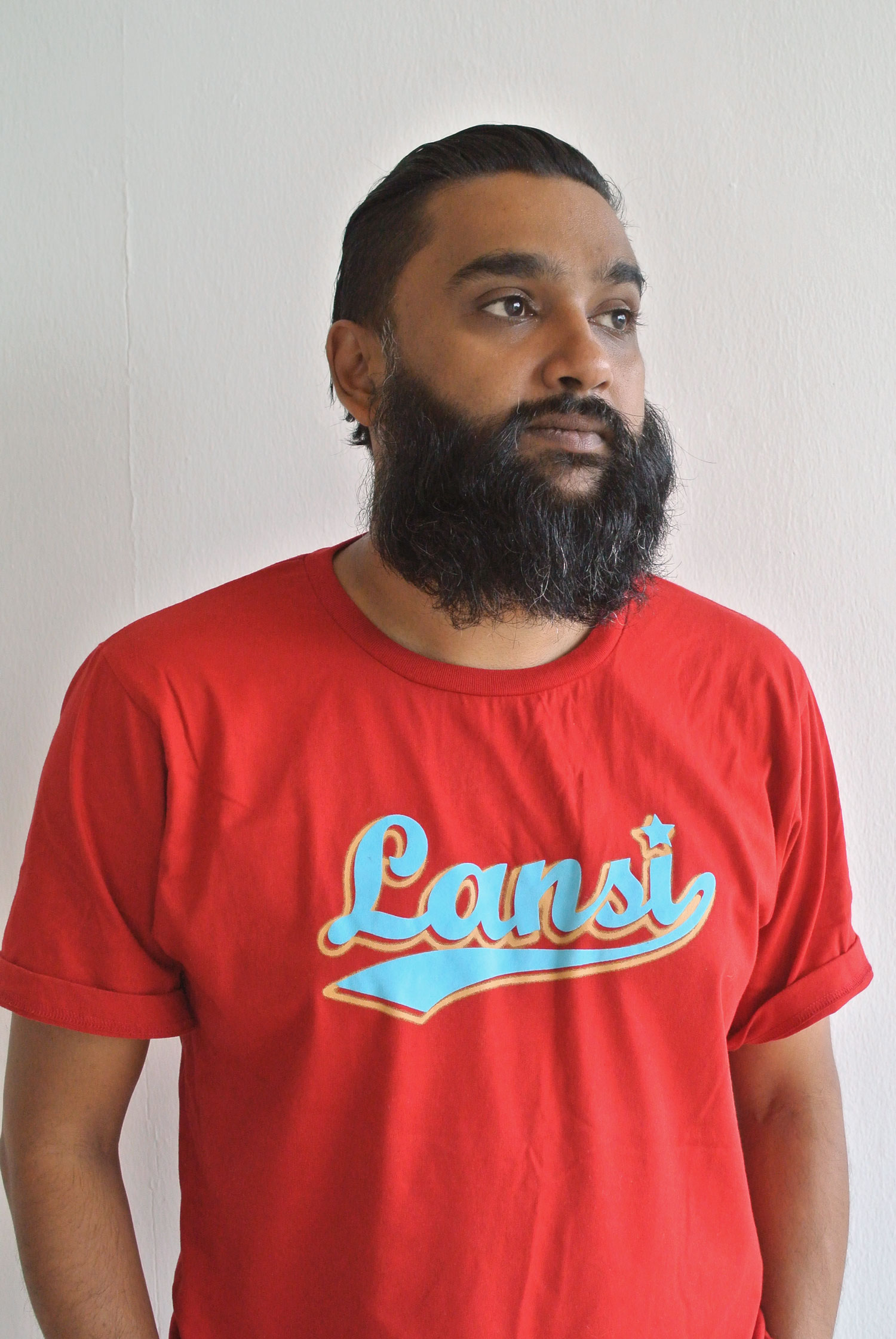
Meanwhile, I shot a few portraits below in preparation for a Street Portrait workshop this coming Saturday with my ‘new’ Nikon 1 V1 camera I got from Facebook Marketplace last month for a mere £100!
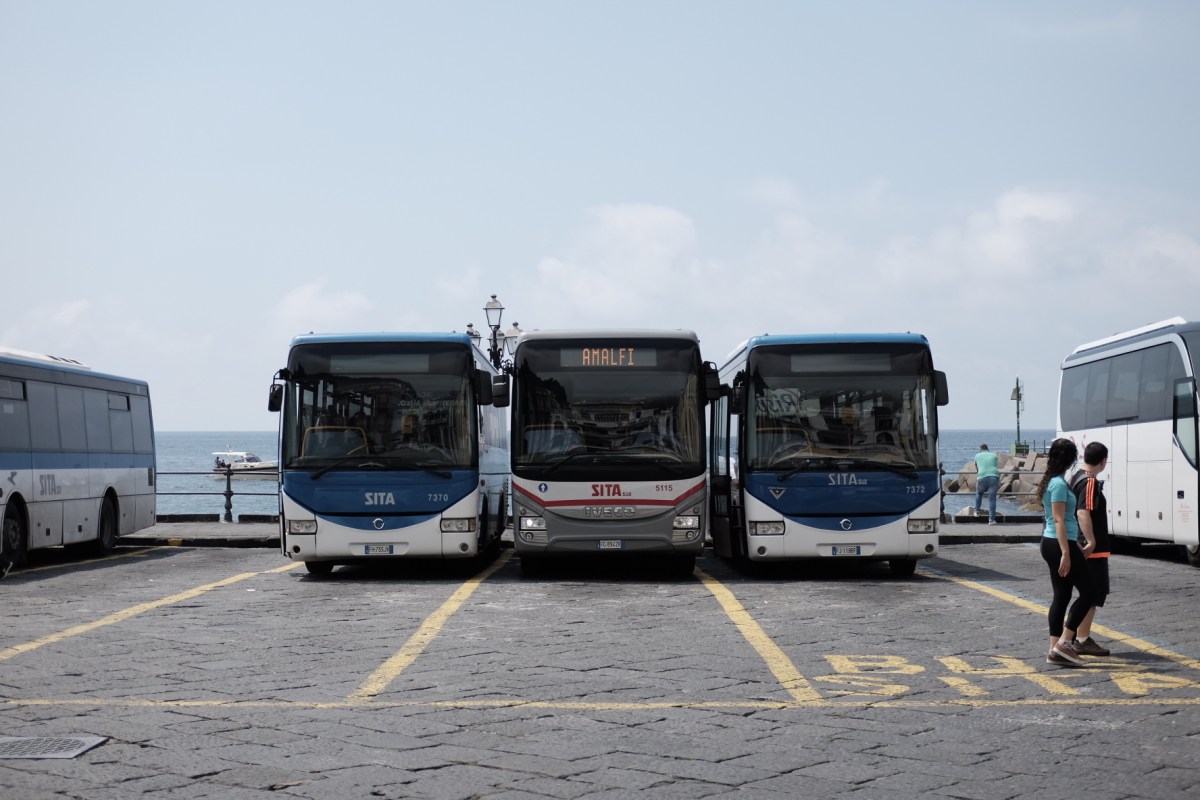
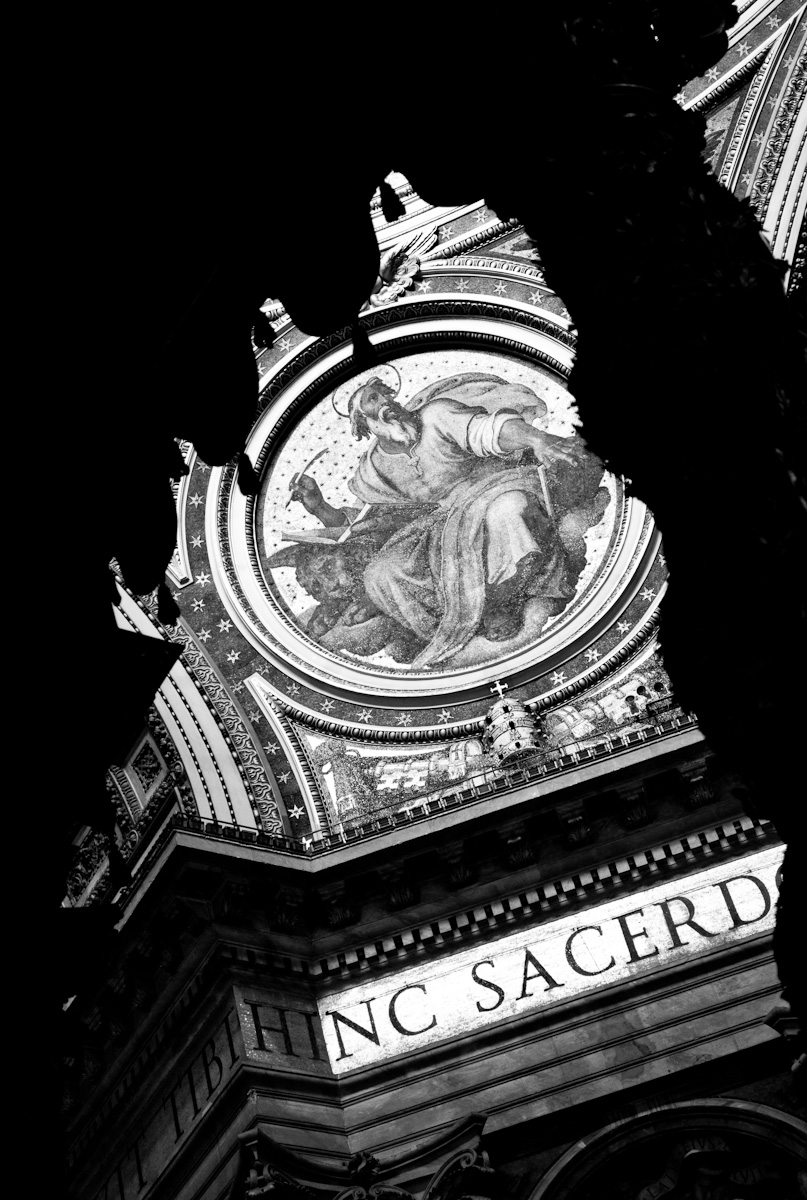
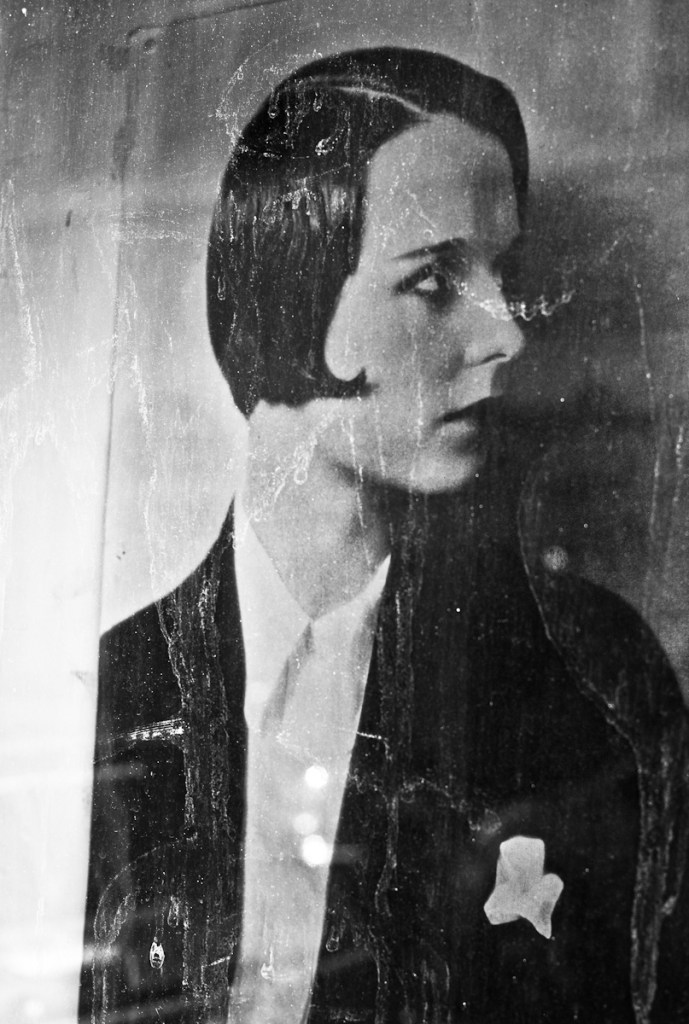
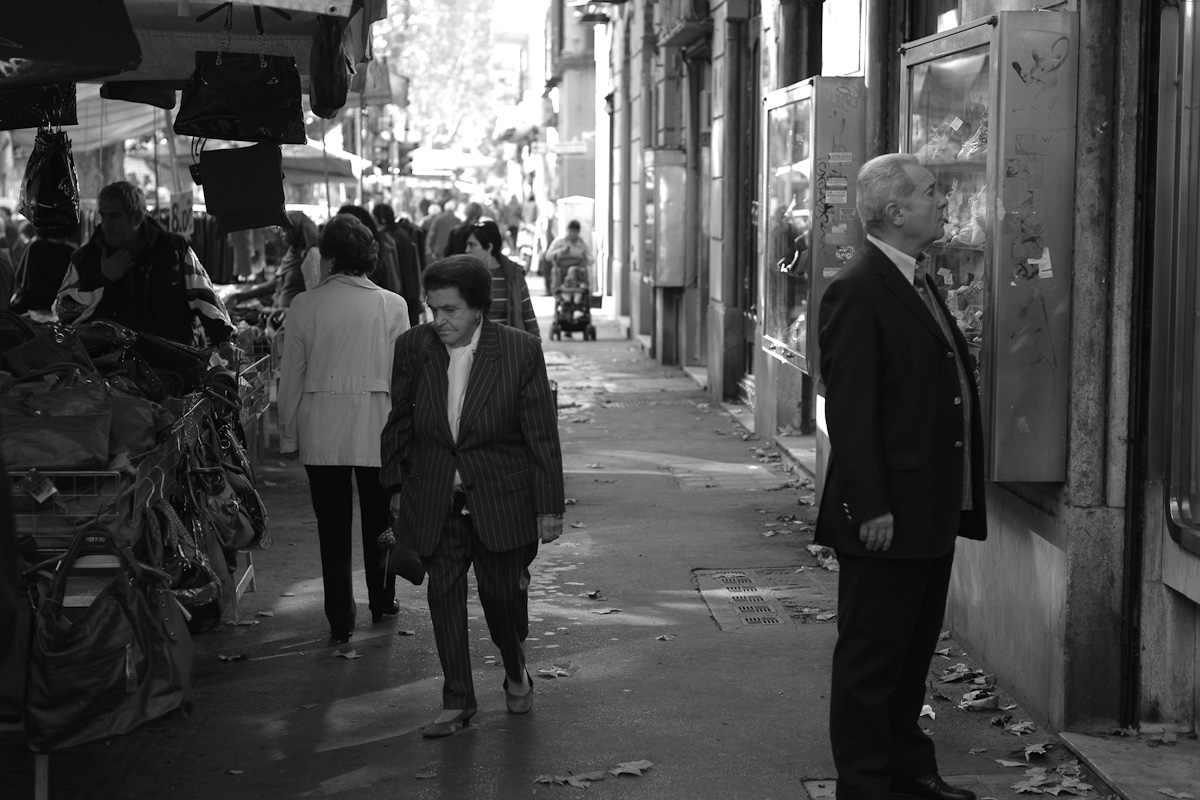
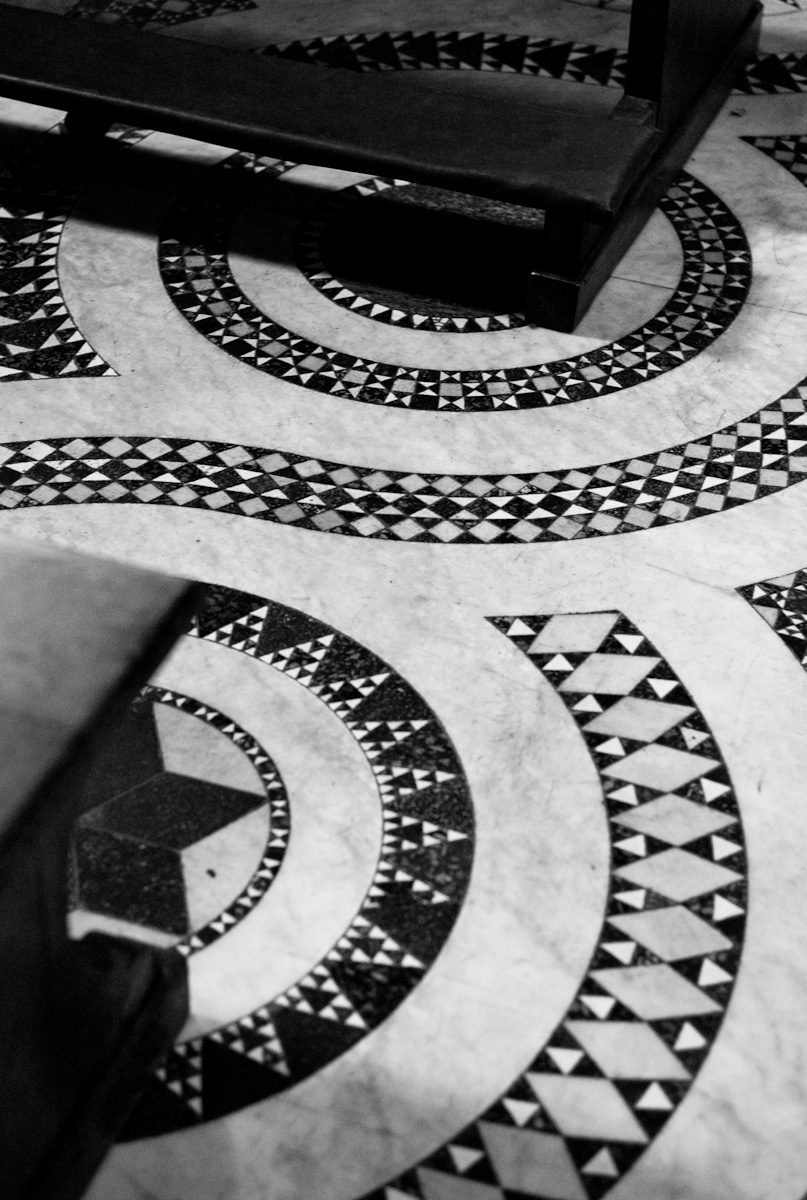
Italy has a certain style and elegance that cannot truly be captured in pictures. The mix of culture, food, fashion, architecture, religion and a legacy so steeped in significant European history has culminated in a rich, thick, gravy of sensory and visual delights for photographers.
I was going through my archives in search of staircase pictures recently (see Simply Stairs ) and discovered several collections of images I have taken over the years in Rome, Venice, Tuscany and elsewhere. I managed to select these to illustrate what I mean. It is also different from France, another country which I have visited a lot.






















You must be logged in to post a comment.