
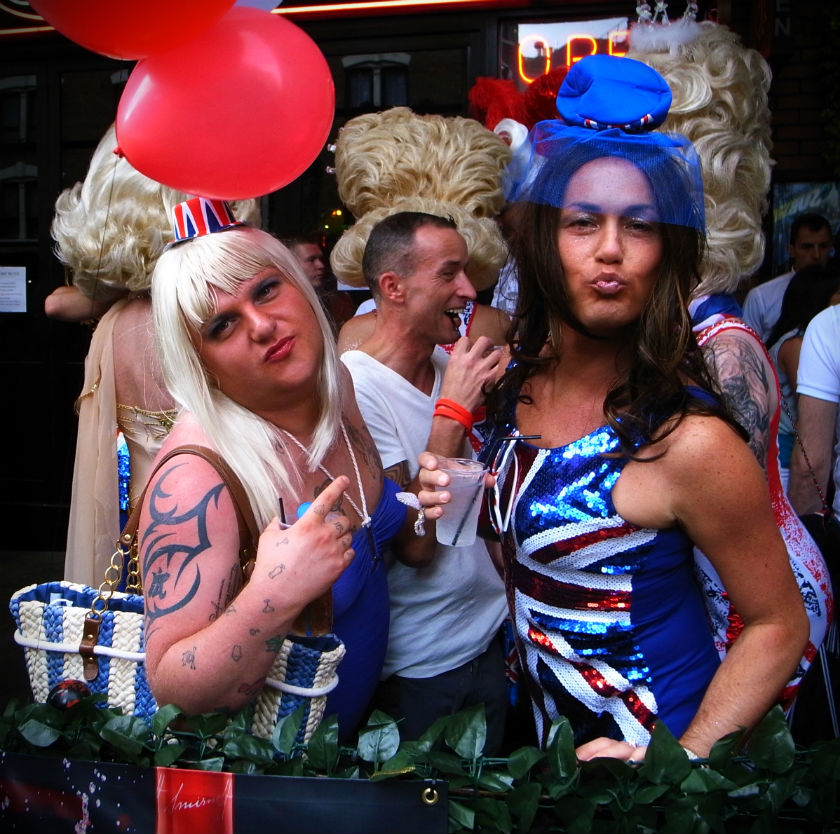
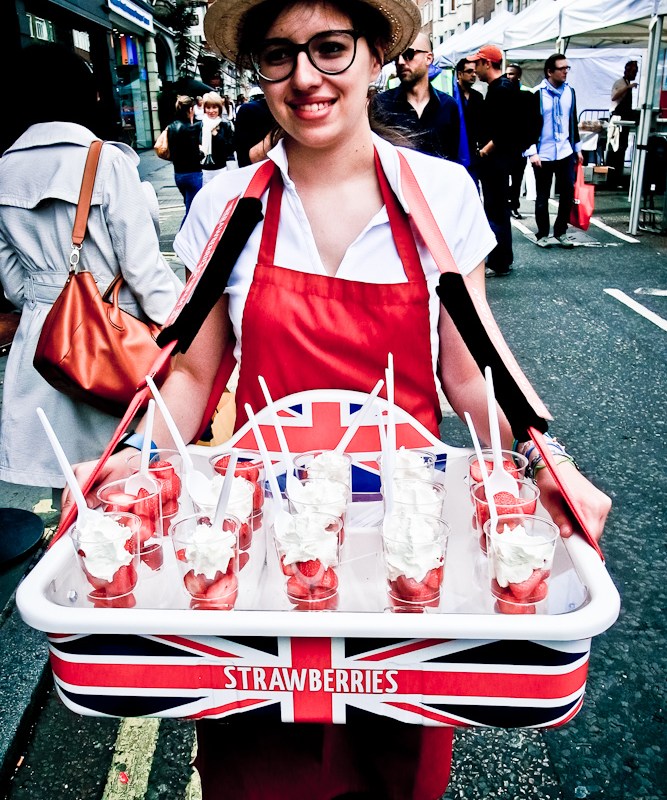
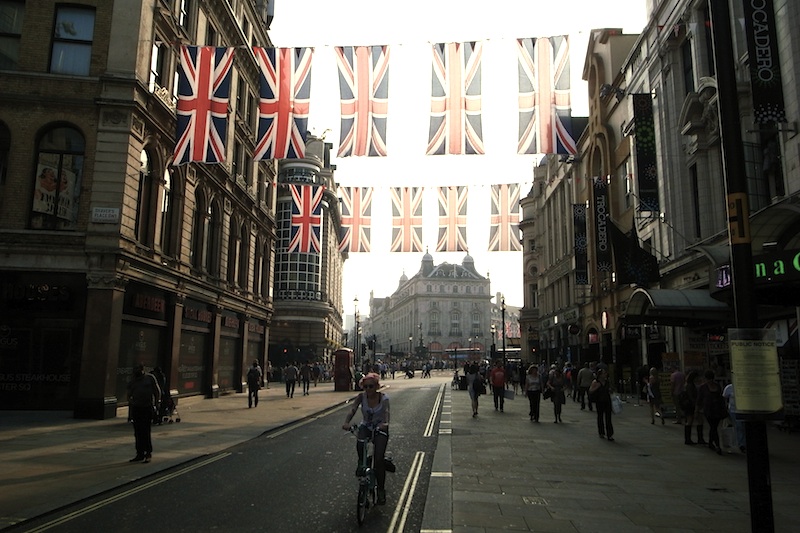
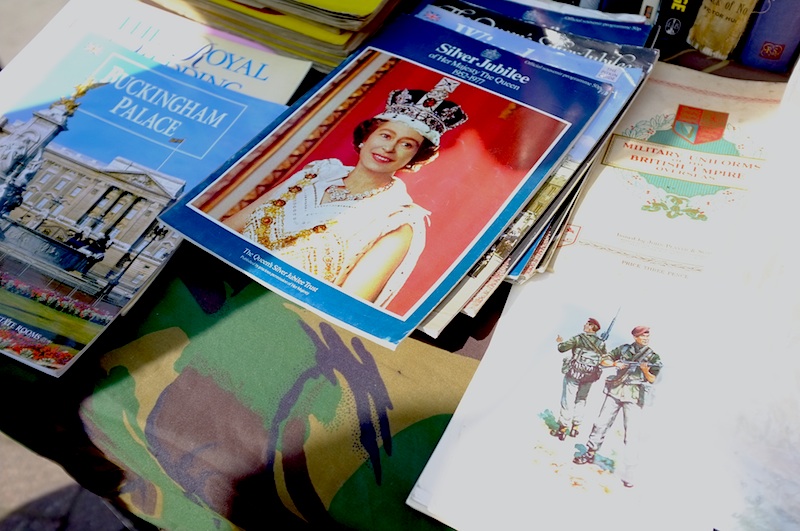
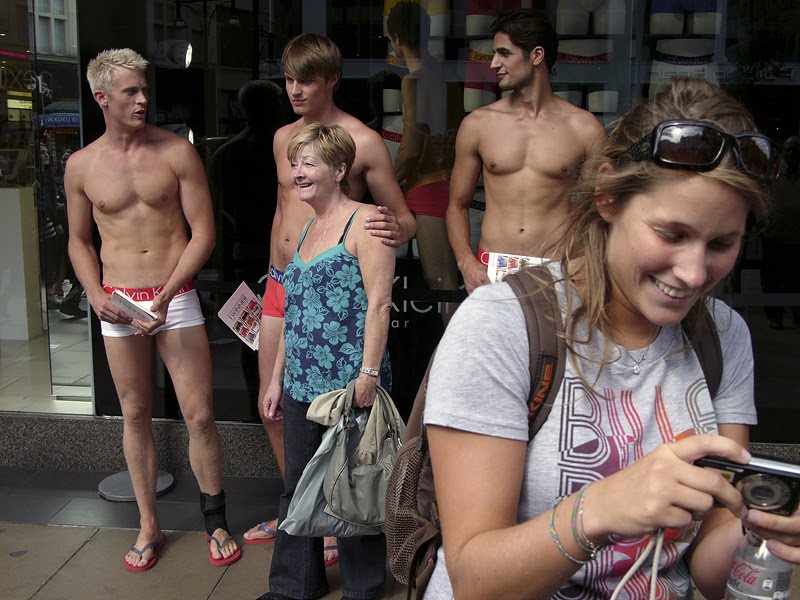
Oxford Street, London 2009
There seems to a revival of street photography in recent months in the international scene, not least with interests generated by the London Photography Festival with its Everybody Street exhibitions in 2011, the discovery of Vivian Maier’s archives and within the Asian context, Invisible Photographer Asia‘s focus on Asian street photographers, which has contributed to this expansion. The growth in interest, in my opinion, is also directly related to the availability of the compact, quality and responsive digital cameras like the Olympus E-Pens, Lumix’s and the like, and the growth in popularity and portability of quality of smartphones like the iPhone. Photography in the street and urban environment, after all isn’t new. Even before HCB (who, actually is more a photojournalist, in my opinion), and Meyerowitz, and Moriyama, there was Frank, Winogrand, Doisneau and Brassai, and even before that, there was Kertesz & Atget, whom I personally think were the greatest street photographers of all time. Why? Because they challenged the established mainstream critics of their time of what photography can and must be. They had a mission to document the cities they lived in and became influential to many later Masters, including HCB.
But, today, photographing in the street is becoming derivative, and too regimented in the definition. It is trying to become adopted as art, as in other genres, and there is where the problem lie. Street photography, by its very definition has no limitations and no boundaries of definition. It invariably crosses over to other genres like travel, documentary, and photojournalism. Trying to pigeon-hole a ‘way of seeing’ street life, with its many dimensions, actions, activities, and the fluid nature of human and social interactions is restricting. I prefer to give it the widest definition possible. I see many trying to define what street photography is. It is clear that the definition did not ‘pre-exist’ the artform. Questions on whether it should include animals, posed subjects, absence of people etc are all distractions. The early Masters did not define the style, they just got out their cameras and started photographing everything in the street that surrounded them, trying to find stories of human interest and documenting their neighbourhood and the activities which go on. They weren’t too interested in juxtapositions, layering techniques or frame within frames. They were, however, interested in the casual or spontaneous aspects of street life, and had awesome understanding of the ‘public space’ and human condition, in all aspects. They were also interested in the people they were photographing.
Many today are shooting without an aim. This is where a medium to long term project will greatly help you focus. You’ll want map out a ‘purpose’ for your images : a ‘mini’ theme perhaps, a story, a personal vision, that gives you the authority to go and shoot. Do not try to emulate other photographers and recreate images you have in your mind. Use them as guide posts to spring into a new experience.
That is not to say don’t go out and shoot casually, just to hone your visual skills. Actually, photographing in your local high street first is the best way to overcome ‘camera shyness’. Photographers tend to hide behind great big bulky SLRs, and that may be why the next best camera for the street photographer is the smartphone. A few years ago, I posted some stuff on the subject, here, I revisit street photography once again, sharing some personal tips below on how to approach this genre with greater confidence.
http://explorenation.blogspot.co.uk/2009/07/shooting-street.html
http://explorenation.blogspot.co.uk/2009/07/shooting-street-ii.html
http://explorenation.blogspot.co.uk/2009/09/head-out-onto-streets.html
http://explorenation.blogspot.co.uk/2009/10/head-out-onto-streets-part-2.html
51.462645
-0.200241










 explorenation.net ~ photography posts, workshops, writings and thoughts by Steven V-L Lee
You must be logged in to post a comment.