The Last Post, 2016

Hopefully, the last day of the year ends on a high note for you, as it surely does for me. In 27 December 2015 I posted the following :

Sign Posts

To all my friends in photography and the creative industry.What does photography mean to you?

I am starting a response thread on Facebook here with the above question, to which I am posing to all my photographer friends, contacts and acquaintances and those that are involved in the imaging, curatorial and journalism disciplines. We now begin a new year soon, and the flood of images that are being shared on social media and the rest of the internet, no less, in printed publications, television and commercials continue to saturate our collective minds on a daily basis.
Comments and posts below, please!

The post has now ended after a full year and has solicited a few comments from my photographer friends, some short and some lengthy, and I really appreciate them all. I reproduce their comments below and thank you all for your messages and support. I hope photography will continue to inspire everyone in all ways – remember that photography doesn’t belong to anyone, any group or organisation, any festival, publication or agency – it belongs to you alone – and how you see the world around you. Whether you are a seasoned artist or a beginner – no one can take away the thrill of photographing from you.

Please feel free to send me your messages.

Looking forward to a bright and happy 2017 !


“Photography means everything. I love it . I make it. I teach it. I see the world because of it. It represents, responds to, translates, expresses, frames, excludes, exaggerates, reduces, witnesses, captures, documents, archives, celebrates, criticizes and forms the world as we know and experience it. It is alchemical and magical, precise and abstract, technical and experimental, theoretical, conceptual and formal. It can be surreal and real. It inspires writing – from Sontag to Berger to Barthes. It holds memories and death and life and the past. It is alive.” – Elin Slavick

elinslavick

Cyanotype of A-Bombed teacup fused to a plate and a bottle


“Photography is a method, tool, procedure, ticket, window of my purpose.

Sometime, I feel the purpose is growing and coming up to more concrete shape through photographing. And finding something new relationships of the people and communications with my surroundings. It is a discovery and achievement to take a photograph.

Still, I have not reached to a compilation of work yet. So that it is fun to take pictures and at the same time it is fatigue though. – Minoru Hotsuki

minoruhotsuki

Tin plate & Fork -superimposing of time and space


“To me photography is just a component in visual art that can stand alone… something like saxophone in music… but it is not so huge to define what visual art is…

[What is it about photography that makes you tick] the illusion of what reality and truth is… and how people treat it as a “Documenting Reality” medium…

I think in photography, I’m those kind who collect items/ events through shooting a photo… I have a fetish of going through a series of images that look similar… eg Ho Fan Chon’s yellow to red series… Fish Encyclopaedia, books on buildings, beer encyclopaedia… as long as anything keeps repeating in a pattern that would attract me… don’t ask me why… I am still trying to figure it out. “- William Sim (aka Ikan Bilis)


“Photography captures a temporary moment and transforms it to time immemorial into a permanent timeline.” – Helen Oon


“My take on photography is often embroiled in how I perceive myself (in relation to photography). While I can’t say that I am a full – fledged photographer, I enjoy capturing images that might look as if it was a frame from a motion picture, or an image that gets people talking because they could relate to it or because they are simply intrigued by it. That said, I enjoy capturing street and landscape photography – the former tells a story of life in motion, while the latter tells a story that there is life in stillness. As a consumer of images – I enjoy the perspective of other photographers in these genres as they often reveal a refreshing take on something that we are used to seeing day in and day out. It’s having the privilege of a different set of eyes to see the world we all live in. It is all about building connections between each other in a world full of strangers.

Aside, I would like to highlight on nature and wildlife photography. As an environmentalist myself, I see such photos as important reminders that we are living in times when our lifestyle is very destructive to the environment, where the balance between development and nature is often undermined. Having just watched Racing Extinction, I realised that the typically aesthetic photos of wildlife can be more far- reaching than just being on glossy magazine spreads. In fact, it is amazing to see what doors (and minds) would open when a photo with a message is seen at the right place at the right time. If there is such thing as the ultimate achievement of a photo (or a series of it), it would be one that has the impact to trigger a change for the better.

Of course, not all photos has to achieve such grandiose purpose to justify itself. Each photo taken in its own right is a moment captured in this fleeting world where change is the only constant. A photograph in our hands is an evidence showing that we have lived then, and will live further on – even when we are long gone. I’ll end with this quote by Mickey Burrow:

“Photography is not selfish. Although it captures the moment, it doesn’t keep it. Photography gives back to the viewer the fraction of time which it once captured. Making it generous for years and even generations to come.” – Evelyn Teh


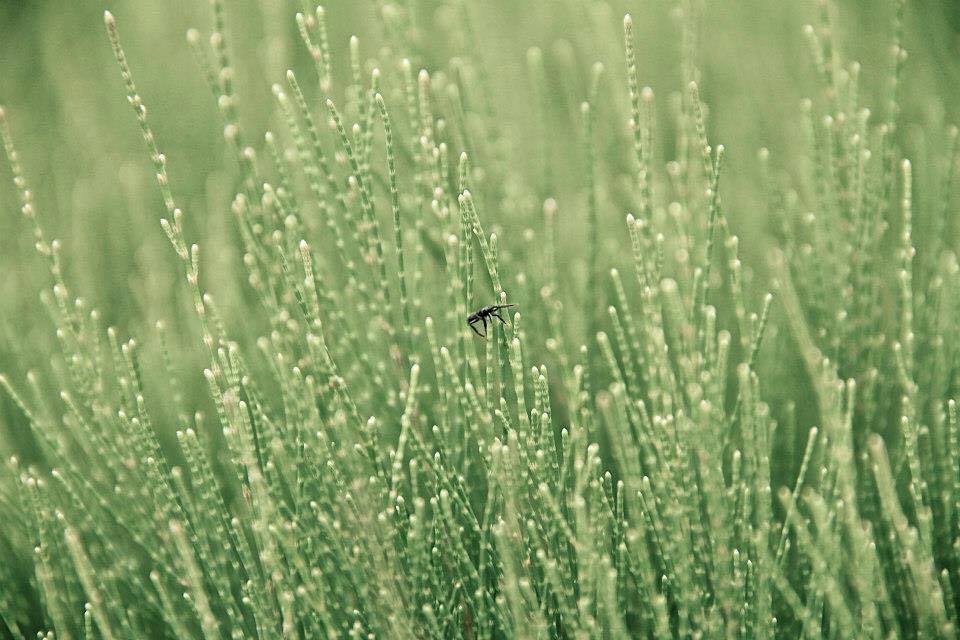
“A love hate relationship – a relationship that can never be understood except through time. It never reveals its nature unless you seek what it is you’re seeking. More often or not, it stands as psychological statements on the matter you’re at. And it’s liberating when you acknowledge its presence.” – Siong Chung Hwa
siongch


” I love photography for its human lens on the world, what it expresses about each of us taking these brief moments in a timeline which never pauses, from a perspective infinitely individual. I just love looking at things myself, and I love to also see how others look at things.” – Pey Pey Oh


“Photography has taught me how to see. How to pay attention to details and be more aware of my surroundings. To me photography is like painting. We manipulate the light to get the final photo that we want. The context of a photograph, itself is another argument which I think will be another debacle on its own.” – George Wong
georgewong


“The photograph sometimes has the fortune of inviting that which escapes us.” – Geraldine Kang

geraldinekang


“Photography is god’s gift to bad writers.” – Kevin WY Lee


I’d take the liberty to write something about “good photography” instead of “photography”, and I can only express my personal views, in sum: it goes beyond the borders of languages and grammar and yet has its “vocabulary”; it poses questions rather than gives ONE answer and causes an emotion &/or triggers a thought, in other words, it goes from being visual and tangible to being intangible yet important; and,
it is delivered with a skilled utilisation/application of light (“Photography” in Greek means drawing with light). – Kristin Man


“Photography started out as an excuse for me to go out and getting away from my family and still is one of my favourite excuse to stay late while hanging out with my friends. Over the years, this excuse turn into a routine that has became part of my life where the act of capturing a ‘great’ photograph become more as an act of preserving thoughts and memory.

Few years ago, the world seems big with Photography but now my work has become much narrow in perspective and I am slowly turning into a selfish photographer that is only concerned with my own fetish of my surroundings. Certainly, I consider myself as a good photographer, just not a great one.” – Kelvin Ah Kian


I know it’s a little bit late but this is what I found from my first photo-book release.

The adrenaline seeing the final image in a piece of paper always give me the satisfaction until now. Second is when holding a TLR and looking at the view finder from top.. Loading and unwind film.. Taking a deep breath and press the shutter and celebrating the sound of capture. – Flanegan Bainon

flaneganb


Passion, a flow of concentration of mind and mainly of emotions, not necessarily with the desire to change things, but to resonate to the outside and the inside. Capturing a fleeting, yet essential moment. To me the excitement is in being able to touch upon something that is meaningful and important in a visually exciting way, which guides to somewhere beyond, which does not even meet the eye.

I am grateful to photography as it has become probably the best part of me.
Your question on our most significant photographs had several parts, please allow me to give an answer from two different aspects.

The first really significant photo from me is the one I took via the broken window of a bedroom of an orphaned house in my home town in rural Hungary. The moment I saw the photo I knew for the first time in my life that it was art. I had my ultimate reward. I was fifty and that picture made me as a photographer. I called it later Homage to Van Gogh. ( http://www.schildtamas.eu/index.php/portfolio/exhibitions/ )

A few years later I went back to visit someone I had known since my childhood, but was afraid to visit for the last thirty years. She was my sister’s class mate, the beauty of our village when we were young. She became a pharmacist and married a young lawyer. The husband’s best friend, a gynaecologist, was their best man and also in charge of the birth of their baby. There’s always a first time and complications and medical errors ensued. The baby stayed alive but she could not have more babies. When I saw them last, the beautiful little boy was two. It was clear that the boy would not ever learn to speak, walk or even use his hands. Movements and sounds uncontrollable. Her husband had divorced her by then.

She has been raising her son on her own ever since. He was thirty three when I went to see them again and her hair was grey. We talked and talked and at some point I told her that I would like to pay tribute to her and her son with a photograph. She kindly agreed to. That became my „Everyday Pieta”

(http://www.schildtamas.eu/index…/portfolio/everyday-pieta/ ) – Tamas Schild


Like any other form of visual art, photography is a medium of expression. But unlike other forms of visual art, photography captures a moment in time, in its purest form, and retains it in perpetuity. One might still change the superficial character of a photograph – tone, light, exposure – but the essence of what that moment represents remains intact. To me, photography remains the most honest form of visual expression. – S Jamal Al-Idrus


For me photography is extremely personal. It pushes me to be curious about the world we live in and therefore, it keeps me moving, to really see, and to question what I see. I am never bored or lonely with my camera in hand.

In a world where too many photographs are produced, shared, and seen, I aim to tell new stories or old stories in new ways. Photography allows me to share how I see the world, the little moments I appreciate that others would often overlook, and to document my life in a way words cannot.

I hope that through my photography, the viewer travels. – Eileen Cho

eileencho

Merry Crimbo!

Wishing everyone a Happy and Peaceful Christmas.

With a little over a week till Christmas, and soon 2016 comes to an end,  I look forward to another awesome year ahead to new projects, new friends and more personal photography projects.
Coming straight up, in February – KLPA2017 will be launched with a brand new and exciting theme. In May, we will hosting the first ever Photography Symposium Asia in Kuala Lumpur, promising a great line up of presenters and focusing on Education and Opportunities.

2017, also sees the second phase of the Two Mountains Photo Project taking shape. Six photographers from Japan and Malaysia have been commissioned to photograph stories surrounding the mythology, socio dynamics and natural aspects of Mount Fuji and Mount Kinabalu.

KL-Ga was also launched this year and we continue with this photoblog for 2017. We have already seen some great single images and stories about the city, as we take on new photographers.

In the pipeline also  – is a personal project centred around the printed image and more details will follow.

Happy Holidays!

Steven


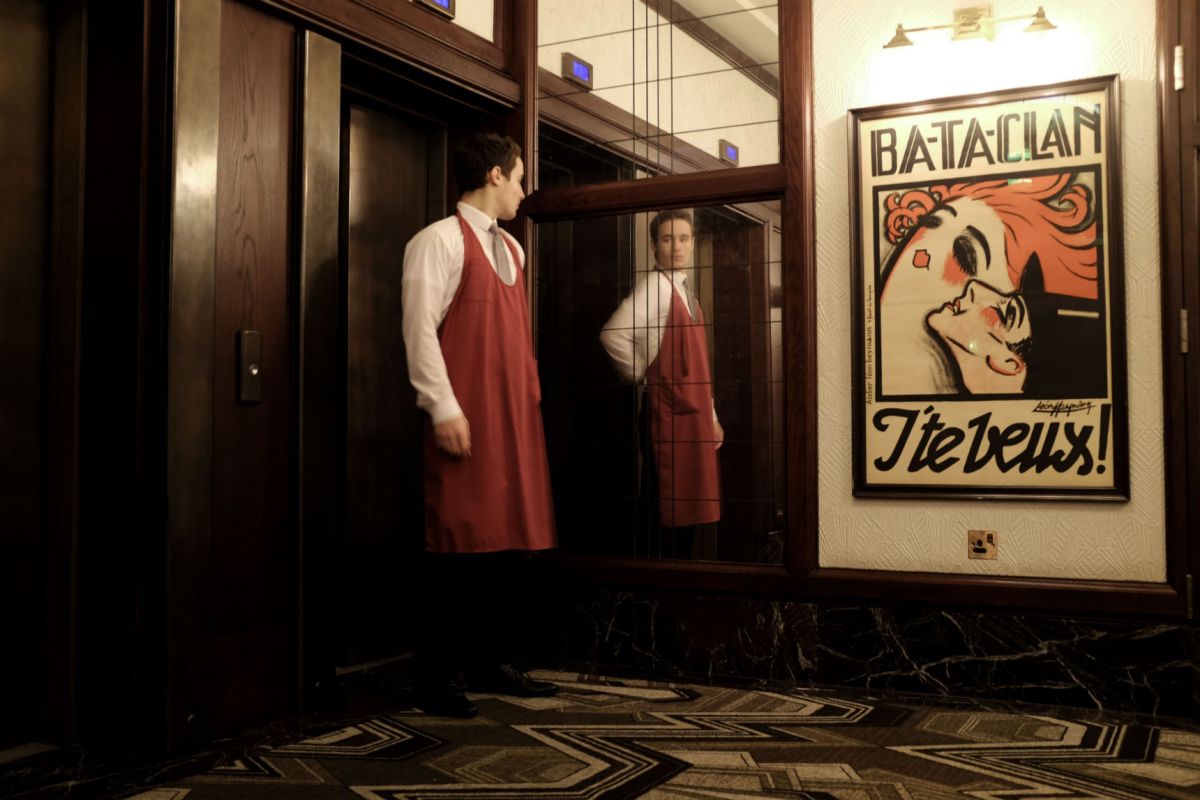
Bataclan remembered

Sting reopened the Bataclan in Paris, last evening, with the words “We will never forget them”.  One year on, the gig venue has been completed renovated, after 90 people were massacred by terrorists on 13 November 2015, along with another 40 people, killed in three other sites that evening. Coincidentally, today also is Remembrance Sunday, when Britain pays respect to the war dead from WW1 and also subsequent world conflicts.

I wasn’t in Paris, but noticed this poster in the amazing art-deco interior of Brasserie Zedel, a lower ground French restaurant and bar constructed in the Grand Cafe style in London’s West End.

“eleventh hour of the eleventh day of the eleventh month”


l1000490-2

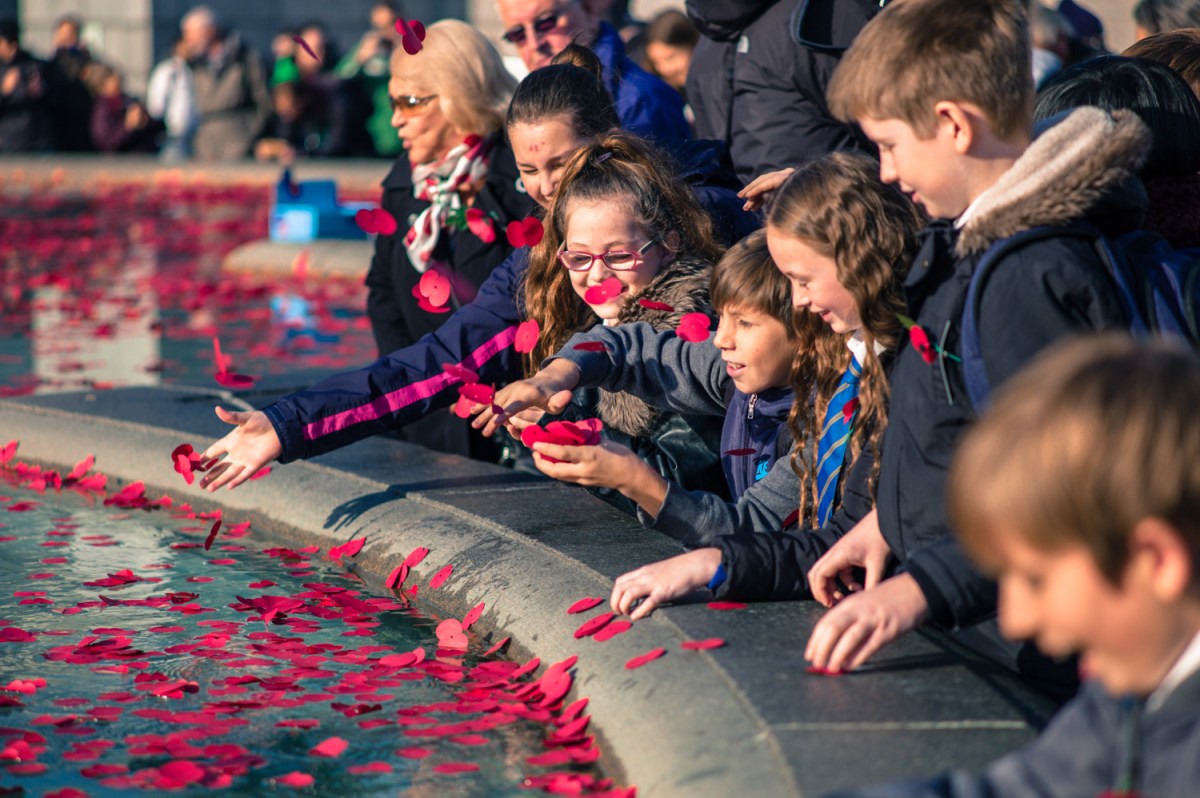
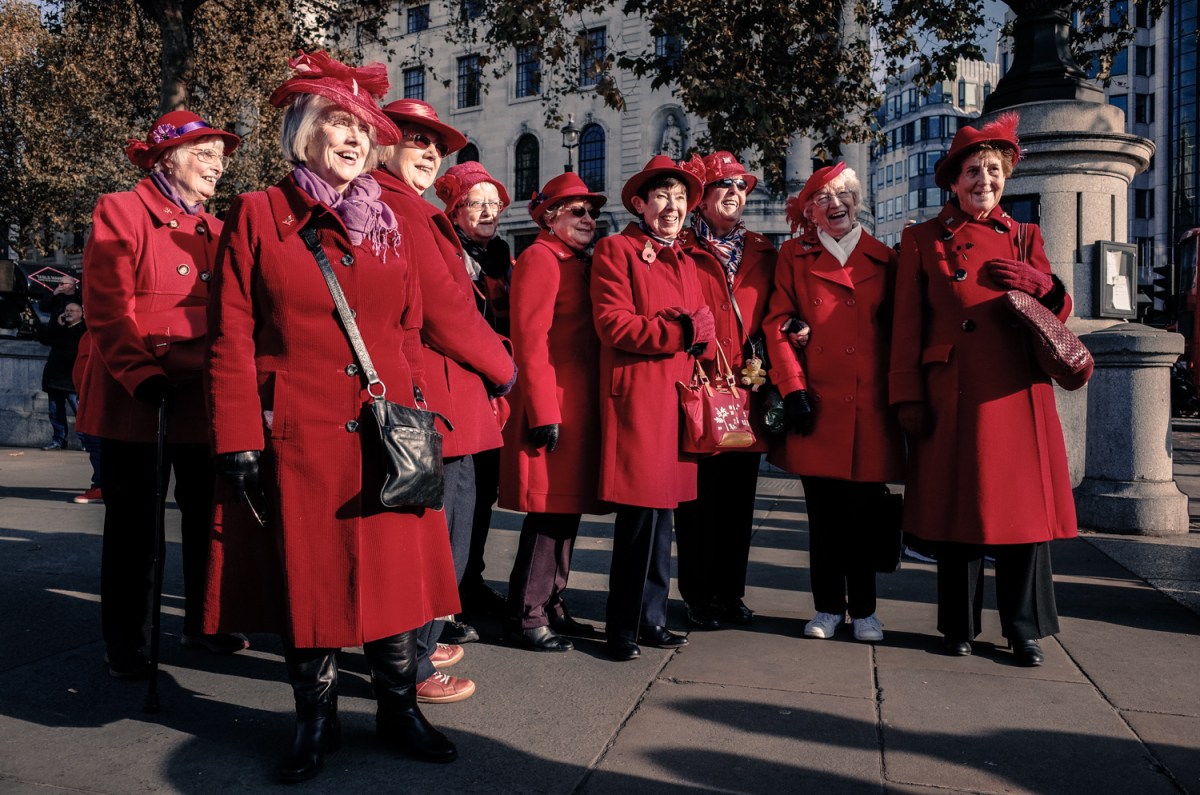
As the Last Post ended, thousands of people standing in Trafalgar Square fell silent for 2 minutes at exactly 11am as they observed Armistice Day, commemorating the cessation of hostilities between the Allied Forces and Germany in World War 1, at 11am, 11th of November, 1918.

I could hear Big Ben ringing in the distance. Even the traffic around this monument halted. The red London buses paused alongside, their passengers peering out to see what’s going on. The traffic lights alternated between poppy red, amber and green several cycles but weren’t directing traffic.

A surreal moment in what is one of London’s busiest tourist spots.

The famous fountains weren’t spouting this morning either, but became a translucent resting mantle for thousands of red poppy petals, thrown or scattered gently by the guests, school children and amazed tourists alike.

l1000505-2


l1000518-2

_r008260


Birds of a feather

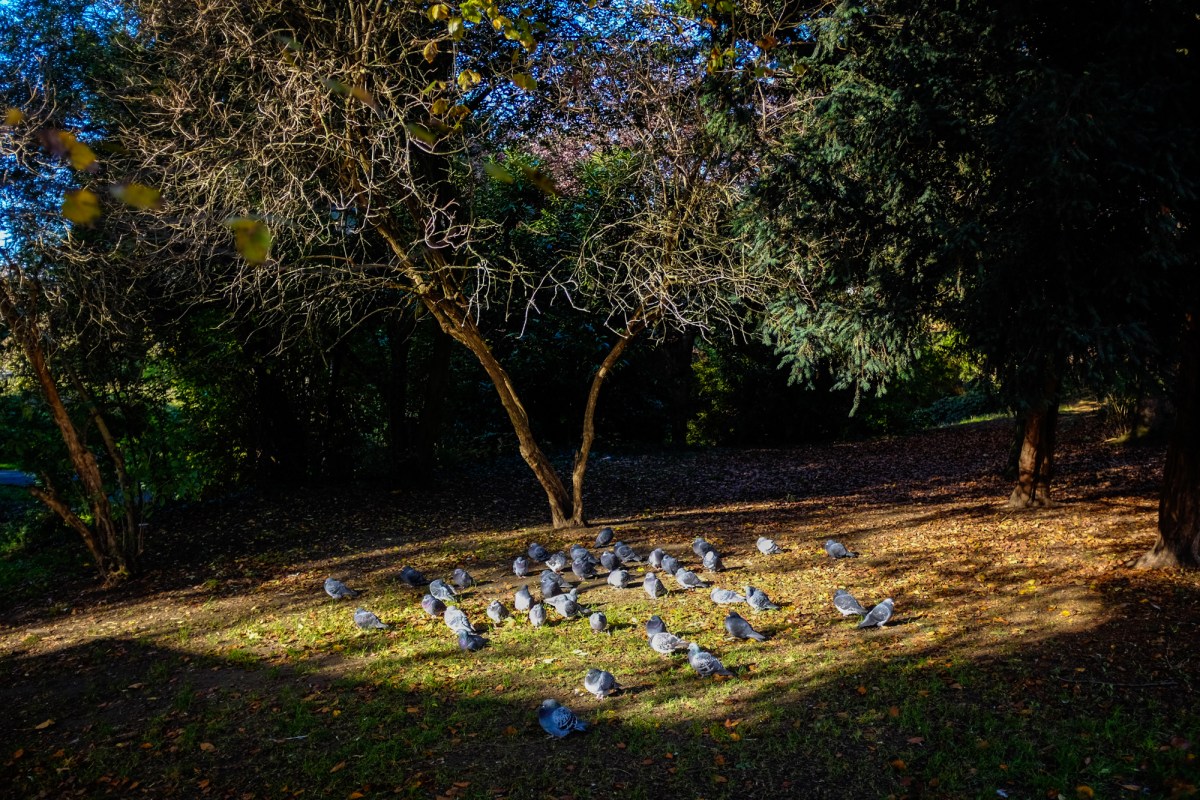
Today, we had the first frost in London, and the winter sun gives what little warmth to a flock of pigeons. The USA votes it’s 58th President today and the whole world is awaiting the results with bated breath.

Gallery

“We can’t live without forests.” Featured artist – Mitsu Maeda

With the recent announcement of the new Baleh mega-dam project in Sarawak, following the Murum project which was commissioned in 2015; combined with the severe deforestation of primary rainforests in this naturally endowed state in East Malaysia, the plight of the nomadic communities of the Penan people have been dealt another blow.

The Penan of northern Borneo are primarily ‘hunter-gatherers’ or nomadic indigenous peoples. In Sarawak, the Penan plight was highlighted by international media attention by their 1960s resistance to the Baram dam clearing. Dam projects and deforestation go hand in hand, and these nomadic people were promised resettlement and land, which to most, were alien to their lifestyle and their hunting traditions. Today, only several hundred Penan still continue with their nomadic lifestyles, and resisting further intrusions into their habitat. Their fight against conglomerates and big, well-connected  business entities are all but futile.

I discovered that Mitsu Maeda, a freelance commercial photographer from Japan, whom I met at Mt.Rokko International Photo Festival in 2014, had traveled into the interior of Sarawak in 2010 and lived amongst the Ba’Marong community, to document their lifestyle. Her project titled “Forced Changes : The Penan and Life in the Rainforest” was published in 2011 by Days Japan magazine. This photo series gives us a glimpse of their nomadic lifestyle, which is fast disappearing and serves as a reminder about the complexities of developmental changes and the importance in maintaining the balance between man and its environment.

I recently asked Mitsu Maeda why she became interested in such a project, and how she managed to travel into the interior to engaged with this community.

In 2010, she became aware of the Penan due to the large scale logging of the forests, where a lot of hardwood timber were being exported to Japan for their construction industry and also paper products.  The nomadic communities were affected most as the deforestation displaced them from their already scarce resource of hunting for food, and habitable land.

“I got interested in their lives in the rainforest itself and also felt that I wanted to cover it as Japan has been one of the largest consumers of wood, paper from acacia plantations, and palm oil from Sarawak. So (indirectly) we were destroying their lives without really noticing it”.

“Vast forests have been logged and become palm or acacia plantations. Palm oil is often promoted as “environmentally friendly”, and acacia is consumed as cheap paper in offices in Japan. But large amounts of pesticides are used in these plantations and it pollutes the rivers which nearby residents use. Now many residents are suffering from skin diseases.”

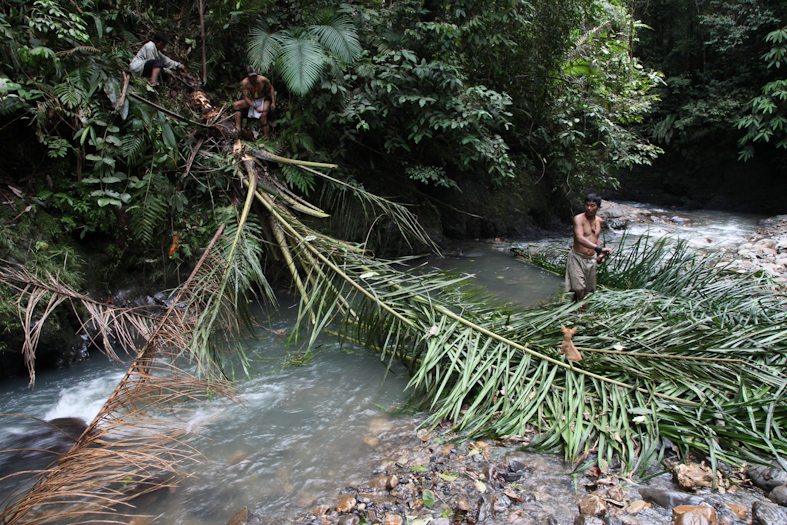
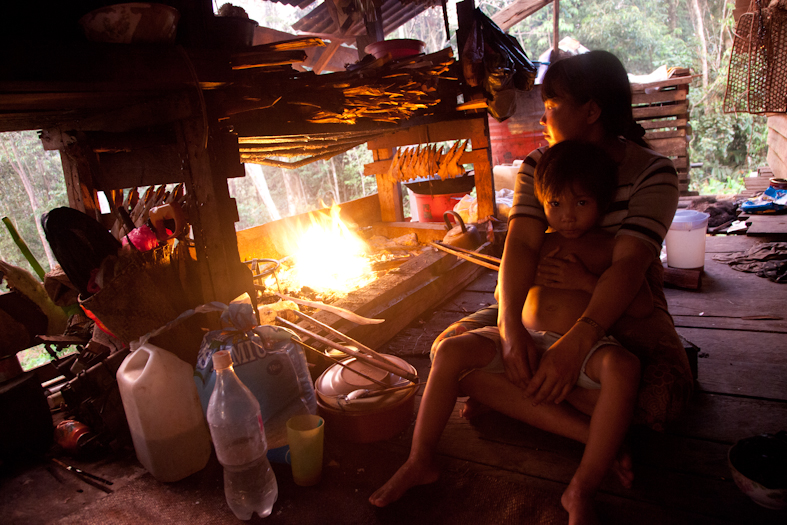
She arrived in Miri and met with several settled communities before heading into the interior to visit the nomadic Ba’Marong for about a week, living, eating, hunting and sharing their stories. This community of nomads was made up of 8 families and totaled 20 persons.

“I contacted Friends of The Earth which is an NGO helping Penan people in Sarawak. They arranged my trip.”

img_6606

Sagun, the leader of Ba’Marong.

img_6580

img_6340

Listening to the sounds of the forest on their way hunting.

img_6376

img_6381

Mitsu Maeda followed some men on a hunt for monkeys and even sampled some of its meat.

img_6390

img_6219

img_5990
Cutting down a sago tree

img_6085

Processing tapioca from the sago tree. They take fibre from the tree, soak them in water, filter, and dry. The process takes almost a day. Tapioca is their main source of carbohydrate since the community does not cultivate rice or wheat.

“I liked the Ba’Marong people a lot. I felt like they really know what they need. And the girl, Sagun’s daughter, she was running around naked but on the day I left she wore a pretty pink one-piece!”

img_5949

img_6552

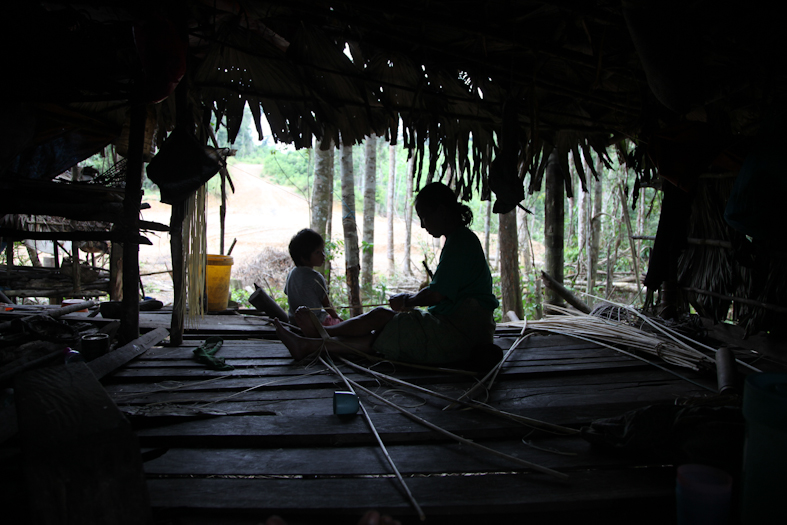
Ranny with her grandmother.  Older generations prefer to stay in a “hat house” while younger generations live in a house with walls. The grandmother is making rattan products.

img_5705

Bathing and washing clothes in the river

img_6476
Ranny, daughter of Sagun, the community leader. There are two children in the community but there is no school since the community is nomadic. This is one reason why Sagun is thinking to settle.

“Their life is facing changes and problems. Some of the people in Ba’Marong do not even have Identification Cards or birth certificates which the government is supposed to issue, meaning they are not registered as Malaysians.”

This is why most of the Penans are not able to simply go to the towns to work when there is not enough food to eat in the forest and have to find other ways to take care of their families.

Also, many land disputes are occurring between Penan communities as the forest resources become scarce. Basically, people in a community can only hunt and gather in the forest area which has been decided in community leaders’ meetings in the past. However, as the forest resource become scarce, some communities cannot get enough food and other resources from their area and started to claim other areas. It is ironic that people who did not even have a sense of land ownership now have to fight over it.

“Anwi, the leader of Ba’Marong told me, “I want more people in the world to know what is happening here. Forests for us are like supermarkets for you. Even we settle, we can’t live without forests.” ”

All images © Mitsu Maeda


Mitsu Maeda is a Japanese photographer currently based in Kochi, Japan. Her theme in photography is to capture emotions and senses that she encounters. Ultimately she aims to explore the organic complexities of the individual.

www.mitsumaeda.com

Mt.Rokko International Photo Festival 2016 : Portfolios reviewed.

Jpeg
Let’s begin!

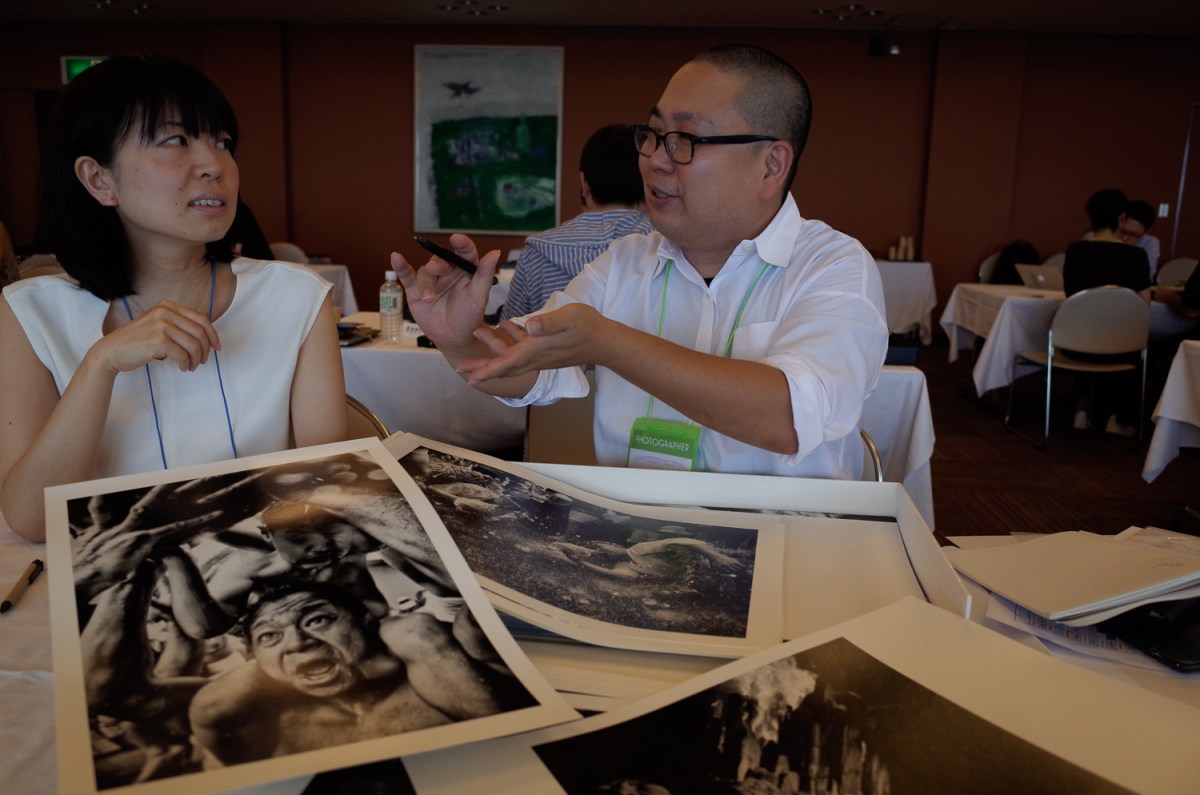
I recently attended the Mt.Rokko International Photo Festival 2016 in Kobe, Japan as reviewer and below are the notable works that I have personally seen over the 3-day event. I have been coming to this festival since 2013, organised by Takeki Sugiyama and his excellent team of volunteers and staff. The festival is centred around the portfolio reviews, of which there are 21 reviewers and 42 photographers. There are also presentations and slideshows from the guest photographers, this year, being Jamey Stillings, Kosuke Okahara and Alejandro Durán.

The overall standard of work is notably higher, since the director implemented a pre-screening and presentation session earlier in the year, to prepare the selected photographers to obtain maximum value in attending the reviews. This is clearly seen, in my experience last week, of being presented with clear and concise statements, quality loose prints in presentation boxes and a few well-edited work. However, as other reviewers also noted, photographers are still presenting too many prints in their series, and in some cases, too many series. Anything more than 20 images for me, would be too many.

_R007766
Kyoko MARUYAMA
_R007771
Kyoko MARUYAMA

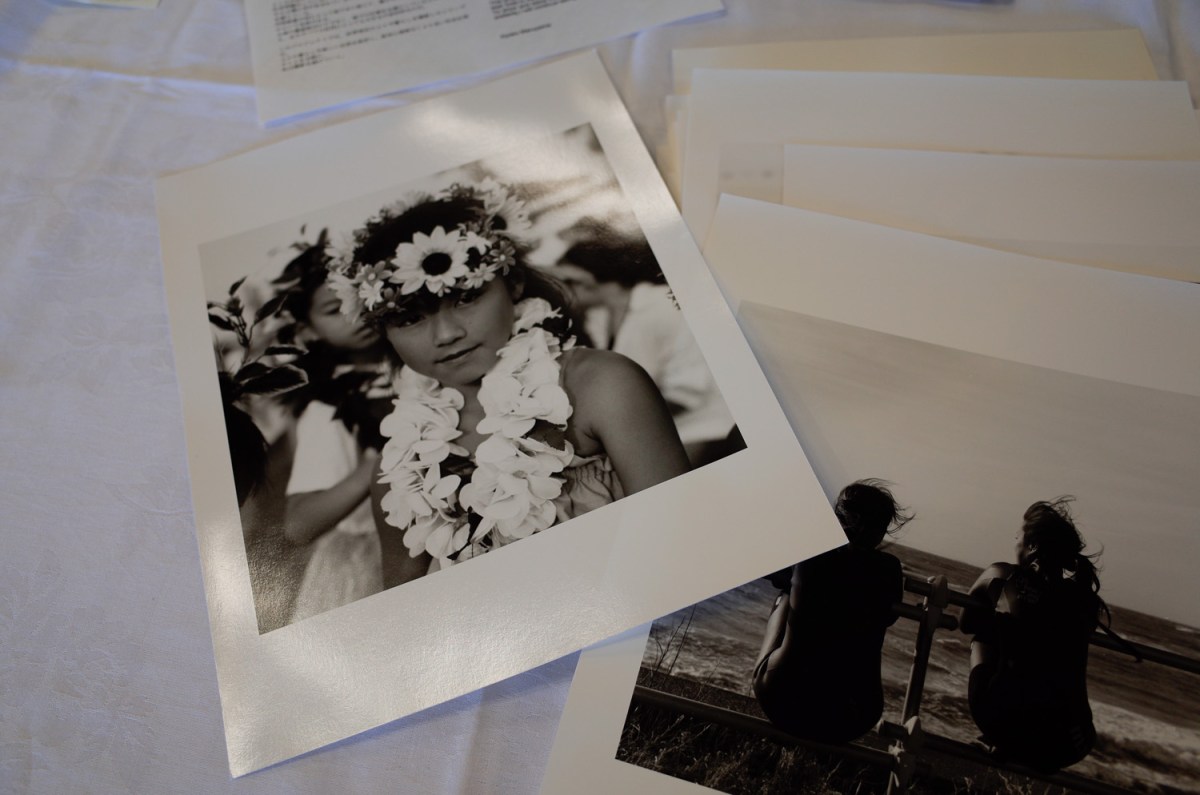
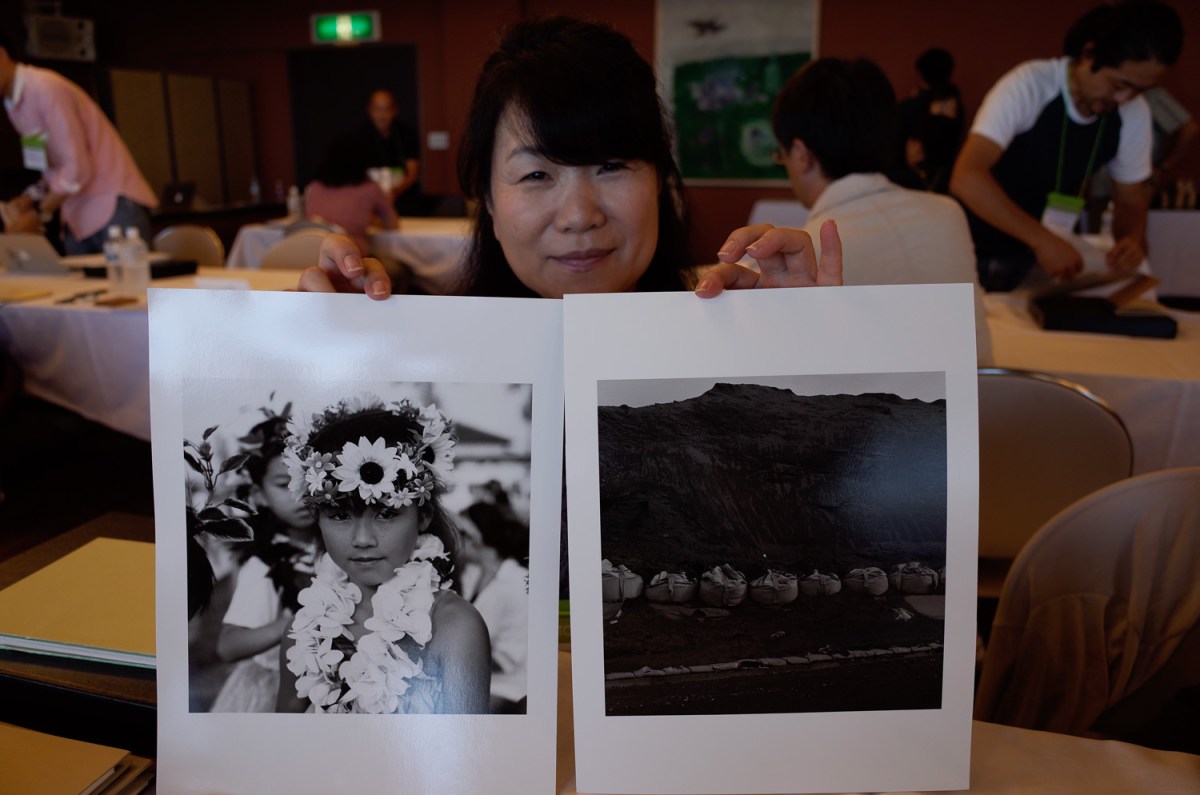
One of the most arresting images I recall were the two silver gelatin photographs (above) from Kyoko Maruyama‘s project Heart Island project -Awa. Although the series is not complete in terms of photography, she had an initial idea to photograph the inhabitants of this district in Chiba – under threat from possible massive contamination  of the land through the underground storage of unknown polluted soil. The story itself warrants documentation over the next years and has potential.

_R007783
Takayuki NARITA

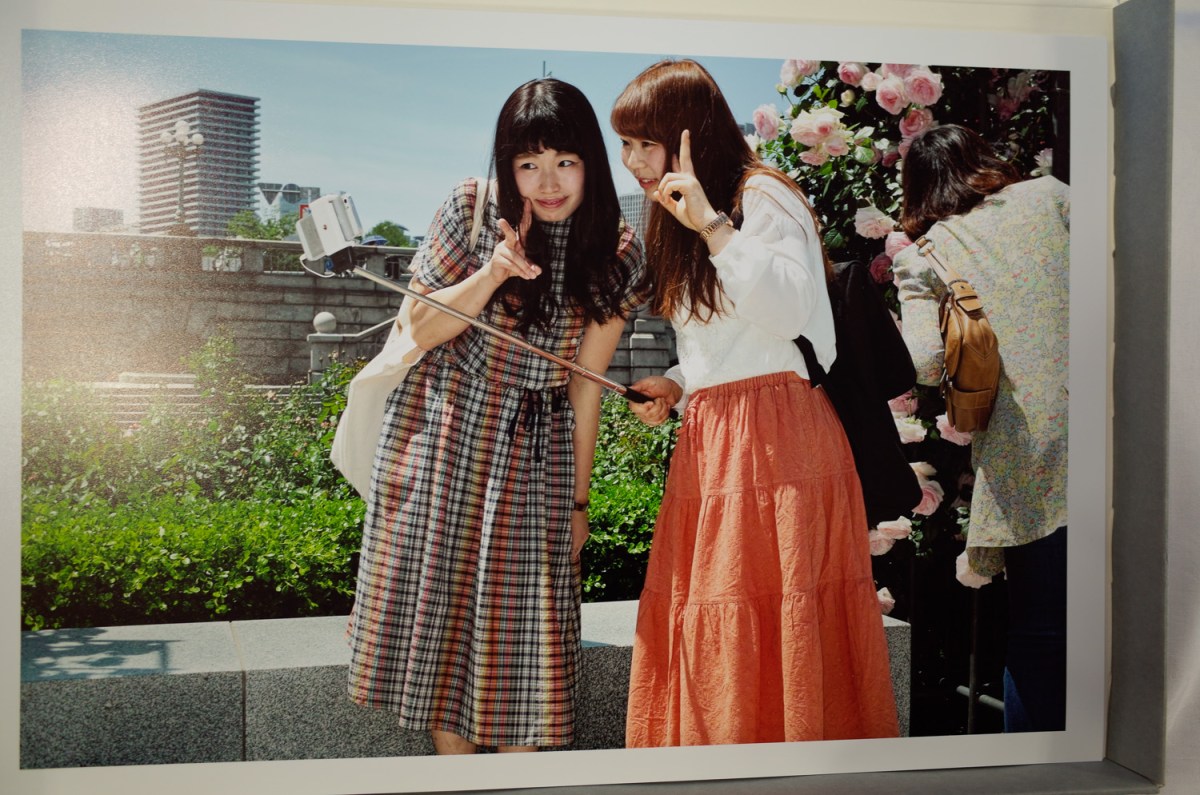
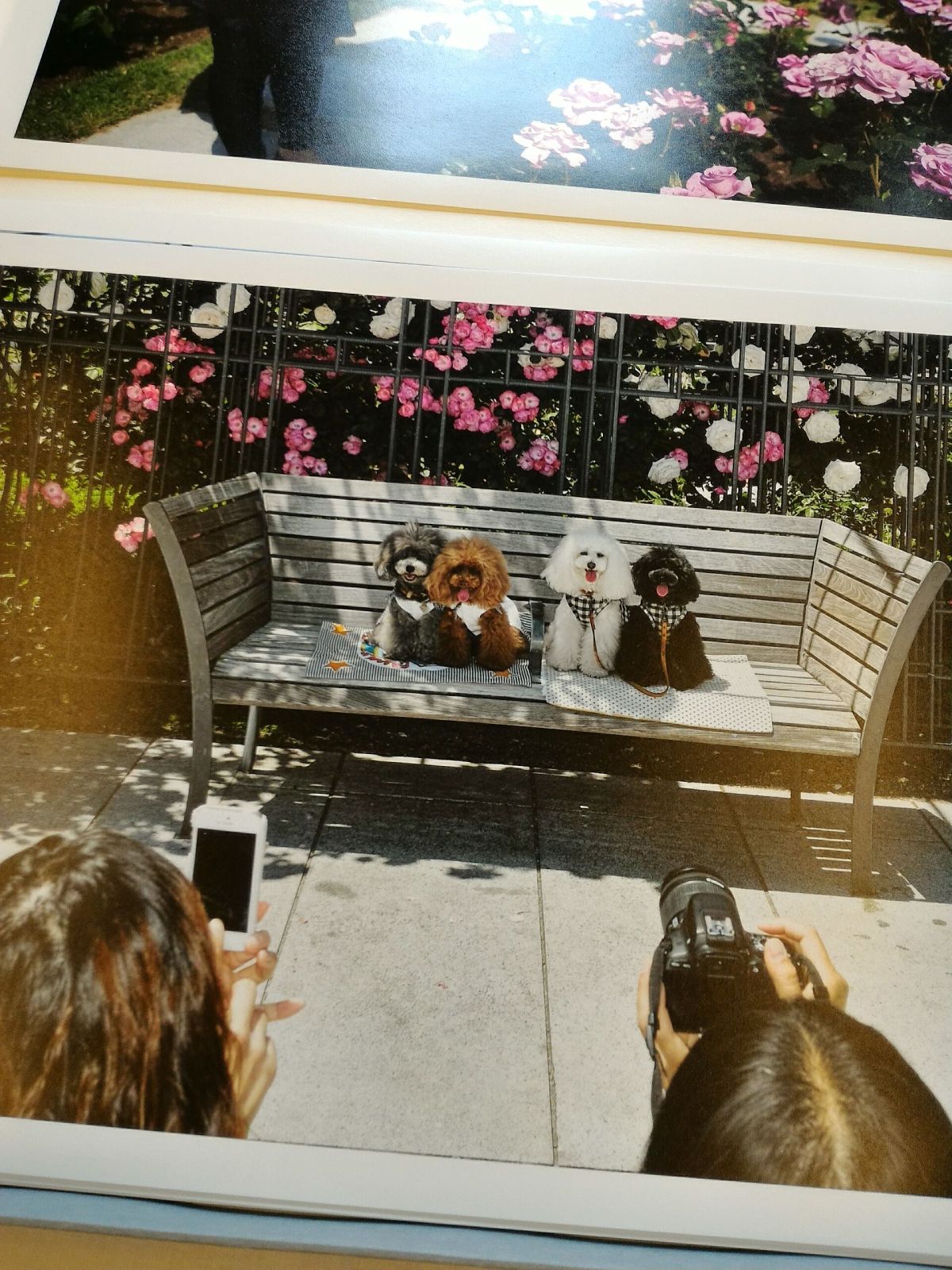
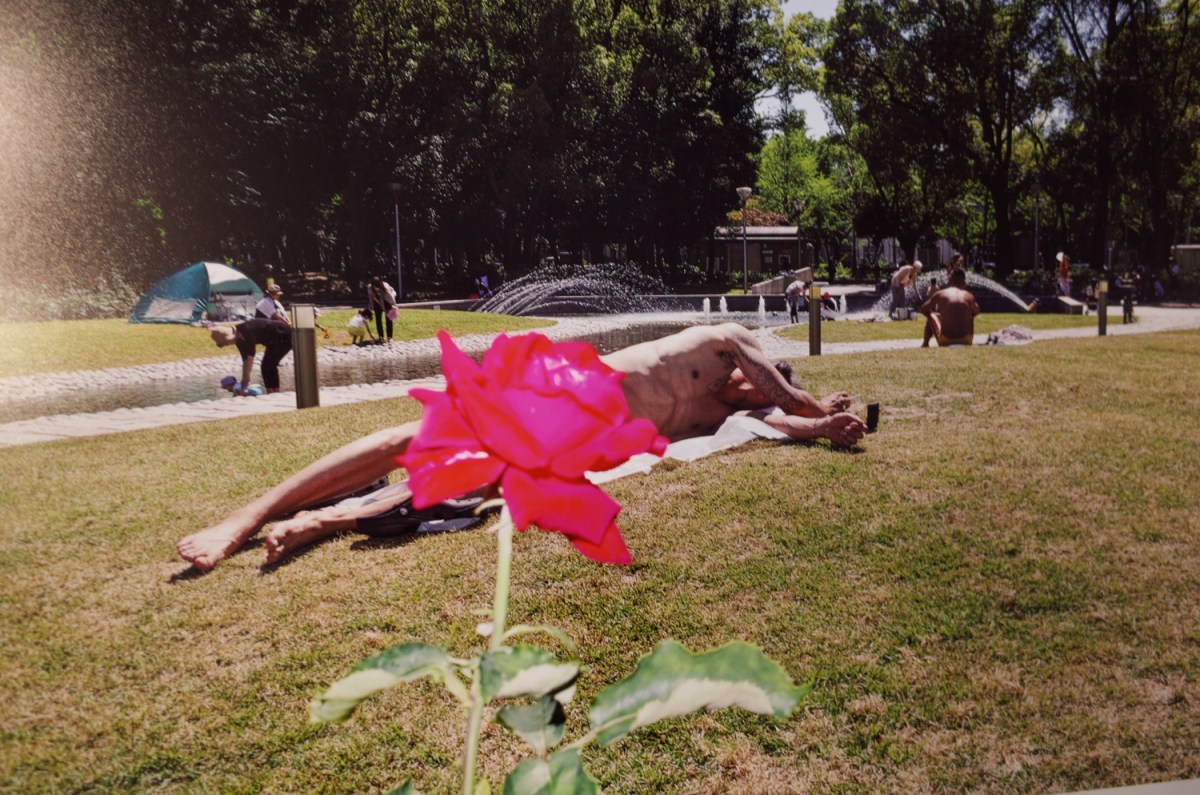
When Takayuki Narita, a young and trendy photographer, with manly long hair and light beard sat down and presented me his statement, titled ROSE GARDEN and printed on paper with light pink roses and pale green leaves, I didn’t know what to think.

Until he showed me his series of garish, over-saturated ‘studies’ of people enjoying themselves in a sunny Osaka park well known for roses – I begin to understand his obsession with the flower. He writes “The modern day flower thieves snatch the images of flowers with the digital cameras, smart phone in forms of megapixels”. As an observer of human behaviour, his carefully composed scenes are humorous as well as reflective of our modern ‘image-sharing’ societies across the world.

Jpeg
Takayuki NARITA
_R007786
Takayuki NARITA
_R007789
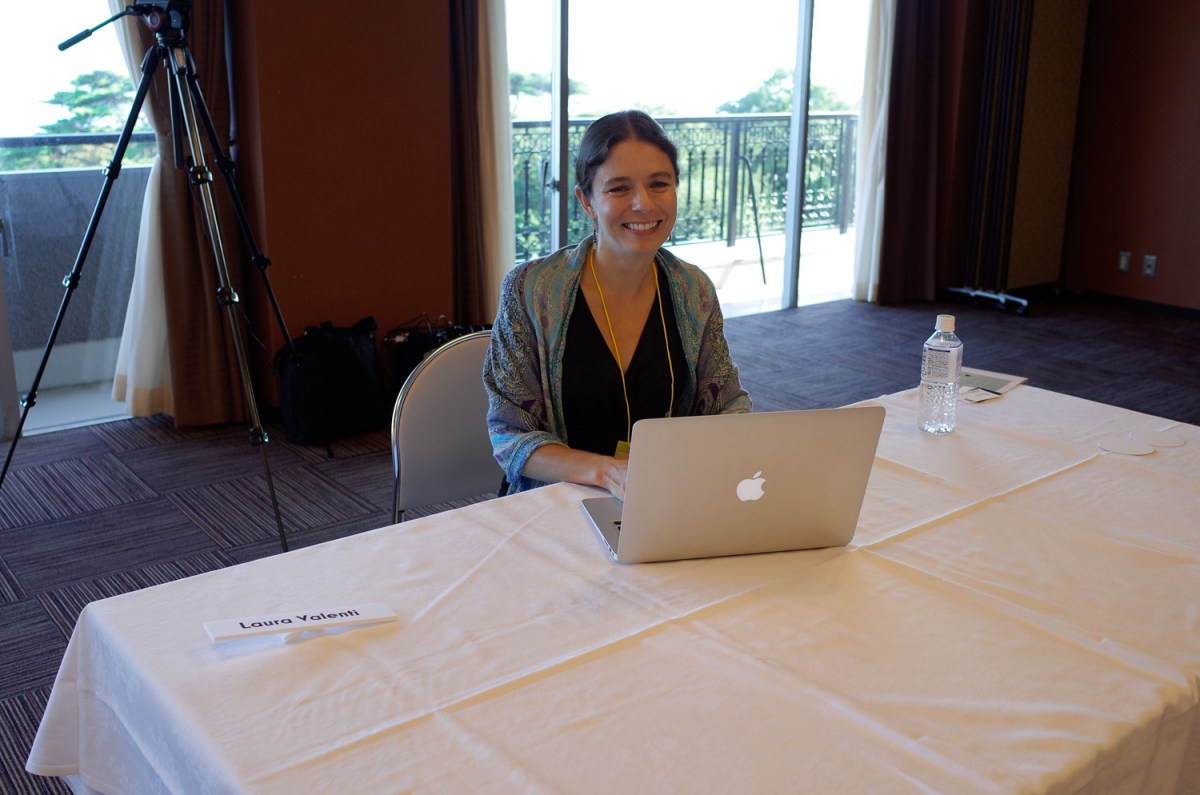
Laura VALENTI (Photo Lucida Critical Mass)
_R007813
Toshiyuki SHIRAI

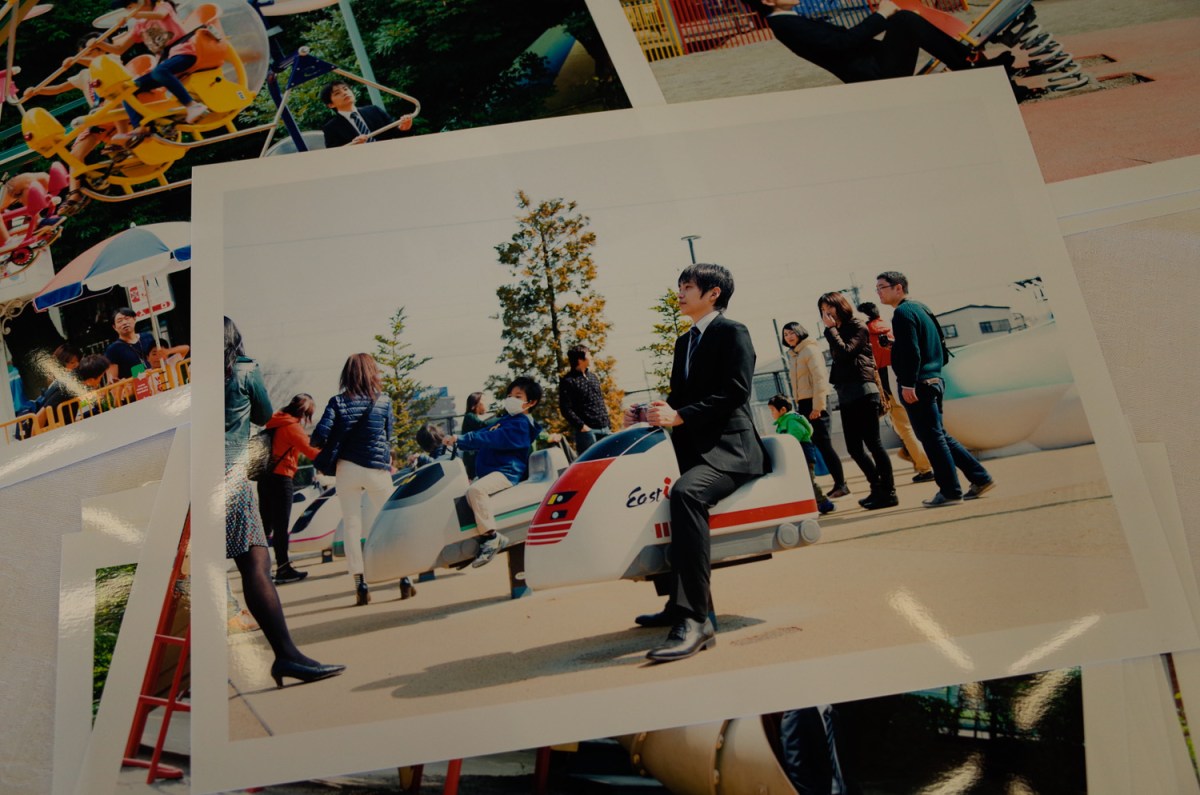
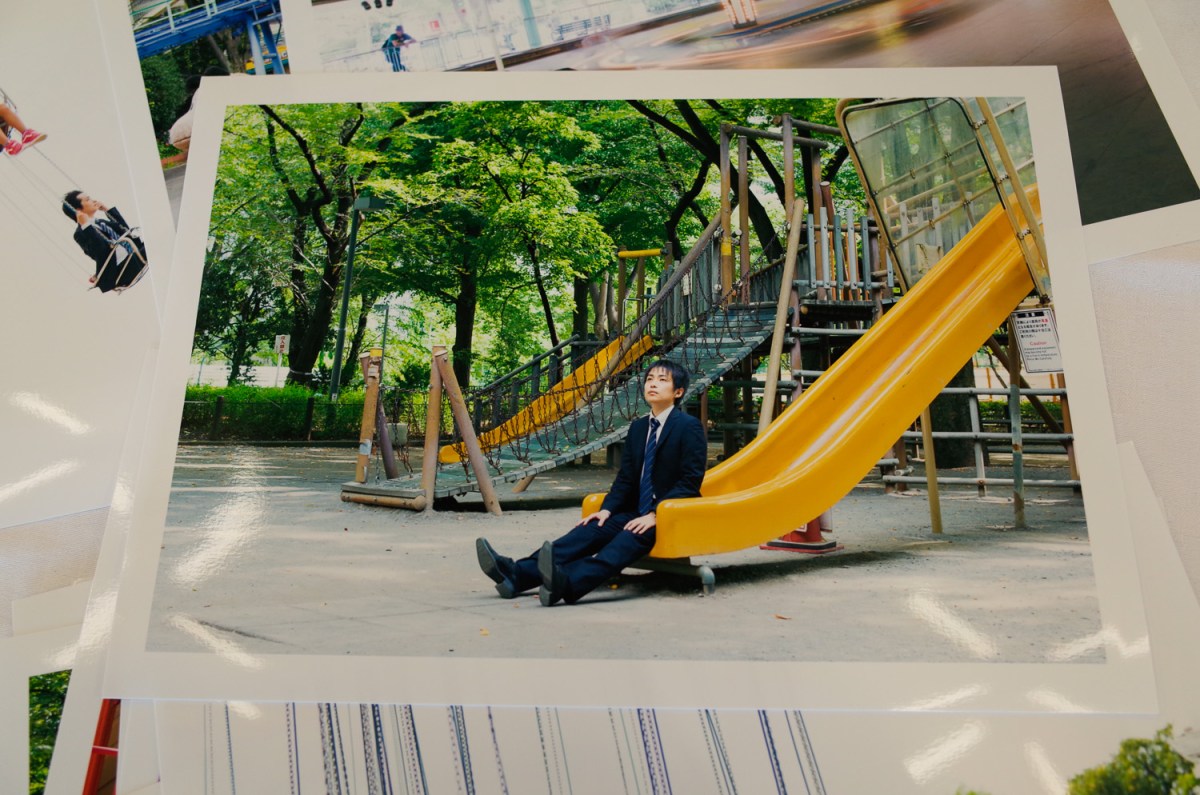
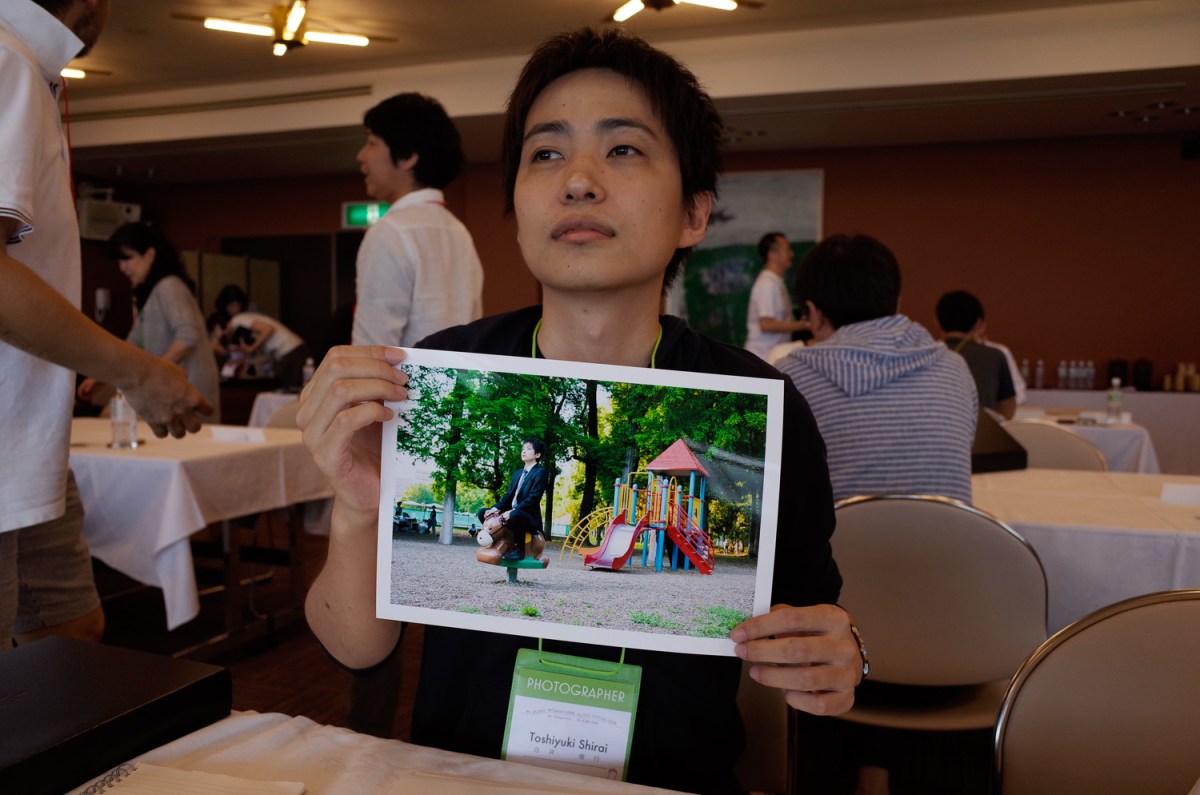
I also reviewed Toshiyuki Shirai‘s [without joy, without happiness] series of self-portraits dressed in what is a typical ‘salaryman’ (business) man suit, posed in expressionless faces in ‘out of context’ situations, eg. playground, swings and slides where children enjoy themselves.  He complains of the ‘mental torture that salarymen endure like “a man digging a hole in the morning, and fill it in the afternoon every day, endlessly”. This creative series can be expanded to include other scenarios – like on a beach, in a kindergarten etc  where the contrast can be extended. I like this kind of photo series – of self -examination and creative portrait photography.

_R007814
Toshiyuki SHIRAI
_R007816
Toshiyuki SHIRAI
_R007819
Noriko TAKASUGI

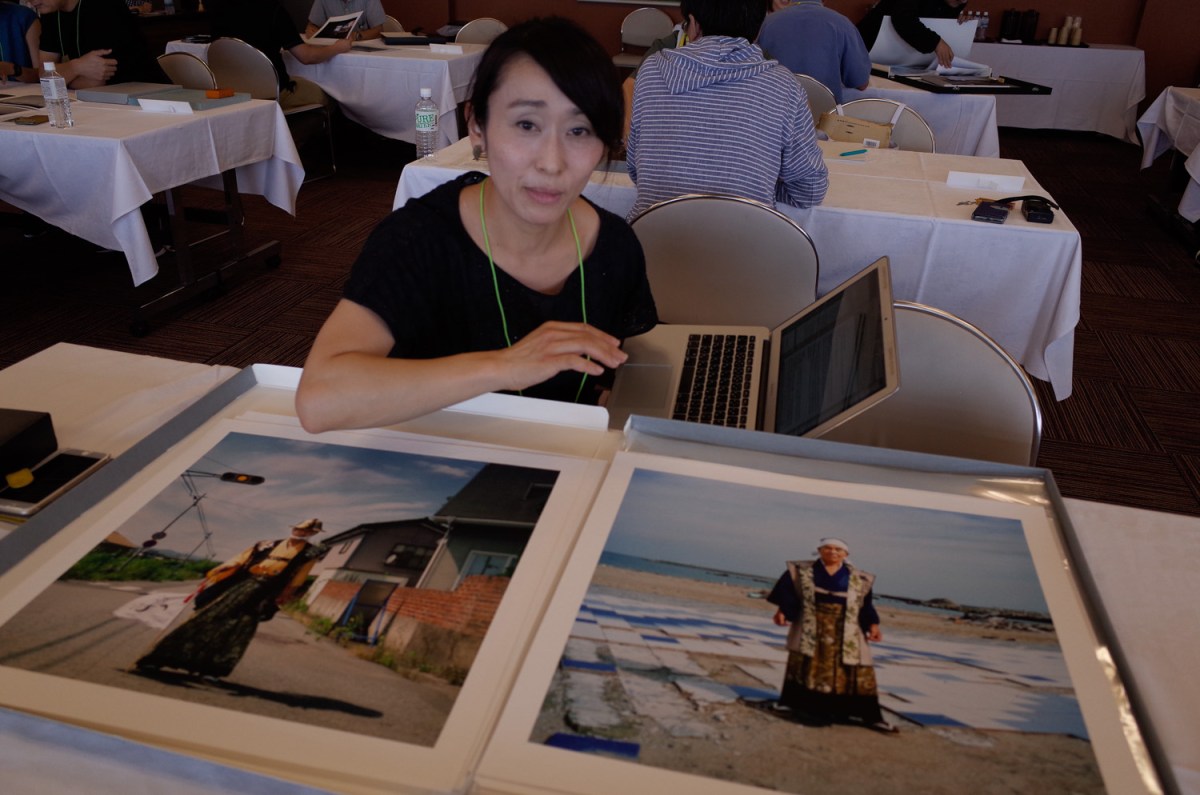
I knew of Noriko Takasugi‘s recent portrait at this year’s Taylor Wessing Photoprize where she was a finalist with her portrait of celebrated Japanese artist Yayoi Kusama. Also, her Fukushima Samurai series of portraits which she showed at Mt.Rokko this year. What I didn’t expect was the depth of research she had done in this project which, for several years now, has over 40 fine portraits of modern day samurais, each, dressed in traditional garb and photographed respectfully in and around the Fukushima area. It is time a book is published.

_R007823
Ryosuke SAITO
_R007825
Ryosuke SAITO

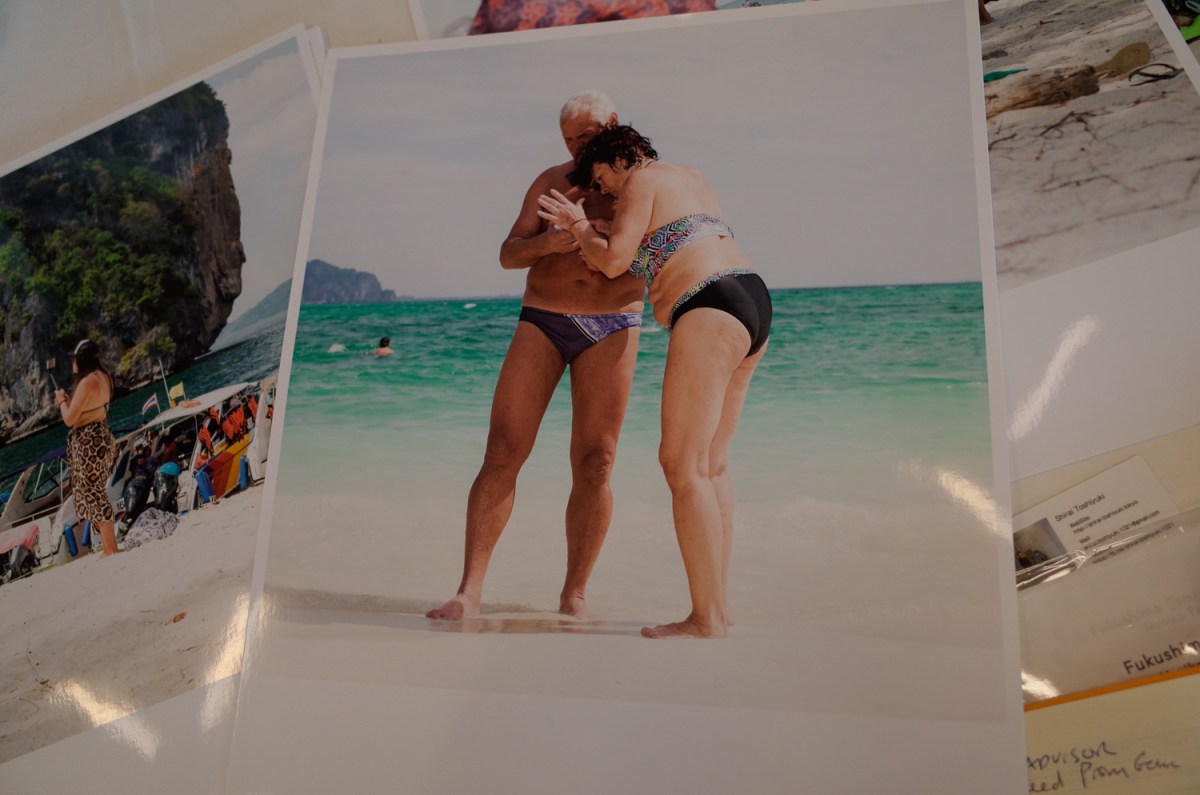
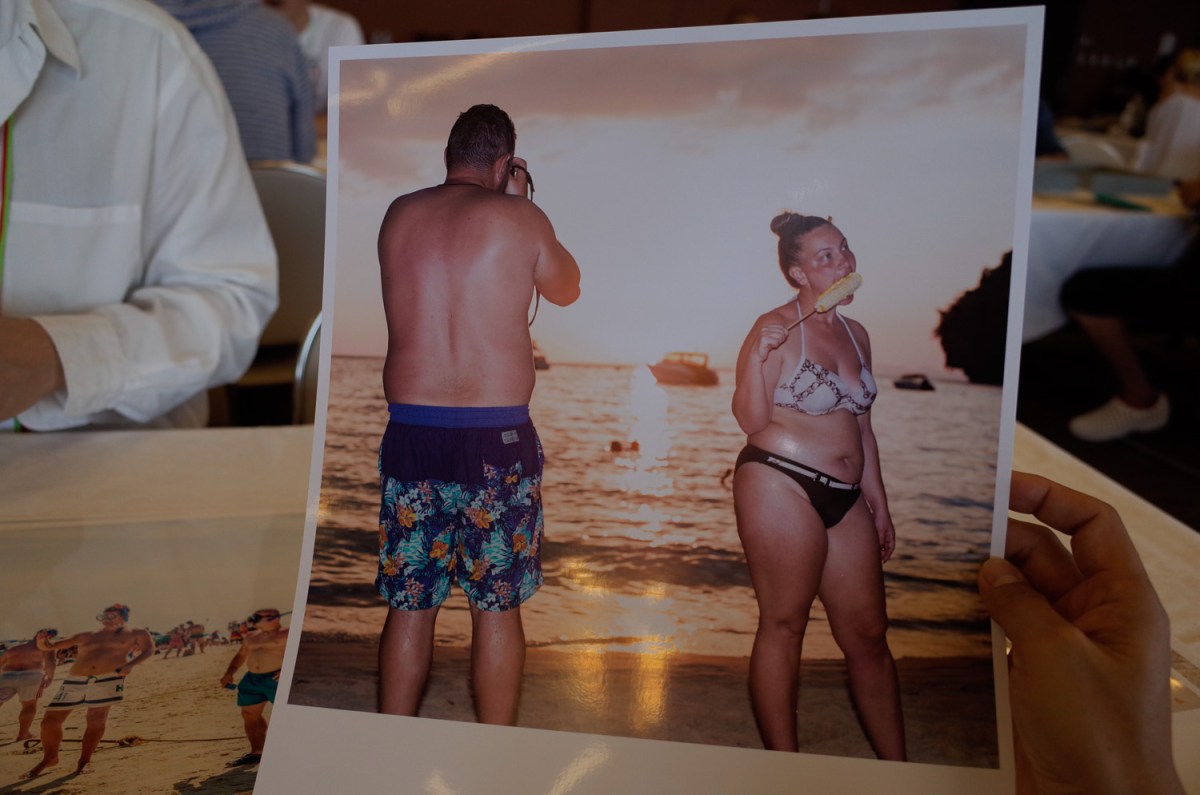
Another promising work I have seen is Ryosuke Saito’s humorous observational series of ‘tourists, smartphones and selfies’ called “#photooftheday”  (- complete with hashtag).

His witty captures of beachgoers in Thailand reveals more about what I term the ‘experience’ economies have to offer and yet informational exchange still holds true in our social media world. Similar ideas with the Rose Garden series above.

_R007827
Eiji OHASHI

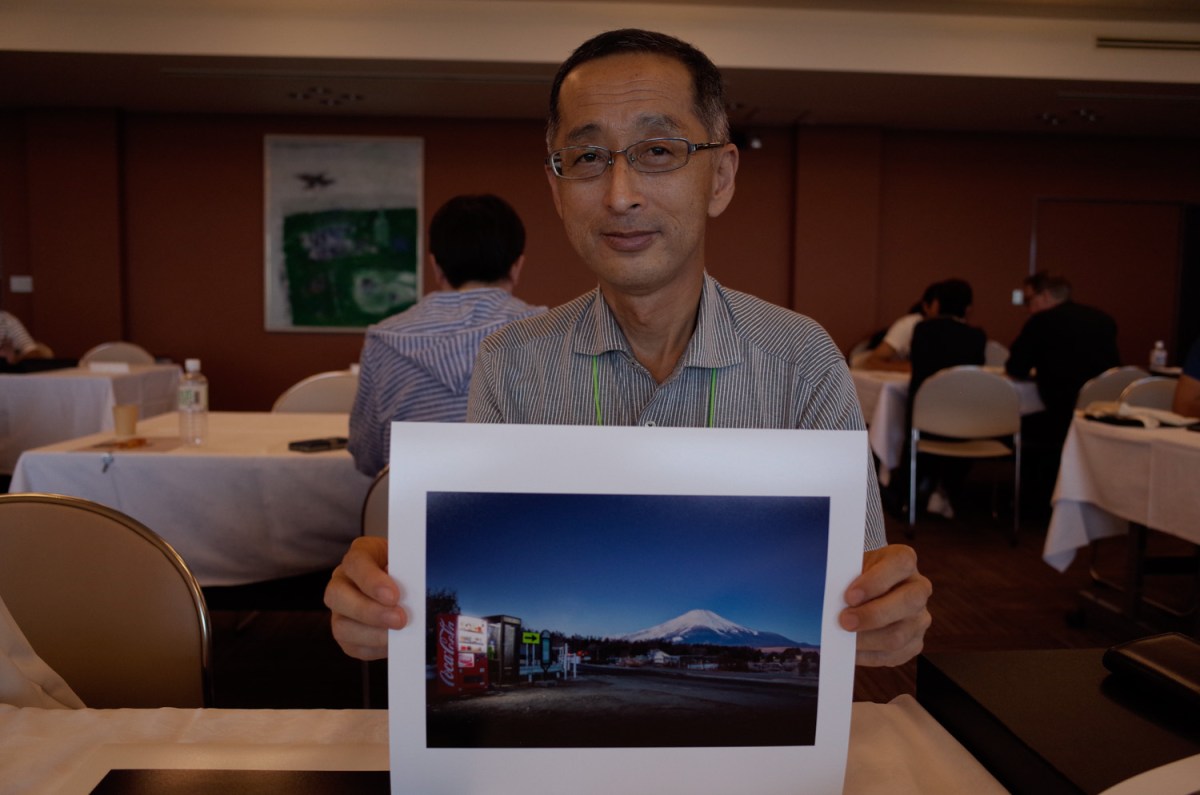
Another brilliant colour series is by Eiji Ohashi from Hokkaido.I saw him at Mt.Rokko last year where he displayed a black and white collection of his Vending Machine series. At the time I thought that they could be improved if he captured them in colour instead. This year he showed another set of vending machines in colour, and I thought they were significantly improved, as they showed the placements of these machines in more realistic and contemporary settings. The images are quiet reflections of an essential and modern invention that is found all over the country. He has 9 pieces of this series being shown at the Singapore International Photo Festival 2016 in October.

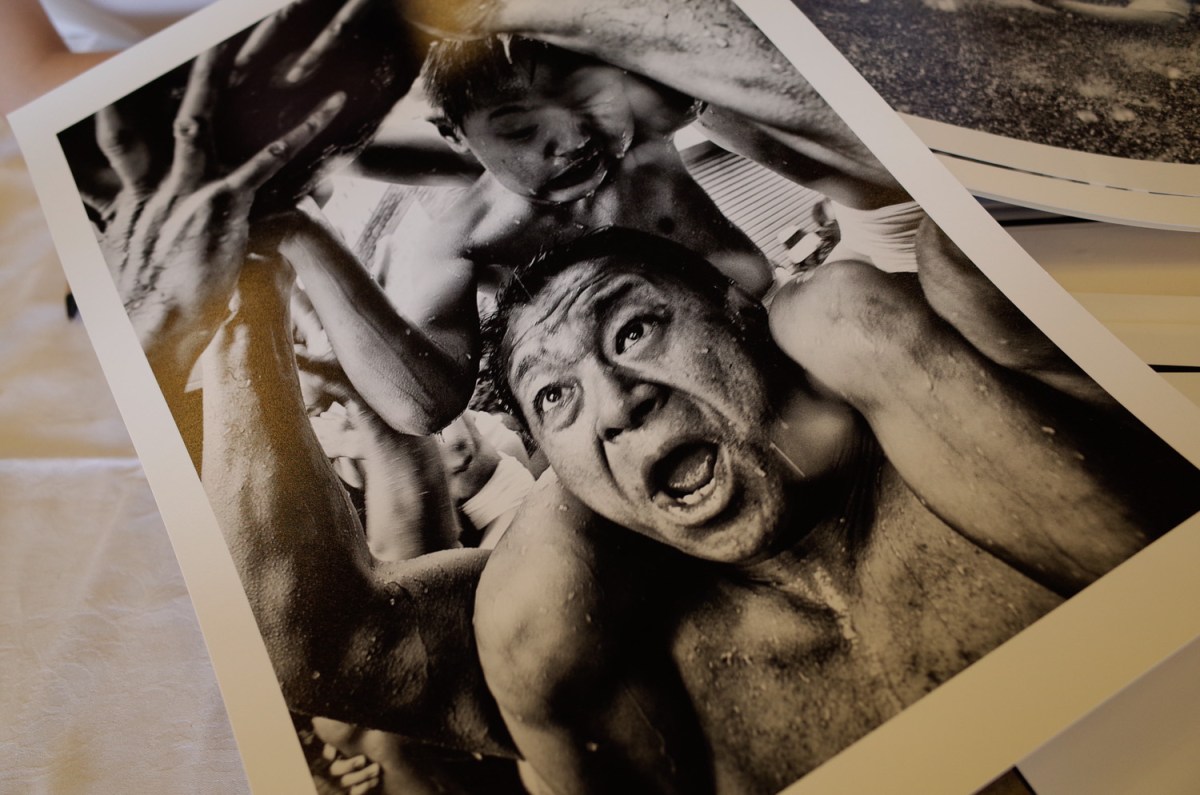
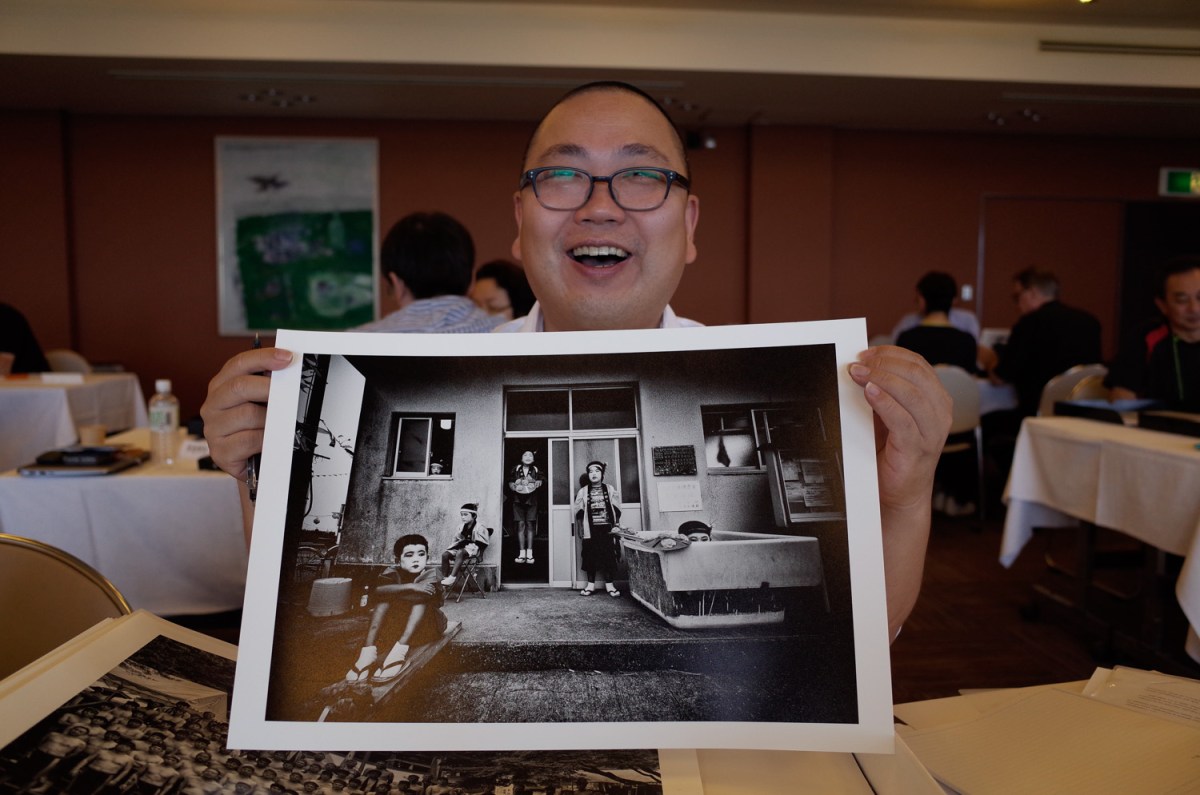
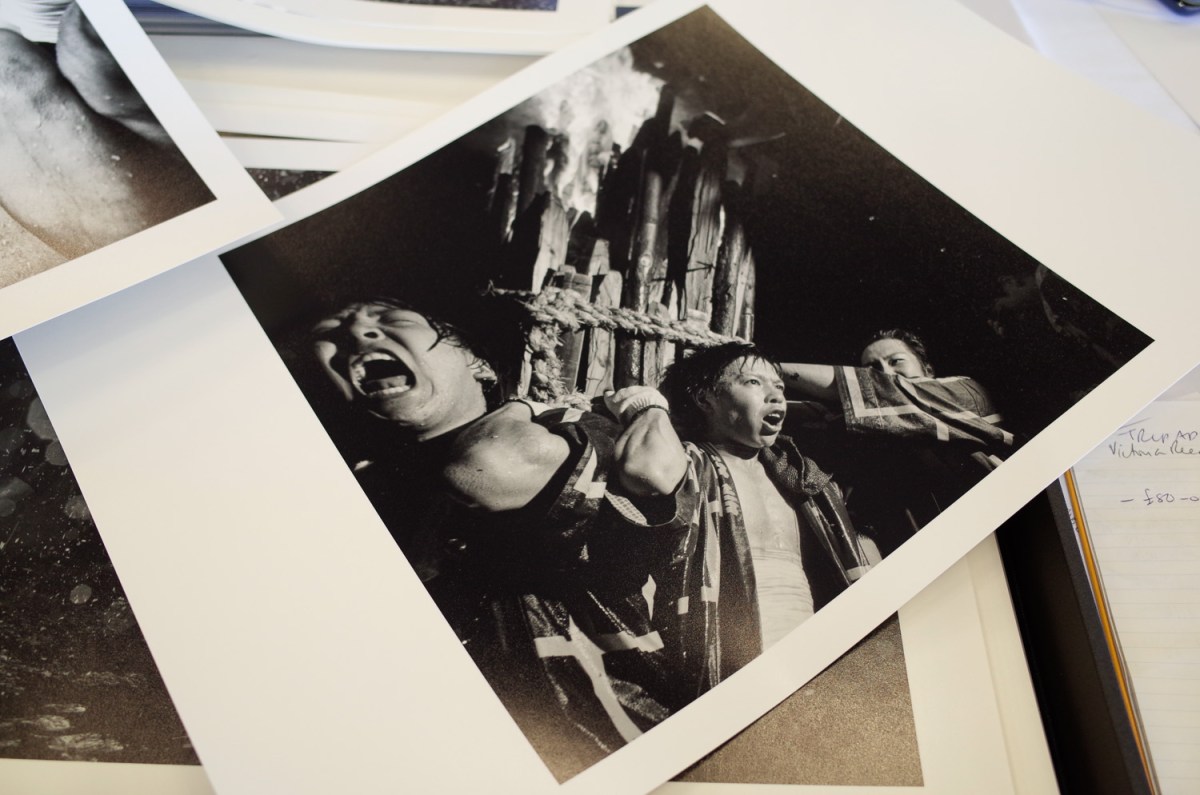
The photographer known as TOMM is a bubbly person and dons a  pair of Yohji Yamamoto trousers. He showed me his series of raw and gritty black and white photographs of festival people from over 30 such events across Japan called Ikai (Spirit World).

His pictures are to record what he calls ‘tamafuri’ or life soul of these events in modern times Japan, where science makes everything efficient and festivals seem irrational and strange at times. He photographs in black and white to depict the sacredness of their existence.

_R007828
TOMM Photographer
_R007830
TOMM Photographer
_R007831
TOMM Photographer
_R007833
TOMM Photographer

I found his images to be varied, strong and well composed, as often than not, photographing at public festivals can be quite restricted in terms of vantage points.

His images are bold and has a sense of immediacy to them, unlike many festival photography series I have seen. I did suggest to Tomm if he could visit the annual Thaipusam festival in Malaysia one day, that would be right his street.

One of my favourite images of the festival came from Takako Fukaya from Aichi.

_R007836
Takako FUKAYA

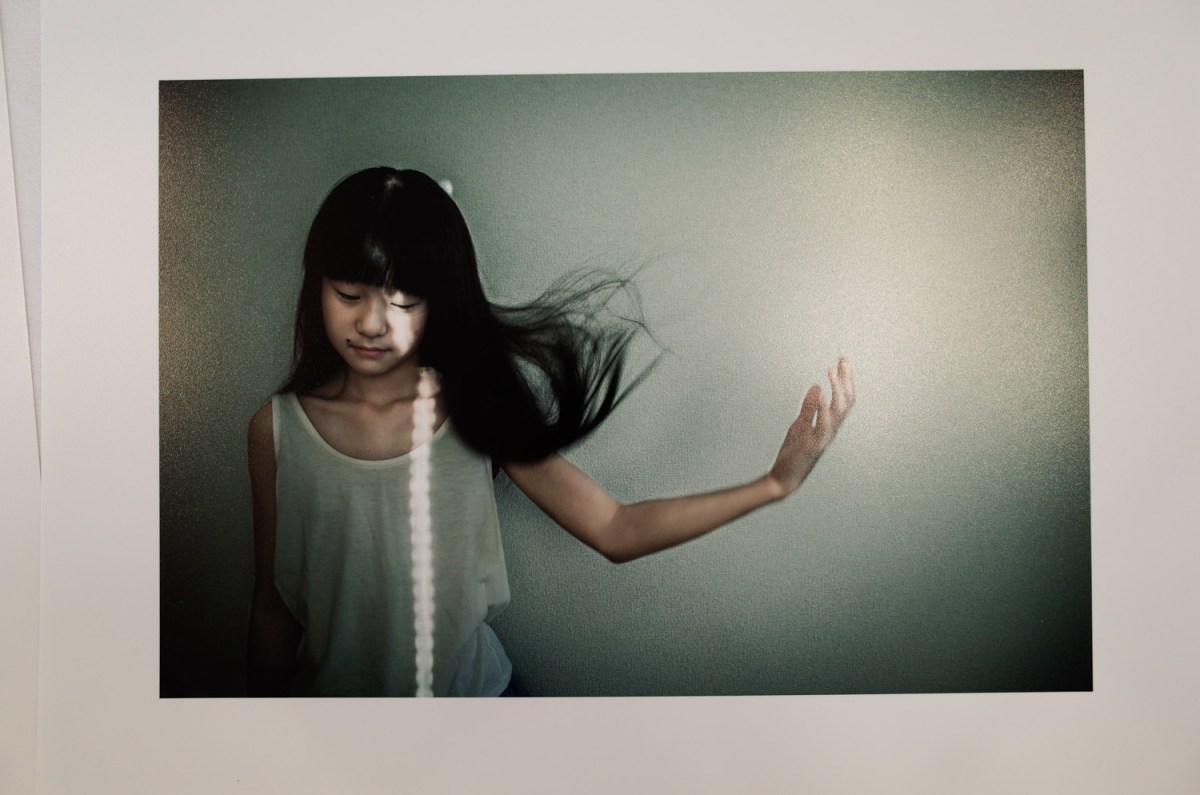
She is a mother three girls and she started showing her black & white images of them playing and doing normal things in and around her home, gardens and recreational parks. I didn’t feel as though she was portraying them in their joyful existence as they seemed too contrived. Nonetheless, when she began to show me her previous series of colour studies of them, right at the end of the review session, it completely surprised me! This set of toned portraits was fresh : innovative and whimsical, using homely props and natural light with effect. Beautiful.

Finally, I was also impressed with Yoshi Okamoto‘s series about women scorned. There is much intimacy and isolation that showed through to the viewer with her work about depression, despair, loss and ultimately, an unknown fate  which lies ahead for the woman in the picture. Yoshi is no stranger to awards, as one of the images from this series was selected as a finalist in the Kuala Lumpur International Photoawards 2016. We also discovered that she has been selected as one of the 100 candidates at Review Sante Fe this year.

_R007843
Yoshi OKAMOTO
_R007847
Yoshi OKAMOTO (R)

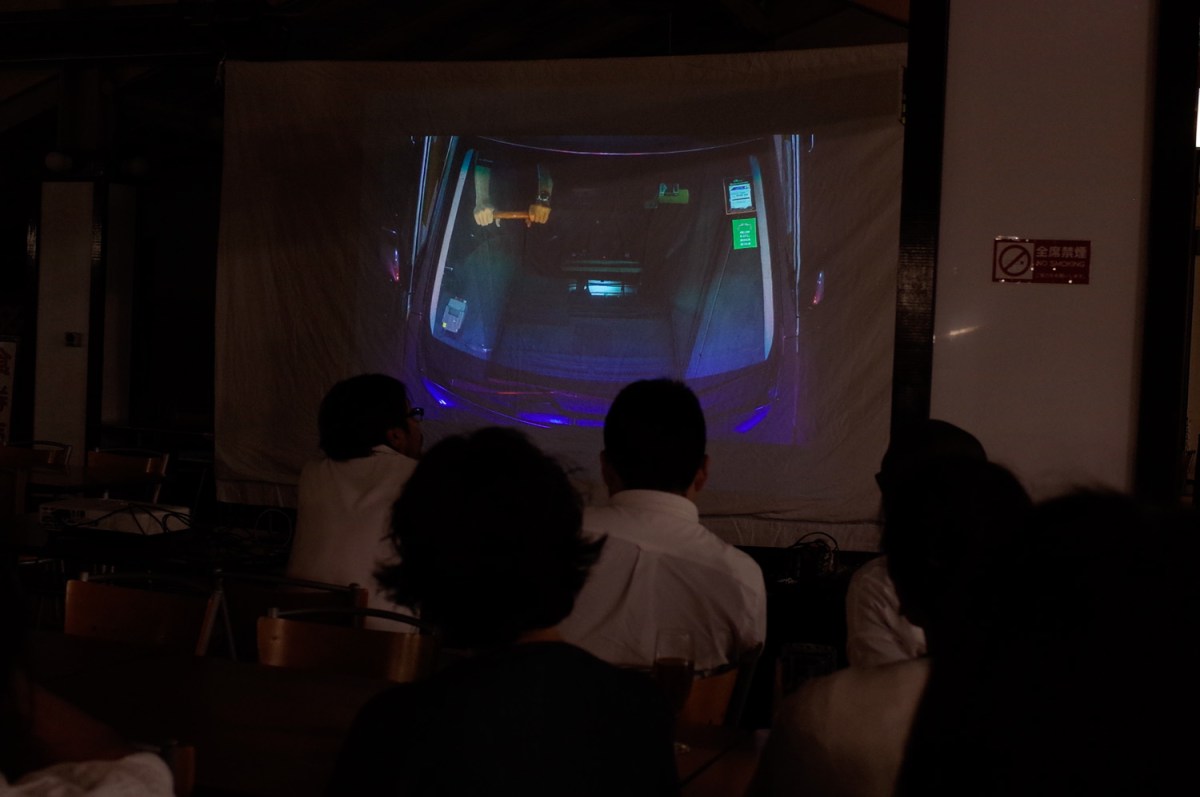
I would like to mention Shyue Woon‘s Car Park series of dimly light atmospheric scenes. This was his first review in his photographic practice and was proposed by myself to attend the portfolio review at Mt.Rokko this year. His work was also projected at the Emerging Photographers Slideshow on the final evening to all the gathered photographers, reviewers and guests.

_R007873
Shyue WOON – Emerging Photographers Slideshow

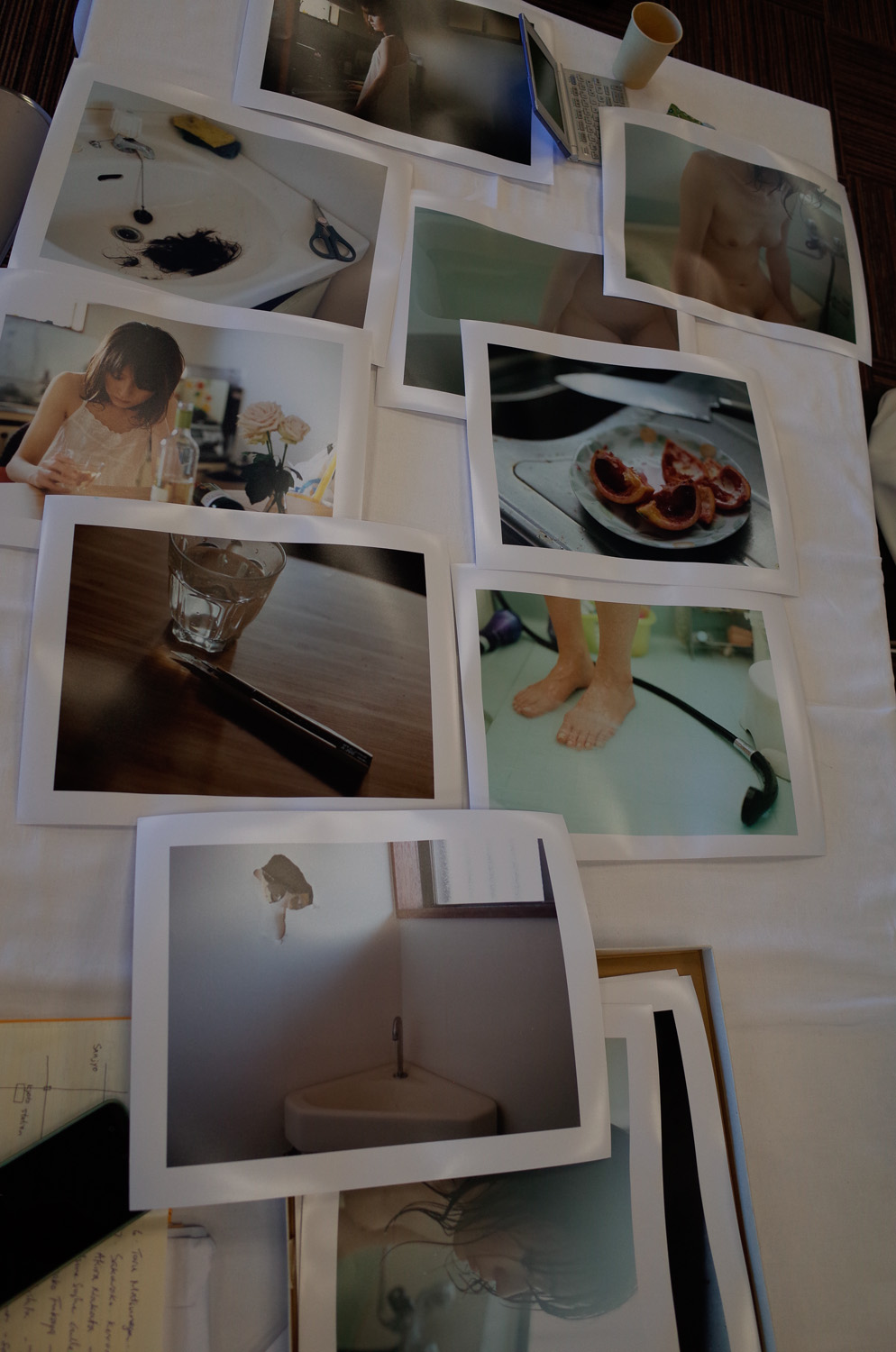
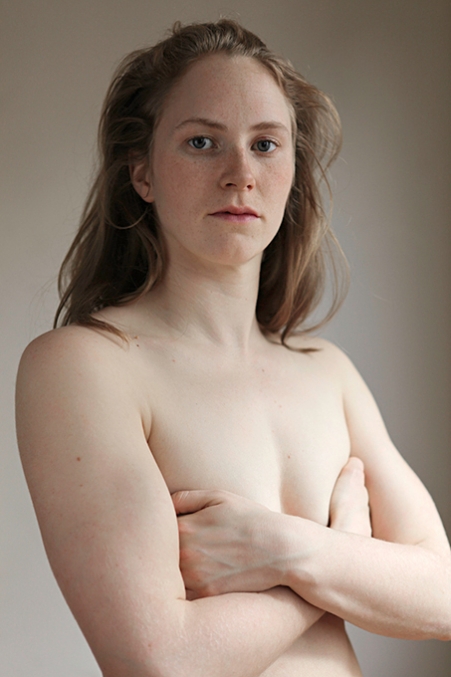
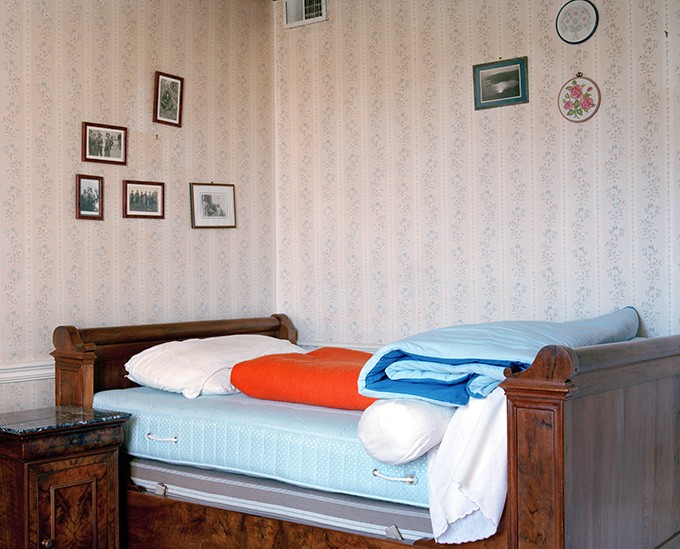
The final mention goes to the Anne-Sophie GUILLET a French photographer on a residency in Japan. She showed two series, Inner Self and Reminiscence.

anne-sophie01
Anne-Sophie GUILLET

I’m a sucker when it comes to a strong portrait image, and she has not one but several strong ones in her series Inner Self, which are formal portraits of ‘androgynous’ strangers she met on the street, invited to their homes and photographed. To me, this is such an interesting photo project which does not involve any kind of travel or fanciful enactments but require patience, trust and a lot of goodwill.

anne-sophie02.reminiscence
Anne-Sophie GUILLET

Reminiscence goes deeper, and she explores her childhood memories at her grandmother’s house in the French countryside. The house is no longer in the family but she has her grandmother’s objects and belongings to which she photographs at the house and it’s surroundings to immortalise her fading memories.

Each year the Mt.Rokko reviews always bring out some extraordinary work and this year these are the more memorable and meaningful ones for me. I’m sure other reviewers will have their own set of favourite projects, and  would like to close by thanking the festival director Takeki Sugiyama for his constant drive for education and exposure, and to make this event a success in Japan.

Arigatou gozaimasu.

_R007900
Open Portfolio Viewing

InstantLondon -Tree of Life

Isabella Plantation, Richmond Park – this Victorian garden set in 40 acres of woodland is renown for the azaleas introduced from Japan in the 1920s, rhododendrons, camellias and other rare trees. There are ponds and little streams, grass openings ideal for picnics and strolls throughout the year.

Heavenly bodies

Depictions of Kuan Yin, Sin Sze Si Ya Temple, Kuala Lumpur

Time to depart Kuala Lumpur after a short visit to oversee the judging of KLPA2016. What an intense week focussing on portrait photography, discussions about ethics and integrity – the unfolding McCurry saga, and great plans in the near future for photography in KL.

I can’t wait to announce the shortlisted finalists, and once all the backroom validations etc have been done, I will do so. Meanwhile, there are exhibitions and events to plan, and the groundwork for a new KL project has started following my announcement on 6 May. This new and exciting project will involve KL photographers and will begin a new chapter in visual mapping and documentation, illuminated by the myriad lights of the city.